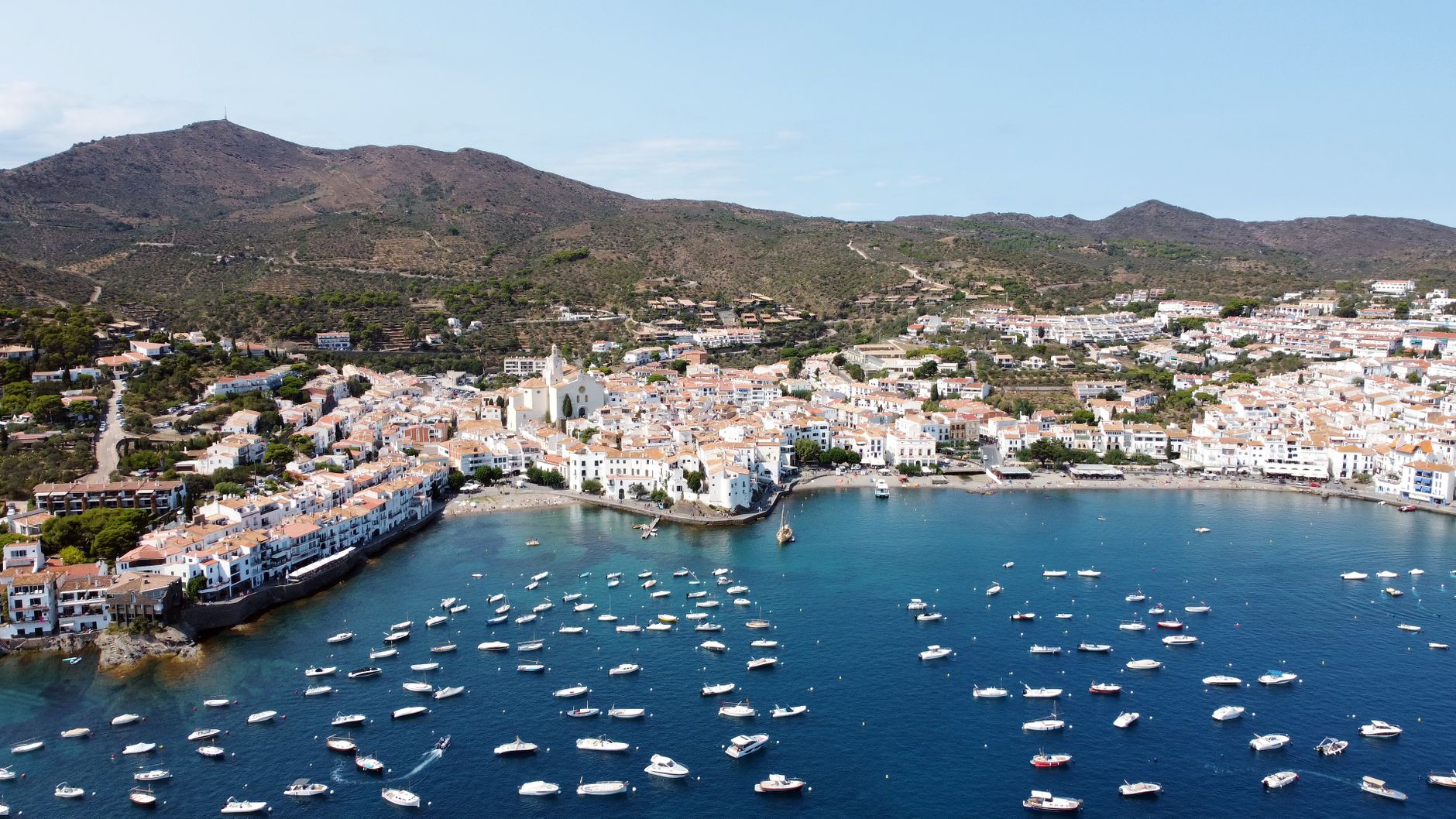
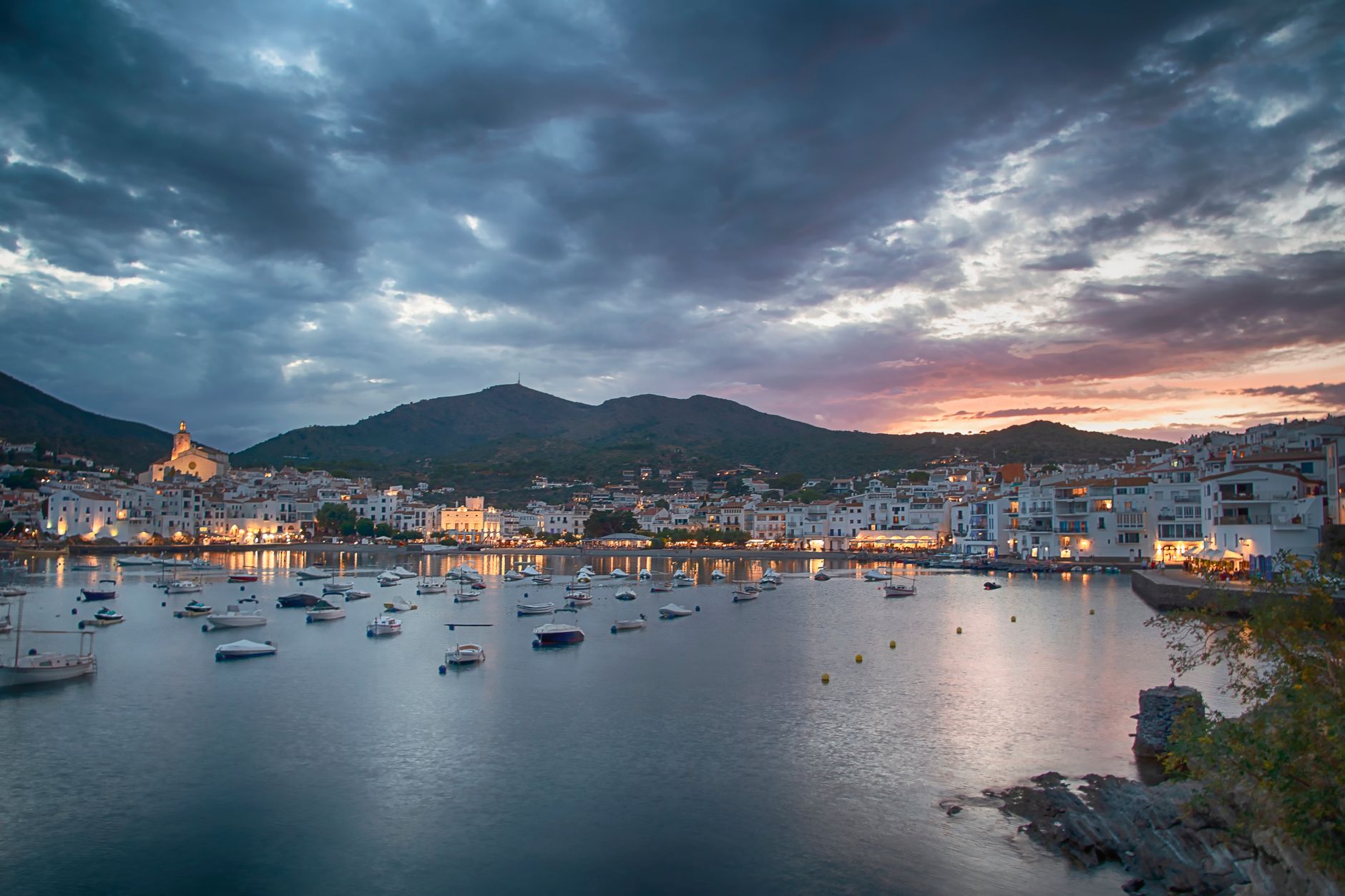
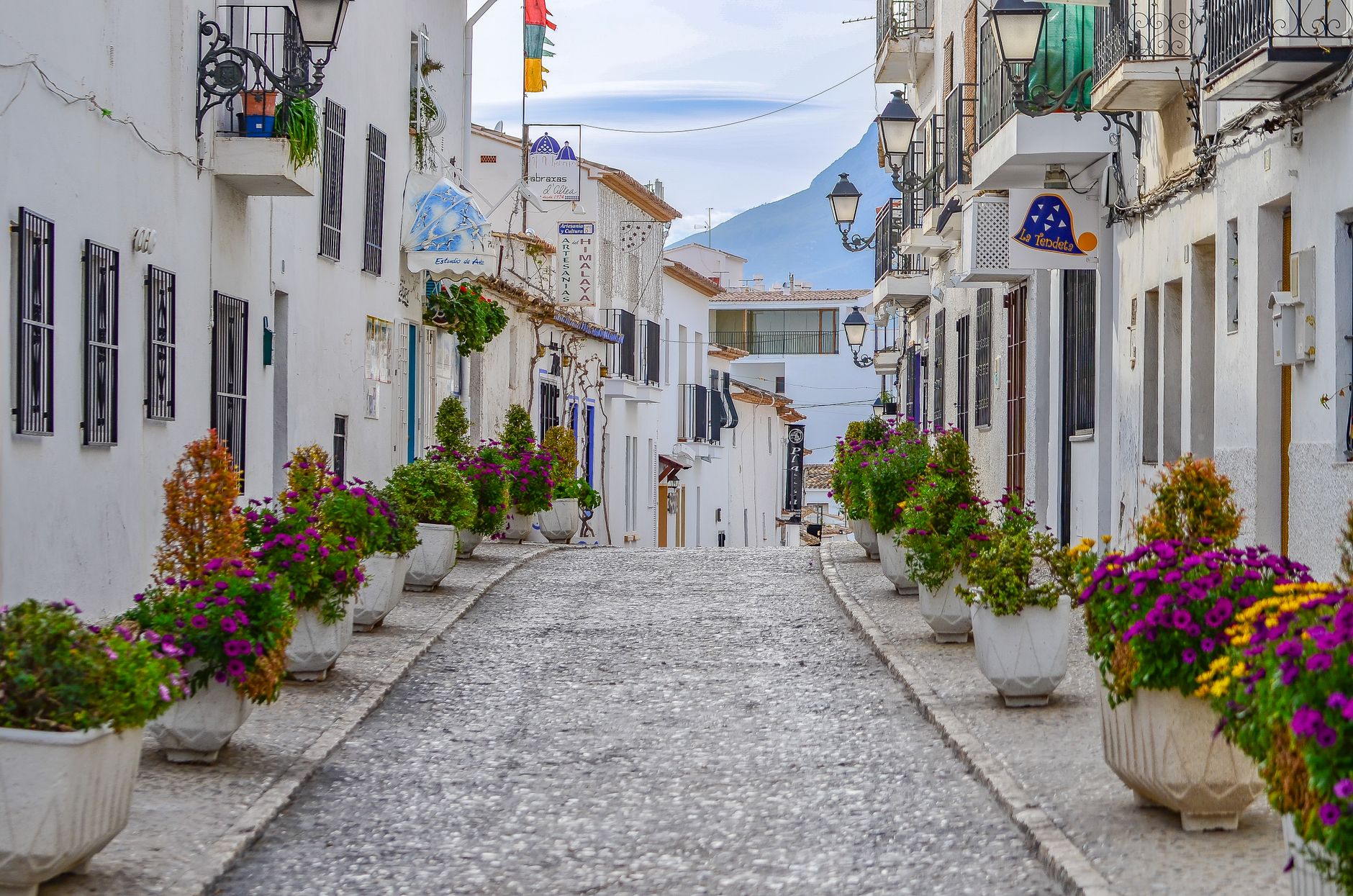
The road over the Cap de Creus peninsula twists sharply enough to discourage casual day-trippers. At the bottom sits a bay lined with whitewashed stone and slate-tiled alleys, still shaped by the tramuntana wind that roars off the Pyrenees. In the old core around Santa Maria, the stones underfoot are sea-smoothed pebbles laid on edge, designed to keep boots dry in wet weather. It smells of pine needles, salt spray, and anchovies curing in rock salt.
Last updated 22 Aug 2026
Build a Cadaqués itinerary.
Choose up to 4 threads that pull you in. Your plan arrives organised around them.
We'll craft a 4-lens plan for Cadaqués, one collapsible strand per lens.
Pastries & Bakeries
Stop at local bakeries for taps de Cadaqués, small sponge cakes shaped like champagne corks and soaked in sweet syrup, best enjoyed with strong morning espresso.
Pastries & Bakeries
Stop at local bakeries for taps de Cadaqués, small sponge cakes shaped like champagne corks and soaked in sweet syrup, best enjoyed with strong morning espresso.
Taps and Morning Cortado
Pastisseria La Mallorquina
Order two taps de Cadaqués and a cortado at the counter, then take a wooden chair outside. Expect to spend around five euros and thirty leisurely minutes watching the harbor.
Editor TipBakers here have shaped these sponge cakes like champagne corks since the eighteenth century, soaking them in sugar syrup until they yield softly to a fork. Dunking them in coffee is technically frowned upon by purists, but you should do it anyway.
Sampling Traditional Taps Pastries
Pastisseria Santa Clara
Step up to the counter on Carrer d'es Call for a bag of sugar-dusted sponge cakes for four euros. Take them down to the pebble shore before the shop closes at six.
Editor TipShaped like champagne corks, taps have been baked here since the eighteenth century, traditionally flamed in rum syrup by sailors returning home from the Antilles. Eat them with a small glass of sweet Garnatxa wine from the local Empordà hills instead of tea.
Local Seafood
Order suquet de peix, the classic Catalan fisherman stew simmered with rockfish and potatoes, or grilled red prawns from nearby Palamós dressed with sea salt.
Local Seafood
Order suquet de peix, the classic Catalan fisherman stew simmered with rockfish and potatoes, or grilled red prawns from nearby Palamós dressed with sea salt.
Fisherman's Rockfish Suquet Feast
Restaurant Casa Anita
There is no printed menu; the kitchen cooks whatever the boats landed. Stop by earlier in the afternoon to secure a communal wooden table.
Editor TipSuquet began as a rough boat stew of scorpionfish and potatoes, thickened with garlic picada and toasted almonds by Costa Brava fishermen. Ask for a carafe of crisp Empordà white and let the host choose your fish.
Dining on Fisherman Stew
Restaurant Can Rafa
Reserve a table two days ahead. Order the scorpionfish suquet and grilled razor clams alongside a cold carafe of local white. Dinner costs around eighty euros for two.
Editor TipSuquet de peix began as a simple boat stew simmered in seawater by Catalan fishermen using the spiny rockfish they could not sell at the daily harbour auction. The kitchen closes strictly at ten thirty, so avoid the late Madrid habit of showing up at eleven.
Rockfish Suquet by the Lighthouse
Restaurant Cap de Creus
Perched beside the 1853 lighthouse, this tavern serves concentrated monkfish and scorpion fish stews. Book an outdoor table two days ahead and arrive before sunset.
Editor TipSuquet de peix began as a humble fisherman's stew simmered aboard wooden trawlers, utilizing the bony, flavorful rockfish that couldn't be sold at the morning dock auctions. Order a carafe of crisp Empordà Garnatxa Blanca and let the dusk settle over the Gulf of Lion.
Modern Art
Visit the labyrinthine seaside house in Portlligat, preserved with olive terraces and studio gear. Book entry tickets weeks ahead to avoid standing outside.
Modern Art
Visit the labyrinthine seaside house in Portlligat, preserved with olive terraces and studio gear. Book entry tickets weeks ahead to avoid standing outside.
Dalí's Labyrinthine Shoreline Studio
Casa Salvador Dalí Portlligat
Walk fifteen minutes over the ridge from town to Portlligat. Timed tickets cost fifteen euros, strictly limited to eight visitors every ten minutes, so reserve well ahead.
Editor TipDalí stitched together a cluster of old fishermen shacks starting in 1930, creating a maze of whitewashed rooms tailored specifically to catch the harsh morning light of Cap de Creus. Do not skip the olive grove terrace out back; the view over the bay explains forty years of surrealist painting.
Coastal Walks
Follow the Camí de Ronda north past rocky inlets toward Portlligat. Wear stiff-soled shoes for the sharp schist cliffs, and pack water before leaving town.
Coastal Walks
Follow the Camí de Ronda north past rocky inlets toward Portlligat. Wear stiff-soled shoes for the sharp schist cliffs, and pack water before leaving town.
Avant-Garde Workshop Prints
Galeria Cadaqués
Wander up Carrer d'Horta d'en Sanés into this whitewashed former olive press. Admission is free, exhibitions rotate regularly, and forty-five minutes is ample.
Editor TipArchitect Lanfranco Bombelli opened the space in 1973, turning an old village workshop into an epicenter for international printmaking and concrete poetry. Check the courtyard light before leaving; the whitewash reflects sharp midday glare, so keep sunglasses handy.
Surrealist Headland Coastal Trek
Paratge de Tudela
Leave your vehicle at the dedicated lot for five euros and follow the paved five-kilometer trail. Allow two hours to wander down to the water and back.
Editor TipCenturies of fierce northern gales have sculpted these dark pegmatite rocks into animal shapes, directly inspiring Dalí's canvas The Great Masturbator in 1929. Stay on the wooden boardwalks; the coastal lichen and plant life take decades to recover from stray footsteps.
Note from the Editor
“Book the Portlligat house weeks in advance or resign yourself to squinting through the fence. Cadaqués wakes late, so take the morning shoreline while the stone alleys belong strictly to delivery vans and stray cats.”
The Bed
Where to stay in Cadaqués
Which part of town to book, and what each one costs you in walking, noise or quiet.
Places to stay
Central, well-rated and easy to find again. Distances are from the middle of town.
These links go to Booking.com and earn us a commission. They cost you nothing extra.
The Comparison
Cadaqués, or somewhere near it
The places you are realistically choosing between, and the honest case for each.
The Local Record
Where to read more about Cadaqués
The blogs, boards, guides and operators worth bookmarking.
What to do in Cadaqués Catalonia Spain
Cadaqués runs on sea time and walking speed. The town wraps around a protected bay framed by olive groves and dark schist hills, drawing those who prefer rough coves and long lunches to resort sprawl. Morning starts with coffee near Platja Gran, afternoons belong to coastal trails or church steps, and evenings settle into late dinners of grilled sardines and chilled white wine along the waterfront.
24 hours in Cadaqués Catalonia Spain
Begin at the waterfront with a flat white and a warm tap de Cadaqués pastry. Walk the pebble alleys up to Santa Maria by ten for the baroque altar, then take the twenty-minute path north to tour Portlligat. Dine on fresh suquet de peix at a harbour tavern and end the evening listening to water lap against the hull of traditional wooden boats. Select 1 Day above to see it.
2 days in Cadaqués Catalonia Spain
A second day lets you hike out toward the Far de Cap de Creus lighthouse, where mineral cliffs drop into turquoise coves like Cala Bona. Pack sturdy trainers and water. By late afternoon, wander the galleries along Carrer des Call before ordering DO Empordà wine and salted anchovies at a bar tucked off Plaça del Passeig. Choose 2 Days to expand the plan.
3 days in Cadaqués Catalonia Spain
Three days gives you time to hire a car or bus over the crest to Sant Pere de Rodes, a romanesque monastery with sweeping coastal views. Return through El Port de la Selva for grilled cuttlefish, then spend a quiet final afternoon swimming off the slate ledges at Platja de sa Sabolla.
Cadaqués Catalonia Spain itineraries by interest
Coastal Walks in Cadaqués Catalonia Spain
Follow the Camí de Ronda north past rocky inlets toward Portlligat. Wear stiff-soled shoes for the sharp schist cliffs, and pack water before leaving town.
Local Seafood in Cadaqués Catalonia Spain
Order suquet de peix, the classic Catalan fisherman stew simmered with rockfish and potatoes, or grilled red prawns from nearby Palamós dressed with sea salt.
Modern Art in Cadaqués Catalonia Spain
Visit the labyrinthine seaside house in Portlligat, preserved with olive terraces and studio gear. Book entry tickets weeks ahead to avoid standing outside.
Wine & Vineyards in Cadaqués Catalonia Spain
Taste crisp Garnatxa and Carinyena reds grown on steep slate terraces in the DO Empordà, where dry tramuntana winds naturally protect coastal vines from rot.
Maritime History in Cadaqués Catalonia Spain
Trace centuries of maritime trade and pirate raids inside the 16th-century Church of Santa Maria, which anchors the highest ridge of the old fishing quarter.
Hiking in Cadaqués Catalonia Spain
Trek the arid trail out to the Far de Cap de Creus lighthouse, navigating bizarre wind-sculpted granite outcrops and steep drops down to Cala Jugadora.
Sacred Architecture in Cadaqués Catalonia Spain
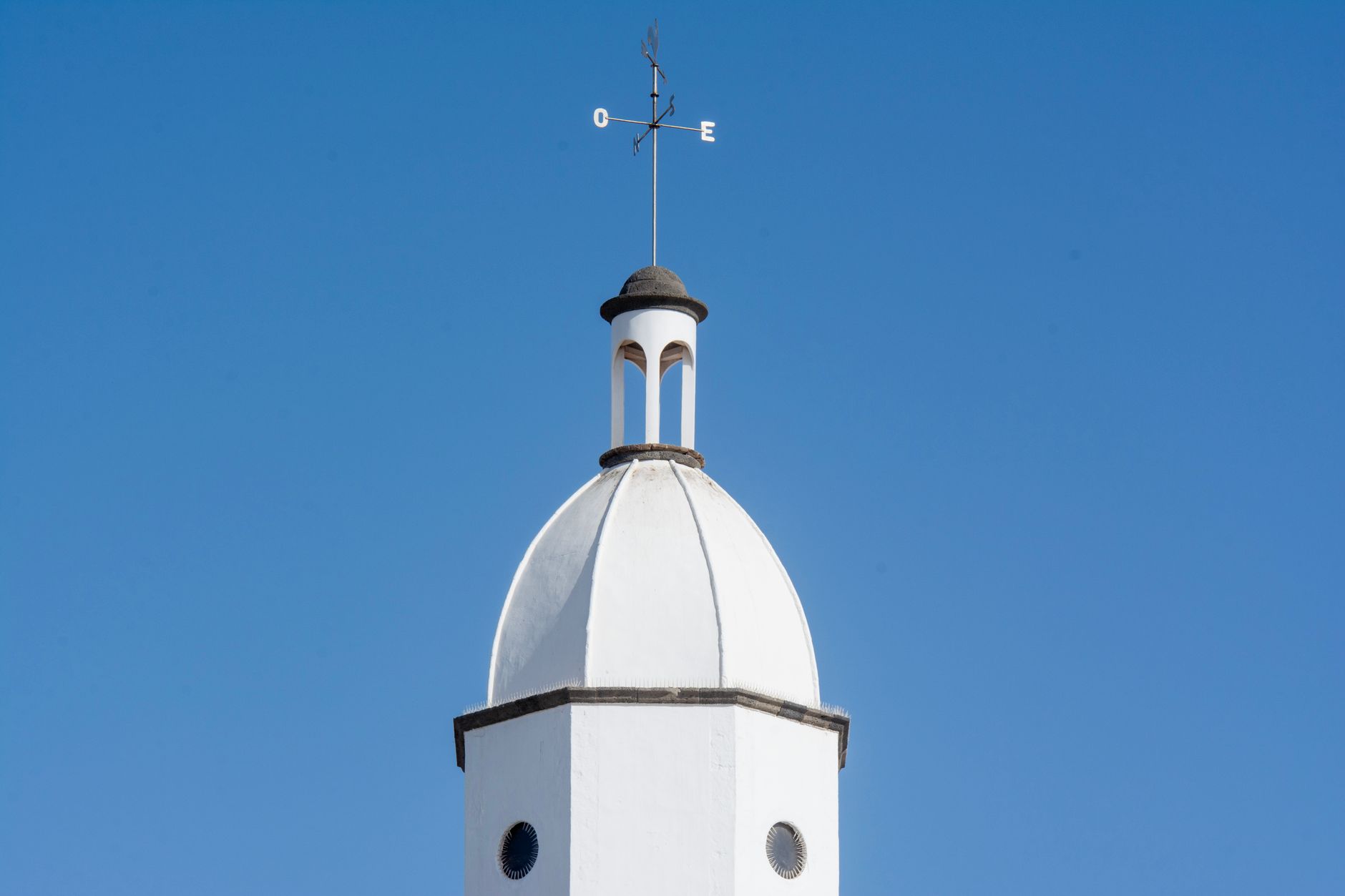
Step inside Santa Maria to view the towering 18th-century baroque retable, carved in wood and gilded by Pau Costa, framed by views over the whitewashed bay.
Markets & Produce in Cadaqués Catalonia Spain
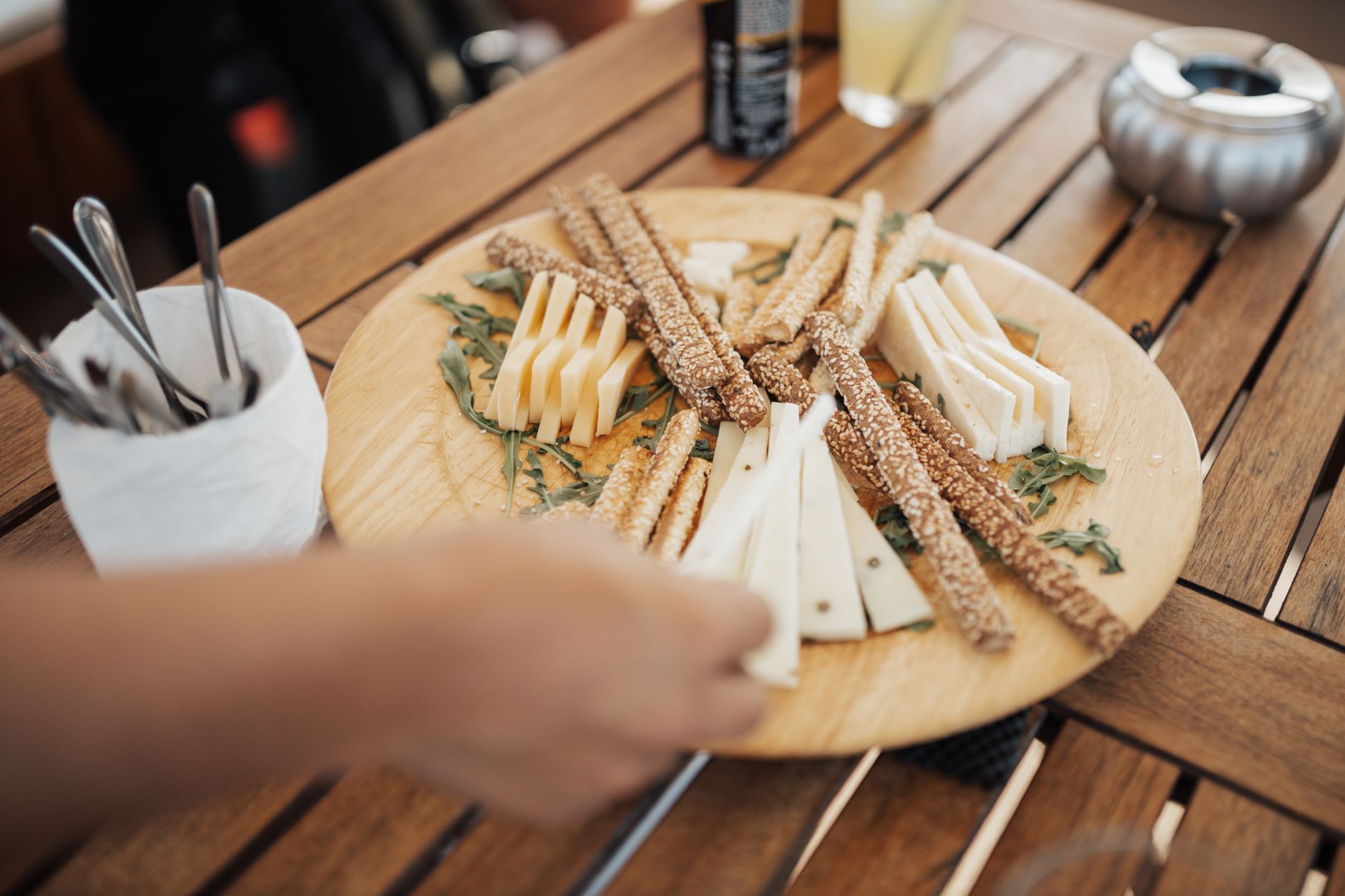
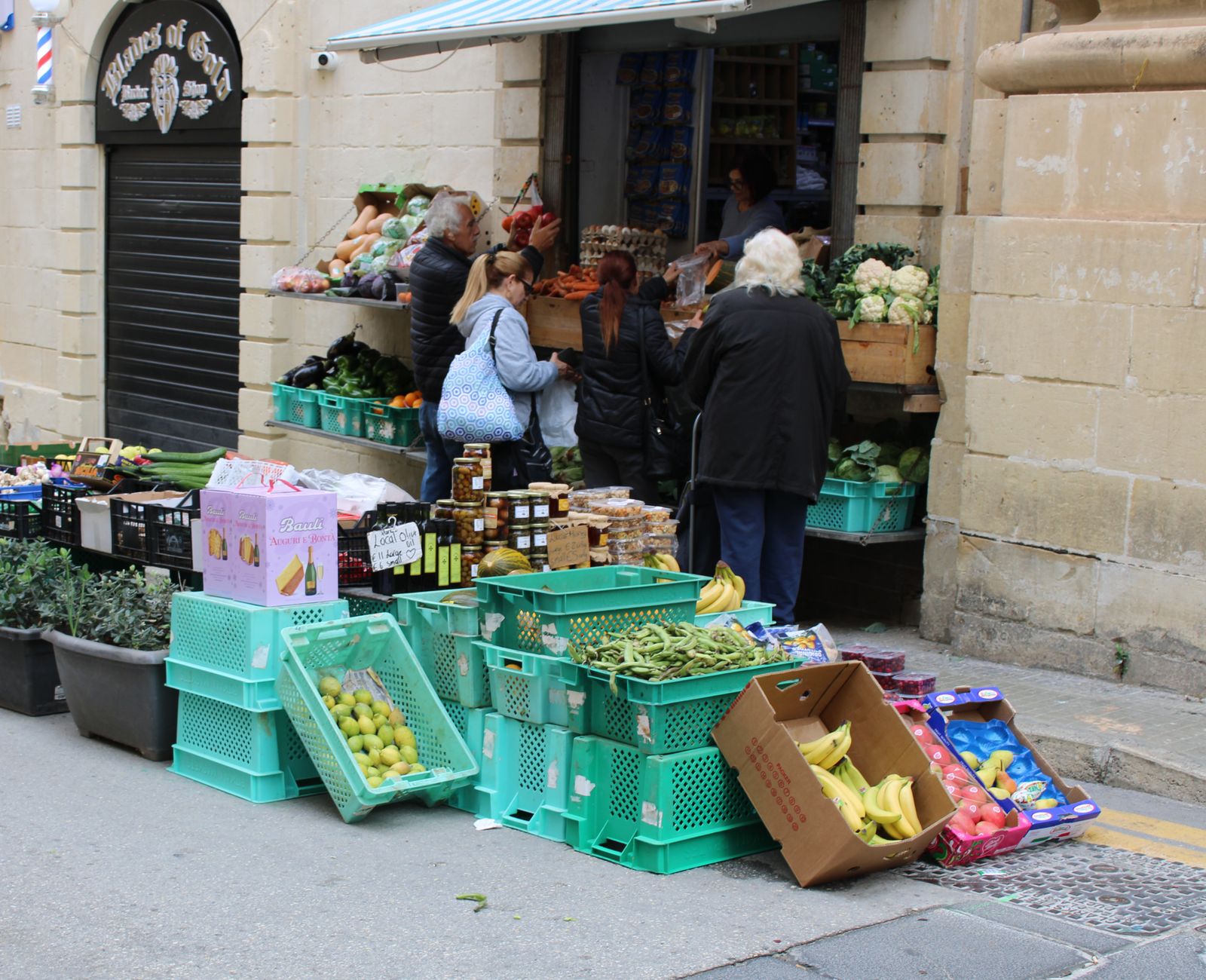
Mondays bring the open-air market along Riera de Sant Vicenç for Alt Empordà goat cheeses, olive oil pressed from local Argudell fruit, and seasonal figs.
Beaches in Cadaqués Catalonia Spain
Skip sandy expectations for the dark slate shingle at Platja Gran or walk thirty minutes south to Platja de sa Sabolla, where clear water meets pine shade.
Pastries & Bakeries in Cadaqués Catalonia Spain
Stop at local bakeries for taps de Cadaqués, small sponge cakes shaped like champagne corks and soaked in sweet syrup, best enjoyed with strong morning espresso.
Craft Traditions in Cadaqués Catalonia Spain
Explore small studios along Carrer des Call weaving traditional Mediterranean esparto grass and firing unglazed ceramics inspired by local coastal minerals.
Day Trips in Cadaqués Catalonia Spain
Drive twenty minutes inland across the pass to El Port de la Selva for a quiet harbour lunch, or climb up to the Benedictine abbey of Sant Pere de Rodes.