

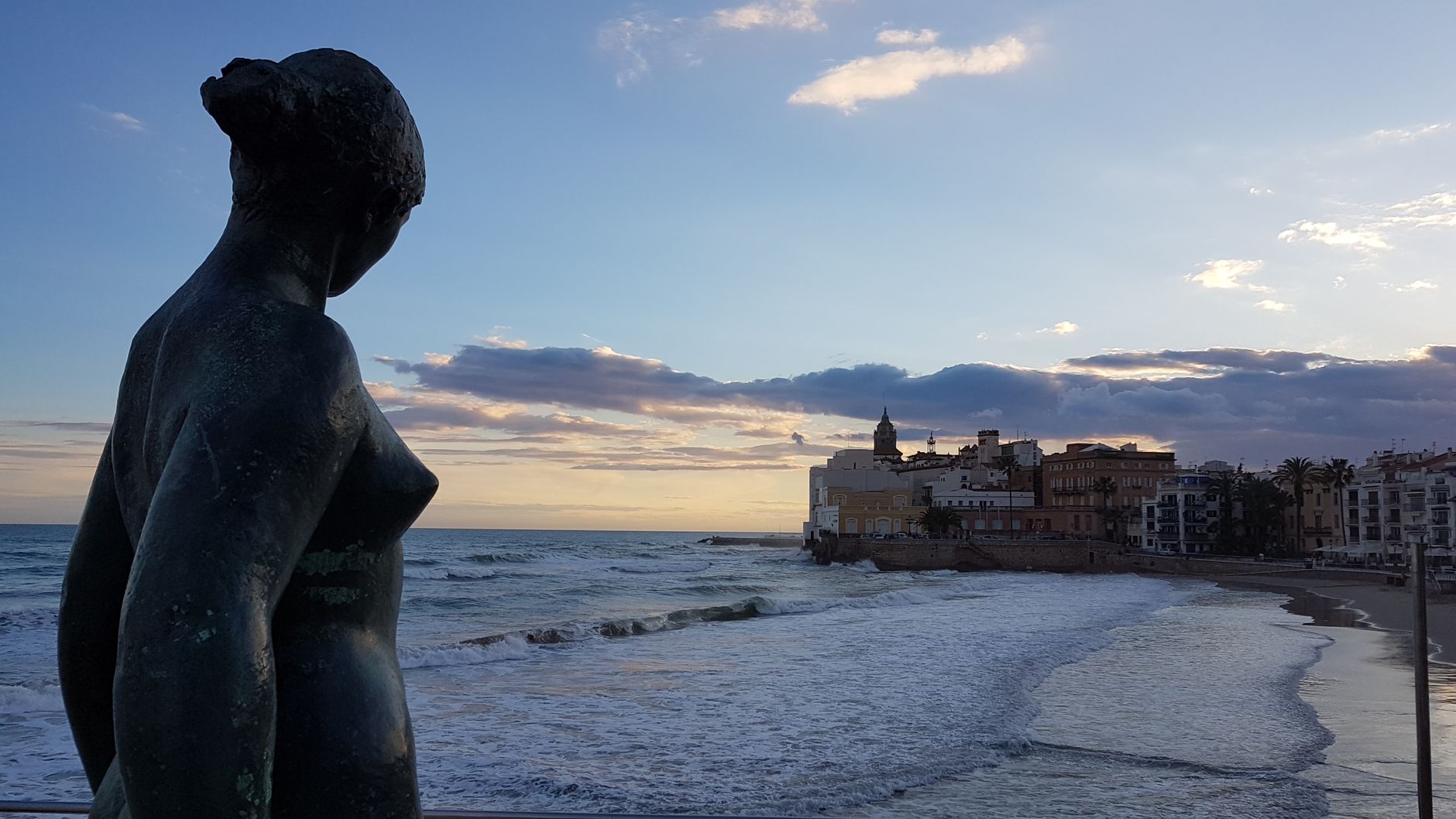
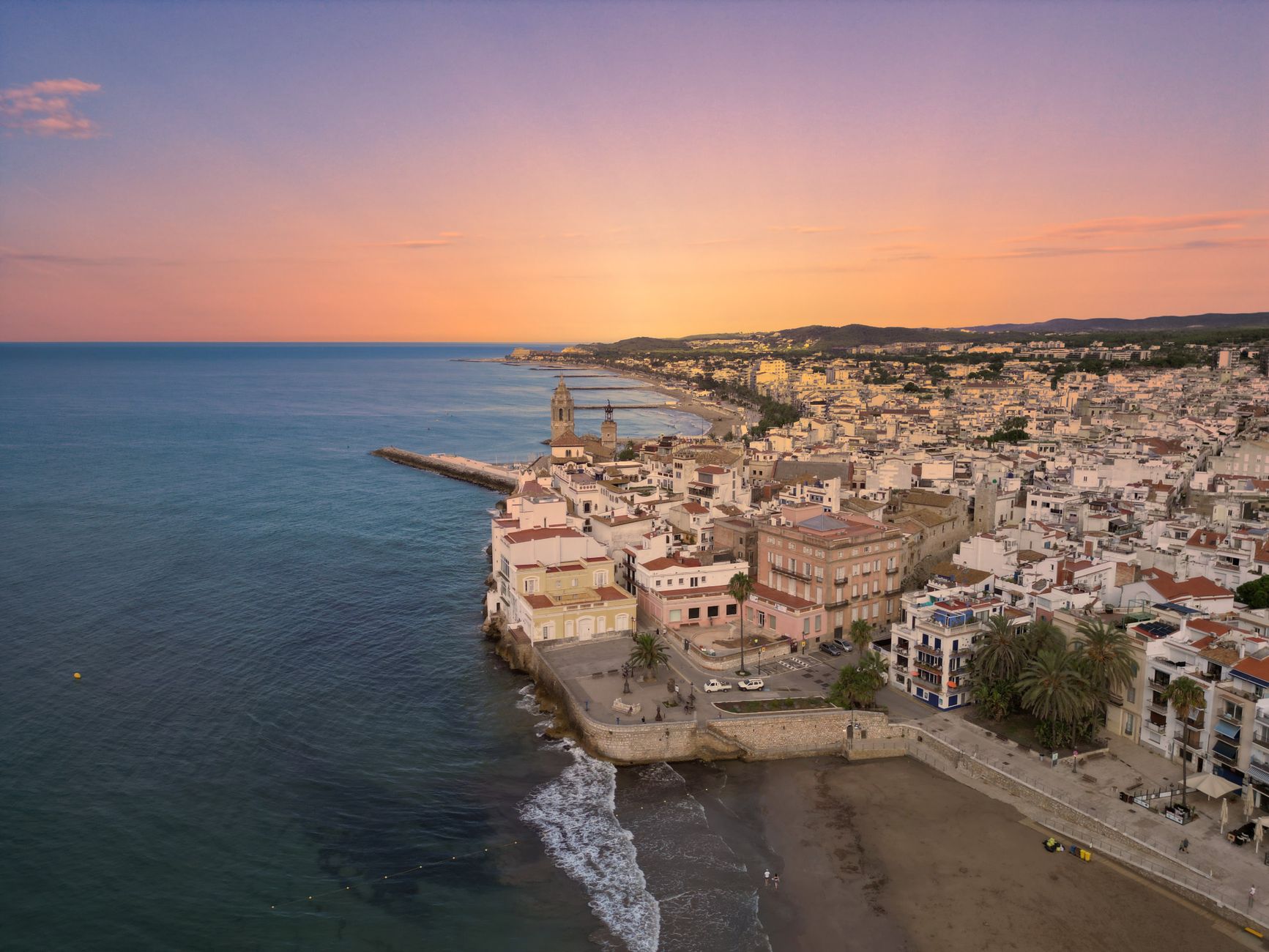

Sitges sits 35 kilometres southwest of Barcelona, a 35-minute ride on the Rodalies train. The town is known for its nineteenth-century Modernisme art legacy, seventeen beaches, and sweet Malvasia wine. The compact core clusters below the sea-facing church of Sant Bartomeu. Sitges is worth visiting if you want seaside Modernisme collections, lively promenade dining, and authentic Catalan xató salad. Look elsewhere if you want deserted coves in high summer or quiet mountain isolation.
Last updated 25 Sept 2026
Build a Sitges itinerary.
Choose up to 4 threads that pull you in. Your plan arrives organised around them.
The Bed
Where to stay in Sitges
Which part of town to book, and what each one costs you in walking, noise or quiet.
The Comparison
Sitges, or somewhere near it
The places you are realistically choosing between, and the honest case for each.
The Local Record
Where to read more about Sitges
The blogs, boards, guides and operators worth bookmarking.
What to do in Sitges Catalonia Spain
Sitges wraps around a broad sea promenade, defined by the Baluard promontory and the old fishermen’s quarter of modern-day Sant Sebastià. Days unspool comfortably between coastal swims, long lunches over fideuà, and quiet strolls through cobbled lanes lined with modernist villas. It suits curious cultural travellers, beach lovers, and independent wanderers looking for easy seaside charm without big-resort anonymity.
24 hours in Sitges Catalonia Spain
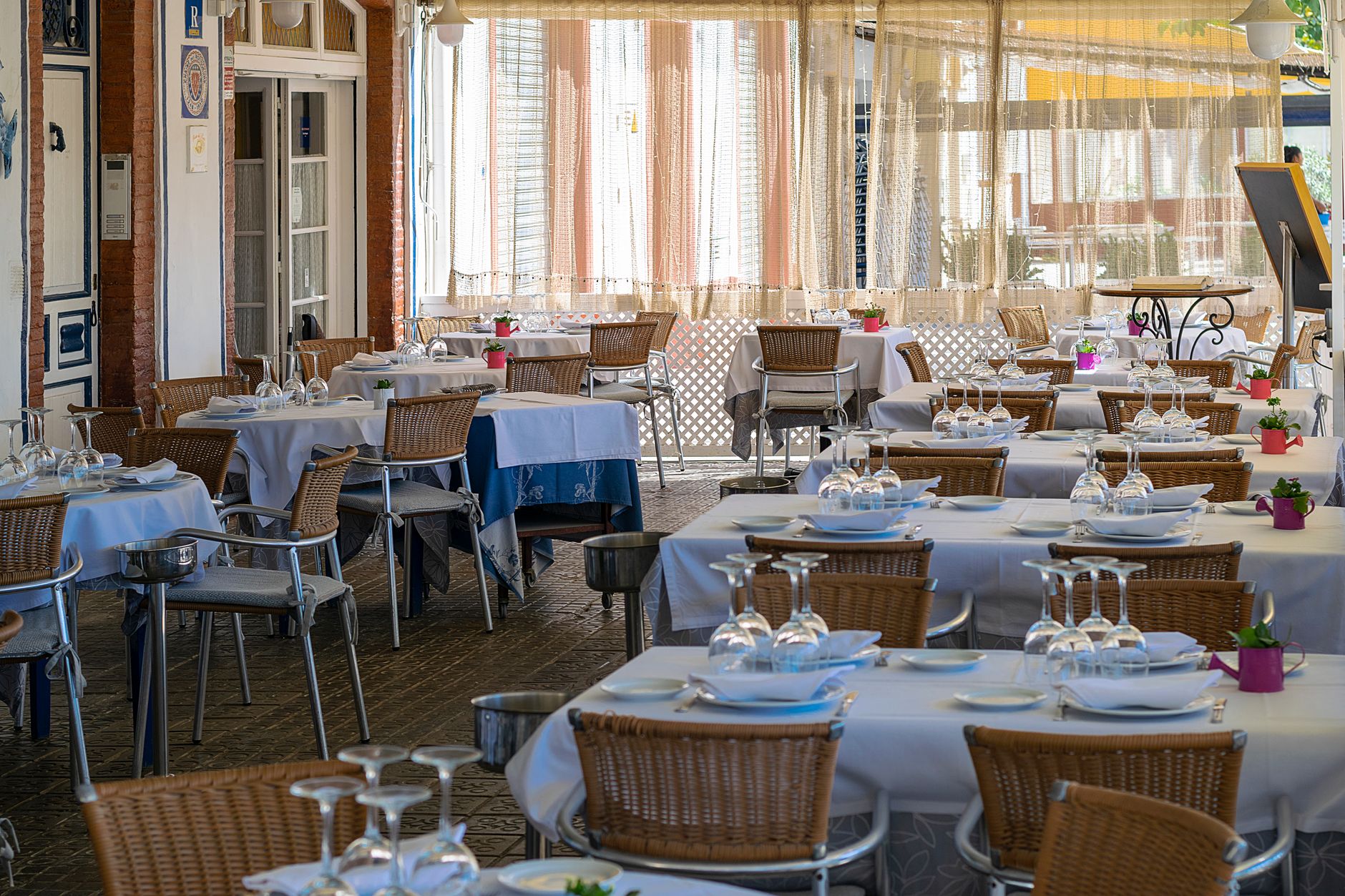
Spend the morning exploring the art at Cau Ferrat and Palau de Maricel, then grab an outdoor table by Platja de Sant Sebastià for cod xató salad and grilled squid. In the late afternoon, take a relaxed stroll along Passeig Marítim to Terramar before settling in for evening tapas on Carrer de les Parellades. Select 1 Day above to see it.
2 days in Sitges Catalonia Spain
Devote your second morning to the Centre d'Interpretació de la Malvasia to understand Sitges’ historic urban vineyard. Afterwards, walk past the modernist Indiano mansions on Carrer de l'Illa de Cuba, followed by an afternoon of swimming at Platja dels Balmins and a hearty dinner of arròs a la sitgetana. Choose 2 Days to expand the plan.
3 days in Sitges Catalonia Spain
On day three, hike the coastal trails of Garraf Natural Park or catch a short train to neighbouring Vilanova i la Geltrú for fresh catches at the working fish wharf. Cap the trip with an evening Malvasia wine tasting overlooking the rocky breakwater at Sant Bartomeu.
Sitges Catalonia Spain itineraries by interest
Modern Art in Sitges Catalonia Spain
Visit the Cau Ferrat museum, Santiago Rusiñol’s seaside atelier housing ironwork, El Greco paintings, and Picasso sketches along Carrer de Fonollar.
Local Seafood in Sitges Catalonia Spain
Order arròs a la sitgetana combining cuttlefish, sausage, and ribs, or fresh red mullet and monkfish landed at the neighbouring Port d'Aiguadolç.
Wine & Vineyards in Sitges Catalonia Spain
Taste historic sweet Malvasia de Sitges at the 14th-century Hospital de Sant Joan Baptista, preserved right in the centre of town.
Beaches in Sitges Catalonia Spain
Choose between family-friendly Platja de Sant Sebastià, the buzzy sands of Platja de la Bassa Rodona, or the clothing-optional cove at Balmins.
Coastal Walks in Sitges Catalonia Spain
Follow the rocky GR-92 coastal footpath north toward Vilanova i la Geltrú, passing pine-shaded limestone coves and train tracks.
Historic Mansions in Sitges Catalonia Spain
Wander the Terramar and colonial Indiano quarters to spot grand early 20th-century summer estates built by returnees from Cuba.
Sacred Architecture in Sitges Catalonia Spain
Inspect the baroque altarpieces inside the 17th-century parish church of Sant Bartomeu i Santa Tecla, perched high over the breakwater.
Markets & Produce in Sitges Catalonia Spain
Browse Mercat Municipal near the train station for local botifarra sausage, Garraf goat cheeses, and seasonal escarole for xató salad.
Nightlife in Sitges Catalonia Spain
Experience the lively open-air terrace bars and clubs along Carrer Primer de Maig, historically dubbed the street of sin.
Hiking in Sitges Catalonia Spain
Climb into the rugged, palmetto-covered limestone trails of the Garraf Natural Park, accessible directly from the edge of town.
Day Trips in Sitges Catalonia Spain
Take the ten-minute train south to Vilanova i la Geltrú for its bustling working fishing port, fish market, and railway museum.
Sculpture & Heritage in Sitges Catalonia Spain
Explore the cloisters and historicist seaside facades of the Palau de Maricel, filled with Romanesque and Renaissance stone carvings.