

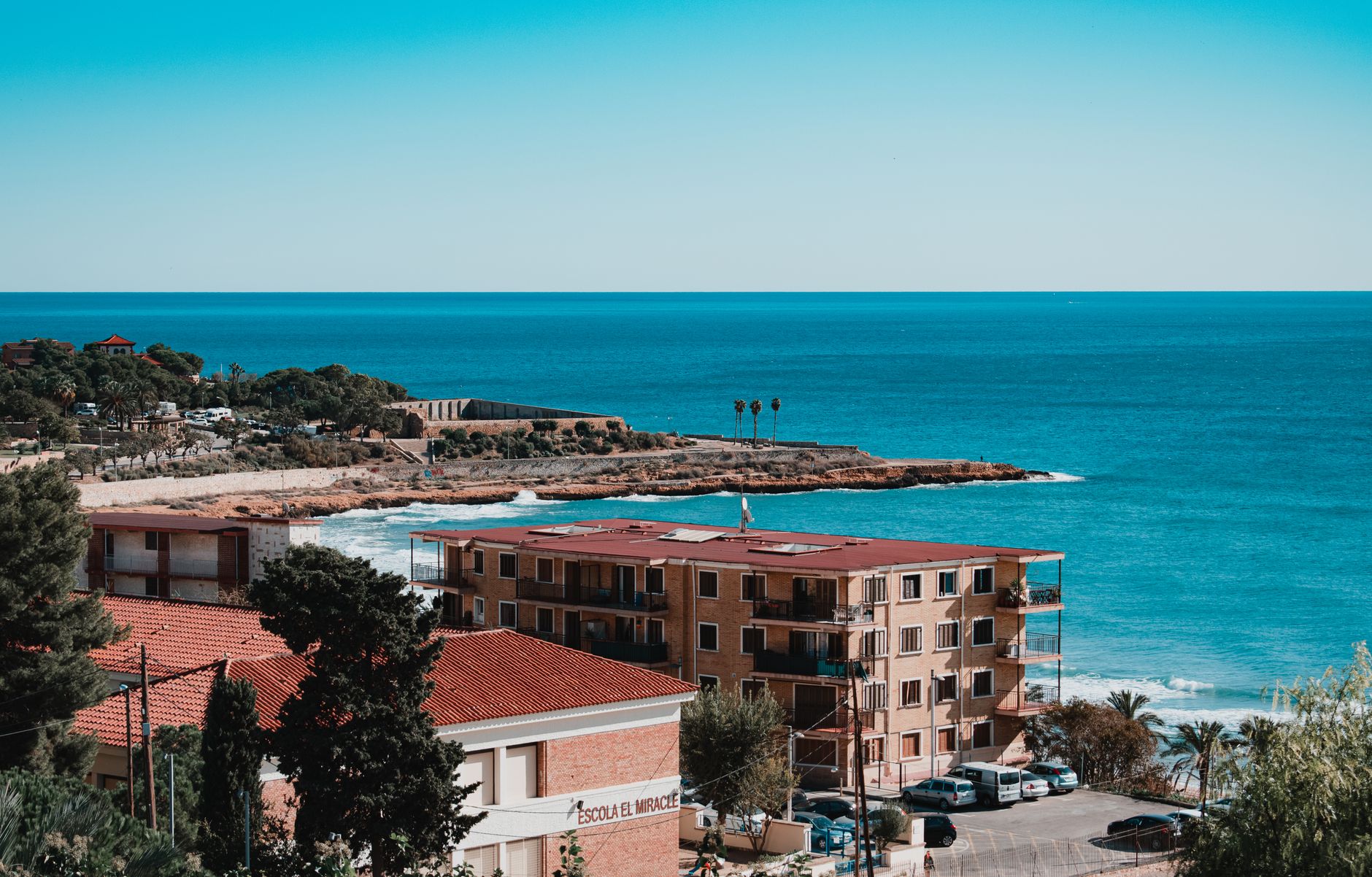
Tarragona sits an hour south of Barcelona by regional train, anchored by first-century Roman monuments stacked directly over the Balearic Sea and an active fishing port. Tarragona is worth visiting if you want ancient stone amphitheaters without tour bus swarms, and fresh romesco stew served beside working trawlers. Look elsewhere if you want high-octane all-night clubs or manicured resort strips with endless soft sand.
Last updated 23 Sept 2026
Build a Tarragona itinerary.
Choose up to 4 threads that pull you in. Your plan arrives organised around them.
We'll craft a 2-lens plan for Tarragona, one collapsible strand per lens.
Coastal Walks
Follow the Camí de Ronda trail north past limestone bluffs to Platja Llarga and the pine-fringed cove of Cala Fonda.
Coastal Walks
Follow the Camí de Ronda trail north past limestone bluffs to Platja Llarga and the pine-fringed cove of Cala Fonda.
Balcony Stroll and Coastal Descent
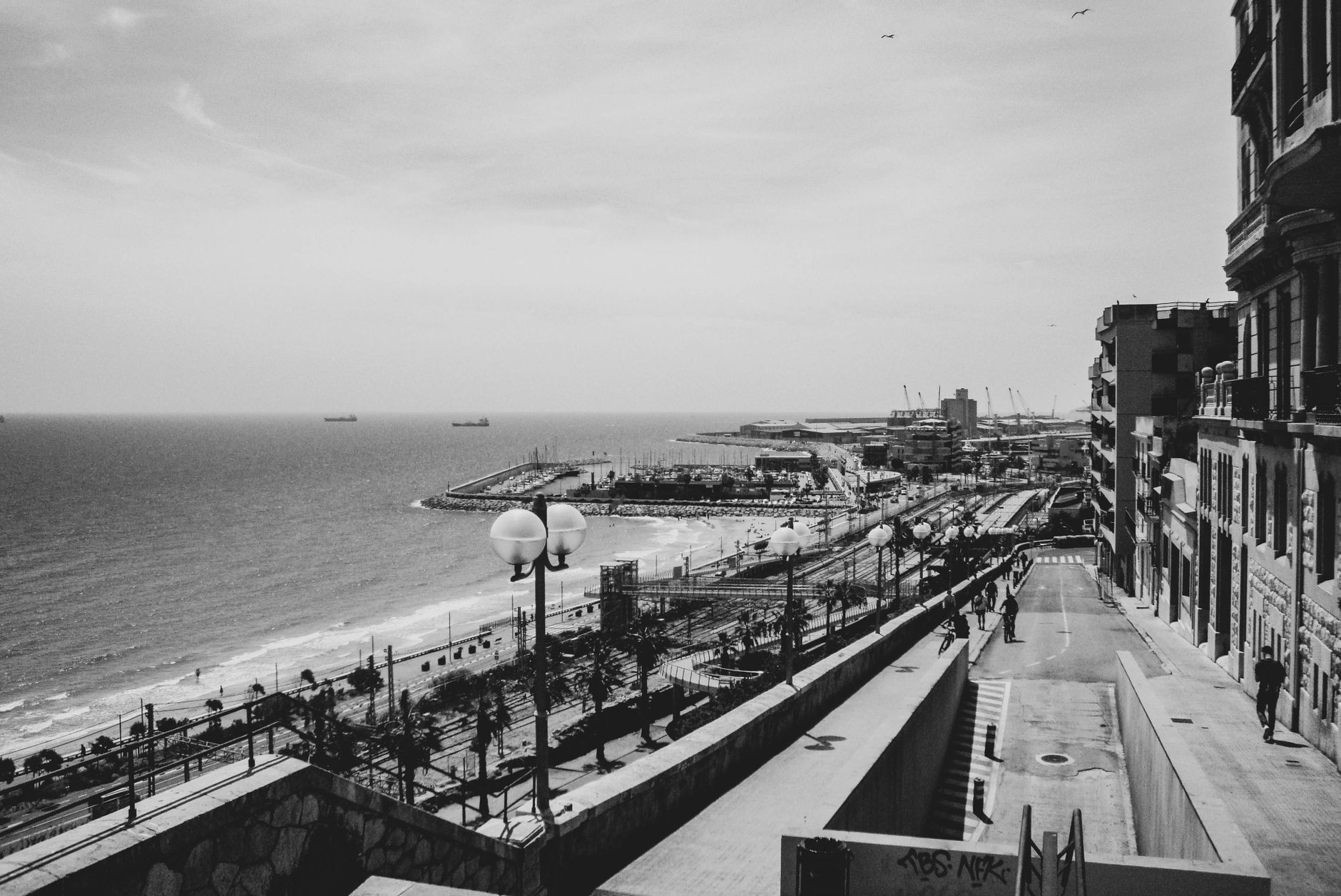
Balcó del Mediterrani
Walk the end of Rambla Nova to the overlook, touch the iron railing, and take the stone footpath down past the Roman amphitheatre to the seafront.
Editor TipTouching the 1889 wrought-iron railing is the local ritual of tocar ferro, offering open vistas across the Balearic Sea and second-century ruins. The seaward stone ramp offers zero shade by midday. Wear sturdy shoes and bring water along.
Tasting Serrallo Fishermans Rice
Restaurant El Llagut
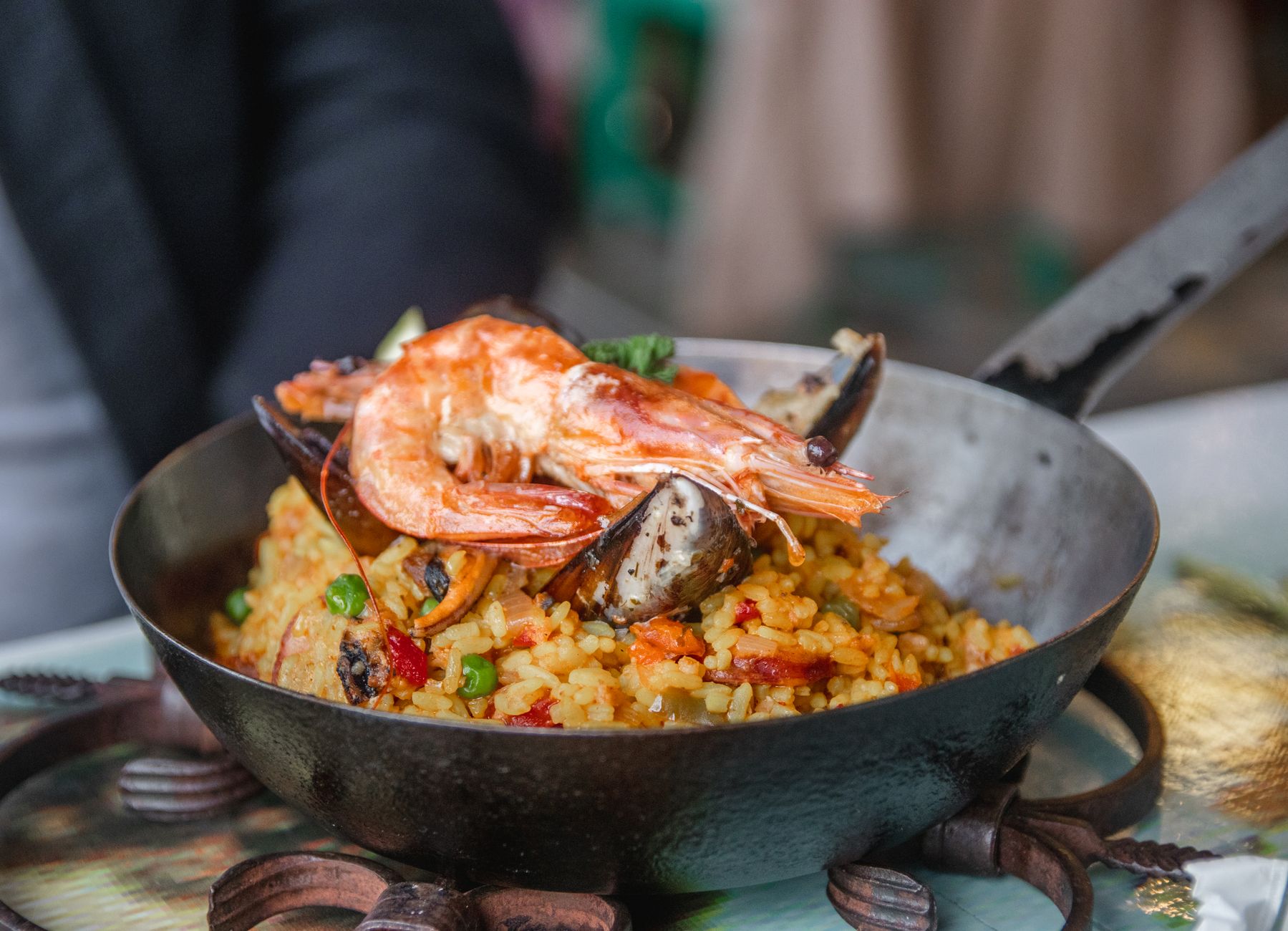
Reserve an outdoor table on Plaça del Rei for 20:00. Order the caldoso rice with cuttlefish and rockfish, alongside a crisp DO Tarragona Macabeu. Expect about 45 euros per person.
Editor TipTarragona coastal cooking relies on romesco, built from toasted hazelnuts, almonds, and dried nyora peppers, providing the earthy backbone for fishermen rices and slow seafood broths. Sit facing the Roman Praetorium tower to watch the evening light hit the second-century sandstone.
Strolling the Breakwater
Passeig de l'Escullera
Walk the four-kilometre flat return path past the marina to the iron lighthouse. Free access; time it for four in the afternoon to watch the trawlers motoring into El Serrallo with the day's catch.
Editor TipBuilt to shield the harbour from easterly storms, this stone dyke has served as Tarragona's contemplative evening walking route since the nineteenth century, flanked by open water and returning gulls. There is zero shade on the pier. Carry water and keep your jacket zipped against the brisk sea wind.
Pine Forest Coastal Trail
Camí de Ronda: Bosc de la Marquesa
Take local EMT bus 12 from central Tarragona to Platja Llarga. Follow the red-and-white GR-92 trail markers northeast toward Tamarit Castle; allow two unhurried hours.
Editor TipThis coastal path stitches together sixteenth-century defensive watchtowers through stone pines, preserved intact after an eccentric marchioness refused resort developers in the 1960s. Wear firm walking shoes; the chalky limestone above Cala Fonda gets polished and surprisingly slick under morning dust.
Clifftop Headland Path
Camí de Ronda de Tamarit
Walk the two-mile coastal dirt path between Platja de la Móra and the eleventh-century castle. Free access, takes ninety minutes. Wear sturdy shoes for the limestone switchbacks.
Editor TipOnce patrolled against Barbary corsairs, this fragrant stretch of the Mediterranean GR-92 hugs maritime pine forests and protected limestone coves. Start ninety minutes before sundown so the golden light hits the castle sandstone just as you round the final headland.
Markets & Produce
Browse modernist Mercat Central for botifarra sausage, calçots in season, and cured cheeses under wrought-iron arches.
Markets & Produce
Browse modernist Mercat Central for botifarra sausage, calçots in season, and cured cheeses under wrought-iron arches.
Market Scouting and Coca Flatbreads
Mercat Central de Tarragona
Walk the iron-framed hall by eight-thirty before the aisles crowd. Grab a counter seat at Bar Carles for a cortado and a warm slice of vegetable coca.
Editor TipOpened in 1915, this Modernist market is the pantry of the city, stocked with Camp de Tarragona produce and fresh catch from the nearby Serrallo docks. Fishmongers expect decisive gestures. Point clearly to the red mullet and step aside gracefully.
Town Market Provisioning
Mercat Municipal de Torredembarra
Walk into town to this honest covered hall on Carrer Pompeu Fabra. Pick up ripe Baix Gaià figs, local goat cheese, and fresh bread for a few euros without any fuss.
Editor TipTorredembarra maintains an unpretentious food culture, where village market counters sell seasonal mantis shrimp and orchard fruit supplied by smallholders across the comarca. Grab a paper bag of roasted Marcona almonds and salt-cured arbequina olives from the corner stall to graze on.
Wildcards
Worth your time whatever brought you here.
Wildcards
Worth your time whatever brought you here.
Tracking the Afternoon Catch
Moll de Costa
Walk twenty minutes south from the upper town to Moll de Costa. Wooden trawlers return around 16:00, landing red prawns and blue fish beside the quiet maritime warehouses.
Editor TipEl Serrallo has supplied Tarragona with seafood since the eighteenth century, preserving a tight-knit maritime community whose daily auction dictates the menus across the entire province. Pull up a stool at any dockside terrace; the stiff sea breeze will clear out whatever remains of the afternoon heat.
Simmered Romesco de Peix
Restaurant Balandra
Book an indoor table for eight fifteen. Order the romesco de peix with monkfish and potatoes, followed by local white wine from DO Tarragona. Expect around forty-five euros per person.
Editor TipBorn on the decks of Serrallo fishing boats, classic romesco relies on a ground paste of dried nyora peppers, toasted hazelnuts, and fried garlic rather than cream, building deep savoury warmth. Do not skip the toasted country bread. Leaving any sauce behind in the clay cazuela is an error of judgement.
Harbor Catch and Trawlers
Llotja de Pescadors de Cambrils
Watch trawlers dock and unload red prawns along Moll de Ponent. Free along the harbor; boats arrive weekdays from 16:00. Budget forty minutes before heading into town.
Editor TipCambrils remains the culinary engine of the Baix Camp, where daily catches go straight from wooden crates onto village restaurant planchas by nightfall. Arrive as the gulls gather over the breakwater; stand near the auction doors to see the monkfish bins up close.
Note from the Editor
“Hit the central market while the produce crates are still cold. Tour groups congregate by the Roman bluffs around eleven, so keep your walking shoes laced and stay ahead of them.”
The Bed
Where to stay in Tarragona
Which part of town to book, and what each one costs you in walking, noise or quiet.
The Comparison
Tarragona, or somewhere near it
The places you are realistically choosing between, and the honest case for each.
The Local Record
Where to read more about Tarragona
The blogs, boards, guides and operators worth bookmarking.
What to do in Tarragona Catalonia Spain
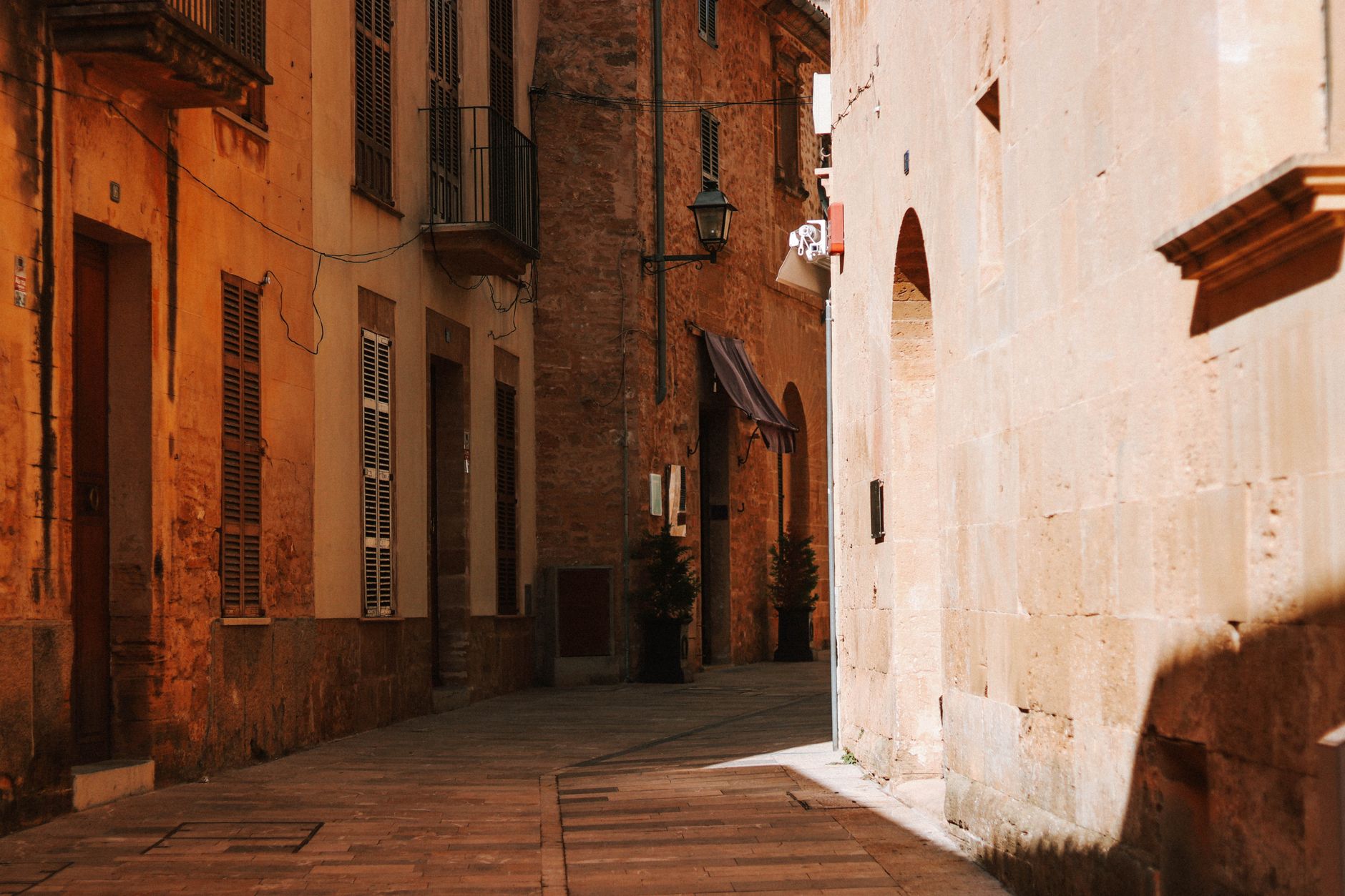
Life here unfolds on a limestone bluff above the sea. You spend the morning tracing Roman walls in the Part Alta old town, the afternoon leaning against a counter with a glass of local vermut on Plaça del Fòrum, and the evening down by the harbour. It suits curious walkers who prefer unvarnished maritime life and archaeological weight over polished resort convenience.
24 hours in Tarragona Catalonia Spain
Start at the Roman amphitheatre as the gates open, then climb through the cathedral cloisters into the Part Alta. Have a plate of grilled cuttlefish at lunch along Carrer dels Cavallers. Finish before dusk with a walk along the Balcó del Mediterrani railing before descending to El Serrallo for seafood. Select 1 Day above to see it.
2 days in Tarragona Catalonia Spain
Dedicate your second morning to the Pont del Diable aqueduct, just a short city bus ride into the pine hills. Return for lunch at Mercat Central, then spend the afternoon taking the Camí de Ronda coastal path toward Cala Fonda for a swim, ending with romesco de peix at a harbour tavern. Choose 2 Days to expand the plan.
3 days in Tarragona Catalonia Spain
A third day lets you hire a car and climb the winding roads into the Priorat wine hills, stopping for tastings in Gratallops and Escaladei. Alternatively, visit the royal tombs inside the fortified monastery of Poblet, stopping in Montblanc for grilled rabbit and aioli on the way back.
Tarragona Catalonia Spain itineraries by interest
Ancient History in Tarragona Catalonia Spain
Walk the second-century amphitheatre beside the waves and follow the subterranean vault of the Roman Circus under Plaça del Rei.
Local Seafood in Tarragona Catalonia Spain
Head to El Serrallo docks for romesco de peix, red prawns, and grilled monkfish hauled in by the afternoon trawler fleet.
Wine & Vineyards in Tarragona Catalonia Spain
Taste mineral Carignan from nearby Priorat and crisp Cartoixà whites from DO Tarragona at wine bars along Carrer Major.
Sacred Architecture in Tarragona Catalonia Spain
Explore the twelfth-century transition from Romanesque to Gothic at the Cathedral of Santa Tecla, built atop an imperial temple.
Markets & Produce in Tarragona Catalonia Spain
Browse modernist Mercat Central for botifarra sausage, calçots in season, and cured cheeses under wrought-iron arches.
City Walls in Tarragona Catalonia Spain
Pace the Passeig Arqueològic, where third-century BC Iberian stone bases support massive Roman defences and Renaissance bastions.
Coastal Walks in Tarragona Catalonia Spain
Follow the Camí de Ronda trail north past limestone bluffs to Platja Llarga and the pine-fringed cove of Cala Fonda.
Traditional Festivals in Tarragona Catalonia Spain
Watch human tower teams build towering castells in Plaça de la Font during the autumn festival of Santa Tecla.
Aqueducts & Engineering in Tarragona Catalonia Spain
Walk the top tier of Pont del Diable, a double-tiered Roman aqueduct preserved across a pine valley four kilometres inland.
Modernist Architecture in Tarragona Catalonia Spain
Spot early twentieth-century ironwork and tiles by Josep Maria Pujol along Rambla Nova and the Casa Salas facade.
Public Squares in Tarragona Catalonia Spain
Order sweet vermut and olives under the plane trees at Plaça del Fòrum, ringed by medieval arches and ancient stone.
Regional Day Trips in Tarragona Catalonia Spain
Drive inland to the Cistercian monastery of Poblet or the dramatic clifftop village of Siurana for mountain olive oil.