


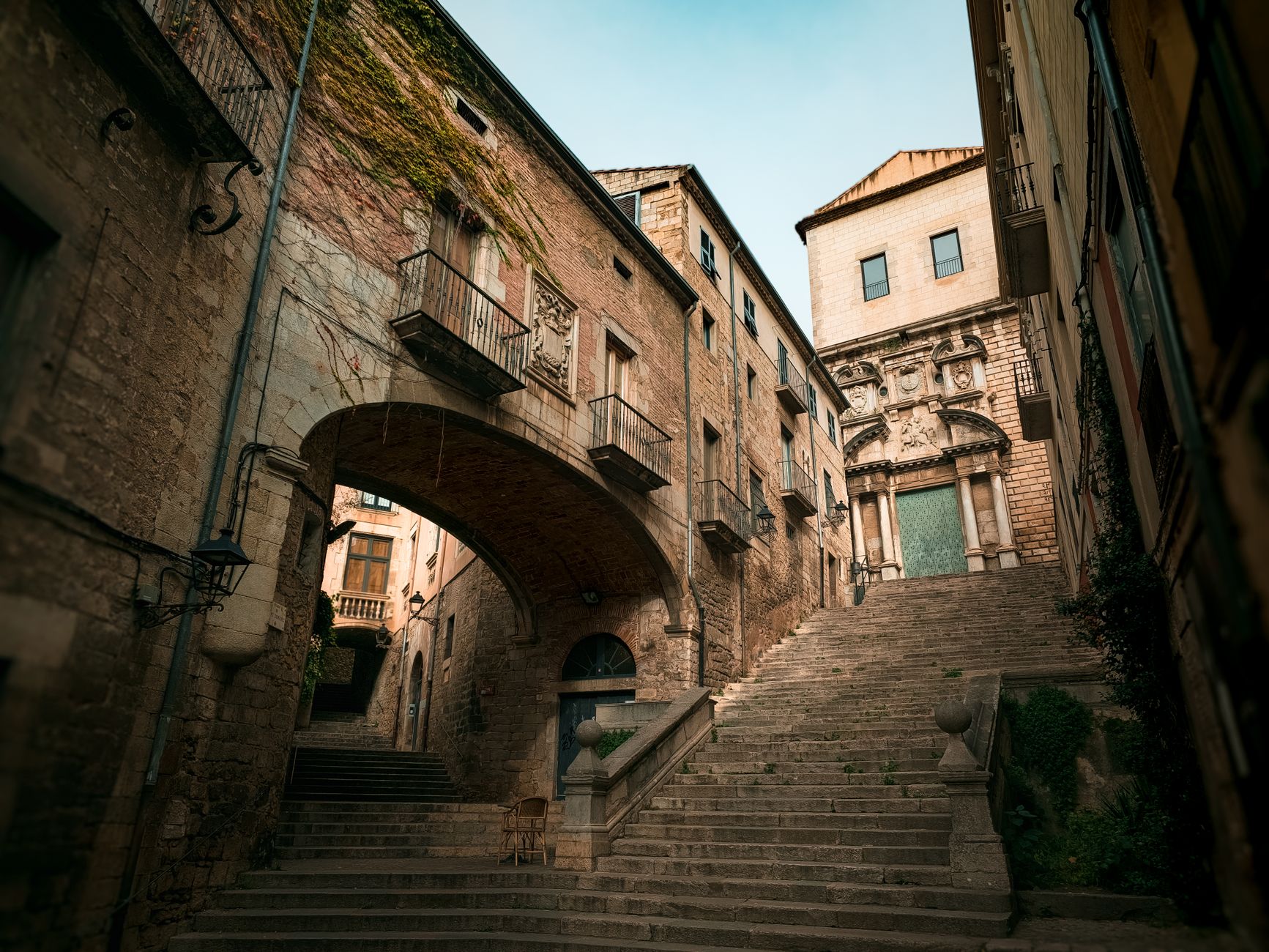
The iron span of the Pont de les Peixateries Velles rattles gently underfoot as you cross the Onyar into the Barri Vell. Pastel facades hang over the water, pale ochre and terracotta mirrored on the slow current. You climb stone ramps cut in the twelfth century, where cool air lingers in the stairways of the Call, before heading down to Plaça de la Independència for a vermut and a paper bag of hot, sugar-dusted xuixos.
Last updated 26 Aug 2026
Build a Girona itinerary.
Choose up to 4 threads that pull you in. Your plan arrives organised around them.
The Bed
Where to stay in Girona
Which part of town to book, and what each one costs you in walking, noise or quiet.
The Comparison
Girona, or somewhere near it
The places you are realistically choosing between, and the honest case for each.
The Local Record
Where to read more about Girona
The blogs, boards, guides and operators worth bookmarking.
What to do in Girona Catalonia Spain
Girona rewards slow, foot-level exploration. The historic core packs Roman foundations, Carolingian walls, and steep stone stairways into a compact footprint easily crossed in twenty minutes. Days naturally fall into a rhythm of morning wall walks, relaxed museum visits, and late afternoon vermouth under the arcades of Plaça de la Independència. It suits travellers who appreciate layered history, outstanding Catalan cooking, and manageable walking distances.
24 hours in Girona Catalonia Spain
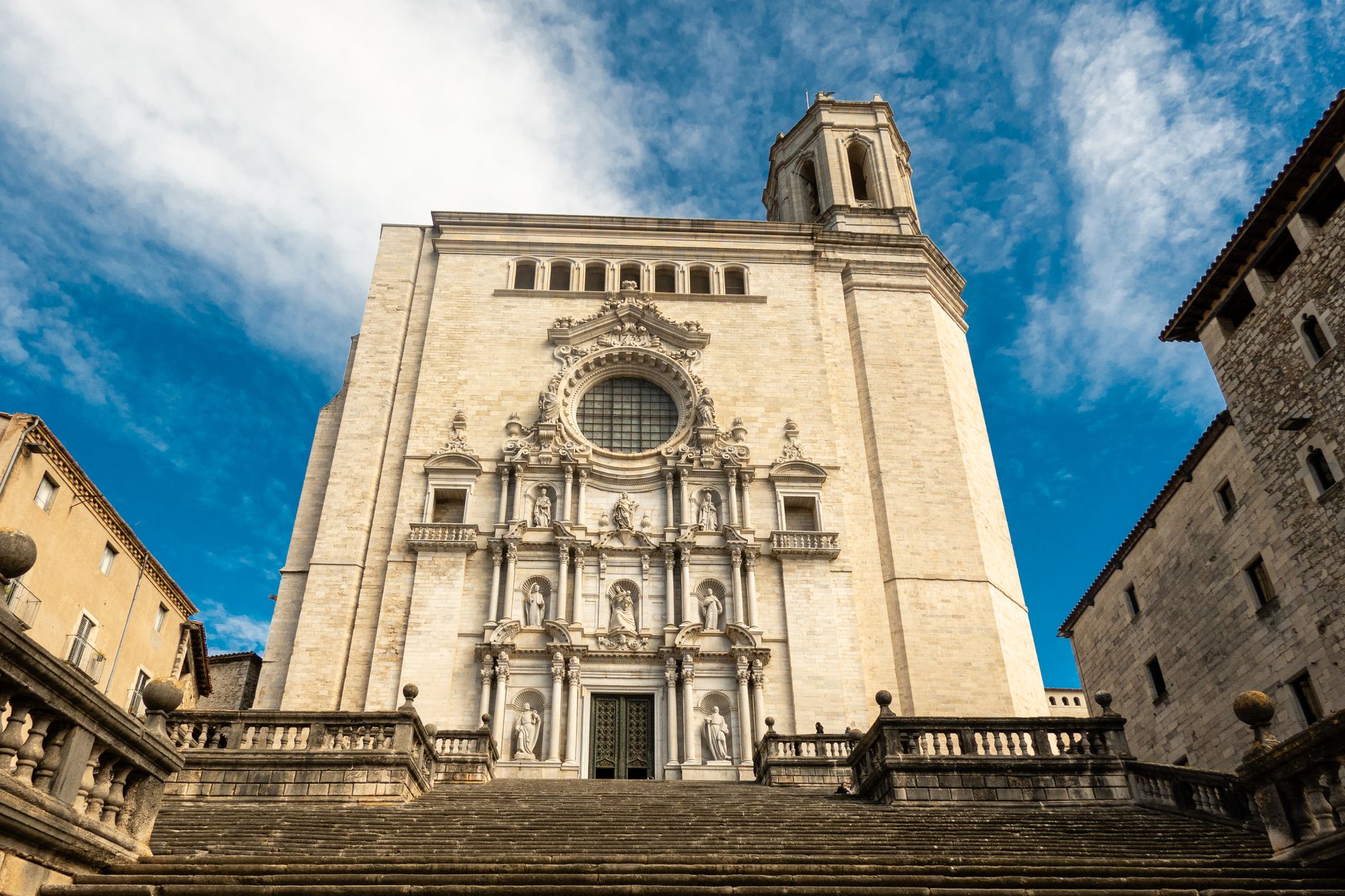
Start before the crowds at the Cathedral steps, then head along the Romanesque Muralla walls for clear mountain views. Grab a quick lunch of botifarra and white beans near the Mercat del Lleó. Spend the afternoon wandering the shady alleys of the Call, crossing Eiffel's red bridge at dusk, and finishing with tapas and local Empordà wine on Plaça del Vi. Select 1 Day above to see it.
2 days in Girona Catalonia Spain
Dedicate your second morning to the Arab Baths and the quiet Romanesque monastery of Sant Pere de Galligants. Cross west into the Mercadal district for a leisurely afternoon of shopping, espresso, and warm xuixos. In the evening, book a table at an upscale Catalan bistro for slow-braised pork cheeks or wild sea bass paired with Priorat reds. Choose 2 Days to expand the plan.
3 days in Girona Catalonia Spain
A third day opens up the surrounding Catalan countryside. Catch the morning bus to the fortified bridge and cobbled lanes of Besalú, or take the train north to Figueres for the Dalí Theatre-Museum. If you prefer quiet nature, rent a road bike to pedal the greenway toward Olot and the volcanic hills of the Garrotxa before returning for a final evening stroll.
Girona Catalonia Spain itineraries by interest
Sacred Architecture in Girona Catalonia Spain
Step into the Cathedral of Saint Mary to see the world's widest Gothic nave, the Romanesque cloister, and the eleventh-century Tapestry of Creation.
Jewish Heritage in Girona Catalonia Spain
Wander the steep stone passages of the Call, stopping at the Museum of Jewish History inside a fifteenth-century synagogue on Carrer de la Força.
City Walls in Girona Catalonia Spain
Walk the elevated path of the Passeig de la Muralla for panoramic views stretching over the terracotta rooftops to the snowcaps of the Pyrenees.
Pastries & Bakeries in Girona Catalonia Spain
Order a hot xuixo filled with crema catalana at Pastisseria Tornés, frying these crisp, sugar-crusted pastries on Carrer de Güell since 1962.
Regional Wine in Girona Catalonia Spain
Sample Empordà DO reds made from Garnatxa and Carinyena grapes alongside dry white blends at casual wine bars tucked behind Plaça del Vi.
Market Stalls in Girona Catalonia Spain
Browse the Mercat del Lleó for cured botifarra dolça, fresh salt cod, wild mushrooms, and ripe wheels of Garrotxa goat cheese from nearby farms.
Tapas & Taverns in Girona Catalonia Spain
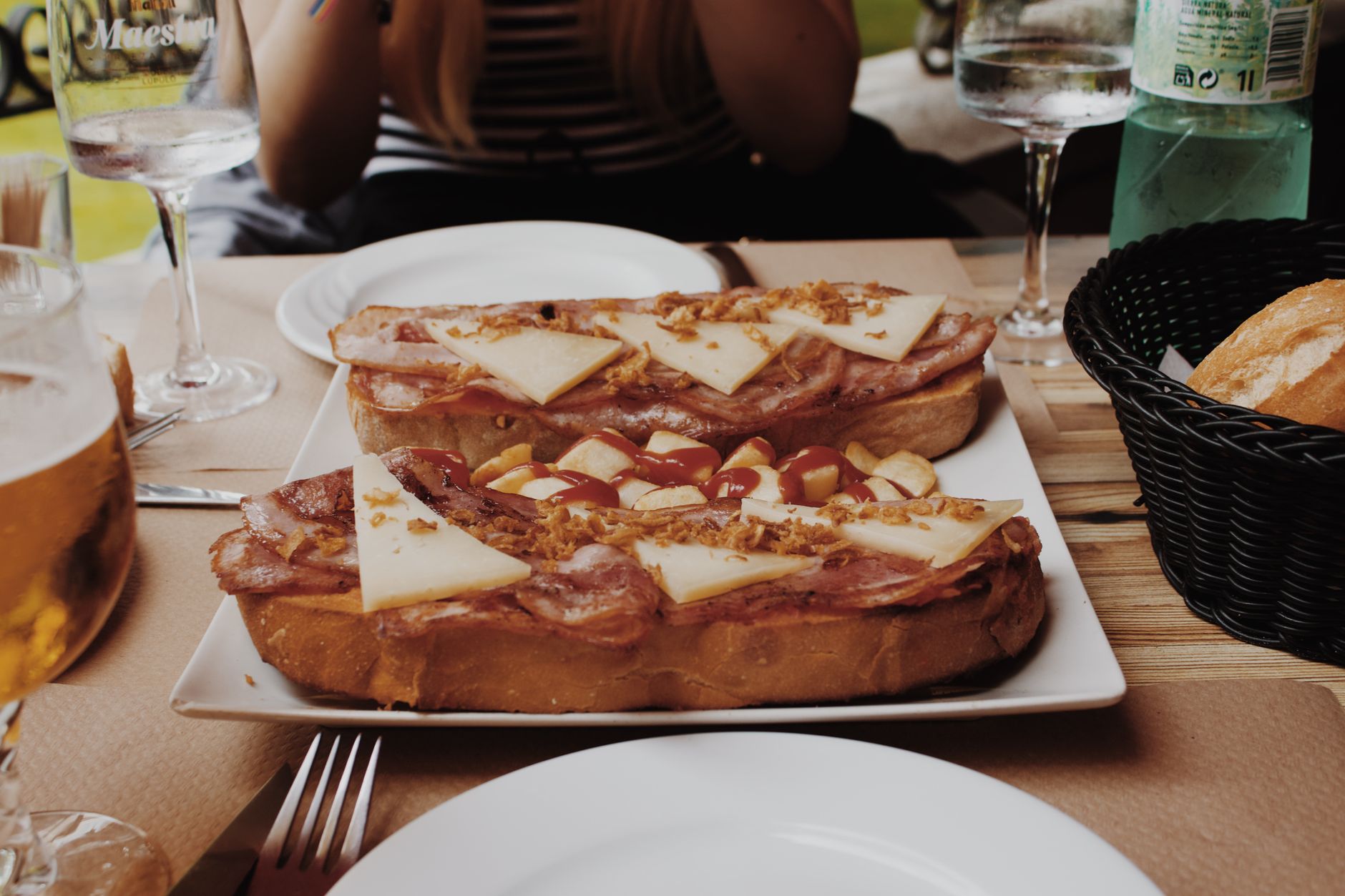
Pull up a stool for patates d'Olot, fried calamari, and a cold draft beer on Plaça de la Independència while the evening crowd gathers at sunset.
Fine Dining in Girona Catalonia Spain
Reserve months ahead for the avant-garde Catalan tasting menus and legendary wine pairings created by the Roca brothers at El Celler de Can Roca.
Baths & Spas in Girona Catalonia Spain
Visit the Arab Baths, a twelfth-century Romanesque public bathhouse featuring an octagonal lantern vault and cold water pool fed by ancient aqueducts.
Cycling Routes in Girona Catalonia Spain
Rent a gravel bike and ride the greenway path of the Vies Verdes toward the volcanic hills of La Garrotxa or the rugged coves of the Costa Brava.
Day Trips in Girona Catalonia Spain
Take a thirty-minute regional train north to Figueres to inspect Salvador Dalí's theatrical museum, or catch a bus to medieval Besalú.
Riverside Walks in Girona Catalonia Spain
Cross the Onyar over Eiffel's red iron footbridge to admire the painted riverfront houses from the quiet paved banks of Carrer de les Ballesteries.