
.jpg)
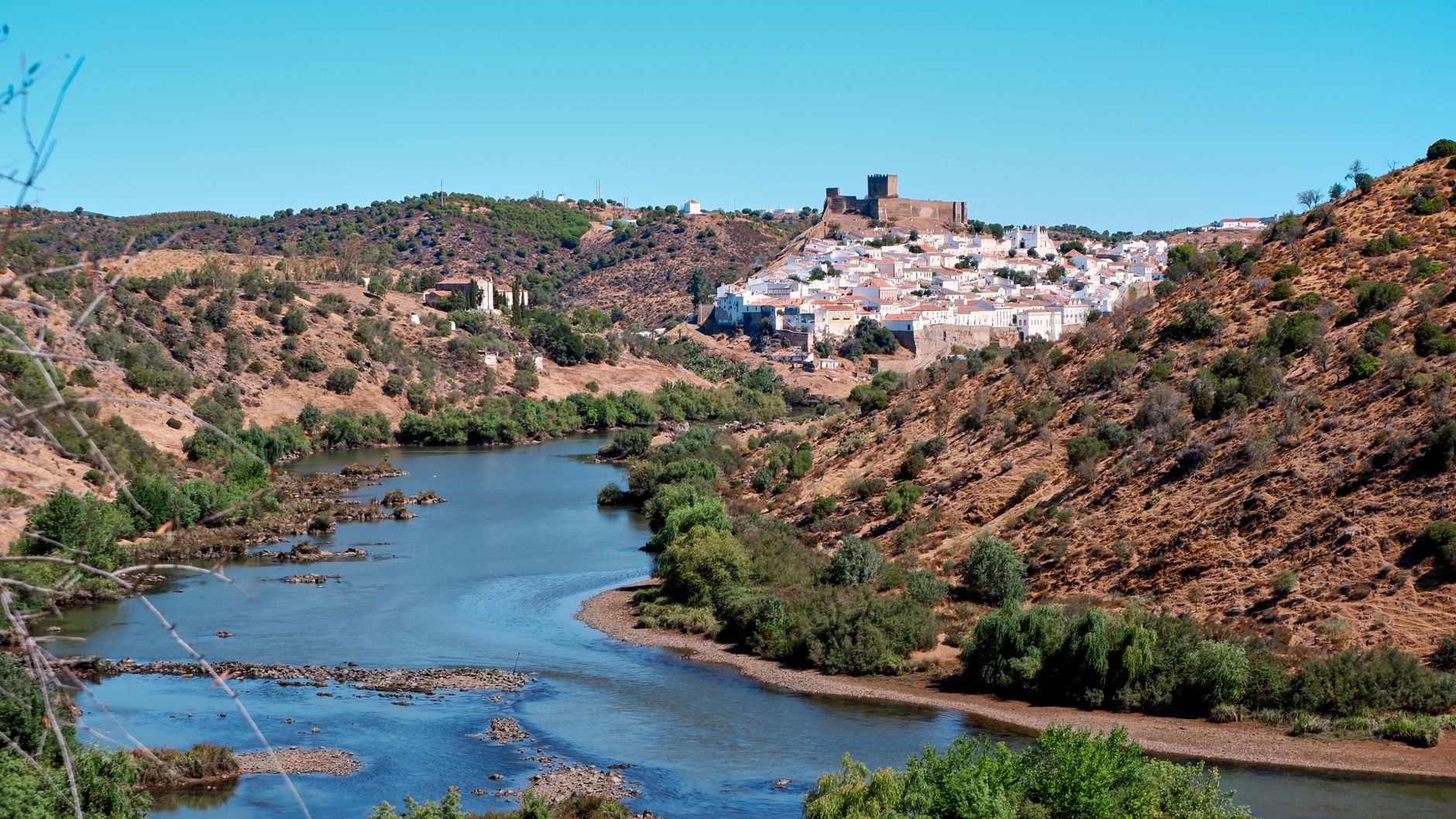
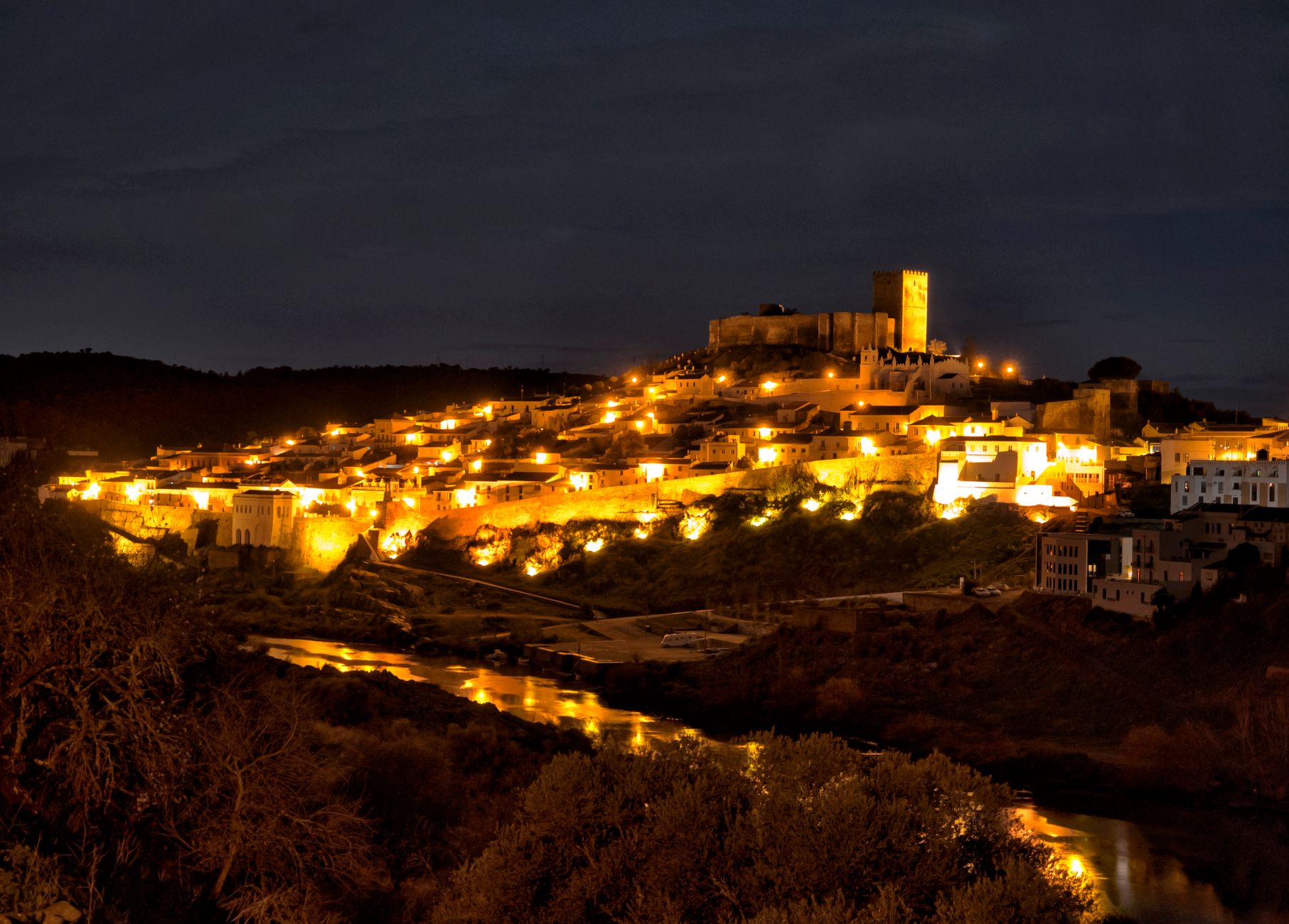

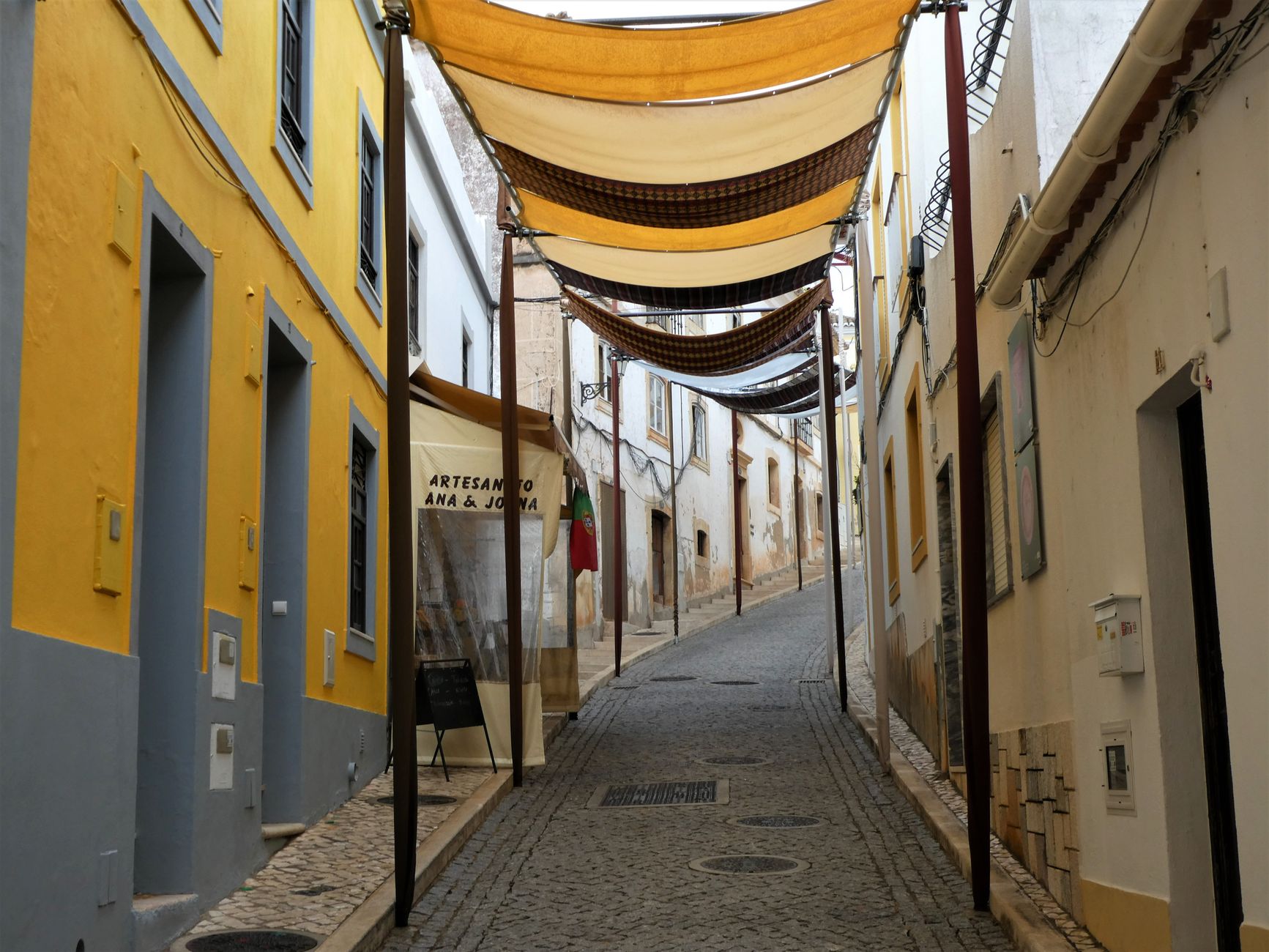
Wheat fields roll away under a hard southern sky before the forty-metre marble keep of the castle rises above the plains. You park outside the Roman walls and walk into quiet limestone streets scrubbed pale by the sun. Life here pivots around shaded café terraces on Praça da República and the monastery parlours where nuns once perfected egg-yolk sweets. It is a slow, self-possessed provincial capital that demands nothing more from you than an appetite for roast pork and a willingness to walk at midday pace.
Last updated 28 Aug 2026
Build a Beja itinerary.
Choose up to 4 threads that pull you in. Your plan arrives organised around them.
The Bed
Where to stay in Beja
Which part of town to book, and what each one costs you in walking, noise or quiet.
The Comparison
Beja, or somewhere near it
The places you are realistically choosing between, and the honest case for each.
The Local Record
Where to read more about Beja
The blogs, boards, guides and operators worth bookmarking.
What to do in Beja Alentejo Portugal
Beja is laid out neatly within its old defensive ring, making it easy to navigate on foot without a rigid schedule. Days here settle around the castle, the quiet regional museum, and long lunches in unvarnished tascas. It suits travellers who appreciate agricultural depth, Visigothic history, and generous portions of pork and migas over frantic sightseeing. Take your time along Rua das Portas de Mértola.
24 hours in Beja Alentejo Portugal
Start at the Torre de Menagem at 09:30 before the heat builds, then walk five minutes to the Museu Regional for Manueline cloisters. Lunch on ensopado de borrego at Adega Típica A Pipa. Spend the afternoon around Praça da República with a pastry at Luiz da Rocha, ending with local red wine by the Roman gates. Select 1 Day above to see it.
2 days in Beja Alentejo Portugal
A second day lets you drive fifteen minutes south to the Roman villa ruins at Pisões, where fourth-century mosaic floors sit in peaceful farm fields. Return for a meal of wild mushrooms and grilled secreto de porco preto in town, then seek out the Visigothic collection inside Santo Amaro. Choose 2 Days to expand the plan.
3 days in Beja Alentejo Portugal
With three days, take the thirty-minute run east to Serpa to buy pungent wheels of cured sheep cheese, or head south down the Guadiana valley to the river port of Mértola. You will return to Beja in time for an evening stroll along the ramparts as the sunset turns the plains amber.
Beja Alentejo Portugal itineraries by interest
Historic Fortifications in Beja Alentejo Portugal
Climb the 183 granite steps of the 14th-century Torre de Menagem for sweeping views across the Baixo Alentejo cereal plains.
Confectionery Traditions in Beja Alentejo Portugal
Taste trouxas de ovos and queijadas de requeijão at Pastelaria Luiz da Rocha, baked from 16th-century Franciscan convent recipes.
Local Meat in Beja Alentejo Portugal
Seek out carne de porco à alentejana with clams and migas made from stale bread and seasoned Alentejano black pork at Adega Típica 25 de Abril.
Sacred Architecture in Beja Alentejo Portugal
Visit the Convent of Nossa Senhora da Conceição, rich in Manueline carving, gilded woodwork, and 16th-century Moorish-style azulejo tiles.
Wine & Vineyards in Beja Alentejo Portugal
Sip earthy Trincadeira reds and mineral-driven Antão Vaz whites at nearby cellars in the Vidigueira sub-region just north along the IP2.
Archaeology in Beja Alentejo Portugal
Walk among the Roman mosaics, bath complexes, and olive-press ruins at the Villa Romana de Pisões, ten kilometres southwest of town.
Regional Markets in Beja Alentejo Portugal
Browse sheep cheeses, cured chouriço, wild asparagus, and regional honey at the Saturday morning stalls in the Mercado Municipal.
Museums & History in Beja Alentejo Portugal
Explore Visigothic carved pillars and Iberian artifacts inside the pale Romanesque interior of the 6th-century Church of Santo Amaro.
Day Trips in Beja Alentejo Portugal
Head east to Serpa for raw sheep's milk cheese and thick stone ramparts, or south to the dramatic white river gorge at Mértola.
Traditional Pottery in Beja Alentejo Portugal
Pick up hand-painted terracotta bowls and traditional clay cooking pots in the artisan workshops of nearby Beringel.
Town Plazas in Beja Alentejo Portugal
Order a bica under the Renaissance arcade of Praça da República, watching storks nest atop the weathered brick bell tower.
Olive Oil & Crops in Beja Alentejo Portugal
Sample peppery Galega extra virgin olive oils pressed from vast ancient groves across the lower Alentejo basin.