.jpg)
.jpg)
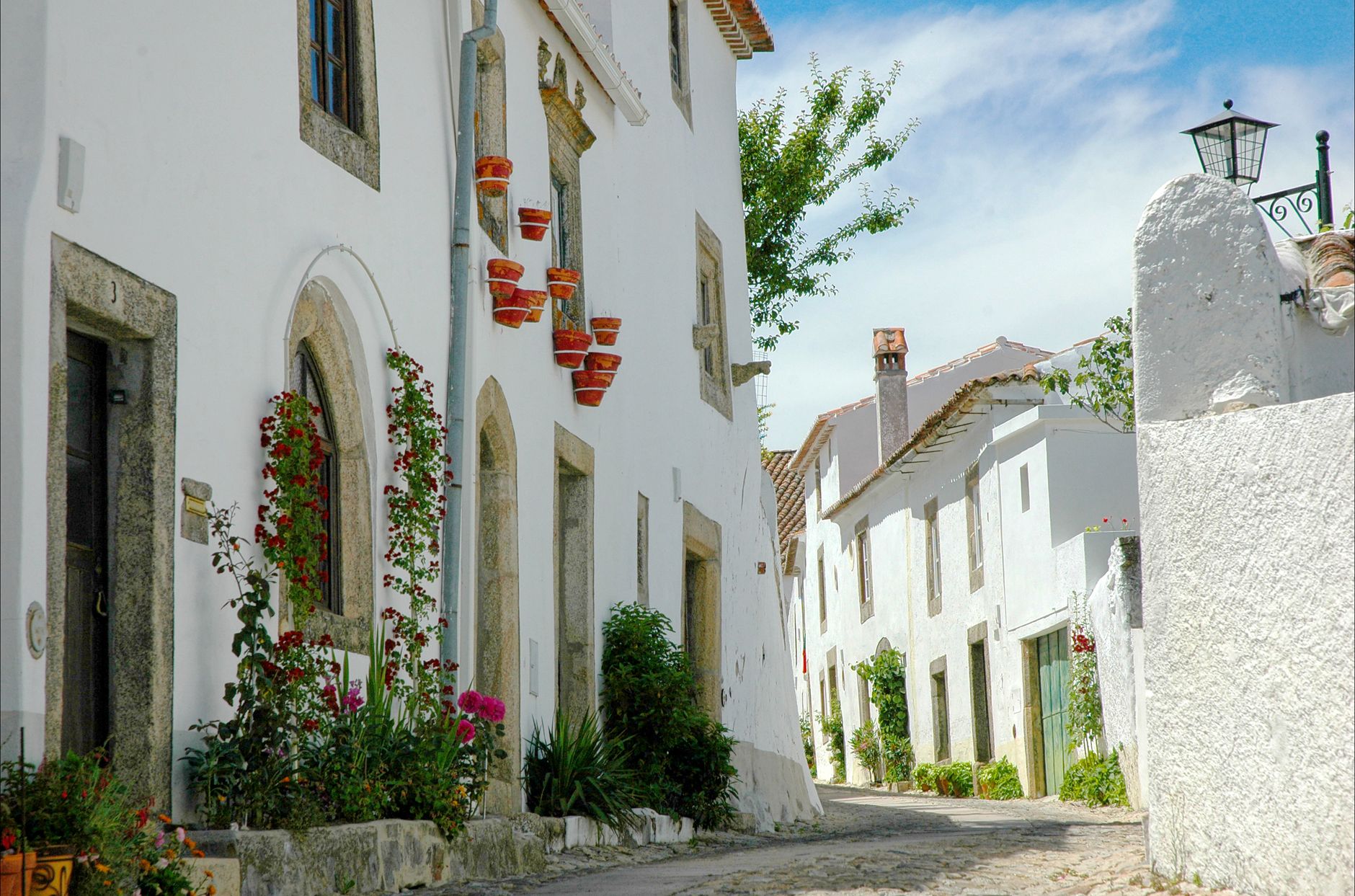

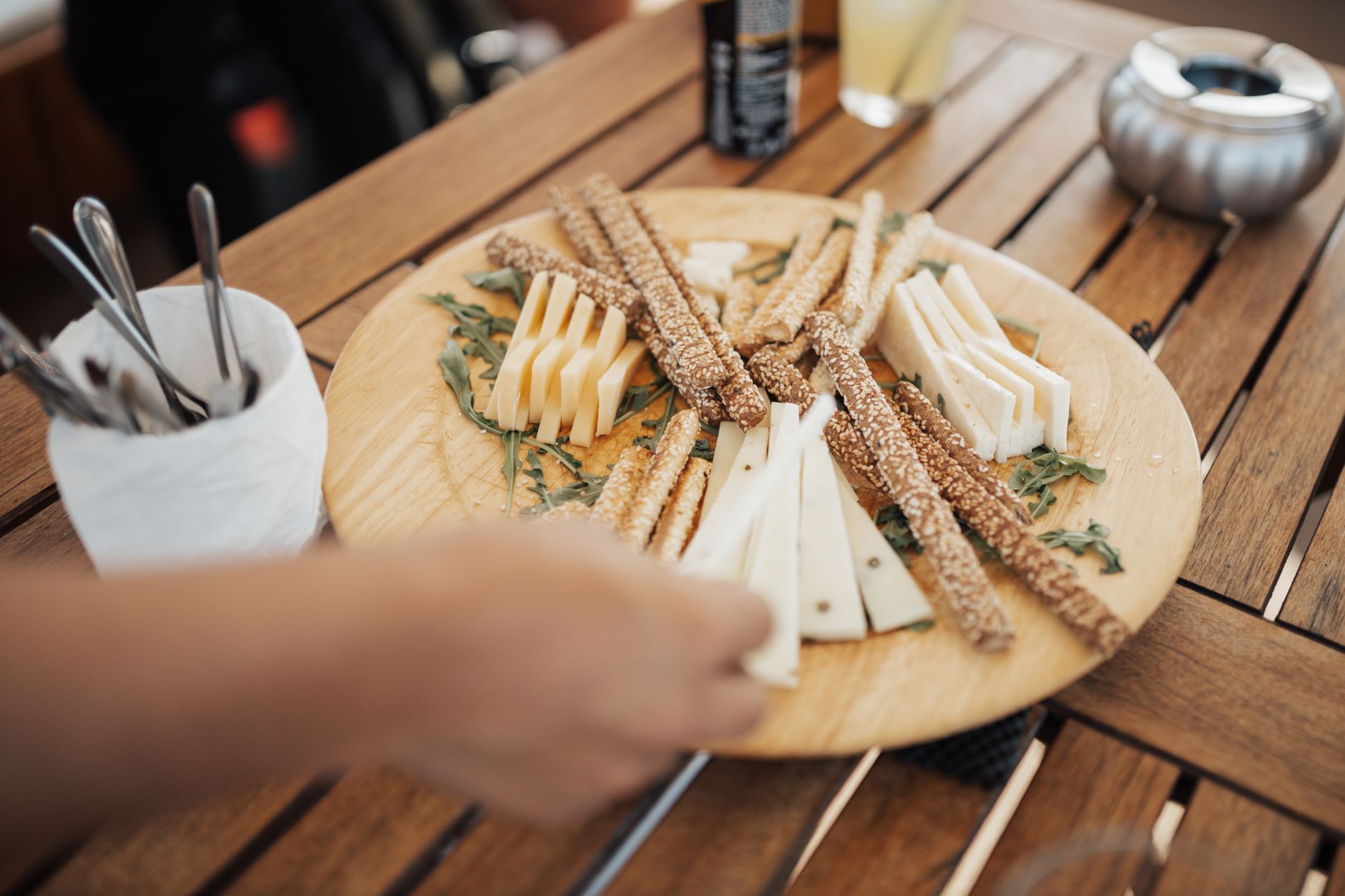
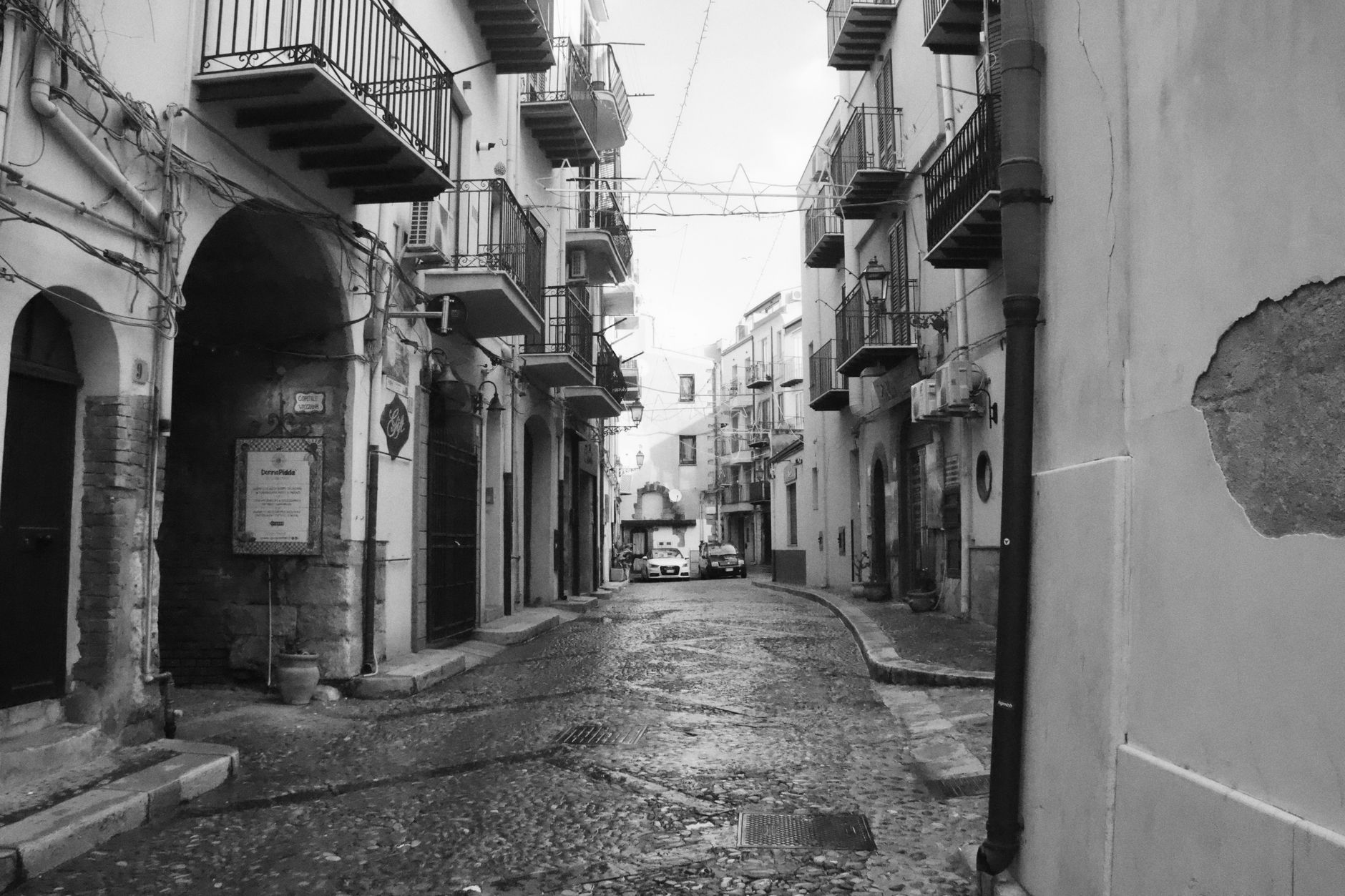
Estremoz sits ninety minutes east of Lisbon along the A6 motorway, rising above the central Alentejo plains as a fortress of pink-veined white marble. The town is built around quarried stone, deep red clay pottery, and centuries of border warfare with Spain. Estremoz is worth visiting if you want to drink dense Trincadeira reds, eat slow-stewed black pork in old taverns, and browse farm markets in vast open squares. Look elsewhere if you want late-night clubbing, fast public transit, or relief from dry inland summer heat.
Last updated 27 Sept 2026
Build a Estremoz itinerary.
Choose up to 4 threads that pull you in. Your plan arrives organised around them.
Your lenses changed — refresh to reweave Estremoz around Day Trips.
Marble Heritage
Marble Heritage
Morning Bica and Pastry
Café Águias d'Ouro
Take a seat at this 1908 Art Nouveau room on the main square. Order a bica and an empada de galinha or regional pastry at the counter; no booking required.
Editor TipRossio Marquês de Pombal is one of Portugal's grandest open squares, edged with local marble where townsfolk have gathered for morning business since the thirteenth century. Wear rubber-soled shoes; the calçada stones around the square become exceptionally slick in the morning damp.
Climbing the Marble Citadel
Castelo de Estremoz
Walk up through the lower medieval gates to the upper ward. Enter the 27-metre Torre das Três Coroas through the pousada hall; allow roughly an hour.
Editor TipBuilt in the thirteenth century under King Dinis from locally quarried white marble, this fortress formed the military backbone of the central Alentejo frontier. The internal stone steps inside the keep are steep and tall. Take them slowly and mind your footing.
Dining Beside the Charcoal Hearth
Tasca do Isaías
Line up outside the whitewashed doorway by 19:15. Order the secretos de porco preto and house red from the barrel. Dinner runs around fifteen euros cash.
Editor TipThis former marble-cutters' tavern preserves Alentejo working-class dining with communal benches, smoky charcoal braziers, and simple bread migas. Do not bother asking for a menu. Isaías will point at the refrigerated counter and decide your dinner for you.
Examining Ducal Marble Facades
Paço Ducal de Vila Viçosa
Buy your ticket at the gate for ten euros. Walk the 110-metre facade of Rosa Aurora marble, then spend an hour inside viewing the sixteenth-century tilework and armory.
Editor TipThis Renaissance palace was the seat of the House of Braganza, clad entirely in local stone cut from the surrounding quarries that still supply half of Portugal's exports. Arrive right at opening to photograph the vast marble square before the tour buses roll in from Évora.
Sacred Art
Sacred Art
Observing Sacred Clay Sculpting
Centro UNESCO para a Salvaguarda do Boneco de Estremoz
Step into the workshop facing the Rossio. Entry is free, and masters demonstrate the 17th-century technique of modelling clay saints and nativity scenes from Tuesday to Sunday.
Editor TipEstremoz clay figures earned UNESCO status in 2017. Artisans still shape the distinct local red clay by hand, firing and painting biblical and pastoral archetypes using centuries-old tempera palettes. Bring small cash notes if you wish to purchase a signed figure directly from the artisan at the workbench.
Day Trips
Drive fifteen minutes to the marble castle of Vila Viçosa or twenty minutes south to the fortified border battlements of Monsaraz.
Day Trips
Drive fifteen minutes to the marble castle of Vila Viçosa or twenty minutes south to the fortified border battlements of Monsaraz.
Charcoal Pork Among Clay Talhas
Adega do Isaías
Arrive by 19:30 to secure a wooden bench. Order the grilled black pork ribs and house red poured straight from clay amphorae. Cash only, around fifteen euros per person.
Editor TipCenturies of Alentejo farm dining survive here without modern compromise, centered on porco preto fed on cork-oak acorns and rustic wines fermented in ancient clay vessels. Do not skip the house bread and sheep curd cheese set down first; they charge small change and earn it.
Surveying Manueline Marble Altars
Igreja de São Francisco
Wander inside this 13th-century convent church on the southern flank of the Rossio. It is open mornings until 12:30 PM with free entry. Allow thirty unhurried minutes inside.
Editor TipThe church showcases Estremoz rosa marble in its high Gothic pillars, holding an elaborate gilded 18th-century Tree of Jesse and intricate blue azulejo panels depicting Franciscan hagiography. Step back toward the nave to view how local white marble veins catch the late morning sunlight filtering down.
Moulding Estremoz Clay Figurines
Centro de Valorização do Boneco de Estremoz
Walk into the workshop on Rua de Santa Catarina. Admission is free, and you can watch artisans paint the fired terracotta for twenty minutes.
Editor TipDating to the seventeenth century, these satirical earthenware figurines earned UNESCO status for recording everyday Alentejo shepherds, local trades, and spring fairs. Look for the Primavera figure; her floral mantle requires five distinct coats of hand-mixed tempera.
Deciphering Fortified Gothic Murals
Santuário de Nossa Senhora da Boa Nova
Drive twenty minutes south to Terena. Park below the battlemented ramparts; the guardian usually holds the heavy iron key at the adjoining hermitage house.
Editor TipBuilt in the fourteenth century, this rare fortified sanctuary blends defensive military turrets with vivid Manueline and Gothic rib vaulting and painted biblical frescoes. If the chapel doors look locked, ask politely at the adjacent cottage; a small cash donation is appreciated.
Wildcards
Worth your time whatever brought you here.
Wildcards
Worth your time whatever brought you here.
Clay Pot Pork and Migas
Restaurante Narciso Moedas
Walk in around eight or reserve by phone for dinner. Order the carne de porco à alentejana and ask for a slice of sericaia topped with Elvas plums for dessert.
Editor TipAlentejo cooking relies on black pig fed on holm oak acorns, stale bread soaked in garlic lard, and earthenware vessels that hold steady heat over wood coals. Pair the pork with a robust Trincadeira red from the neighbouring cooperative in Borba.
Note from the Editor
“Tackle the upper citadel before the marble stones start radiating the Alentejo heat. The view from King Dinis's keep is best while the morning light is sharp and the streets are quiet.”
The Bed
Where to stay in Estremoz
Which part of town to book, and what each one costs you in walking, noise or quiet.
The Comparison
Estremoz, or somewhere near it
The places you are realistically choosing between, and the honest case for each.
The Local Record
Where to read more about Estremoz
The blogs, boards, guides and operators worth bookmarking.
What to do in Estremoz Alentejo Portugal
Estremoz splits neatly into two halves: a sleepy, whitewashed citadel crowned with a fourteenth-century marble keep up top, and a broad lower town built around the massive Rossio Marquês de Pombal. Days here revolve around the pace of the kitchen. Morning coffee near the market fountain turns into long lunches of lamb stew, followed by an afternoon stroll along stone ramparts. It suits travellers who appreciate unhurried provincial rhythms and honest regional food.
24 hours in Estremoz Alentejo Portugal
Begin at the top of the hill, climbing the Torre de Menagem for sweeping views across the plains. Walk down through the medieval alleys to Rossio Marquês de Pombal for a lunch of porco preto and migas at Mercearia Gadanha. Spend the late afternoon admiring the tilework in the Convento de São Francisco before settling in with a glass of local Alicante Bouschet. Select 1 Day above to see it.
2 days in Estremoz Alentejo Portugal
Spend morning two exploring the marble quarry landscape around Pardais, then head ten miles east to Vila Viçosa to visit the Ducal Palace of the Braganza monarchs. Return to Estremoz for an evening meal of ensopado de borrego paired with crisp white Antão Vaz wine in a family tavern along Rua da Frandina. Choose 2 Days to expand the plan.
3 days in Estremoz Alentejo Portugal
Use your third day to drive through the ancient holm oak savannah to the hilltop village of Evoramonte, famous for its odd Italianate keep. Continue to Borba for rustic clay-amphora talha wines, then finish back in Estremoz with a slice of cinnamon-dusted sericaia cake served with sweet preserved Elvas plums.
Estremoz Alentejo Portugal itineraries by interest
Markets & Produce in Estremoz Alentejo Portugal
Arrive on Saturday morning at Rossio Marquês de Pombal for sheep cheeses, cured chouriço, seasonal figs, and live poultry sold by local farmers.
Local Wine in Estremoz Alentejo Portugal
Sample full-bodied reds made from Alicante Bouschet, Aragonez, and Trincadeira at Quinta do Carmo or Tiago Cabaço cellars.
Meat Traditions in Estremoz Alentejo Portugal
Order carne de porco à alentejana with clams, bochechas de porco preto stewed in red wine, and cured presunto at traditional tascas.
Craft Traditions in Estremoz Alentejo Portugal
Watch artisans shape UNESCO-recognized painted terracotta Bonecos de Estremoz figurines and unglazed earthenware pots in the upper town.
Fortified Heritage in Estremoz Alentejo Portugal
Walk the 13th-century ramparts of the Castelo de Estremoz and climb the 28-meter Torre das Três Coroas carved entirely from white marble.
Sacred Architecture in Estremoz Alentejo Portugal
Visit the Convent of São Francisco and the marble facade of Santa Maria church inside the fortified citadel for quiet historic views.
Geology & Stone in Estremoz Alentejo Portugal
Tour the working marble quarries of the Estremoz Anticline to see massive slabs of rosa and white stone cut straight from the earth.
Traditional Dining in Estremoz Alentejo Portugal
Eat ensopado de borrego, migas with spare ribs, and açorda d'alho inside tile-lined tabernas along Rua do Almeida.
Convent Sweets in Estremoz Alentejo Portugal
Seek out gadanha egg-yolk desserts, sericaia cake dusted with cinnamon, and Elvas candied plums at local pastelarias around the main square.
Day Trips in Estremoz Alentejo Portugal
Drive fifteen minutes to the marble castle of Vila Viçosa or twenty minutes south to the fortified border battlements of Monsaraz.
Country Walks in Estremoz Alentejo Portugal
Follow quiet farm tracks through holm oak montado forests, rolling olive groves, and vineyards across the surrounding Alentejo countryside.
Regional Museums in Estremoz Alentejo Portugal
Examine antique tiles and rural craft tools at the Municipal Museum Professor Joaquim Vermelho inside the upper citadel walls.