.jpg)


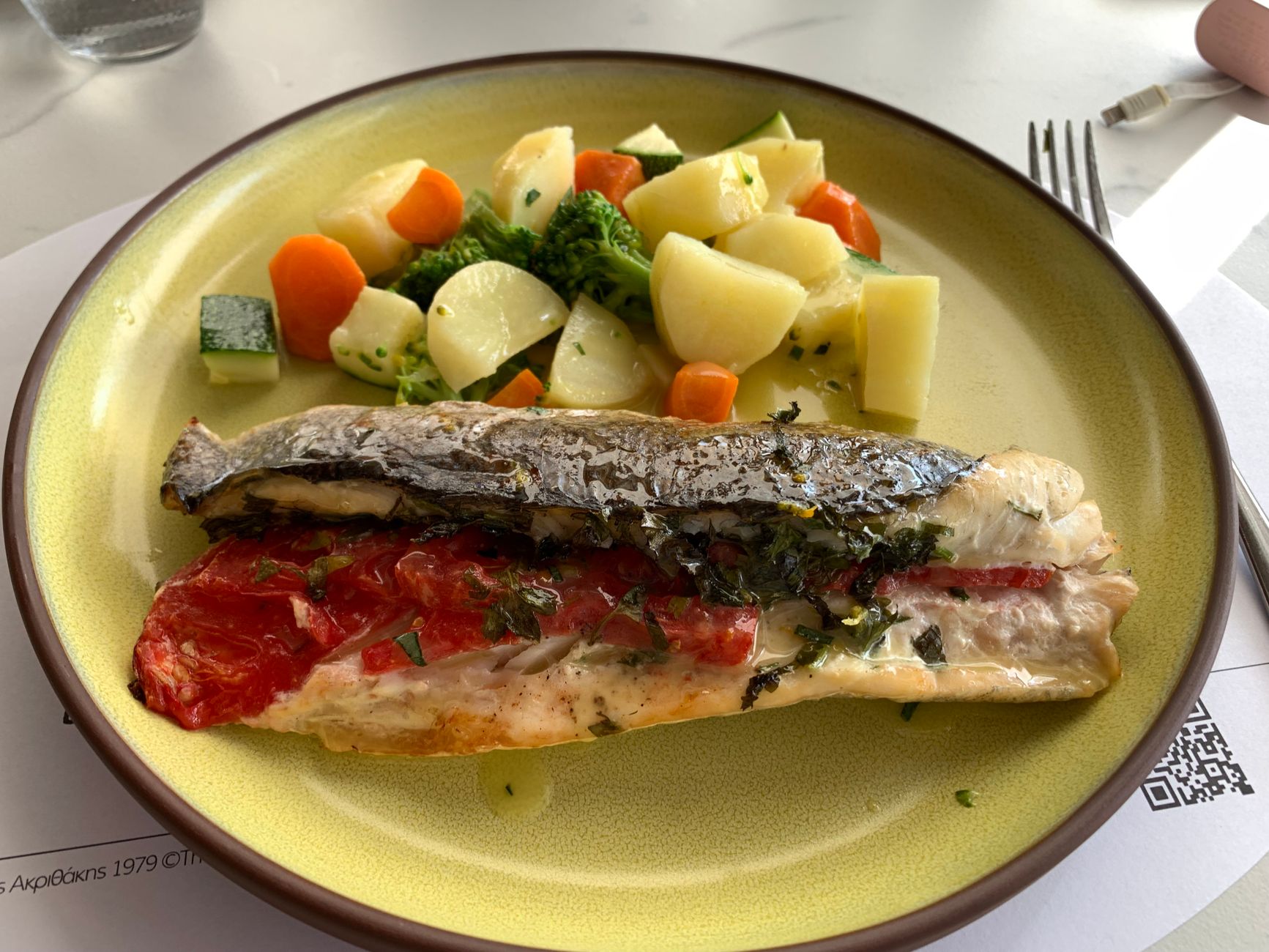
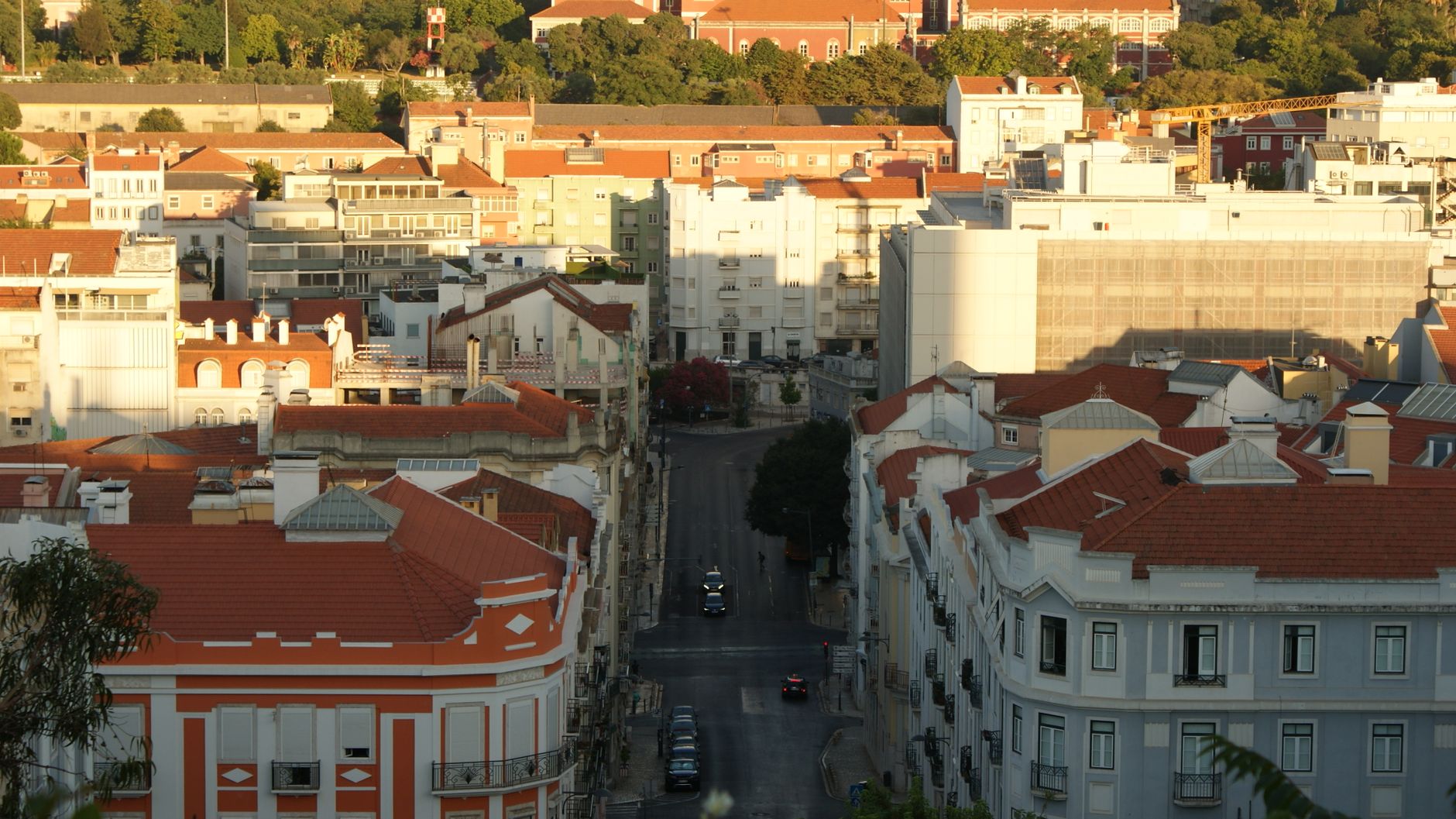
Sitting two hours east of Lisbon and twelve miles from Spain, Elvas holds Europe's largest bulwark dry-ditch fortifications, framed by the massive Amoreira Aqueduct. The town centers on defensive military architecture and deep Alentejo culinary traditions. Elvas is worth visiting if you want to walk monumental seventeenth-century star forts and eat braised black pork in quiet stone alleys. Look elsewhere if you want late-night clubs, Atlantic beaches, or flat terrain.
Last updated 21 Sept 2026
Build a Elvas itinerary.
Choose up to 4 threads that pull you in. Your plan arrives organised around them.
The Bed
Where to stay in Elvas
Which part of town to book, and what each one costs you in walking, noise or quiet.
The Comparison
Elvas, or somewhere near it
The places you are realistically choosing between, and the honest case for each.
The Local Record
Where to read more about Elvas
The blogs, boards, guides and operators worth bookmarking.
What to do in Elvas Alentejo Portugal
Elvas rises from the Alentejo plain behind layers of ditch and stone. Life here centers on the tiled square of Praça da República, moving slowly between morning coffee, heavy lunches of lamb stew, and late-afternoon walks along the ramparts. It suits travelers who love military engineering, layered history, and hearty frontier cooking away from tourist crowds.
24 hours in Elvas Alentejo Portugal
Start early at the monumental Forte de Nossa Senhora da Graça before the heat sets in. Walk back into town beneath the Aqueduto da Amoreira for a lunch of migas and fried pork at Adega Regional. Spend the afternoon exploring the medieval castle walls, finishing with a plate of sericaia pudding in the main square. Select 1 Day above to see it.
2 days in Elvas Alentejo Portugal
Dedicate the morning to the star bastions of Forte de Santa Luzia and the military museum. In the afternoon, take the short drive out to the forgotten riverside fort of Juromenha overlooking the Guadiana. Dine on ensopado de borrego, a fragrant lamb stew served over dense country bread, at a quiet side-street taberna. Choose 2 Days to expand the plan.
3 days in Elvas Alentejo Portugal
Use your base to explore the olive presses of Campo Maior and the marble quarries of Vila Viçosa, just thirty minutes west. Return to Elvas to walk the quiet ramparts above the Portas de São Vicente at sunset, when the limestone battlements glow pink against the vast plains stretching into Extremadura.
Elvas Alentejo Portugal itineraries by interest
Military Architecture in Elvas Alentejo Portugal
Explore the seventeenth-century star-shaped ramparts of Forte de Santa Luzia and the hilltop crown of Forte de Nossa Senhora da Graça.
Regional Cuisine in Elvas Alentejo Portugal
Order carne de porco à alentejana with clams, or pork tenderloin stewed with local preserved plums at tabernas near Praça da República.
Historic Aqueducts in Elvas Alentejo Portugal
Follow the four tiers of granite arches along the four-mile Aqueduto da Amoreira, completed in 1622 to supply the besieged garrison town.
Sacred Sites in Elvas Alentejo Portugal
Visit the octagonal Igreja das Dominicas for sixteenth-century azulejo tiles and the fortified Romanesque facade of the Sé cathedral.
Local Sweets in Elvas Alentejo Portugal
Try sericaia, a spiced egg-and-cinnamon pudding baked in clay and served under a spoonful of dark, syrupy preserved Elvas plums.
Castle Ruins in Elvas Alentejo Portugal
Climb the medieval Castelo de Elvas, built over Moorish foundations, for clear views across the border plain toward Spanish Badajoz.
Town Walks in Elvas Alentejo Portugal
Stroll through the Arco do Relógio and down the cobblestones of Rua das Beatas to see pillared arcades and whitewashed border houses.
Border Day Trips in Elvas Alentejo Portugal
Drive twenty minutes across the Guadiana river to Badajoz to visit the Moorish alcazaba, or head south to the fortified river town of Juromenha.
Olive Oil in Elvas Alentejo Portugal
Sample grassy, peppery oils pressed from Galega olives in the surrounding Alto Alentejo groves, served with crusty wheat bread.
Museum Collections in Elvas Alentejo Portugal
Inspect swords, cavalry saddles, and artillery inside the Museu Militar de Elvas, housed in the sprawling former infantry barracks.
Wine Tasting in Elvas Alentejo Portugal
Drink robust reds made from Trincadeira and Aragonês grapes at nearby Adega de Borba or small cellars around Campo Maior.
Craft Traditions in Elvas Alentejo Portugal
Browse glazed terracotta roasting dishes and painted pottery at small family shops tucked into the historic walled quarter.