


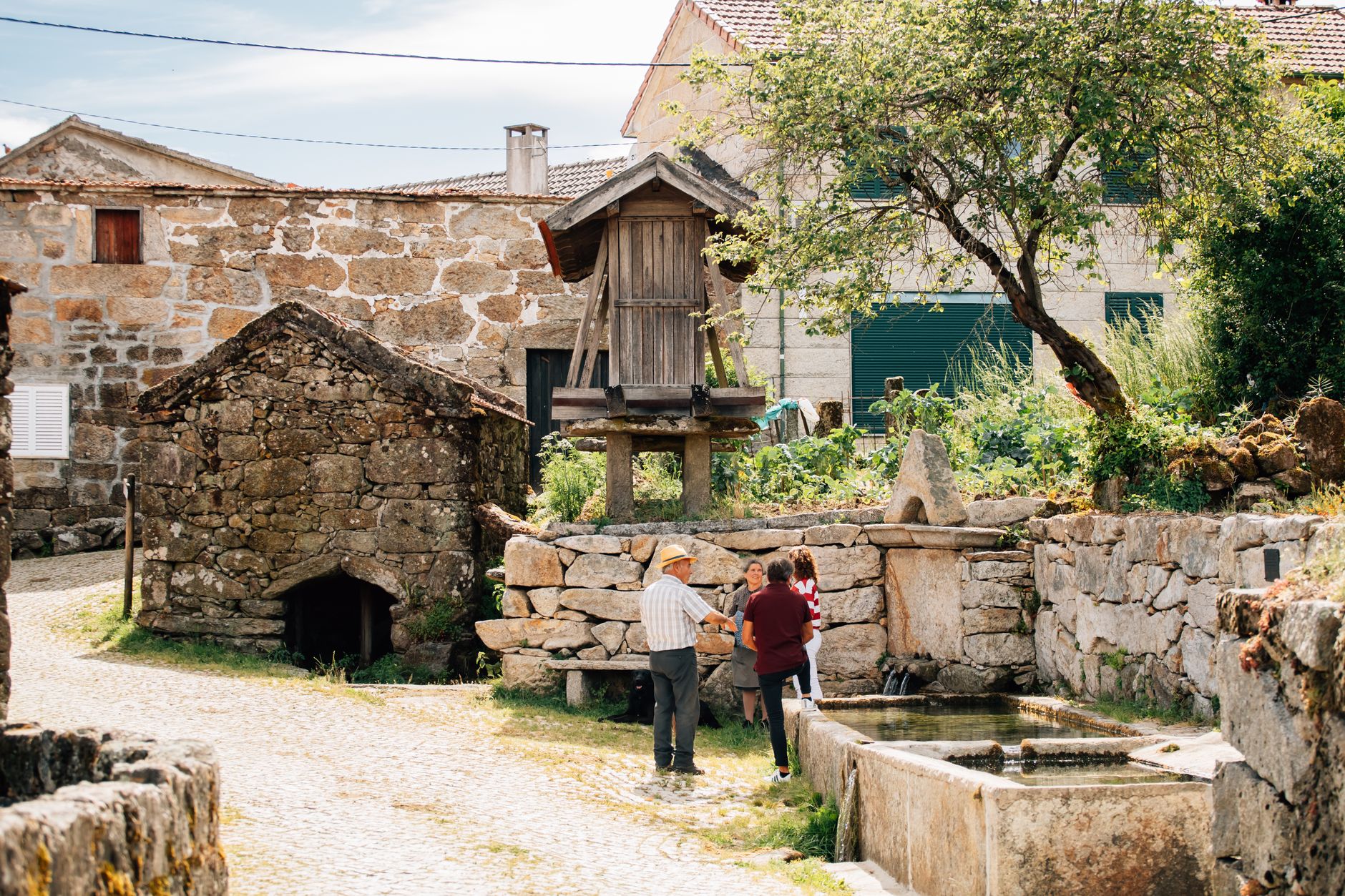

Marvão sits on a granite crest in the Alto Alentejo, a three-hour drive northeast of Lisbon and twenty minutes from the Spanish border. The village is known for its medieval curtain walls, eighth-century fortress foundations, and sweeping views across the Serra de São Mamede. Marvão is worth visiting if you want to walk empty fortified ramparts at dusk and eat slow-cooked pork with local chestnuts. Look elsewhere if you need late-night bars, public transit convenience, or flat terrain for easy walking.
Last updated 21 Sept 2026
Build a Marvão itinerary.
Choose up to 4 threads that pull you in. Your plan arrives organised around them.
The Bed
Where to stay in Marvão
Which part of town to book, and what each one costs you in walking, noise or quiet.
The Comparison
Marvão, or somewhere near it
The places you are realistically choosing between, and the honest case for each.
The Local Record
Where to read more about Marvão
The blogs, boards, guides and operators worth bookmarking.
What to do in Marvão Alentejo Portugal
Life in Marvão is structured by steep cobblestones and massive perimeter walls. Days here are calm, spent wandering the narrow whitewashed alleys between Rua do Espírito Santo and the castle gates. The place suits travellers who appreciate silence, mountain air, and unhurried meals of roasted lamb or migas. By night, when day-trippers leave, you have the high ramparts and the cold frontier wind entirely to yourself.
24 hours in Marvão Alentejo Portugal
Arrive mid-morning and enter through the Portas da Vila. Spend two hours walking the castle battlements before lunching on ensopado de borrego at Varanda do Alentejo. In the afternoon, browse the Museu Municipal, then take a late-afternoon stroll along the southern wall as the plains turn amber. Finish with a glass of local red in the village square. Select 1 Day above to see it.
2 days in Marvão Alentejo Portugal
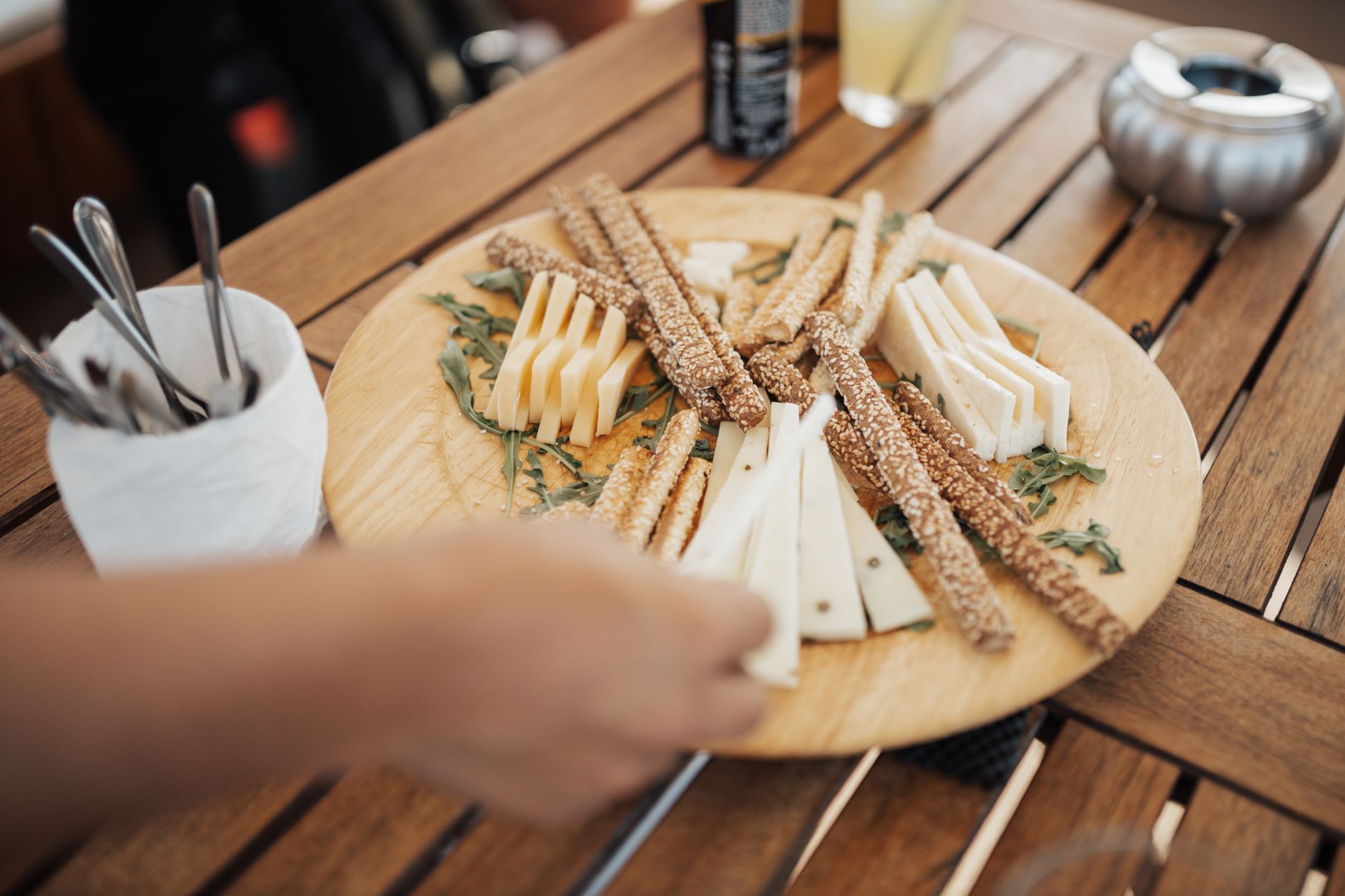
A second day lets you descend the mountain into the valley. Spend the morning walking among the Roman foundations at Ammaia, then stop in Portagem for wild boar stew by the Sever River bridge. Finish the afternoon climbing the medieval calçada trail back up through cork trees, earning your evening plate of cured sheep cheese and presunto. Choose 2 Days to expand the plan.
3 days in Marvão Alentejo Portugal
With three days, branch out to neighboring Castelo de Vide to explore the old Judiaria and sample boleima flatbreads. Spend the afternoon driving the winding cork-lined backroads of the Serra de São Mamede Natural Park to visit local olive oil presses, or cross the frontier into the Spanish border town of Valencia de Alcántara for tapas.
Marvão Alentejo Portugal itineraries by interest
Medieval Fortifications in Marvão Alentejo Portugal
Walk the 13th-century granite battlements of Castelo de Marvão, inspecting the deep cistern and the artillery platforms overlooking the Spanish border.
Regional Pork in Marvão Alentejo Portugal
Order carne de porco à alentejana or secretas of porco preto cooked with garlic, coriander, and sweet cured paprika at small village tascas.
Mountain Hiking in Marvão Alentejo Portugal
Follow medieval stone-paved trails down the Serra de São Mamede ridge to Portagem, passing cork oak stands and ancient granite boundary walls.
Chestnut Dishes in Marvão Alentejo Portugal
Sample autumn roasted chestnuts, puréed chestnut soups, and pork stews simmered with castanha de Marvão alongside regional chestnut liqueurs.
Ancient History in Marvão Alentejo Portugal
Explore the excavated Roman town of Ammaia in the valley, with its surviving baths, forum foundations, and on-site museum of stone artefacts.
Sacred Architecture in Marvão Alentejo Portugal
Visit the Gothic portal of Igreja de Santa Maria, now a municipal museum, and the quiet 15th-century convent of Nossa Senhora da Estrela.
Border Country in Marvão Alentejo Portugal
Trace centuries of Iberian frontier skirmishes along the Raia, linking Marvão's high keep with the nearby Spanish stronghold of Valencia de Alcántara.
Local Wine in Marvão Alentejo Portugal
Drink full-bodied Alentejo reds pressed from Trincadeira and Aragonez grapes produced in the cool microclimate of the São Mamede foothills.
River Swimming in Marvão Alentejo Portugal
Cool off on hot afternoons at the Sever River natural pool in Portagem, right below the village crag beneath the Roman toll bridge.
Traditional Breads in Marvão Alentejo Portugal
Tear into rustic Alentejo sourdough used for bread soups like açorda alentejana with poached egg, garlic broth, and generous handfuls of coriander.
Scenic Vistas in Marvão Alentejo Portugal
Stand on the highest castle turret near sunset for an unobstructed 360-degree panorama extending over the plains of Extremadura and the Alto Alentejo.
Day Trips in Marvão Alentejo Portugal
Drive fifteen minutes west to Castelo de Vide to walk its medieval Jewish quarter, gothic fountain, and hillside synagoga museum.