_-_Ilustra%C3%A7%C3%A3o_(1Jun1926).png)

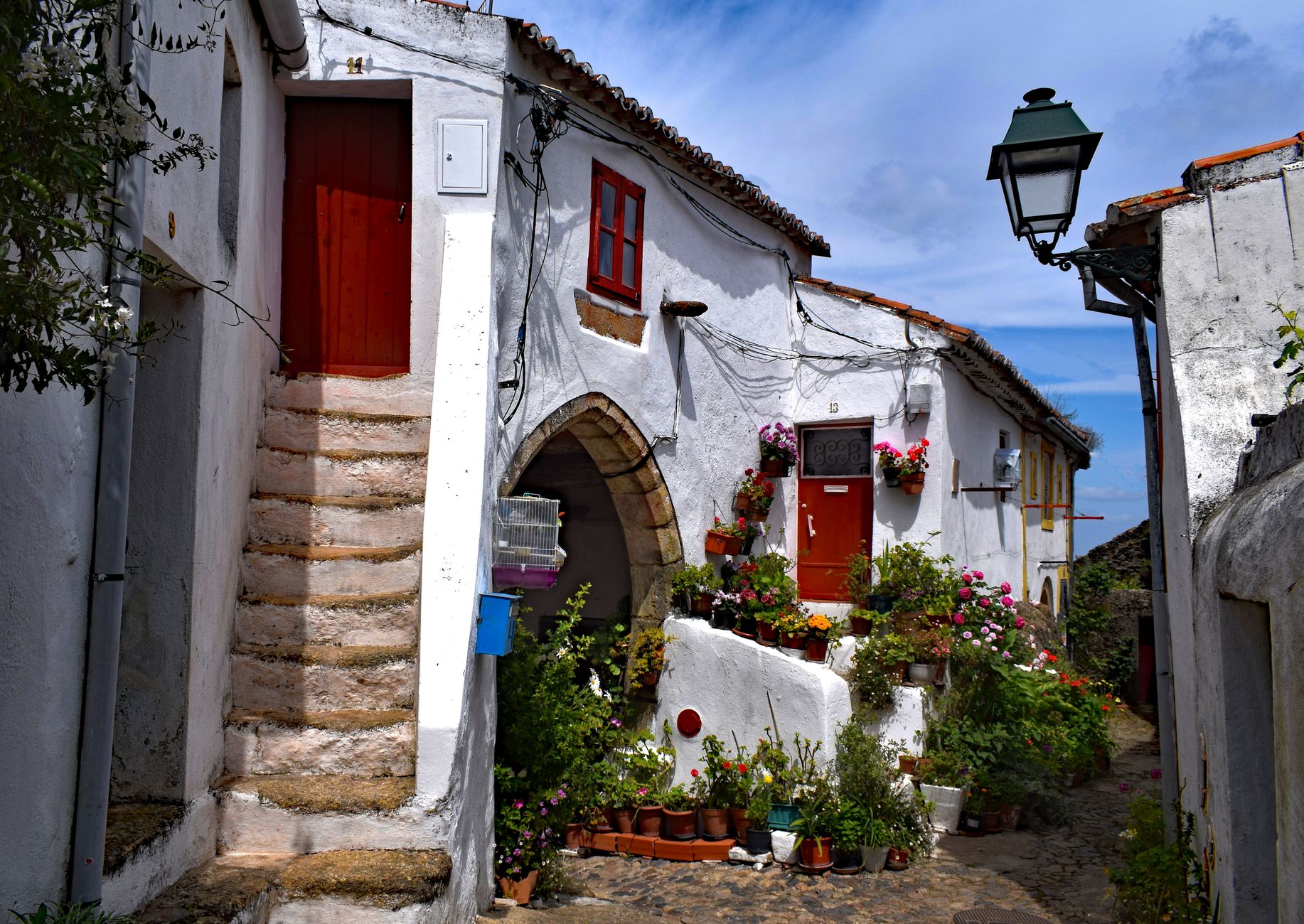
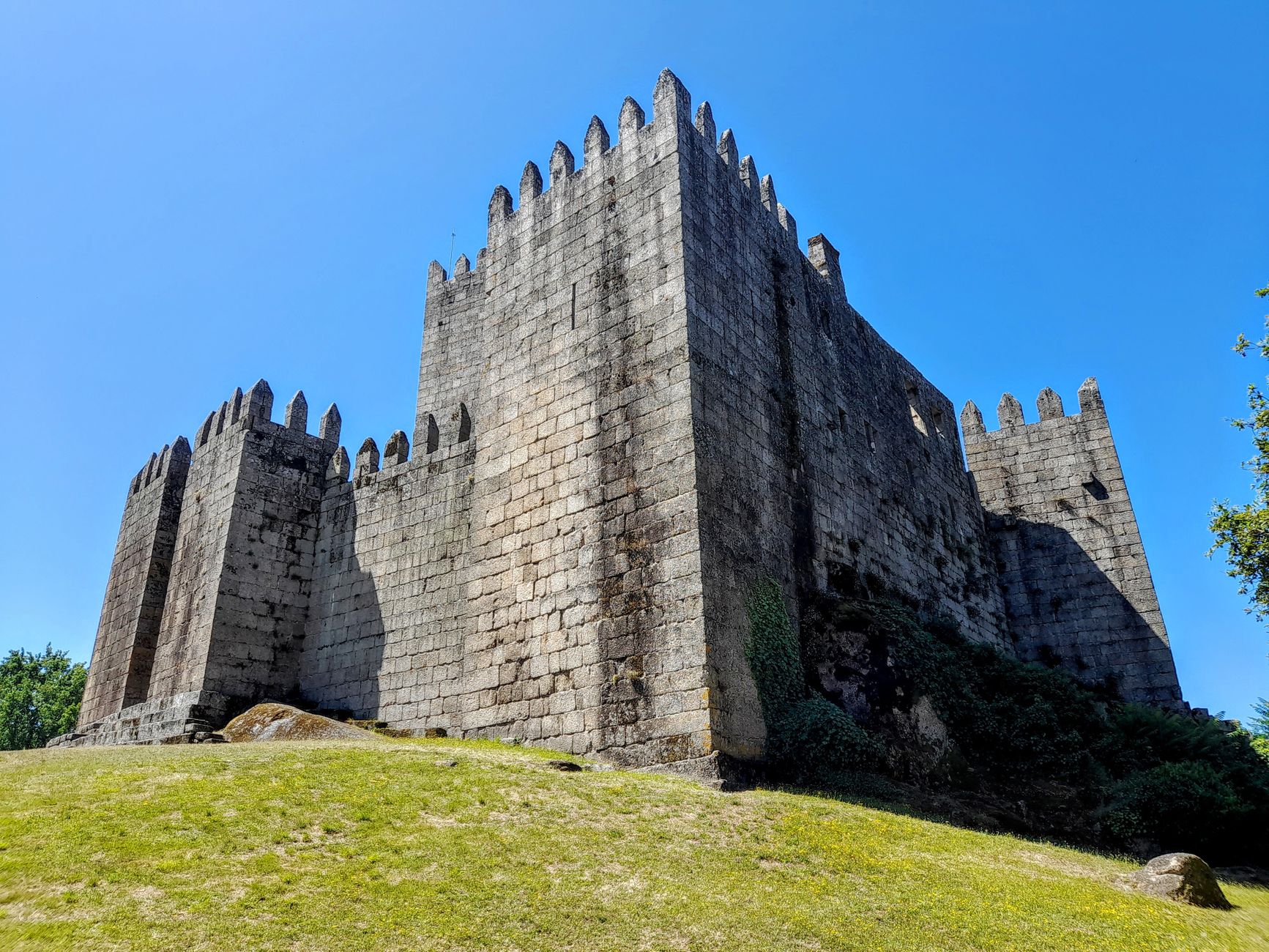
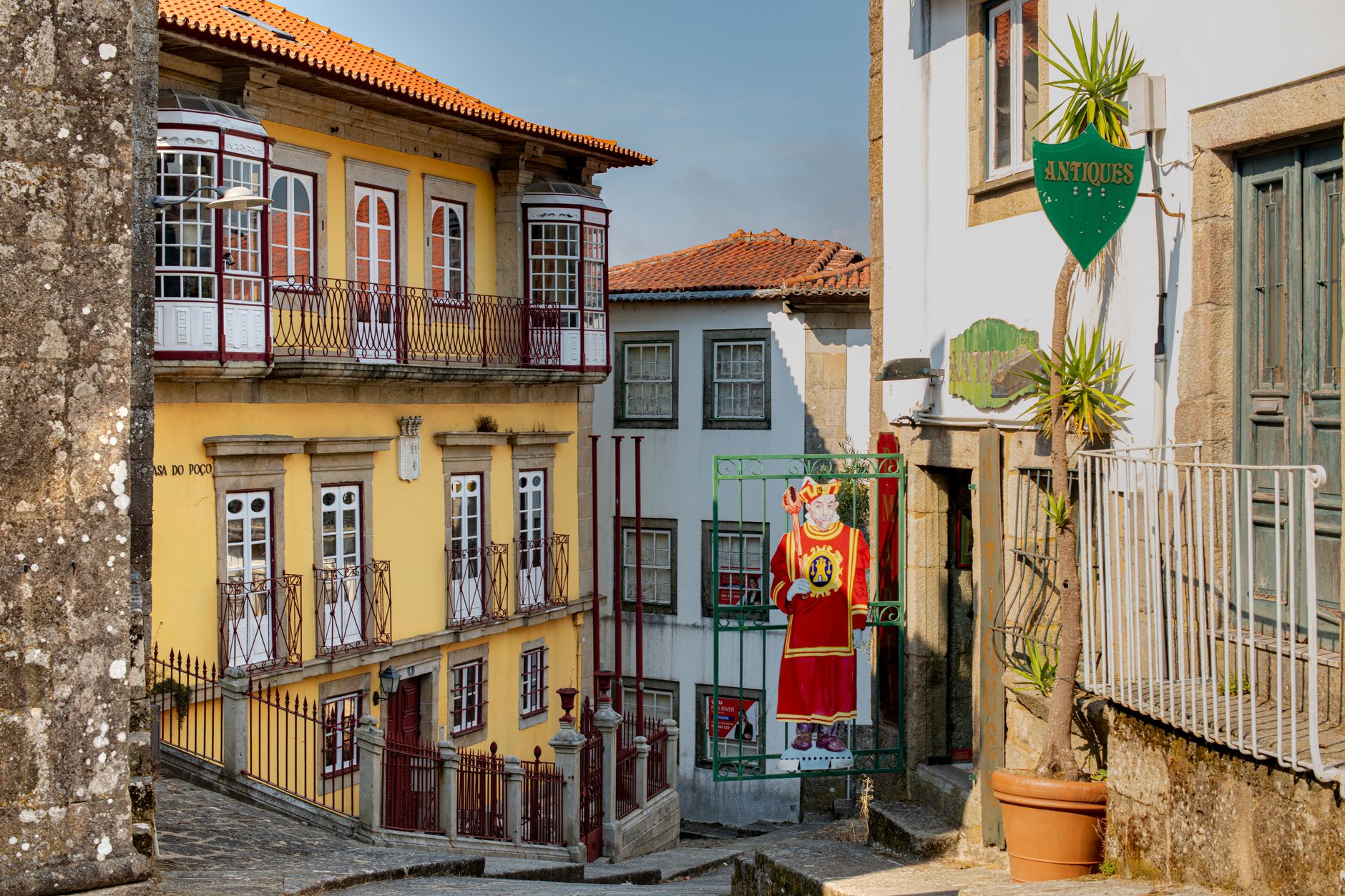
Whitewashed houses grip the granite spine of the Serra de São Mamede, smelling faintly of woodsmoke and roasting coriander. You walk up through the fourteenth-century Judiaria, where pointed Gothic doorways lean toward steep cobblestones that demand sensible rubber soles. Up top, the medieval castle looks across dry plains to Spain. Down below, spring water pours continuously from the marble spout of Fonte da Vila.
Last updated 22 Aug 2026
Build a Castelo de Vide itinerary.
Choose up to 4 threads that pull you in. Your plan arrives organised around them.
We'll craft a 3-lens plan for Castelo de Vide, one collapsible strand per lens.
Sacred Architecture
Visit the seventeenth-century Igreja de Santa Maria da Devesa in the main square and the tiny whitewashed hermitage of Nossa Senhora da Penha on the ridge.
Sacred Architecture
Visit the seventeenth-century Igreja de Santa Maria da Devesa in the main square and the tiny whitewashed hermitage of Nossa Senhora da Penha on the ridge.
Medieval Synagogue Exploration
Sinagoga de Castelo de Vide
Walk up Rua da Judiaria to the fourteenth-century stone prayer hall. Admission is two euros at the door; allocate forty-five minutes to inspect the carved granite mezuzah and wooden tabernacle.
Editor TipCastelo de Vide harboured one of Portugal's most significant Jewish communities before the 1496 edict of expulsion, preserving rare pre-expulsion Gothic religious stonework in the Alentejo interior. Arrive right at opening before tour minibuses clog the narrow stone alleys. Wear shoes with grip for slick medieval cobbles.
Alentejo Charcuterie Tasting
Salsicharia Canense
Step up to the counter for sliced paio do Alentejo, chouriço de sangue, and cured sheep cheese. Expect to spend around six euros for a generous paper parcel to sample on the square.
Editor TipBlack Iberian pigs forage on acorns across local cork oak dehesas, yielding deeply marbled fat cured simply with sea salt, sweet paprika, garlic, and time in dry Alentejo hill air. Ask for the paio cured in natural casing, cut thin. Grab a crusty paposseco roll across the square to catch the paprika oil.
Climbing to Ridge Shrines
Ermida de Nossa Senhora da Penha
Drive the winding lane up Serra de São Paulo to the summit turnaround. The chapel doors are typically unlocked by mid-morning. Admission is free, though leaving a small coin offering is polite.
Editor TipConstructed in the sixteenth century on a sheer granite perch, this solitary pilgrimage sanctuary preserves blue seventeenth-century azulejo panels depicting Marian scenes above the vast Alto Alentejo plain. Wind whips hard across the terrace. Take five minutes on the stone wall behind the chancel for the quietest view.
Prehistoric Monuments
Drive north to the four-metre Menir da Meada, the largest standing megalith on the peninsula, surrounded by cork oaks and ancient granite burial chambers.
Prehistoric Monuments
Drive north to the four-metre Menir da Meada, the largest standing megalith on the peninsula, surrounded by cork oaks and ancient granite burial chambers.
Standing Before Neolithic Monoliths
Menir da Meada
Drive twelve kilometres north on the M532, then follow the unpaved track to the clearing. Access is free and open all day. Allow forty-five minutes to walk the perimeter path.
Editor TipShaped around 5000 BC from local porphyritic granite, this four-metre standing stone remains the tallest on the Iberian Peninsula, anchored deep in the ancient cork and holm oak grazing pastures. Arrive before the sun beats down on the bare rock. The cattle track can be wet with morning dew, so skip the sandals.
Regional Meat
Order cachafrito de cabrito, crisp fried kid goat steeped in garlic and wine, or sarapatel, a rich offal stew simmered with blood, bay leaf, and day-old bread.
Regional Meat
Order cachafrito de cabrito, crisp fried kid goat steeped in garlic and wine, or sarapatel, a rich offal stew simmered with blood, bay leaf, and day-old bread.
Traditional Cachafrito and Sarapatel
Restaurante D. Pedro V
Arrive right at opening or reserve ahead in high summer. Order the marinated pork cachafrito with migas and a half-carafe of local red wine. Expect a steady, unhurried two-hour dinner.
Editor TipRich pork stew and clove-spiced sarapatel celebrate the zero-waste ethos of inland Alto Alentejo cooking, built on generations of acorn-fed Iberian pigs and oak-wood braising. Ask for the house migas with extra crackling; the kitchen fries them in pork lard with proper stubborn pride.
Tasting Cured Alentejano Sausages
Mercado Municipal de Castelo de Vide
Walk into the municipal hall on Rua do Mercado before ten. Buy dry-cured painho and thin-sliced black pork loin from the butchers for four or five euros.
Editor TipRegional swine fattened on sweet holm-oak acorns are seasoned with sweet pepper paste, salt, and garlic, then cured gently over holm woodsmoke instead of modern heating cabinets. Ask for painho de porco preto sliced thin so the acorn fat softens quickly against the morning air.
Savouring Alentejano Lamb Stew
Restaurante Mil-Homens
Book ahead by phone for a table in the timber-beamed hall. Order the ensopado de borrego or acorn-fed black pork plumas with a pitcher of local red. Expect thirty euros for two.
Editor TipThis border kitchen cooks pure Alto Alentejo pasture meat, slow-simmered with stale crusty bread, bay leaves, vinegar, and garlic according to shepherds' field recipes. Arrive right at opening to claim a river-facing table before the Portagem bridge fills with evening strollers.
Note from the Editor
“The morning light hits the upper alleys early, before mid-day Alentejo heat settles into the granite. Pace yourself on the climb through the Judiaria and let the butcher slice your cured ham at his own measured rhythm.”
The Bed
Where to stay in Castelo de Vide
Which part of town to book, and what each one costs you in walking, noise or quiet.
The Comparison
Castelo de Vide, or somewhere near it
The places you are realistically choosing between, and the honest case for each.
The Local Record
Where to read more about Castelo de Vide
The blogs, boards, guides and operators worth bookmarking.
What to do in Castelo de Vide Alentejo Portugal
Castelo de Vide unfolds in concentric circles of stone, moving from the open terrace of Praça D. Pedro V up through the tangled alleys of the medieval Jewish quarter to the castle keep. Days run on a gentle rhythm: morning coffee by the fountain, steep climbs on shaded cobblestones, long lunches anchored by pork and bread stews, and quiet afternoon walks among olive trees. It suits travellers who appreciate history on foot and unapologetic regional cooking.
24 hours in Castelo de Vide Alentejo Portugal
Start at Praça D. Pedro V, then climb the Rua da Judiaria to tour the old synagogue and castle walls before midday heat settles in. Lunch on cachafrito de cabrito at a quiet tavern, take a siesta, and spend your late afternoon walking out to the Fonte da Vila before heading up to Nossa Senhora da Penha for sunset across the plain. Select 1 Day above to see it.
2 days in Castelo de Vide Alentejo Portugal
Dedicate your second morning to the megaliths, driving ten minutes to Menir da Meada and the Anta dos Coureleiros tombs. Return via the mountain roads to Marvão for lunch on the cliff edge, eating sopa de cação before an afternoon walk through chestnut orchards in the São Mamede hills. Choose 2 Days to expand the plan.
3 days in Castelo de Vide Alentejo Portugal
A third day allows an unhurried morning at the Portalegre tapestry workshops or a loop hike on the PR1 trail. Spend the afternoon tasting clay-amphora talha wines at local adegas, ending with a plate of raw sheep cheese and a slice of cinnamon-apple boleima at a village café.
Castelo de Vide Alentejo Portugal itineraries by interest
Jewish Heritage in Castelo de Vide Alentejo Portugal
Walk the Judiaria around Rua das Espingardas to find mezuzah markings carved into fourteenth-century granite doorways and the small preserved synagogue museum.
Regional Meat in Castelo de Vide Alentejo Portugal
Order cachafrito de cabrito, crisp fried kid goat steeped in garlic and wine, or sarapatel, a rich offal stew simmered with blood, bay leaf, and day-old bread.
Medieval Fortifications in Castelo de Vide Alentejo Portugal
Climb the fourteenth-century castle keep for clear sightlines toward Spain, then walk the perimeter walls down to the fortified Porta de São Pedro gate.
Prehistoric Monuments in Castelo de Vide Alentejo Portugal
Drive north to the four-metre Menir da Meada, the largest standing megalith on the peninsula, surrounded by cork oaks and ancient granite burial chambers.
Local Baking in Castelo de Vide Alentejo Portugal
Stop at local padarias for boleima de maçã, a dense flatbread layered with sliced apples, sugar, and cinnamon, baked traditionally for the Easter season.
Mountain Hiking in Castelo de Vide Alentejo Portugal
Follow the PR1 trail through the Serra de São Mamede, climbing shaded Roman roads through chestnut groves up to the chapel of Nossa Senhora da Penha.
Artisan Cheese in Castelo de Vide Alentejo Portugal
Sample semi-hard raw sheep milk cheeses cured with wild thistle rennet, paired with rye bread and regional olives cured in oregano and sea salt.
Sacred Architecture in Castelo de Vide Alentejo Portugal
Visit the seventeenth-century Igreja de Santa Maria da Devesa in the main square and the tiny whitewashed hermitage of Nossa Senhora da Penha on the ridge.
Natural Springs in Castelo de Vide Alentejo Portugal
Fill bottles at the sixteenth-century marble Fonte da Vila, where crisp mineral spring water runs constantly across worn granite basin stones.
Wild Produce in Castelo de Vide Alentejo Portugal
Look for spring menus featuring espargos bravos scrambled with eggs and cured chouriço, or wild mushrooms gathered from the surrounding oak woodlands.
Day Trips in Castelo de Vide Alentejo Portugal
Drive twenty minutes up the sheer crag to Marvão to walk its dizzying battlements, or head south to Portalegre for historical hand-woven tapestries.
Local Wine in Castelo de Vide Alentejo Portugal
Drink regional DOC Alentejo reds fermented from Trincadeira and Aragonez grapes in clay talha vessels, poured alongside cured presunto de porco preto.