_-_Gaspar_Bouttats.png)

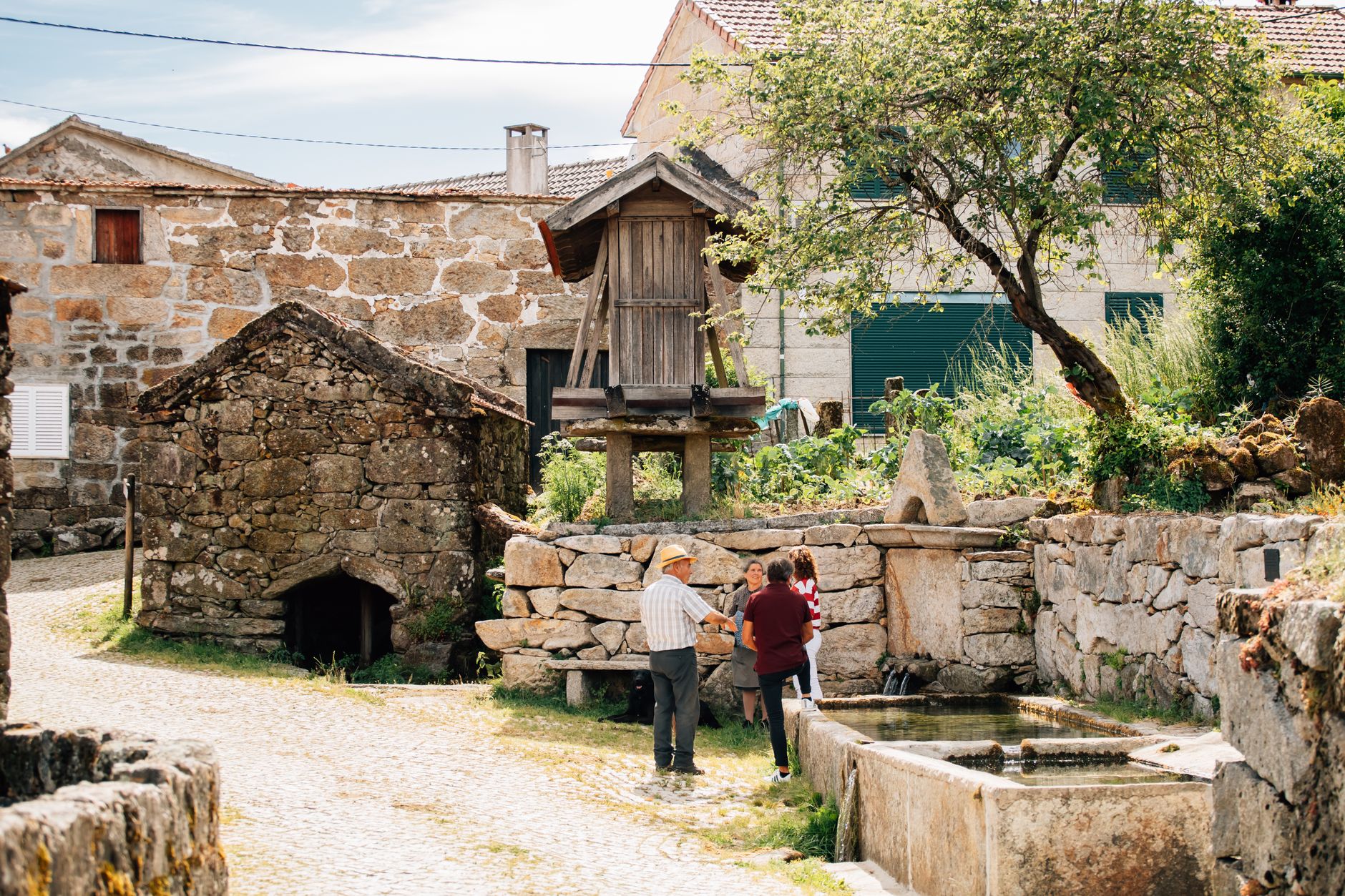

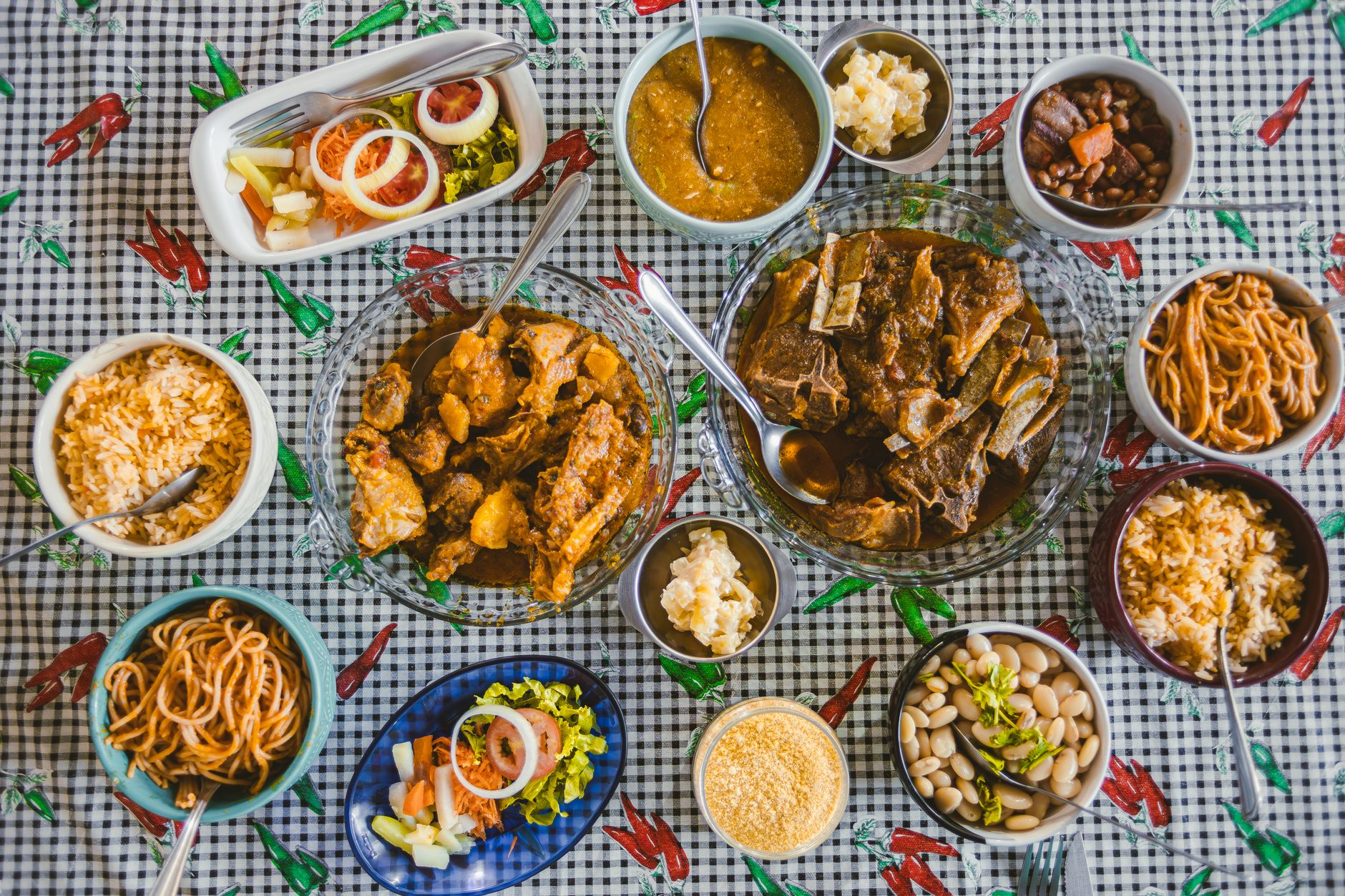

Every kerbstone, doorframe, and drinking fountain here seems hewn from pale pink marble, hauled up from the massive open-pit quarries just down the road. This quiet Alentejo town was once the royal seat of the House of Bragança, and the scale reflects it: wide, orange-tree plazas anchored by the imposing Paço Ducal and a stout medieval castle. You come for the grand Renaissance stonework, but you stay for bowls of rich açorda and pork ribs slowly stewed with clams in garlic-scented lard.
Last updated 28 Aug 2026
Build a Vila Viçosa itinerary.
Choose up to 4 threads that pull you in. Your plan arrives organised around them.
The Bed
Where to stay in Vila Viçosa
Which part of town to book, and what each one costs you in walking, noise or quiet.
The Comparison
Vila Viçosa, or somewhere near it
The places you are realistically choosing between, and the honest case for each.
The Local Record
Where to read more about Vila Viçosa
The blogs, boards, guides and operators worth bookmarking.
What to do in Vila Viçosa Alentejo Portugal
Life here centres on the colossal Terreiro do Paço, an open expanse where the town's marble heritage takes centre stage. Mornings belong to palace tours and quiet walks around the 13th-century castle walls, while afternoons drift into long, unhurried lunches of migas and roasted lamb at family tascas. It suits travellers who appreciate layered history, solid country cooking, and the restorative stillness of inland Portugal.
24 hours in Vila Viçosa Alentejo Portugal
Begin at 10:00 with a guided walk through the Paço Ducal, then cross the square for migas with fried pork ribs at Taverna dos Conjurados. Spend the afternoon wandering the castle quarter and the cloister of Agostinhos. Finish with a glass of Borba red on Praça da República. Select 1 Day above to see it.
2 days in Vila Viçosa Alentejo Portugal
Dedicate morning two to visiting the marble quarry viewing points on the road to Borba. Head to nearby Alandroal for a lunch of ensopado de borrego, then return to Vila Viçosa to sample cinnamon-dusted sericaia at a local pastelaria before touring the Santuário da Conceição. Choose 2 Days to expand the plan.
3 days in Vila Viçosa Alentejo Portugal
Take a short drive east to the frontier battlements of Juromenha, overlooking the Guadiana River, or explore the antique markets of Estremoz. End with a cellar visit at an adega in the Borba wine district, tasting deep Alicante Bouschet alongside aged sheep cheese.
Vila Viçosa Alentejo Portugal itineraries by interest
Royal Heritage in Vila Viçosa Alentejo Portugal
Tour the 16th-century Paço Ducal, filled with tapestries, armour, and the private apartments of the final Portuguese monarchs.
Stone Traditions in Vila Viçosa Alentejo Portugal
Inspect the Rosa Aurora marble quarry cuts, workshop floors, and smooth cladding along Praça da República.
Castles & Forts in Vila Viçosa Alentejo Portugal
Walk the 13th-century perimeter walls of the Castelo de Vila Viçosa, built under King Dinis, looking over the Alentejo plains.
Regional Stews in Vila Viçosa Alentejo Portugal
Taste garlic-soaked açorda alentejana with poached eggs, ensopado de borrego, and slow-braised wild boar in clay bowls.
Sacred Architecture in Vila Viçosa Alentejo Portugal
Step inside the marble-clad Santuário de Nossa Senhora da Conceição, patron saint of Portugal since 1646.
Convent Sweets in Vila Viçosa Alentejo Portugal
Pick up traditional tibornas, pastéis de toucinho, and sericaia dusted with cinnamon from Convento das Chagas recipes.
Wine & Vineyards in Vila Viçosa Alentejo Portugal
Sample hearty Borba subregion reds made from Trincadeira, Aragonez, and Alicante Bouschet at small local adegas.
Cured Meats in Vila Viçosa Alentejo Portugal
Try local porco preto presunto, chouriço, and paio de lombo cured with pimentão and sea salt in nearby village smokehouses.
Day Trips in Vila Viçosa Alentejo Portugal
Drive fifteen minutes west to the marble hub of Estremoz or north to the quiet border fortress town of Juromenha on the Guadiana.
Olive Oil in Vila Viçosa Alentejo Portugal
Taste cold-pressed Galega and Cobrançosa extra virgin olive oils drizzled over warm crusty Alentejo wheat bread.
Town Squares in Vila Viçosa Alentejo Portugal
Sit beneath the bitter orange trees in the vast Terreiro do Paço, shaded by marble facades and horse chestnut canopies.
Rural Trails in Vila Viçosa Alentejo Portugal
Walk country paths through cork oak groves and olive orchards along the old railway line towards Borba and Alandroal.