.jpg)

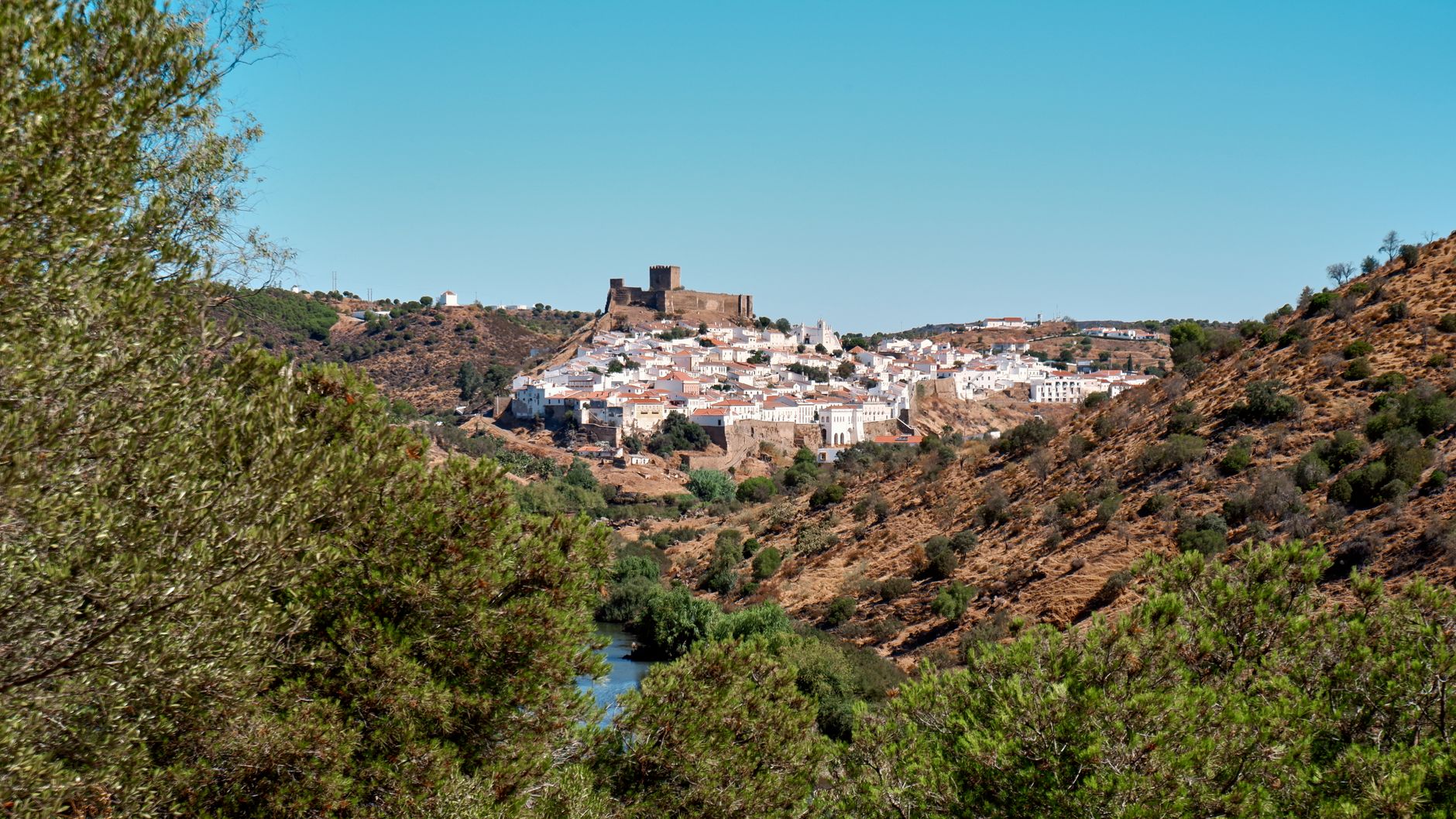
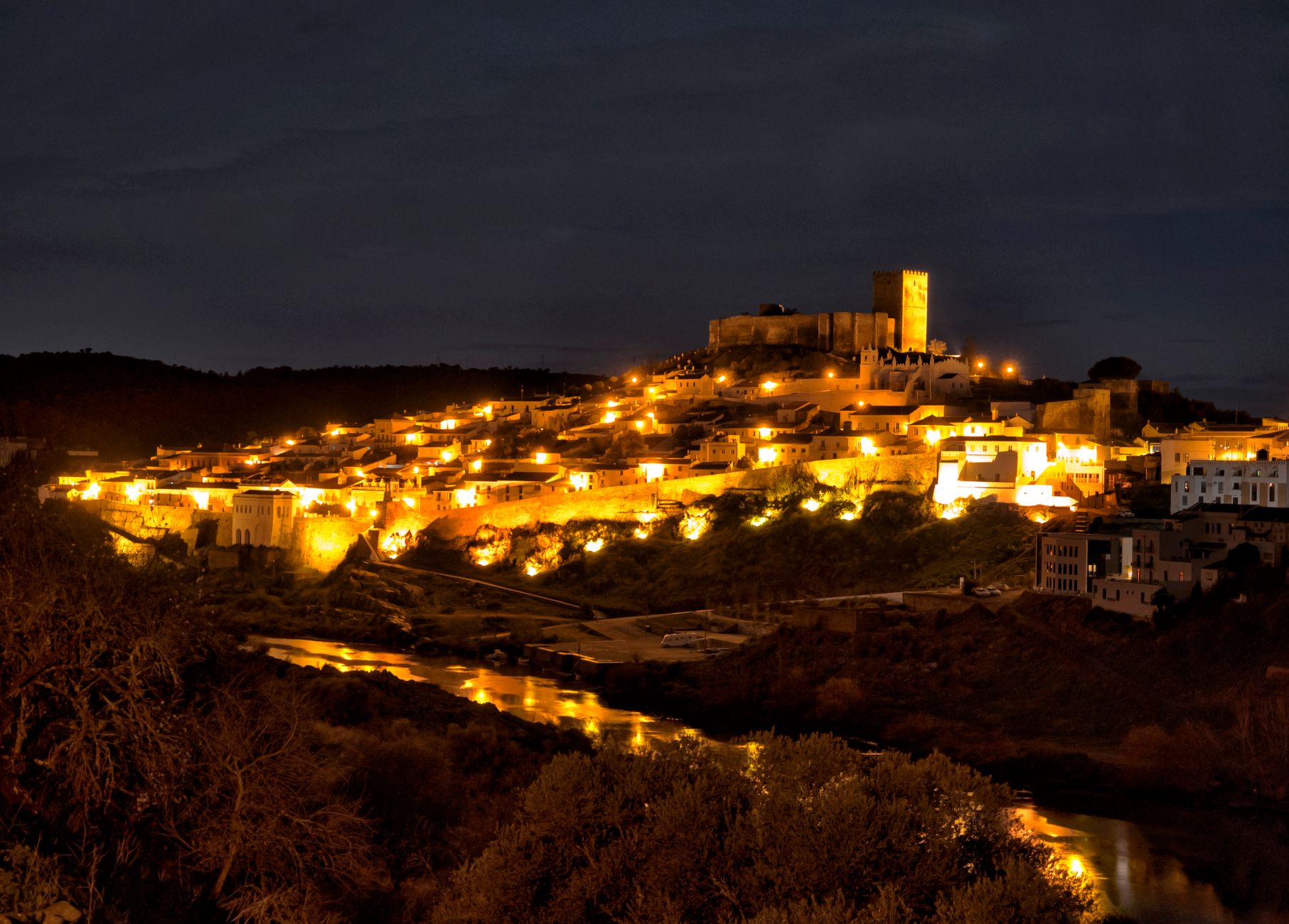

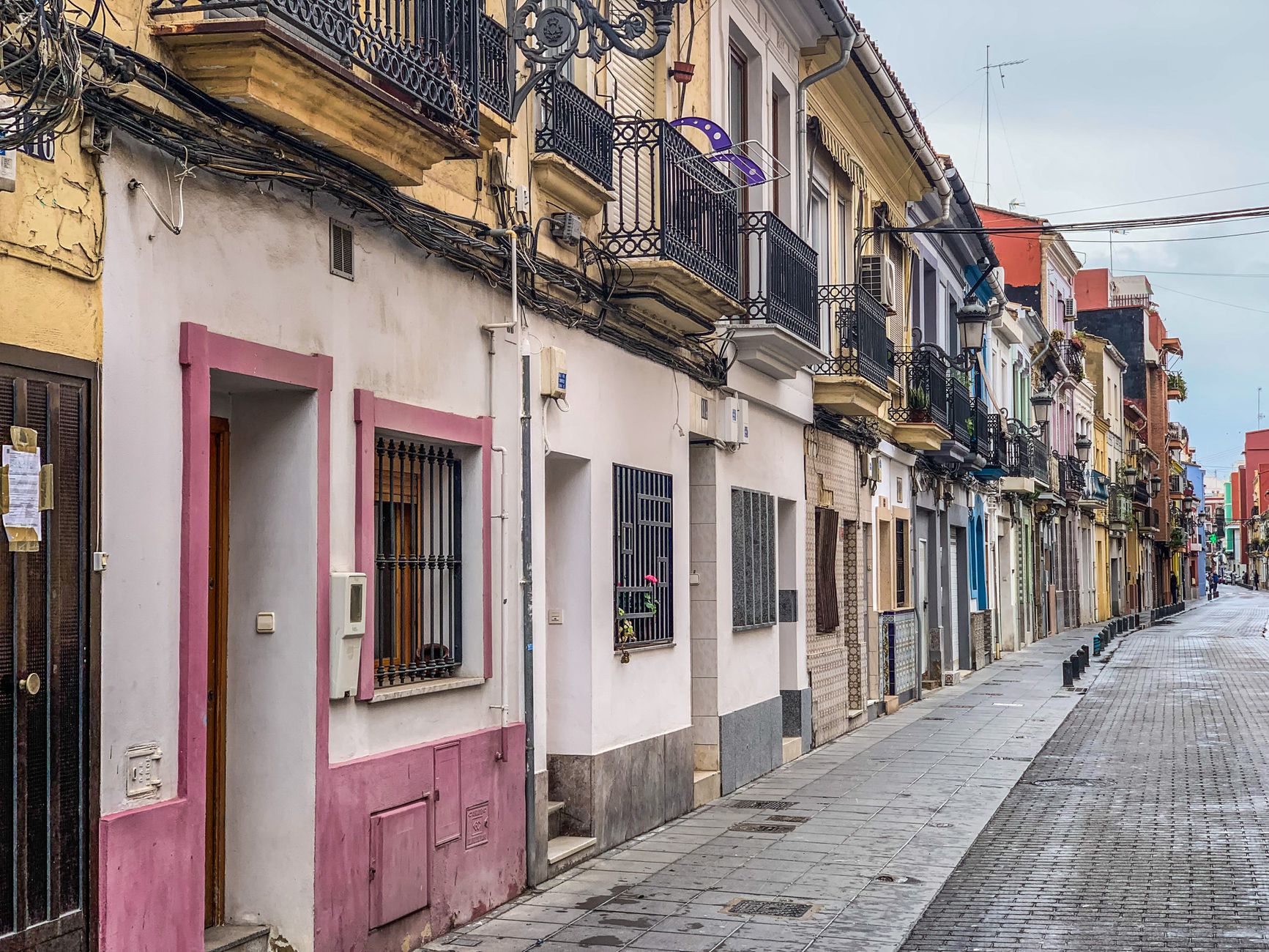
The Guadiana river slows to a glassy crawl beneath the crag, reflecting whitewashed walls that held firm under the Almohad Caliphate. Walking the steep cobbled lanes feels like peeling back strata of Mediterranean history. At the summit sits a parish church that still retains its 12th-century mihrab and horseshoe arches. You come here for that rare architectural survival, the quiet rhythm of inland Alentejo, and earthenware bowls of lamb stew rich with wild coriander.
Last updated 28 Aug 2026
Build a Mértola itinerary.
Choose up to 4 threads that pull you in. Your plan arrives organised around them.
The Bed
Where to stay in Mértola
Which part of town to book, and what each one costs you in walking, noise or quiet.
The Comparison
Mértola, or somewhere near it
The places you are realistically choosing between, and the honest case for each.
The Local Record
Where to read more about Mértola
The blogs, boards, guides and operators worth bookmarking.
What to do in Mértola Alentejo Portugal
Perched above the Guadiana river, Mértola functions as a living museum where Islamic, Roman, and medieval layers sit right beneath your soles. Days here move to an unhurried tempo dictated by the sun and local tavern hours. It suits curious travellers who appreciate ancient stone over tourist spectacles, reward themselves with honest tavern food, and do not mind steep cobblestones that give your calves a serious workout.
24 hours in Mértola Alentejo Portugal
Start early at the former mosque of Igreja Matriz before the heat rises, then climb to the castle keep. For lunch, settle into Restaurante O Migas for ensopado de borrego. Spend the afternoon exploring the Islamic art museum and Roman cryptoporticus, ending with a quiet sunset walk along the riverbanks of the Guadiana. Select 1 Day above to see it.
2 days in Mértola Alentejo Portugal
A second day lets you venture nine miles east to Mina de São Domingos. Explore the rusted copper mining ruins and swim at the freshwater beach of Tapada Grande. Head back for dinner at a local tasca to try fried river barbel paired with a crisp Alentejo white wine. Choose 2 Days to expand the plan.
3 days in Mértola Alentejo Portugal
With three days, head north into the Parque Natural do Vale do Guadiana to hike the rocky trail down to the churning Pulo do Lobo rapids. Stop in Serpa on your way back for raw sheep's milk cheese and a leisurely stroll along its fourteenth-century aqueduct.
Mértola Alentejo Portugal itineraries by interest
Sacred Architecture in Mértola Alentejo Portugal
Visit the Igreja Matriz, a 12th-century mosque converted into a church, complete with preserved horseshoe arches and a prayer niche facing Mecca.
Archaeology in Mértola Alentejo Portugal
Explore the Roman house beneath city hall and the paleochristian basilica, tracing centuries of Iberian history across ten scattered museum sites.
Local Meat in Mértola Alentejo Portugal
Order ensopado de borrego, a hearty Alentejo lamb stew ladled over day-old bread, or tender wild boar braised with garlic and local bay leaves.
River Life in Mértola Alentejo Portugal
Rent a kayak or take a solar boat along the Guadiana, an ancient trading route once busy with mineral barges heading out toward the Atlantic.
Castle Views in Mértola Alentejo Portugal
Climb the 13th-century keep at Castelo de Mértola for commanding panoramas over slate-roofed houses, olive groves, and the river valley below.
Craft Traditions in Mértola Alentejo Portugal
Watch local weavers work traditional wooden looms at the weaving cooperative, turning wool into thick blankets dyed with natural regional pigments.
Industrial Heritage in Mértola Alentejo Portugal
Take the short drive east to Mina de São Domingos to wander the surreal, copper-tinted ruins of a nineteenth-century British-operated open-cast mine.
Regional Wine in Mértola Alentejo Portugal
Sample dry Antão Vaz whites and hearty Trincadeira reds from nearby Baixo Alentejo cellars, poured alongside sheep's milk cheese and crusty bread.
Nature Trails in Mértola Alentejo Portugal
Hike the marked trails of Parque Natural do Vale do Guadiana to witness the dramatic gorge and rushing rapids at Pulo do Lobo waterfall.
Freshwater Fish in Mértola Alentejo Portugal
Seek out river lamprey during early spring or fried barbel with açorda, a garlicky bread porridge that local cooks have perfected over generations.
Bird Watching in Mértola Alentejo Portugal
Bring binoculars to the river cliffs to spot lesser kestrels nesting in ancient stone walls alongside Spanish imperial eagles and black storks.
Village Day Trips in Mértola Alentejo Portugal
Drive the quiet back roads to Almodôvar or Serpa for walled historic centers, sheep cheese dairies, and quiet town squares shaded by orange trees.