


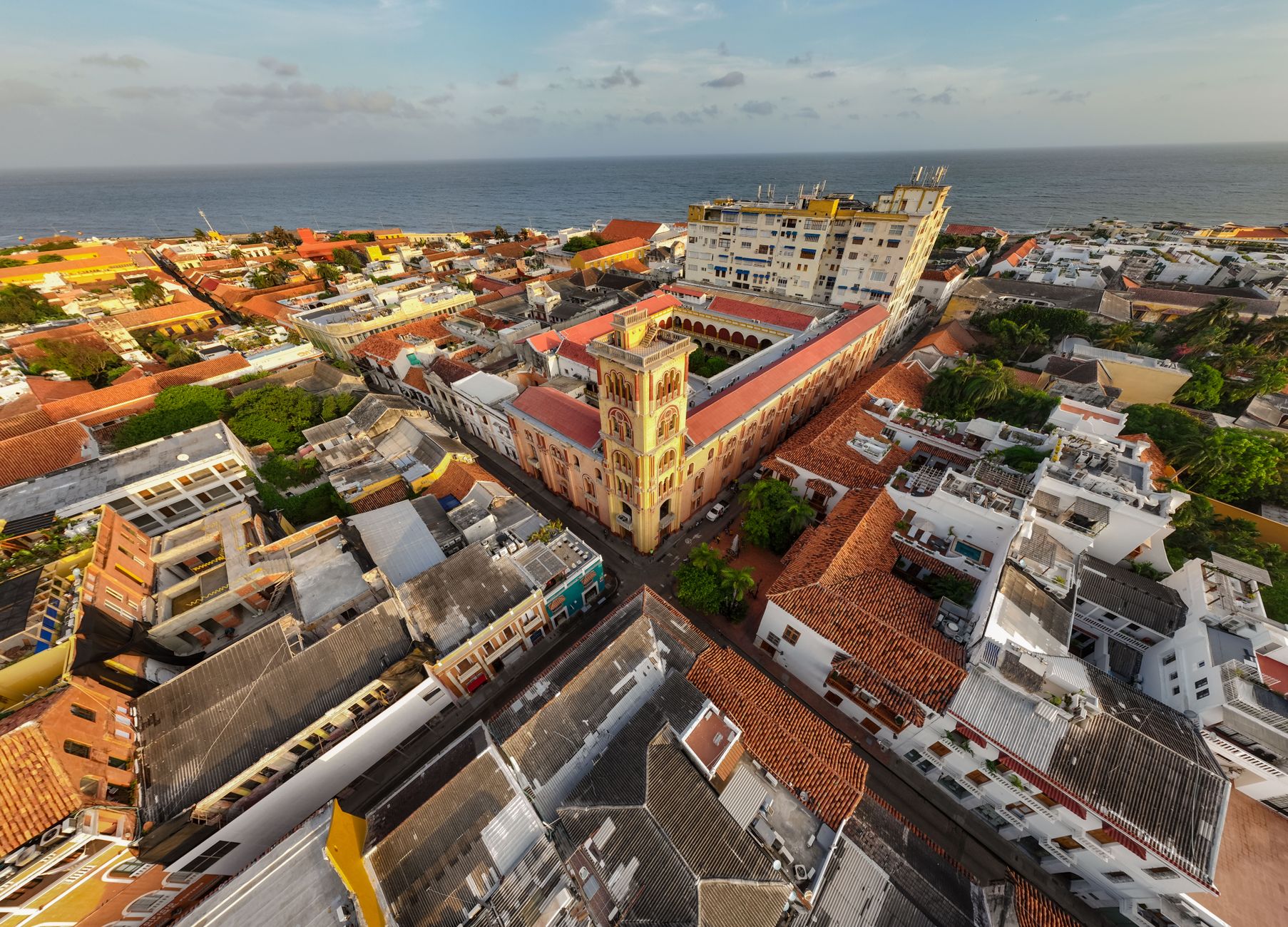
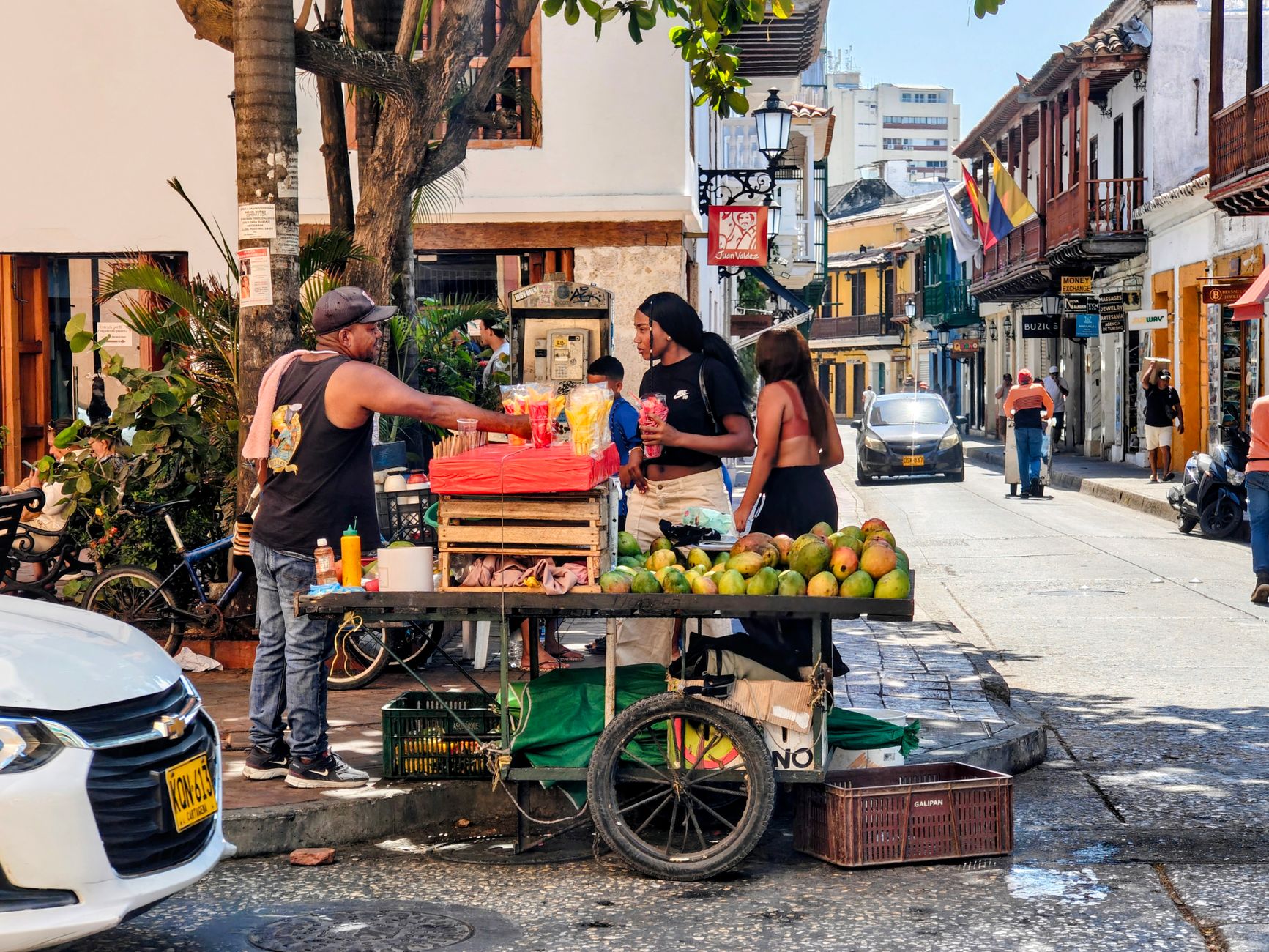
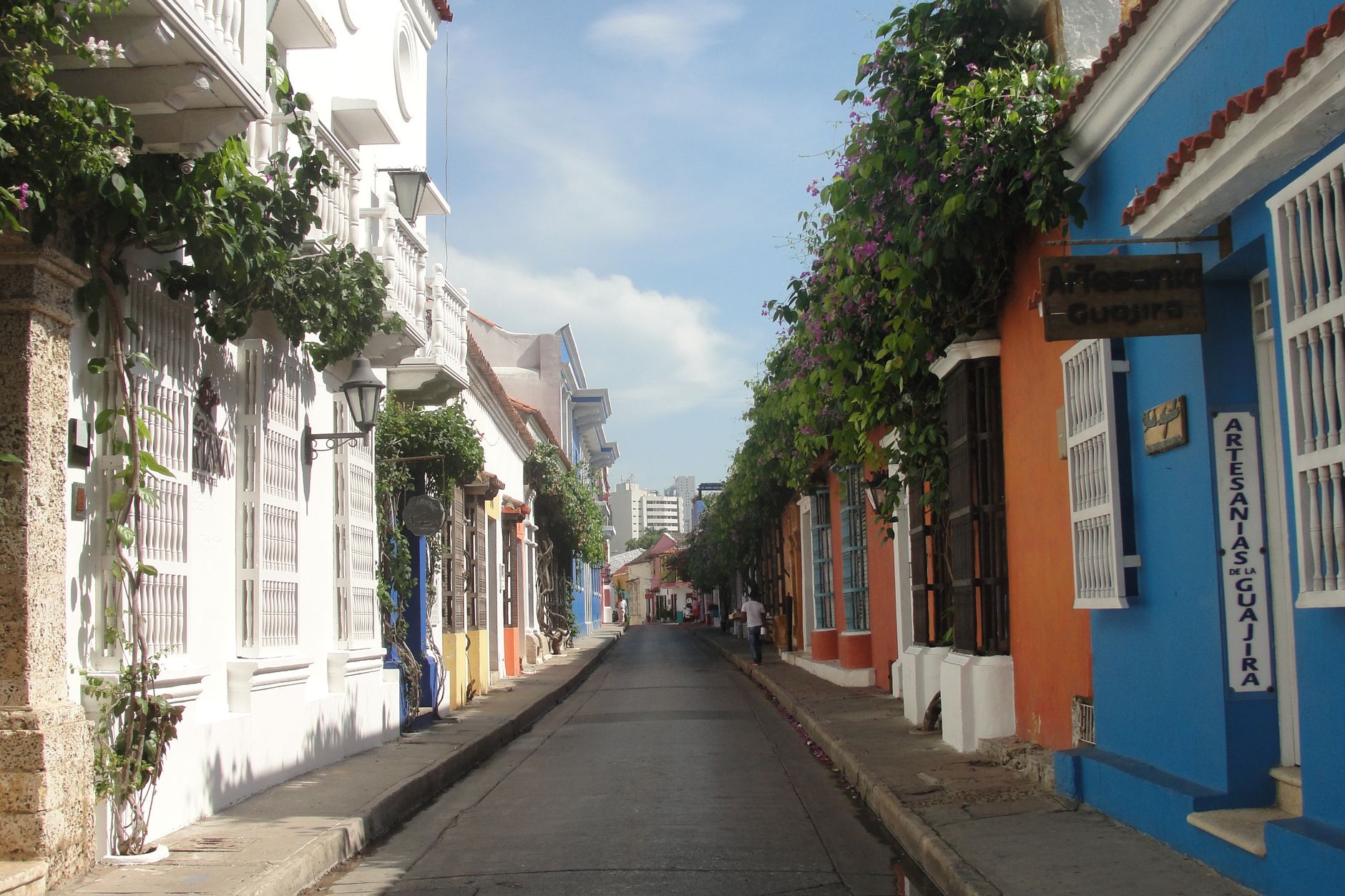
Cartagena sits forty-five minutes south of Murcia by regional train and an hour from Alicante Airport. Built around a deep natural harbour, it is known for its first-century BC Roman theatre and Art Nouveau facades financed by the nineteenth-century mining boom. Cartagena is worth visiting if you want dense classical archaeology steps from harbourfront tapas bars and caldero rice. Look elsewhere if you want broad sandy beaches right in the centre or late-night clubbing.
Last updated 25 Sept 2026
Build a Cartagena itinerary.
Choose up to 4 threads that pull you in. Your plan arrives organised around them.
We'll craft a 4-lens plan for Cartagena, one collapsible strand per lens.
Roman Archaeology
Walk the 1st-century BC Roman Theatre through Rafael Moneo's museum tunnel, then visit the thermal baths and colonnades at the Molinete Archaeological Park.
Roman Archaeology
Walk the 1st-century BC Roman Theatre through Rafael Moneo's museum tunnel, then visit the thermal baths and colonnades at the Molinete Archaeological Park.
Entering the Roman Cavea
Museo del Teatro Romano
Buy the standard entry ticket at the Palacio Consistorial entrance. Allow seventy minutes to walk through Rafael Moneo's underground exhibition corridors out into the daylight of the arena.
Editor TipBuilt between 5 and 1 BC, this seven-thousand-seat amphitheatre sat hidden beneath a crowded fishermen's quarter until routine construction uncovered its carved marble cornices in 1988. Step right out into the highest tier first. The acoustic focal point down on the orchestra floor works remarkably well.
Morning Salazones and Asiático
Mercado de Santa Florentina
Walk the central fish aisle by eight thirty, then grab a stool at the counter for an asiático with toasted bread and cured tuna mojama. Budget six euros.
Editor TipCartagena built its fortune curing Mediterranean bonito and making garum for Rome, a salt-preserving tradition the stallholders here still practice daily. Drink the asiático layered; stirring ruins the quiet theatre of the condensed milk and brandy.
Hilltop Roman Masonry Walk
Parque Arqueológico del Molinete
Enter through Calle San Fernando and climb the stepped brick paths to the upper crest. Free entry for the hill park; allow seventy minutes.
Editor TipThis hilltop sanctuary overlooked domestic quarters and defensive walls in the third century BC, framing working naval docks with ancient sandstone. The benches beneath the pines give the cleanest view across the Arsenal basin without the tour group elbowing.
Dockside Caldero and Rockfish
Restaurante Los Tejares
Reserve a table for lunch. The kitchen prepares rice cooked in concentrated rockfish broth with ñora peppers and alioli for roughly twenty euros per person.
Editor TipNineteenth-century fishermen in the Santa Lucía quarter simmered discarded catch with dried peppers in cast-iron cauldrons, creating Murcia's defining coastal dish. Eat the broth-soaked rice first, then tackle the stewed mullet served on a separate plate.
Sunset Over Ancient Hills
Monte Sacro Viewpoint
Walk ten minutes uphill from Calle San Roque. The open terrace is free, uncrowded at dusk, and gives an unvarnished 360-degree look across the residential basin.
Editor TipPolybius recorded this rugged ridge in the second century BC as one of the five defensive hills sheltering Hasdrubal's naval base and later Roman Carthago Nova. Wear sturdy shoes for the broken limestone path and watch the port cranes light up below.
Tracing Ancient Quarry Cuts
Canteras Romanas de Cartagena
Park off Calle Mayor in Canteras village. Access to the excavated sandstone trenches is free; walking the marked perimeter takes forty-five quiet minutes.
Editor TipStonemasons extracted yellow calcarenite here from the third century BC, providing the raw building blocks for Carthago Nova's Roman theatre and civic forum. Look closely at the trench walls to spot the straight pickaxe grooves left by Roman quarrymen.
Savouring Harbourfront Arroz Caldero
Restaurante El Mosqui
Book an outdoor table on the port terrace. Order the classic caldero menu, which arrives in two stages: intensely garlicky rice followed by the braised rockfish. Expect 35 euros per head.
Editor TipNineteenth-century fishermen from the Mar Menor simmered their discarded catch with dried ñora peppers, sea salt and rice in heavy iron cauldrons, serving it with fresh alioli. Take a ten-minute walk up to the 1865 Cabo de Palos lighthouse before dinner to watch the Mediterranean lights flicker on.
Coastal Fortifications
Climb through stone gun emplacements and watchtowers at Castillitos and Batería de Cenizas, overlooking the Mediterranean cliffs.
Coastal Fortifications
Climb through stone gun emplacements and watchtowers at Castillitos and Batería de Cenizas, overlooking the Mediterranean cliffs.
Climbing to the Vickers Guns
Batería de Castillitos
Drive out along the RM-E23 spine and park at the trail saddle. Entry is free and unstaffed; allow ninety minutes to wander the stone ramparts and gun bays.
Editor TipBuilt between 1933 and 1936 to defend Cartagena naval base, these mock-medieval battlements house British-made Vickers 381 mm cannons perched 250 metres above the sea. Arrive early before the coastal fog burns off and the midday sun turns the stone battlements into an oven.
Hilltop Views
Ride the glass panoramic lift or walk the pine switchbacks up to Castillo de la Concepción for clear views across the amphitheatre and naval dockyards.
Hilltop Views
Ride the glass panoramic lift or walk the pine switchbacks up to Castillo de la Concepción for clear views across the amphitheatre and naval dockyards.
Surveying the Fortress Heights
Castillo de la Concepción
Take the panoramic glass lift from Calle Gisbert or follow the paved ramp up through Parque Torres. Budget forty-five minutes to tour the keep and take in the naval dockyards.
Editor TipPerched on the highest of Cartagena's five hills, this thirteenth-century keep incorporates repurposed Roman ashlar blocks to anchor the bay's formidable coastal defense system. Skip the lift queue on the way down; the shaded stroll past the peacocks in Parque Torres takes under ten minutes.
Wildcards
Worth your time whatever brought you here.
Wildcards
Worth your time whatever brought you here.
Iron-Pot Fisherman's Caldero Rice
Restaurante La Marquesita
Book a table for 8:30 PM. Order the classic caldero, simmered with rockfish and ñora peppers, followed by the fish itself with alioli.
Editor TipCabo de Palos fishermen created this staple using humble catch boiled in cast-iron cauldrons, flavouring Calasparra rice with garlic paste. Stir a dollop of alioli straight into the steaming rice instead of eating it separately on bread.
Note from the Editor
“Get through the Roman Theatre museum early before the tour groups arrive from the cruise terminal. Cartagena is compact and walkable, but the Mediterranean sun climbs fast against the limestone.”
The Bed
Where to stay in Cartagena
Which part of town to book, and what each one costs you in walking, noise or quiet.
Places to stay
Central, well-rated and easy to find again. Distances are from the middle of town.
These links go to Booking.com and earn us a commission. They cost you nothing extra.
The Comparison
Cartagena, or somewhere near it
The places you are realistically choosing between, and the honest case for each.
The Local Record
Where to read more about Cartagena
The blogs, boards, guides and operators worth bookmarking.
What to do in Cartagena Murcia Spain
Cartagena unfolds between five defensive hills and a protected Mediterranean naval bay. The rhythm is unhurried: mornings belong to the Roman ruins and the marble-paved pedestrian spine of Calle Mayor, while afternoons slow down over vermouth and platters of mojama. It suits travellers who appreciate layered military and ancient history woven directly into an unpretentious, working Spanish port rather than a sanitised tourist resort.
24 hours in Cartagena Murcia Spain
Start early at the Roman Theatre Museum before tour crowds arrive, entering through the crypt of Santa María la Vieja. Stroll Calle Mayor for an asiático coffee, take the glass lift to the castle for harbour views, and end the evening eating marinera tapas and grilled cuttlefish around Plaza San Francisco. Everything in the core is within fifteen minutes on foot. Select 1 Day above to see it.
2 days in Cartagena Murcia Spain
Spend your second morning touring the Isaac Peral submarine at the Naval Museum and walking the Roman forum quarter at El Molinete. In the afternoon, catch a local bus or walk two kilometres along the coast to Cala Cortina for a dip and a late lunch of rice cooked in fish stock with alioli at the cove's simple beachside chiringuito. Choose 2 Days to expand the plan.
3 days in Cartagena Murcia Spain
A third day allows an excursion east to the rocky headland of Cabo de Palos. Walk the trail around the lighthouse, explore the marine reserve coves, and settle in for a long lunch of caldero rice on the harbour. If driving, stop at the wild, undeveloped beaches and sand dunes of Calblanque Regional Park on the return leg.
Cartagena Murcia Spain itineraries by interest
Roman Archaeology in Cartagena Murcia Spain
Walk the 1st-century BC Roman Theatre through Rafael Moneo's museum tunnel, then visit the thermal baths and colonnades at the Molinete Archaeological Park.
Local Seafood in Cartagena Murcia Spain
Order caldero del Mar Menor cooked with rockfish and ñora peppers, alongside salted tuna mojama and griddled red prawns at harbourfront taverns.
Maritime Heritage in Cartagena Murcia Spain
Inspect Isaac Peral's 1888 submarine at the Naval Museum and take the catamaran out to the 18th-century battery at Fuerte de Navidad.
Modernist Architecture in Cartagena Murcia Spain
Look up along Calle Mayor to spot Victor Beltrí's ironwork balconies, floral tiles, and zinc domes on Casa Cervantes and the Gran Hotel.
Coastal Fortifications in Cartagena Murcia Spain
Climb through stone gun emplacements and watchtowers at Castillitos and Batería de Cenizas, overlooking the Mediterranean cliffs.
Coffee & Drinks in Cartagena Murcia Spain
Order an asiático in a layered ribbed glass, built with espresso, condensed milk, Licor 43, brandy, a dusting of cinnamon, and lemon peel.
Food Markets in Cartagena Murcia Spain
Navigate the marble counters of Mercado de Santa Florentina for Murcia's cured sheep cheeses, salted hake roe, and flat peaches.
Regional Wine in Cartagena Murcia Spain
Sip structured, sun-baked Monastrell reds from neighbouring DO Bullas and DO Jumilla paired with Michirones bean stews at old corner bodegas.
Coastal Walks in Cartagena Murcia Spain
Follow the coastal trail from Cala Cortina around the bay or hike the rugged cliff paths through Calblanque Regional Park towards Cabo de Palos.
Tapas & Small Plates in Cartagena Murcia Spain
Settle into Plaza San Francisco for marinera tapas: crisp breadstick rosquillas topped with ensaladilla rusa and a single pickled anchovy.
Hilltop Views in Cartagena Murcia Spain
Ride the glass panoramic lift or walk the pine switchbacks up to Castillo de la Concepción for clear views across the amphitheatre and naval dockyards.
Day Trips in Cartagena Murcia Spain
Drive twenty minutes east to Cabo de Palos for diver coves, a black-and-white lighthouse, and caldero rice served right on the fishing quay.