.jpg)
.jpg)
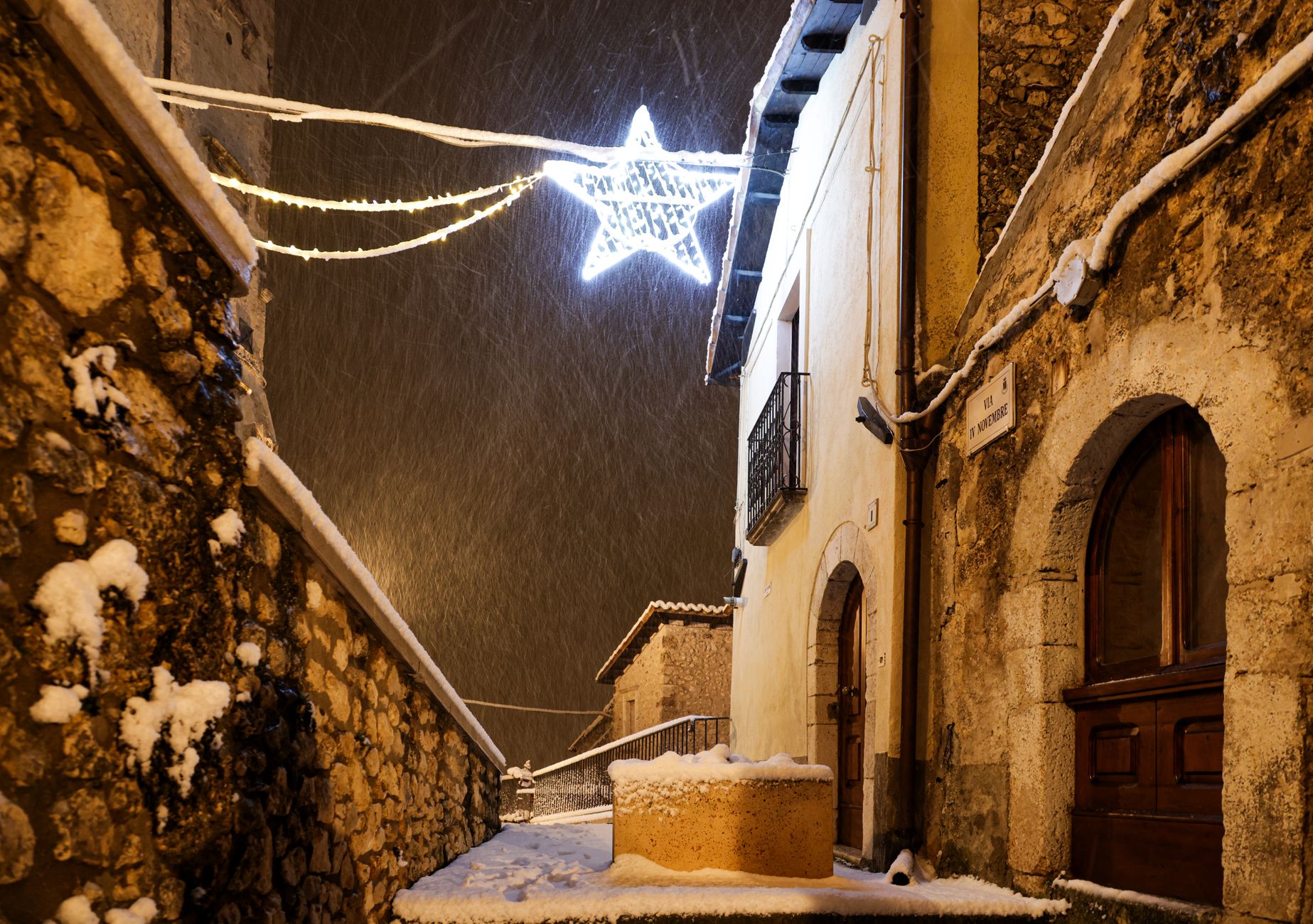
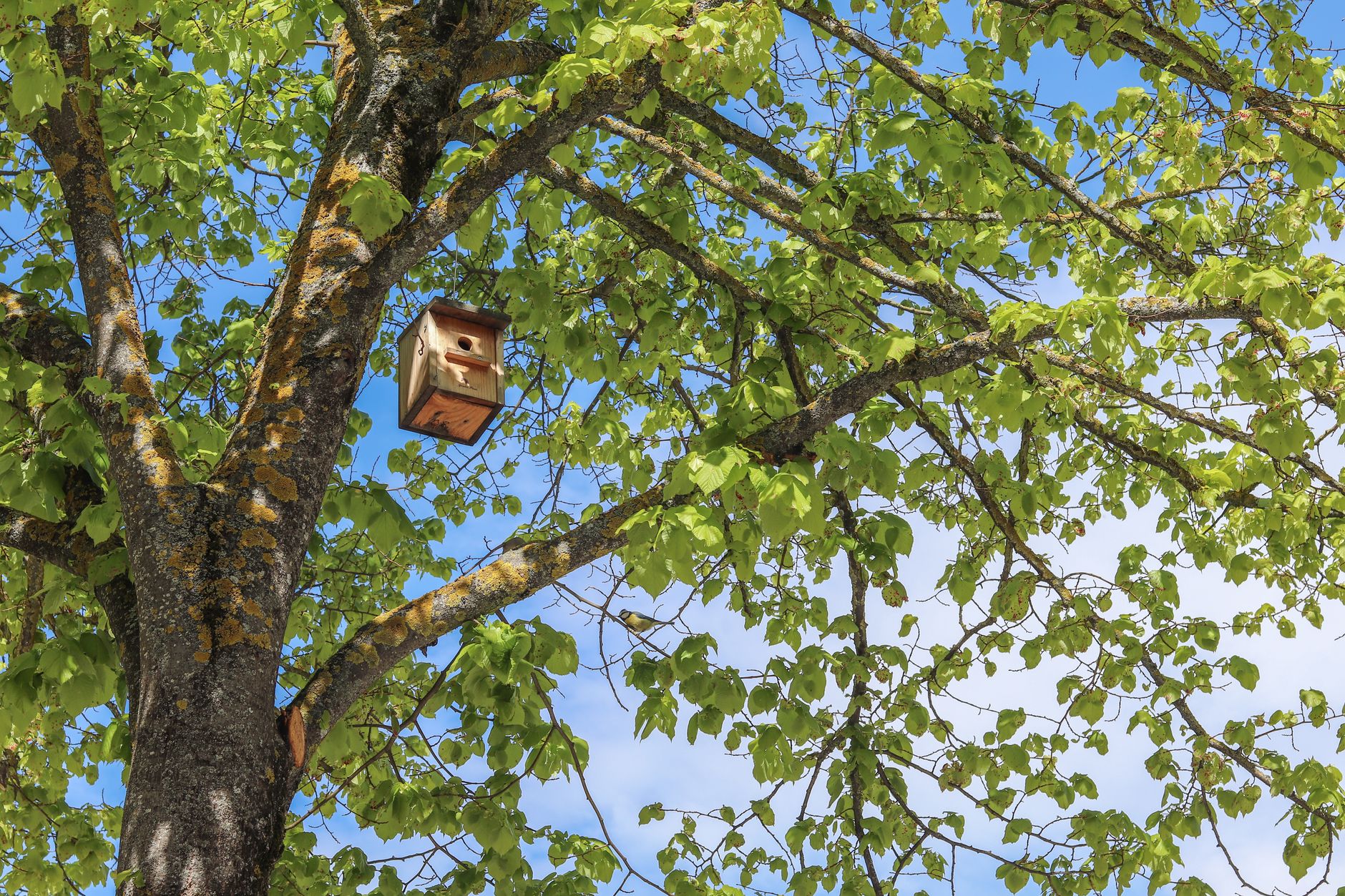
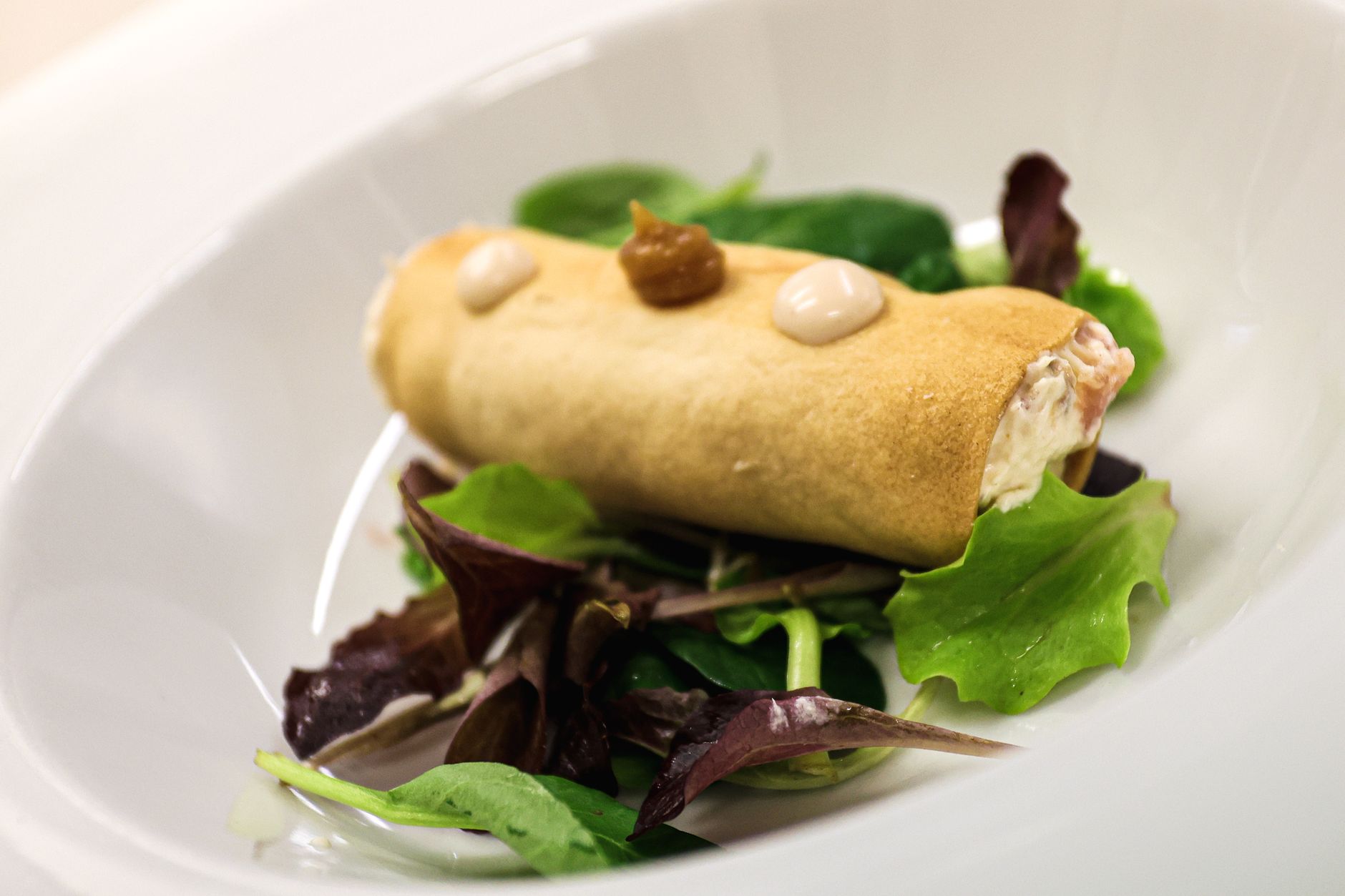
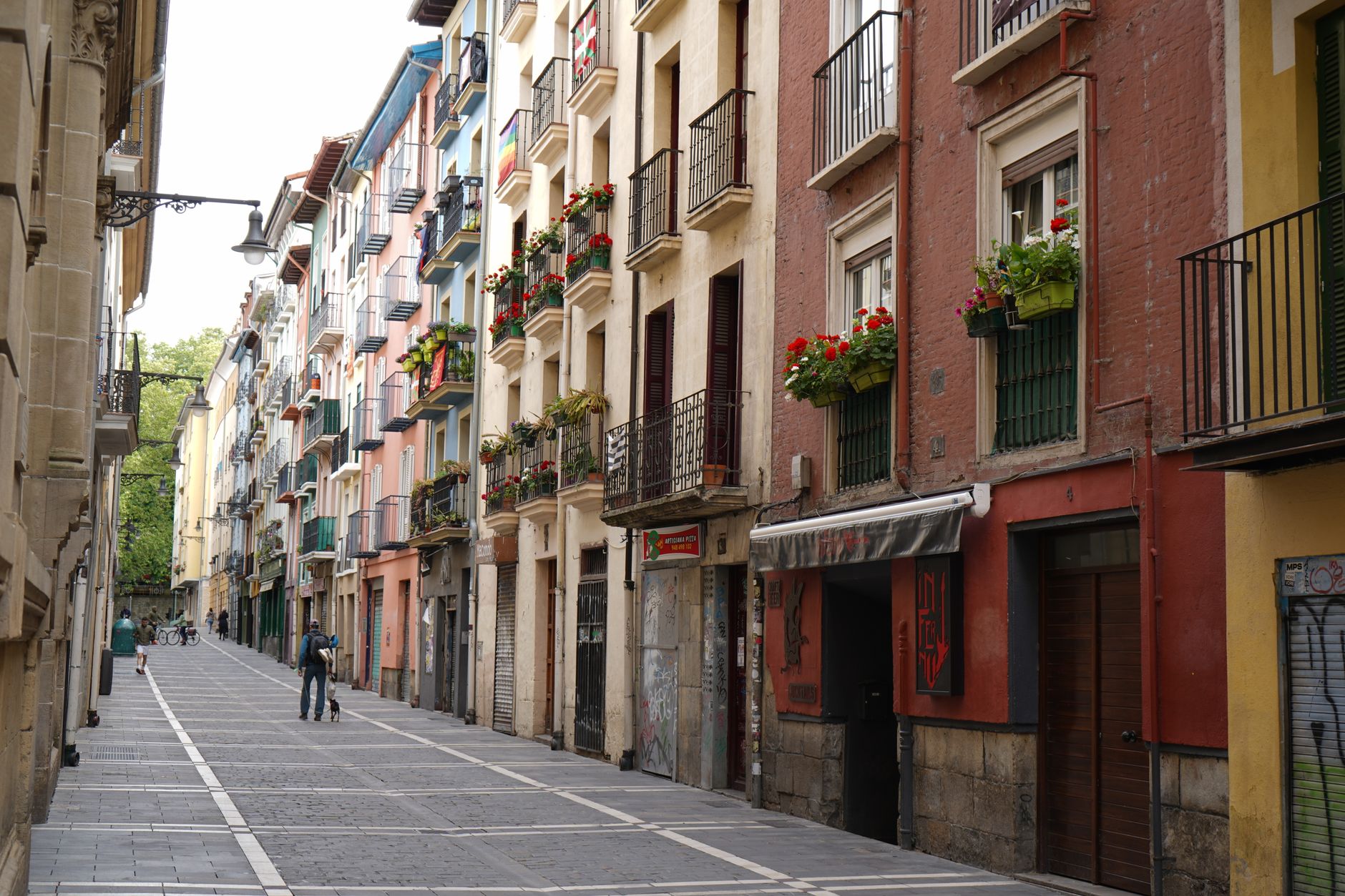
The Ega loops hard through town, cutting deep chalky limestone beneath the 12th-century capitals of San Pedro de la Rúa. Pilgrim boot leather scrapes against wet cobbles in the Plaza de San Martín by dawn, while tavern cooks across the river prepare wood ovens for suckling pig. Founded in 1090 to tax and feed the road to Santiago, it remains a proud, stubborn market town of Romanesque arcades, stiff local red wines, and very few tourist concessions.
Last updated 30 Aug 2026
Build a Estella-Lizarra itinerary.
Choose up to 4 threads that pull you in. Your plan arrives organised around them.
The Bed
Where to stay in Estella-Lizarra
Which part of town to book, and what each one costs you in walking, noise or quiet.
The Comparison
Estella-Lizarra, or somewhere near it
The places you are realistically choosing between, and the honest case for each.
The Local Record
Where to read more about Estella-Lizarra
The blogs, boards, guides and operators worth bookmarking.
What to do in Estella-Lizarra Navarre Spain
Estella-Lizarra splits neatly along the River Ega, where medieval pilgrim routes meet a bustling agricultural centre. Days here follow the cadence of church bells, mid-morning coffee in Plaza de los Fueros, and long lunches built around roasted pork and garden vegetables. It suits curious walkers, history readers, and travellers who prefer unvarnished market towns over polished tourist preserves.
24 hours in Estella-Lizarra Navarre Spain
Start early at San Pedro de la Rúa to see the Romanesque cloister before crowds gather. Cross Puente de la Cárcel for a lunch of gorrín asado near Plaza de San Martín. Spend the afternoon browsing Calle Mayor and finish with a cold beer and chistorra pintxos in Plaza de los Fueros as the evening light hits the hills. Select 1 Day above to see it.
2 days in Estella-Lizarra Navarre Spain
A second day lets you follow the pilgrim track three kilometres west to the 11th-century Monasterio de Irache and its hillside vineyards. Return to town for pochas beans and fried Navarra trout at an old tavern, then spend a quiet afternoon wandering the riverside paths and shade of Los Llanos park. Choose 2 Days to expand the plan.
3 days in Estella-Lizarra Navarre Spain
With three days, venture north to hike the turquoise springs of Nacedero del Urederra in the Sierra de Urbasa. On your return, stop in the walled hill village of Villamayor de Monjardín to taste local oak-aged Graciano wines while looking across the plains of lower Navarre.
Estella-Lizarra Navarre Spain itineraries by interest
Sacred Architecture in Estella-Lizarra Navarre Spain
Examine the carved 12th-century capitals of San Pedro de la Rúa and the unfinished Gothic portal of the Church of the Holy Sepulchre on Calle Curtidores.
Regional Roasts in Estella-Lizarra Navarre Spain
Book a table for gorrín asado, suckling pig roasted crisp in wood ovens, best paired with a carafe of dry Tierra Estella Garnacha.
Wine Traditions in Estella-Lizarra Navarre Spain
Walk three kilometres out to the wine fountain at Bodegas Irache or taste mineral reds in nearby Villamayor de Monjardín.
Pilgrimage Routes in Estella-Lizarra Navarre Spain
Follow yellow Camino arrows along Calle Mayor, crossing the steep Puente de la Cárcel arched high over the rushing River Ega.
Local Confectionery in Estella-Lizarra Navarre Spain
Stop at pastry shops near Plaza de los Fueros for Rocas del Puy, crunchy hazelnut praline clusters dusted in dark chocolate.
Market Produce in Estella-Lizarra Navarre Spain
Browse Thursday stalls for white Lodosa asparagus, sweet piquillo peppers, and fresh pochas beans simmered with local chistorra.
Civil History in Estella-Lizarra Navarre Spain
Visit the 12th-century Palace of the Kings of Navarre, a rare intact Romanesque civil hall displaying works by painter Jorge Oteiza.
River Walks in Estella-Lizarra Navarre Spain
Stroll the shade of Los Llanos park along the Ega, crossing wooden footbridges where trout fishermen work the quiet pools.
Mountain Trails in Estella-Lizarra Navarre Spain
Hike the karst trails and turquoise waters of Nacedero del Urederra in the nearby beech forests of the Urbasa mountain range.
Fortified Ruins in Estella-Lizarra Navarre Spain
Climb steep stone paths up to the remnants of Castillo Mayor and the Ermita de la Cruz for broad views across the Ega valley.
Aperitif Culture in Estella-Lizarra Navarre Spain
Order house-macerated pacharán alongside a pintxo of Navarra trout wrapped in jamón serrano at the bars around Plaza de Santiago.
Village Day Trips in Estella-Lizarra Navarre Spain
Drive fifteen minutes east to the Romanesque bridge of Puente la Reina or south to the medieval ramparts of Artajona.