

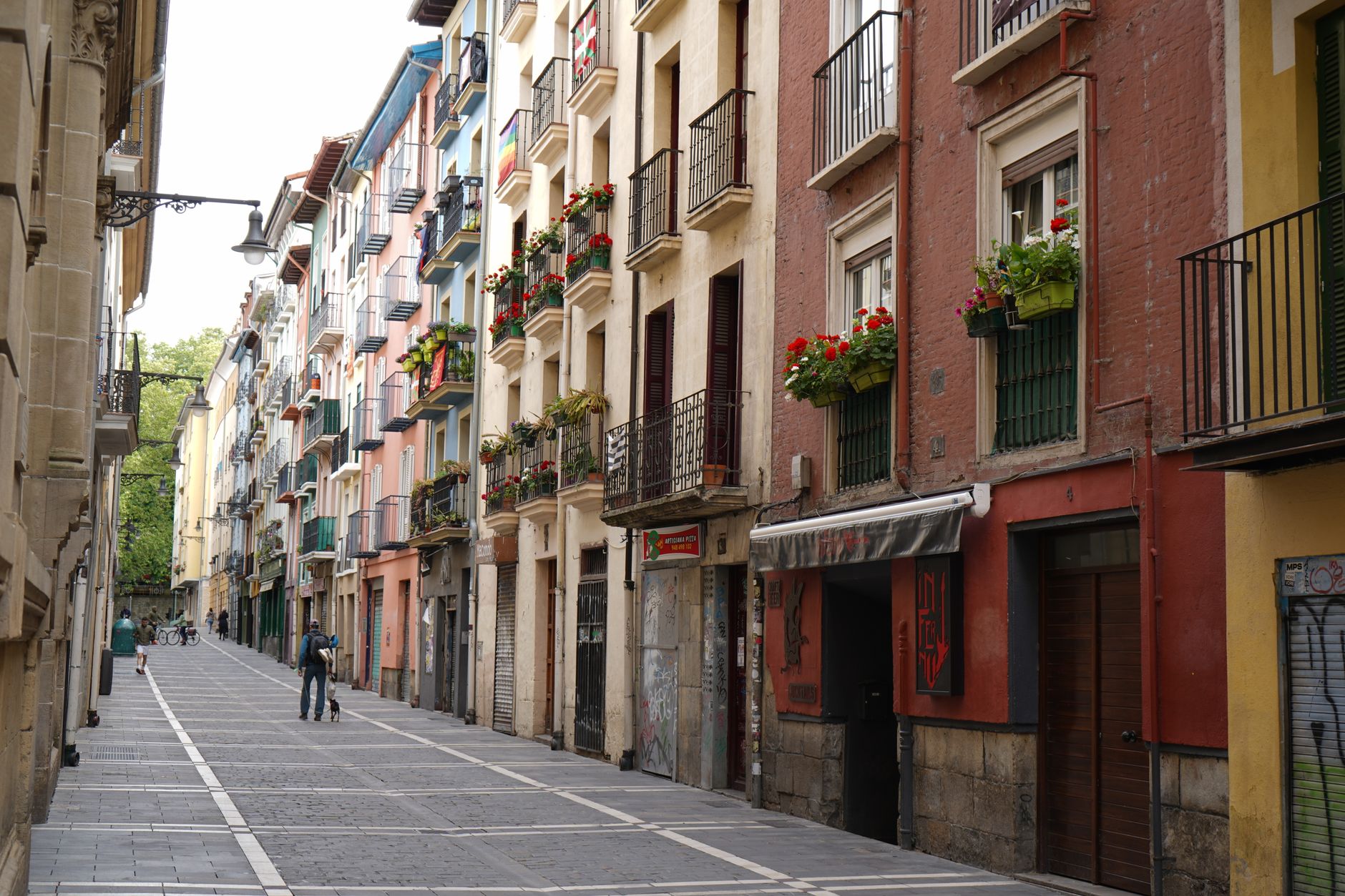
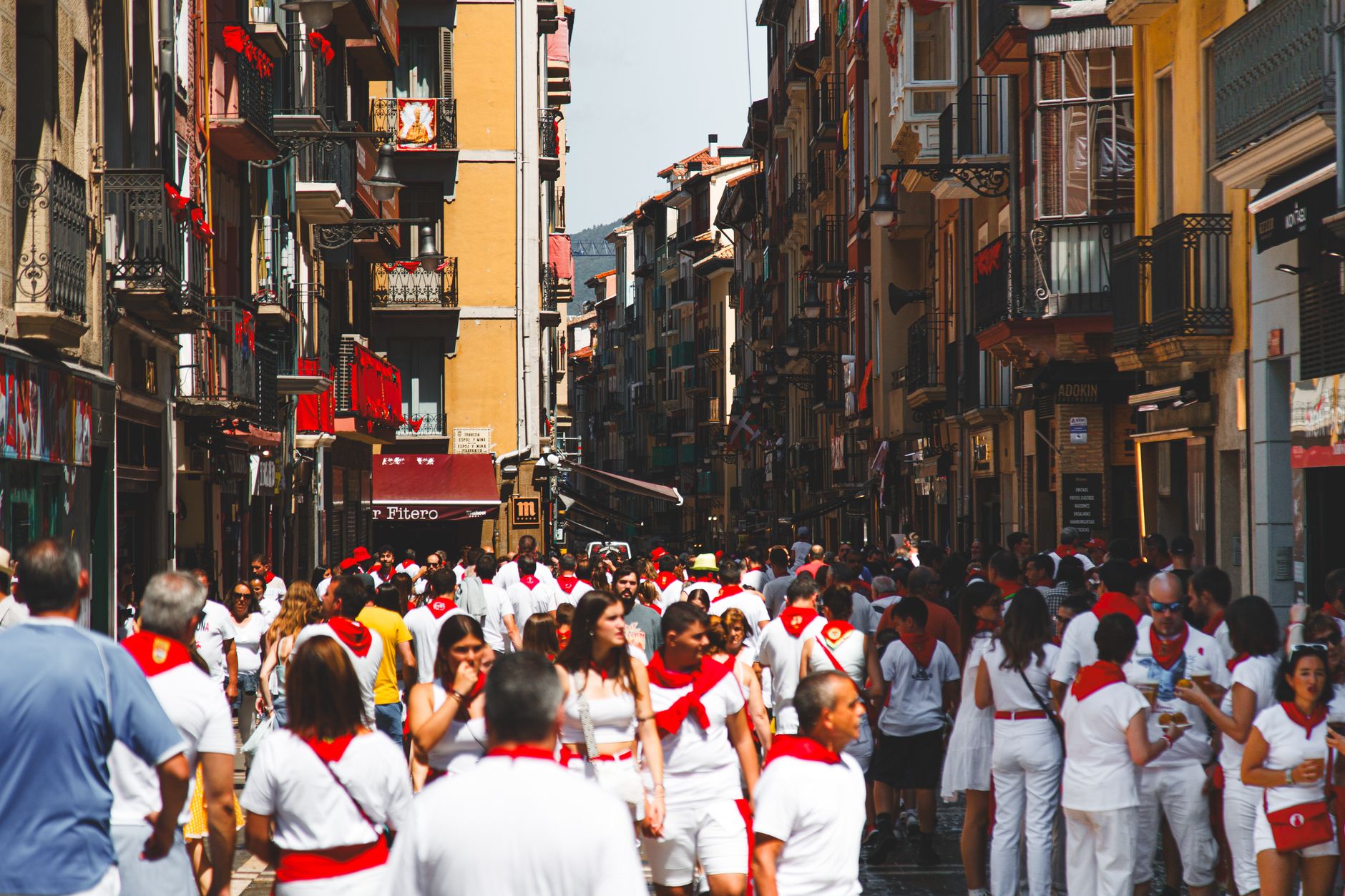
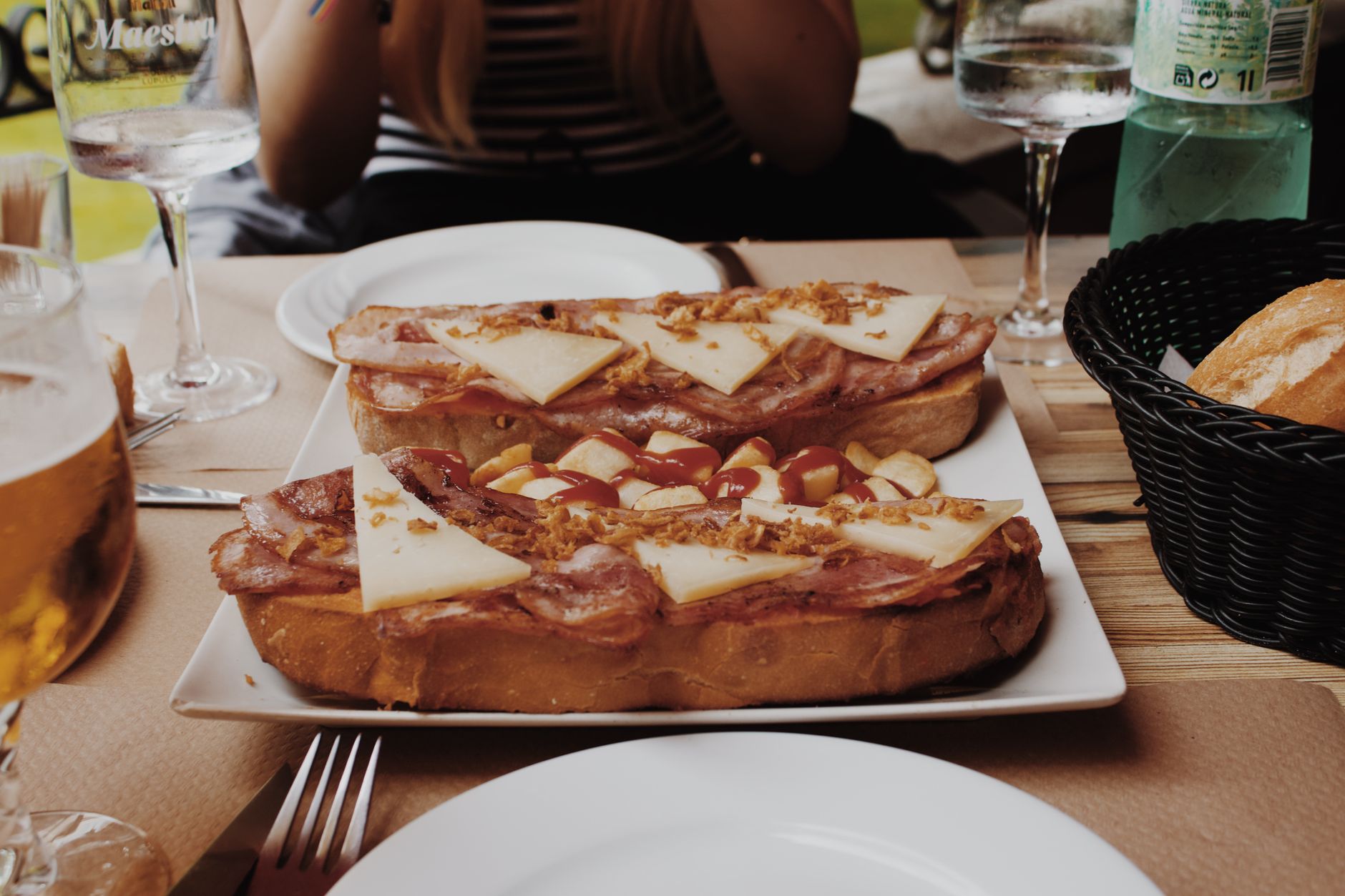
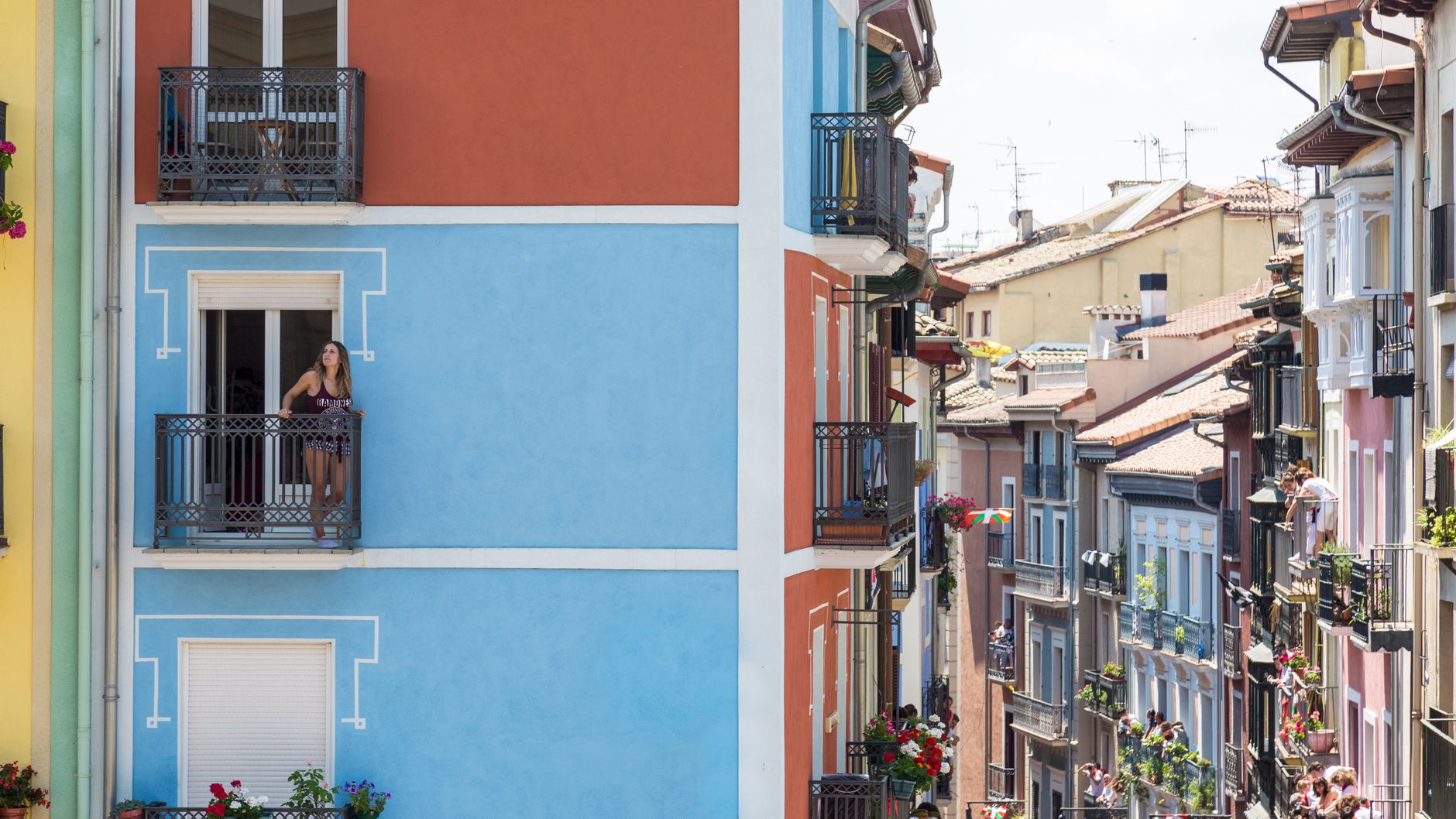
Pamplona stands high above the Arga river, girded by massive stone fortifications that held off armies and now keep the wind at bay. Beyond the July madness of San Fermín, it is a sturdy, civilised northern city of stone arcades, deep green parks, and counters crowded with fritos and pochas beans. You walk the narrow limestone paved alleys of the Casco Viejo in an afternoon, where cider pours from high bottles and the air smells pleasantly of woodsmoke, roasted peppers, and damp mortar.
Last updated 22 Aug 2026
Build a Pamplona itinerary.
Choose up to 4 threads that pull you in. Your plan arrives organised around them.
We'll craft a 3-lens plan for Pamplona, one collapsible strand per lens.
City Parks
Rest your legs in the Parque de la Taconera, where deer and peacocks roam the old moat gardens beneath shade trees planted in the nineteenth century.
City Parks
Rest your legs in the Parque de la Taconera, where deer and peacocks roam the old moat gardens beneath shade trees planted in the nineteenth century.
Fortress Ramparts Morning Walk
Parque de la Taconera
Enter free through Portal de San Nicolás. Walk the sixteenth-century moats and shaded gravel paths for forty-five minutes among resident deer and peacocks.
Editor TipNavarre built these thick stone bastions after the 1512 annexation by Castile, creating a green military buffer that now preserves century-old beech trees. Sit on the stone benches along the southern balustrade for an unobstructed view toward the Sierra del Perdón.
Ramparts Walk and Deer Moat
Jardines de la Taconera
Wander the shaded gravel paths and look down at the deer in the old dry moats. Free entry, open daily from dawn, and forty-five minutes is plenty of time.
Editor TipDesigned in 1830 inside sixteenth-century bastions, this romantic park sheltered locals during siege warfare and remains Pamplona’s most tranquil green space. Enter via Portal de San Nicolás on Calle Bosquecillo for the best elevated view into the animal trenches.
Tapas & Bars
Stand shoulder to shoulder along Calle Estafeta and Calle San Nicolás for chistorra sausage, fried egg fritos, and glasses of dry Garnacha poured with zero ceremony.
Tapas & Bars
Stand shoulder to shoulder along Calle Estafeta and Calle San Nicolás for chistorra sausage, fried egg fritos, and glasses of dry Garnacha poured with zero ceremony.
Slow-Braised Ajoarriero Tasting
Bar Gaucho
Order directly at the marble counter without reservations. Ask for the warm ajoarriero salt-cod stew pintxo with a glass of Navarrese Garnacha rosé.
Editor TipAjoarriero evolved from muleteers slowly simmering preserved cod with dried choricero peppers, garlic, and ripe tomatoes over embers on mountain trades. Arrive right at 11:30 to claim elbow room at the counter before the local courthouse crowd fills the floor.
Midmorning Ajoarriero and Rosado
Bar Fitero
Squeeze up to the crowded bar on Calle Estafeta and order the ajoarriero pintxo with a glass of cold Navarra rosado. Expect to pay under five euros.
Editor TipAjoarriero is Navarra’s staple muleteer stew, slow-braising salt cod with sweet piquillo peppers, garlic, and ripe tomatoes in a clay dish since the eighteenth century. Grab a spot near the kitchen pass where piping-hot cazuelitas land fresh every ten minutes.
Clay-Pot Ajoarriero and Garnacha
Bodega Sarria
Open nightly from 20:00. Stand at the curved timber bar, order the bubbling ajoarriero with crusty pan cabezón, and pair it with a dry Navarra rosé. Budget twenty euros.
Editor TipNavarrese muleteers hauled Cantabrian salt cod over the Pyrenees, simmering it in earthen pots with garden garlic, sweet tomatoes, and wood-roasted Lodosa piquillo peppers. Stand right by the timber casks; you will get served immediately and avoid the crush at the front door.
Plaza Chiquiteo and Pintxos
Bar La Cueva
Grab a table facing the castle walls around 19:30. Order a glass of local Garnacha and warm morcilla skewers at the counter. Expect to spend under ten euros before strolling the palace perimeter.
Editor TipThe chiquiteo is the northern ritual of moving bar to bar for small glasses of wine and single bites, anchoring social life in Navarrese towns since the medieval market charters of the thirteenth century. Stand near the timber bar if you want faster service. Locals rarely sit down for the first drink of the evening.
Regional Stews
Spoon up comforting bowls of tender pochas beans with quail, braised bull tail in red wine sauce, and cardoon thistle sautéed with jamón in quiet family comedores.
Regional Stews
Spoon up comforting bowls of tender pochas beans with quail, braised bull tail in red wine sauce, and cardoon thistle sautéed with jamón in quiet family comedores.
Mountain Bean Stew Almuerzo
Venta de Ulzama
Pull up to this stone roadside inn on the Belate pass for an early counter almuerzo. Order a bowl of white pochas beans simmered with chistorra and a glass of dry sidra for under ten euros.
Editor TipFor over a century, Navarrese ventas have sustained travellers crossing the Pyrenean foothills with slow-simmered bean pots and cuajada curd set with red-hot river stones. Ask for the sheep milk cuajada dessert if the kitchen has turned out the morning batch early.
Slow-Simmered Pocha Stew
Restaurante Casa del Preboste
Book a table for 14:15. Order the pochas de Sangüesa stewed with chistorra sausage and a carafe of cold Baja Montaña rosado. Lunch runs two leisurely hours and costs around thirty euros.
Editor TipNavarrese pochas are unripened white beans shelled fresh before drying, yielding a delicate, creamy texture when braised with garlic, sweet peppers, and pork fat rather than heavy broth. Ask for a plate of pickled piparra peppers on the side. The acidity cuts through the rich pork broth brilliantly.
Wildcards
Worth your time whatever brought you here.
Wildcards
Worth your time whatever brought you here.
Ancient Oak Forest Walk
Bosque de Orgi
Drive 25 minutes north on the N-121-A to Lizaso. Walk the flat, signposted two-kilometre trail through the centuries-old oak canopy; admission is three euros at the wooden cabin.
Editor TipThis 80-hectare reserve is a rare surviving pocket of humid oak woods that once blanketed northern Navarre, preserved intact since the Middle Ages as communal grazing land. Wear waterproof walking shoes; morning dew lingers in the ferns even in late spring.
Note from the Editor
“Start earlier than you think you need to. Pamplona wakes with a quiet dignity before the midday crowds hit Calle San Nicolás, giving you the ramparts entirely to yourself.”
The Bed
Where to stay in Pamplona
Which part of town to book, and what each one costs you in walking, noise or quiet.
The Comparison
Pamplona, or somewhere near it
The places you are realistically choosing between, and the honest case for each.
The Local Record
Where to read more about Pamplona
The blogs, boards, guides and operators worth bookmarking.
What to do in Pamplona Navarre Spain
Pamplona is compact, walkable, and blissfully unhurried outside the festival rush. The city revolves around the Casco Viejo and its central living room, Plaza del Castillo. Mornings suit strolling the intact ramparts and Santo Domingo market stalls, while afternoons drift naturally into tavern crawls across Calle San Nicolás. It suits travellers who appreciate honest regional cooking, leafy green rampart walks, and deep layers of northern Spanish history.
24 hours in Pamplona Navarre Spain
Start at Portal de Francia with the pilgrims, then cross to the cathedral cloister by mid-morning. Grab lunch at a counter on Calle San Nicolás for chistorra and fried pimientos. Spend the afternoon wandering the Ciudadela gardens before an evening vermouth on Plaza del Castillo. Everything is within a fifteen-minute walk. Select 1 Day above to see it.
2 days in Pamplona Navarre Spain
Dedicate your morning to the Museo de Navarra to see Roman mosaics and Goya portraits, followed by a sit-down lunch of stewed pochas and lamb chilindrón in the San Cernin quarter. Spend the afternoon resting in the leafy Taconera gardens and browsing the bakeries of Calle Mayor for coronas cakes. Choose 2 Days to expand the plan.
3 days in Pamplona Navarre Spain
A third day lets you hire a car or catch a bus south to the Gothic battlements and cellars of Olite, or head north into the beech forests of the Baztan Valley. Finish back in town with a cold glass of pacharán and a quiet plate of local Roncal cheese beside the city walls.
Pamplona Navarre Spain itineraries by interest
Tapas & Bars in Pamplona Navarre Spain
Stand shoulder to shoulder along Calle Estafeta and Calle San Nicolás for chistorra sausage, fried egg fritos, and glasses of dry Garnacha poured with zero ceremony.
Fortifications & Ramparts in Pamplona Navarre Spain
Walk the three-mile circuit of Renaissance defensive walls at the Ciudadela and the Portal de Francia, where Camino pilgrims still enter the old city through a drawbridge.
Produce & Markets in Pamplona Navarre Spain
Visit Mercado de Santo Domingo for tender Tudela artichokes, thick white asparagus spears, and fresh Roncal cheese cut straight from the wheel by third-generation mongers.
Sacred Architecture in Pamplona Navarre Spain
Explore the fourteenth-century Gothic cathedral of Santa María la Real, ducking into the cloister to study delicate stone carvings far from the lunchtime crowds.
Wine & Vineyards in Pamplona Navarre Spain
Sip crisp DO Navarra rosados and barrel-aged Tempranillo in wood-beamed tabernas, or sample herbal pacharán liqueur made from local sloe berries steeped in anise.
City Parks in Pamplona Navarre Spain
Rest your legs in the Parque de la Taconera, where deer and peacocks roam the old moat gardens beneath shade trees planted in the nineteenth century.
Local History in Pamplona Navarre Spain
Retrace the 875-metre bull run from the Santo Domingo corrals up to the Plaza de Toros, reading brass route markers embedded directly in the cobblestones.
Plazas & Cafes in Pamplona Navarre Spain
Pull up a cane chair beneath the nineteenth-century porticos of Plaza del Castillo for strong black coffee, churros, and easy late-afternoon people-watching.
Regional Stews in Pamplona Navarre Spain
Spoon up comforting bowls of tender pochas beans with quail, braised bull tail in red wine sauce, and cardoon thistle sautéed with jamón in quiet family comedores.
Pilgrim Routes in Pamplona Navarre Spain
Watch dust-caked walkers cross the medieval Magdalena bridge, joining the Camino Francés path as it threads through the cobbled streets toward Santiago.
Modern Art in Pamplona Navarre Spain
Take the short walk to the Museo Universidad de Navarra, designed by Rafael Moneo, housing works by Picasso, Tàpies, and nineteenth-century Spanish photographers.
Day Trips in Pamplona Navarre Spain
Ride thirty minutes south to the fairytale turrets of Olite Castle, or venture north into the mist and beech groves of the Baztan Valley for wood-fired trout.