.jpg)
.jpg)
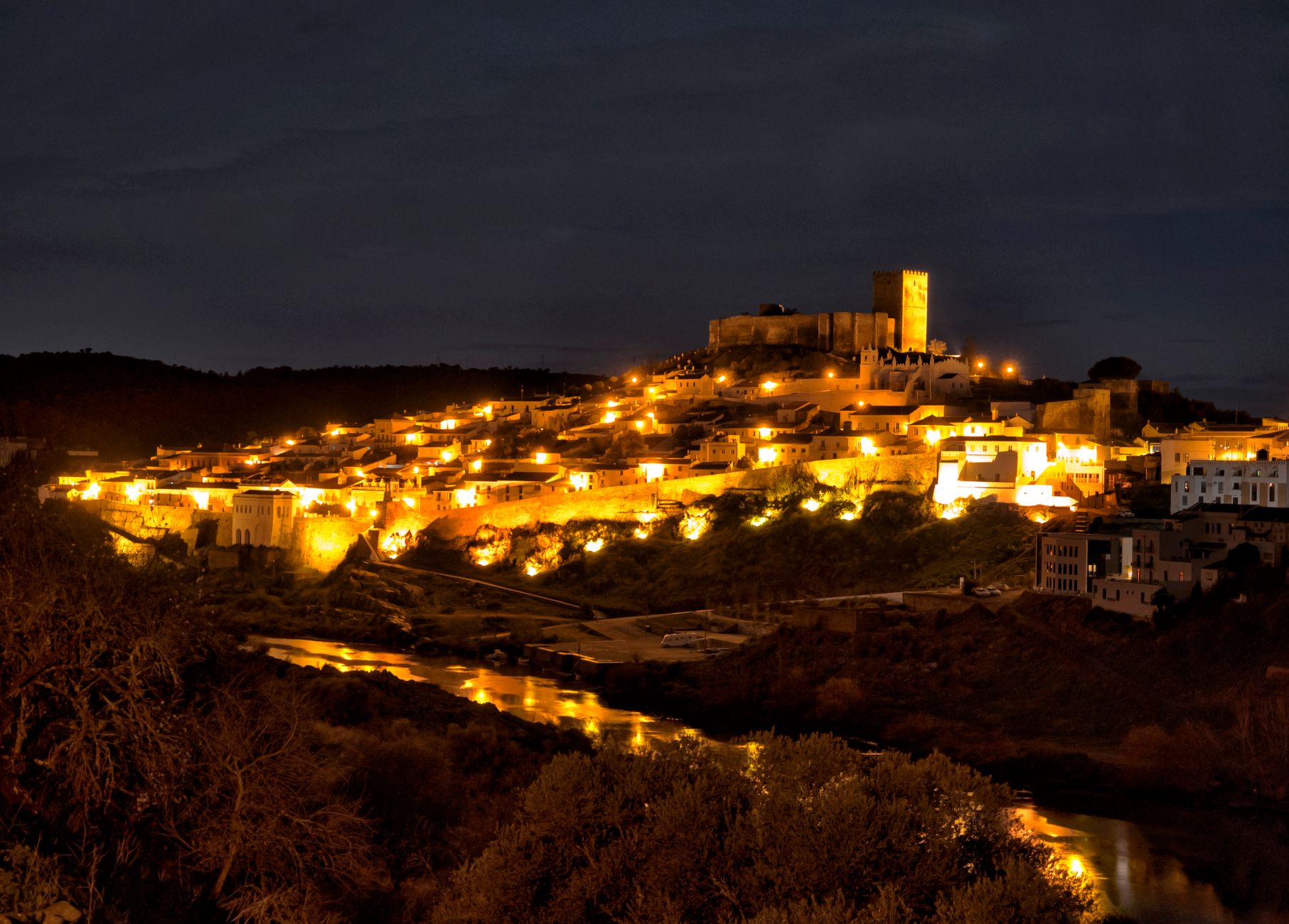
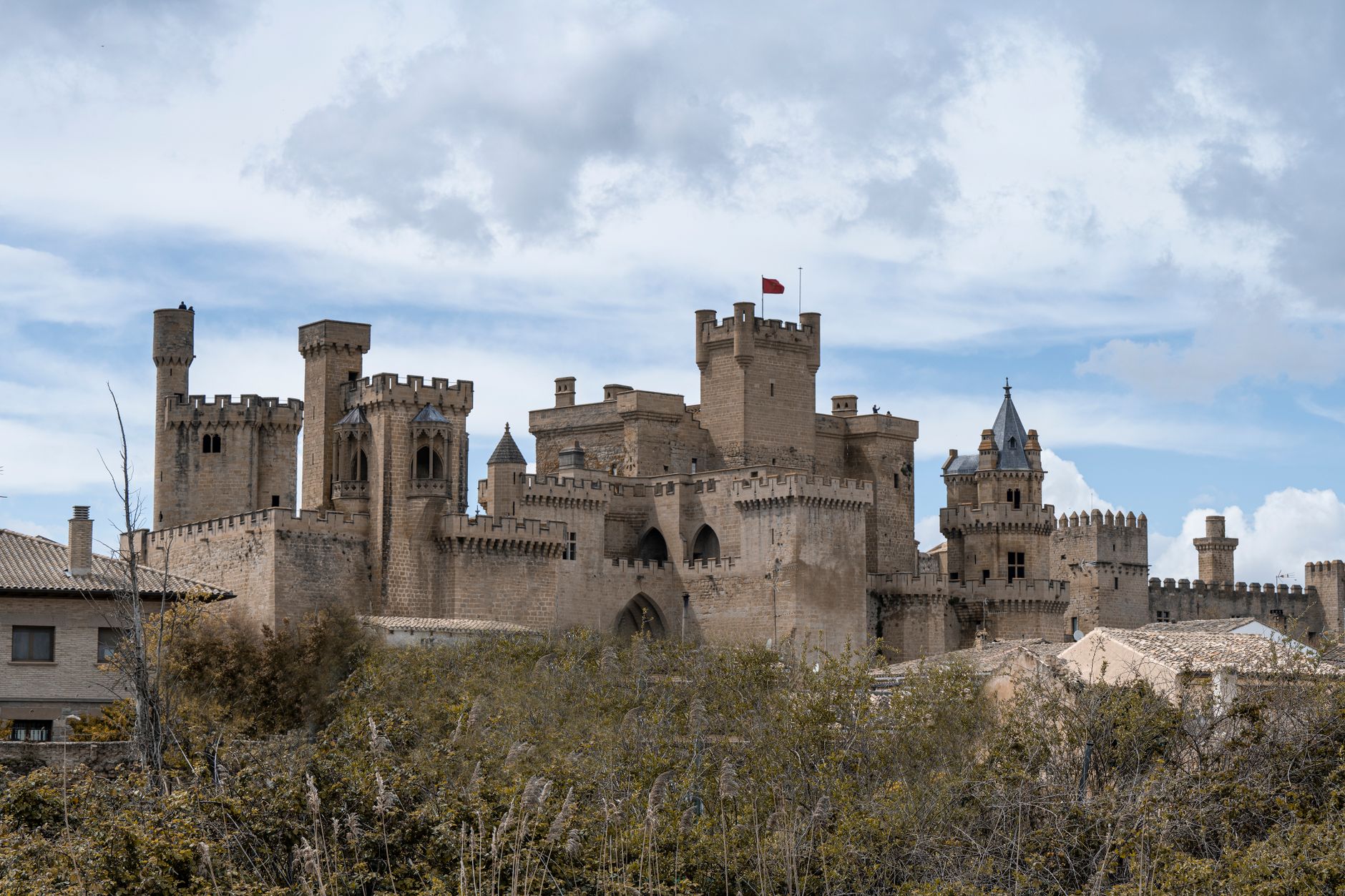

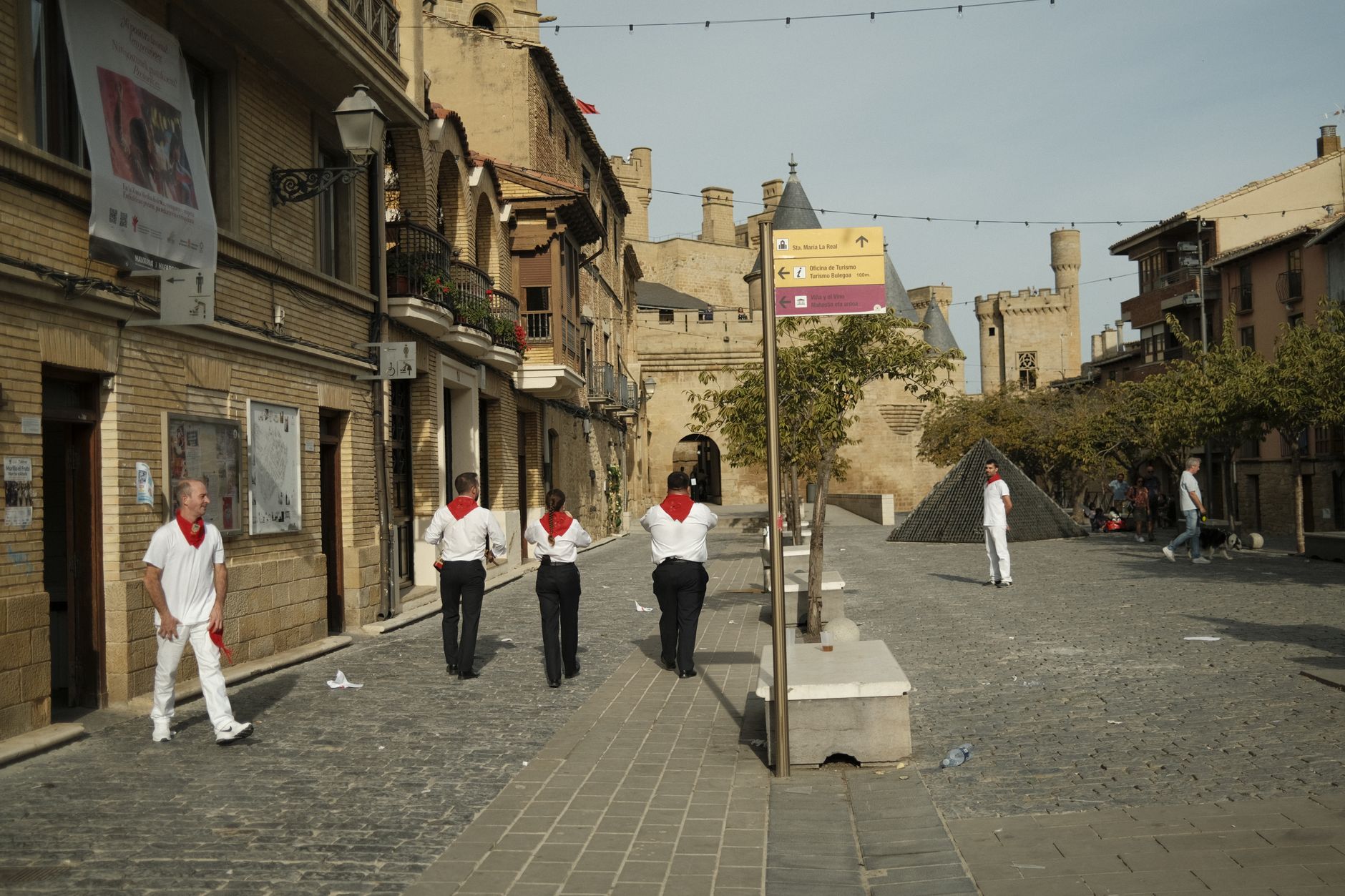
Dust blows off the southern Navarre plains before the limestone turrets of Charles III’s 15th-century castle rise to stop it. This was the seat of the Kings of Navarre, though today it feels like a quiet stone town wrapped around an astonishingly elaborate fortress. Footsteps echo down Rúa Mayor, where old bodegas pour local garnacha into thick glasses beside plates of piquillo peppers and artichokes. It takes twenty minutes to walk across, yet you end up staying half the day just looking up at the battlements.
Last updated 26 Aug 2026
Build a Olite itinerary.
Choose up to 4 threads that pull you in. Your plan arrives organised around them.
The Bed
Where to stay in Olite
Which part of town to book, and what each one costs you in walking, noise or quiet.
The Comparison
Olite, or somewhere near it
The places you are realistically choosing between, and the honest case for each.
The Local Record
Where to read more about Olite
The blogs, boards, guides and operators worth bookmarking.
What to do in Olite Navarre Spain
Olite centres entirely on its dramatic Gothic palace, but the real pleasure is the compact web of medieval stone lanes radiating outward. Life moves at an unhurried pace around Plaza Carlos III, where locals drink pale rosado in the shade. It suits travellers who appreciate history without the tour-bus stampede, great regional wine, and easy walking between Romanesque churches, open cellar doors, and small neighbourhood taverns.
24 hours in Olite Navarre Spain
Book the earliest morning entry for the Palacio Real to climb the towers before the midday heat. Cross Plaza Teobaldos for a lunch of braised pochas beans and roasted lamb, then spend the afternoon tasting old-vine Garnacha along Rúa Mayor before catching the evening light over the stone ramparts. Select 1 Day above to see it.
2 days in Olite Navarre Spain
A second day lets you venture outside the walls. Drive twenty minutes into the dry hills to explore the fortress village of Ujué, stopping for a pan of sizzling migas de pastor. Return to Olite for an evening tour of family-run bodegas like Ochoa or Vega del Castillo, followed by crisp Navarre white asparagus. Choose 2 Days to expand the plan.
3 days in Olite Navarre Spain
Three days unlocks the quiet southern reach of the region. Spend a slow morning watching waterbirds from the hides at Laguna de Pitillas, then head south to the striking clay gorges of the Bardenas Reales desert. Finish with a late dinner back in Olite, lingering over local sheep milk curd drizzled with wild honey.
Olite Navarre Spain itineraries by interest
Wine & Vineyards in Olite Navarre Spain
Taste bright Navarre rosados and old-vine Garnacha at Bodegas Ochoa or the historic underground cellars tucked beneath Rúa Mayor.
Medieval Architecture in Olite Navarre Spain
Climb the dizzying watchtowers and spiral stone stairs of the 15th-century Palacio Real, built under King Charles III the Noble.
Local Produce in Olite Navarre Spain
Sample Navarra’s agricultural pride across town, including Tudela artichokes, white asparagus, and wood-roasted piquillo peppers.
Sacred Architecture in Olite Navarre Spain
Inspect the intricate 13th-century Gothic portal and carved stone cloister at the Church of Santa María la Real beside the palace.
Regional Tapas in Olite Navarre Spain
Order chistorra sausage, fried croquetas, and local sheep cheeses at the casual tavern bars flanking Plaza Carlos III el Noble.
Historic Fortifications in Olite Navarre Spain
Walk the perimeter of Roman and medieval defense walls along Ronda de la Barbacana, punctuated by weathered stone watchtowers.
Day Trips in Olite Navarre Spain
Drive fifteen minutes north to the hilltop walled fortress of Ujué, known for rugged Romanesque stone and slow-roasted migas.
Monastic Life in Olite Navarre Spain
Visit the 13th-century Monasterio de San Francisco, founded according to local lore by Saint Francis of Assisi on his pilgrimage.
Nature & Birdwatching in Olite Navarre Spain
Wander the reed beds of nearby Laguna de Pitillas, a protected shallow wetland hosting migrating herons, marsh harriers, and ducks.
Wine Heritage in Olite Navarre Spain
Tour the Museo del Vino de Navarra on Plaza de Teobaldos to trace centuries of local viticulture and historic press machinery.
Walking & Hiking in Olite Navarre Spain
Follow the trail from Olite through rolling vineyards and olive groves toward the historic stone hermitage of Santa Brígida.
Traditional Baking in Olite Navarre Spain
Stop by Panadería Latorre for classic txantxigorri lard cakes and crusty Navarrese sourdough loaves baked fresh every morning.