_DSC_0750.jpg)

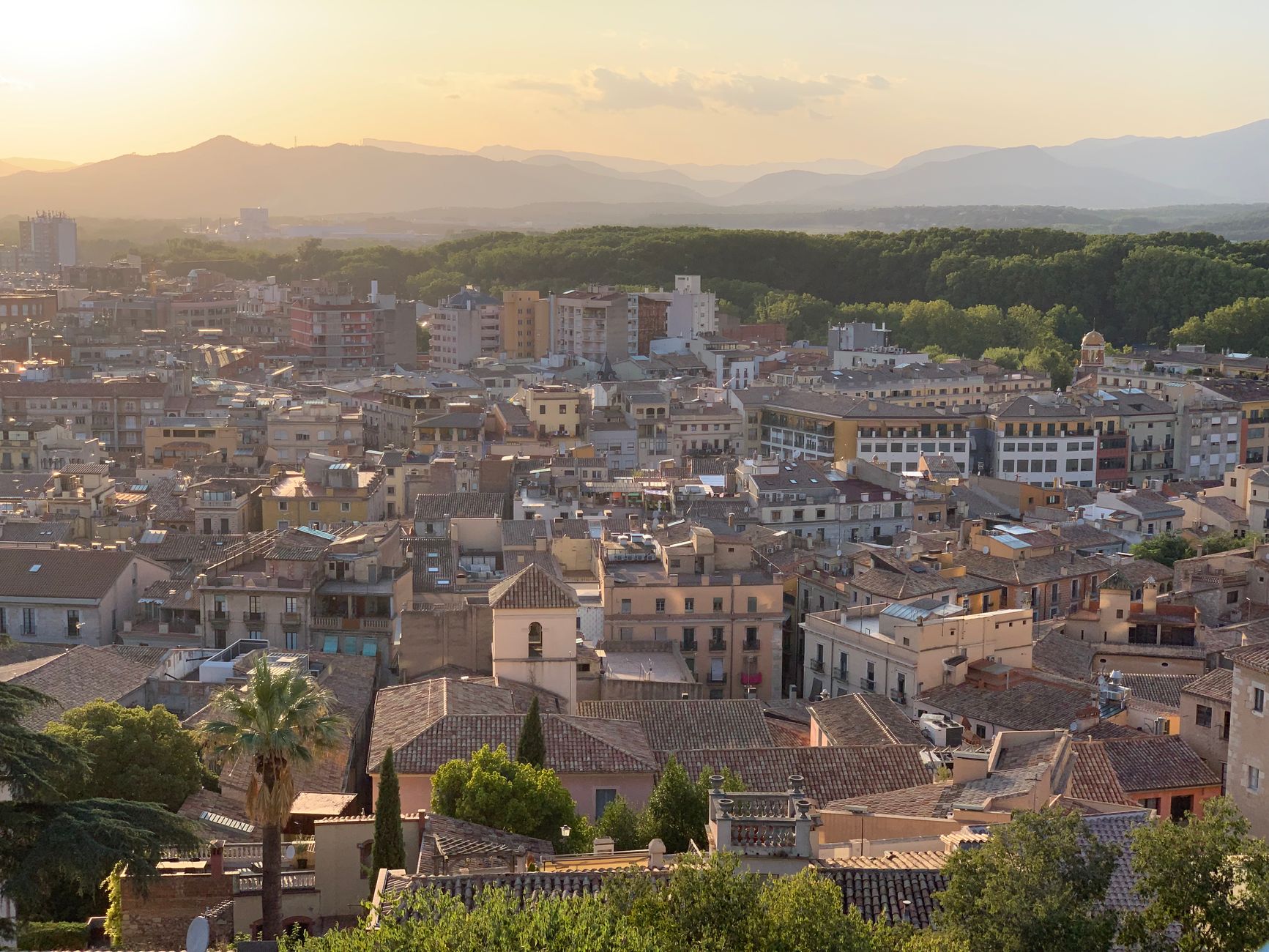



The fierce tramuntana wind scours the flat Alt Empordà plain before you step into the shade of the plane trees along La Rambla. Most people arrive by train from Barcelona on a morning pilgrimage to the egg-topped Dalí Theatre-Museum, blink at the surrealism, and rush back out. That is a mistake. Walk twenty minutes uphill to the vast, hollowed-out fortress of Castell de Sant Ferran, order an earthenware pot of slow-braised duck with pears, and the town quickly shows its quiet Catalan character.
Last updated 31 Aug 2026
Build a Figueres itinerary.
Choose up to 4 threads that pull you in. Your plan arrives organised around them.
The Bed
Where to stay in Figueres
Which part of town to book, and what each one costs you in walking, noise or quiet.
The Comparison
Figueres, or somewhere near it
The places you are realistically choosing between, and the honest case for each.
The Local Record
Where to read more about Figueres
The blogs, boards, guides and operators worth bookmarking.
What to do in Figueres Catalonia Spain
Life here orbits around the broad, shaded promenade of La Rambla and the eccentric landmark at its edge, but Figueres functions primarily as a grounded market hub. It suits independent travellers who enjoy straightforward Catalan dining, easy train connections, and unvarnished town rhythm. Between the sprawling eighteenth-century ramparts and the daily bustle of Plaça del Gra, days move comfortably without manufactured charm.
24 hours in Figueres Catalonia Spain
Pre-book a 9:00 AM entry to the Dalí Theatre-Museum before crowds crest, then walk up Carrer del Castell to tour Castell de Sant Ferran. For lunch, order arròs a la cassola at a family tavern off Plaça de les Patates. Wrap up with a late vermut and olives beneath the plane trees on La Rambla. Select 1 Day above to see it.
2 days in Figueres Catalonia Spain
A second morning opens up the Museu de l'Empordà for archaeological history and the Museu del Joguet. In the afternoon, take a short bus down to the coast at Roses or rent a car to explore the vineyards of DO Empordà, finishing with a dinner of chicken and langoustines at an unpretentious fonda. Choose 2 Days to expand the plan.
3 days in Figueres Catalonia Spain
With three days, use Figueres as a quiet base. Take the local bus to the whitewashed alleys of Cadaqués and hike Cap de Creus, or head inland to the Romanesque bridge and stone arcades of Besalú. Evenings return you to the unhurried dinner tables of Carrer de Peralada.
Figueres Catalonia Spain itineraries by interest
Modern Art in Figueres Catalonia Spain
The Dalí Theatre-Museum holds the painter’s crypt alongside Mae West installations, painted ceilings, and bizarre gold-mannequin courtyards.
Military History in Figueres Catalonia Spain
Castell de Sant Ferran is an enormous 18th-century pentagonal fortress; book a guided moat tour in an open jeep to see underground water cisterns.
Regional Wine in Figueres Catalonia Spain
DO Empordà reds showcase Carinyena and Garnatxa grapes shaped by the tramuntana wind; sample them at wine bars along Carrer de la Jonquera.
Local Cuisine in Figueres Catalonia Spain
Mar i muntanya cooking rules here, pairing chicken with crayfish or meatballs with cuttlefish, simmered down with a rich, nutty hazelnut picada.
Markets & Produce in Figueres Catalonia Spain
Plaça del Gra fills on Tuesdays, Thursdays, and Saturdays with stalls selling seasonal Empordà apples, fresh goat curds, and cured fuet sausages.
Historic Architecture in Figueres Catalonia Spain
Look beyond the surrealist hub to find Modernista townhouses along La Rambla, like Casa Cusí, and the Gothic nave of the Church of Sant Pere.
Sweet Traditions in Figueres Catalonia Spain
Local bakeries like Pastisseria Fàbrega sell flaons pastries filled with sheep’s milk cheese and the spiced, candied pork sausage botifarra dolça.
Town Walks in Figueres Catalonia Spain
Stroll shaded avenues down La Rambla into Plaça de l'Ajuntament, pausing at outdoor cafe tables for an afternoon vermut and salted marcona almonds.
Quirky Museums in Figueres Catalonia Spain
The Museu del Joguet de Catalunya houses thousands of antique mechanical toys, puppets, and early childhood games on Carrer de Sant Pere.
Coastal Excursions in Figueres Catalonia Spain
Take a 45-minute bus ride east to Cadaqués and the rocky coves of Cap de Creus, where slate cliffs meet cold, clear Mediterranean coves.
Medieval Heritage in Figueres Catalonia Spain
A twenty-minute drive west brings you to Besalú, where a 12th-century fortified stone bridge spans the Fluvià river beside ancient Jewish baths.
Cycling in Figueres Catalonia Spain
Rent a bike to trace flat agricultural lanes across the Alt Empordà out toward quiet stone villages, olive groves, and the ruins of Empúries.