


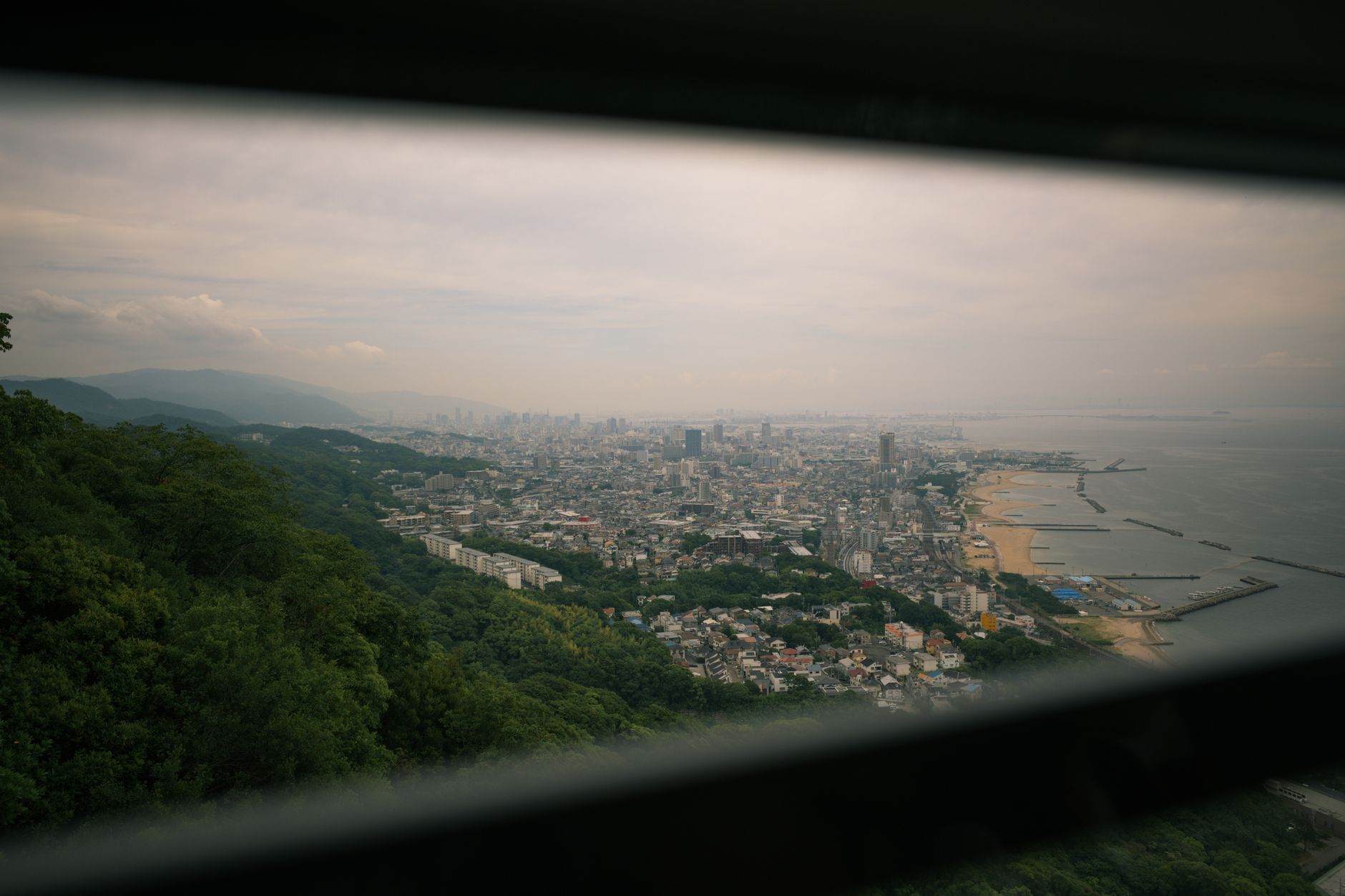
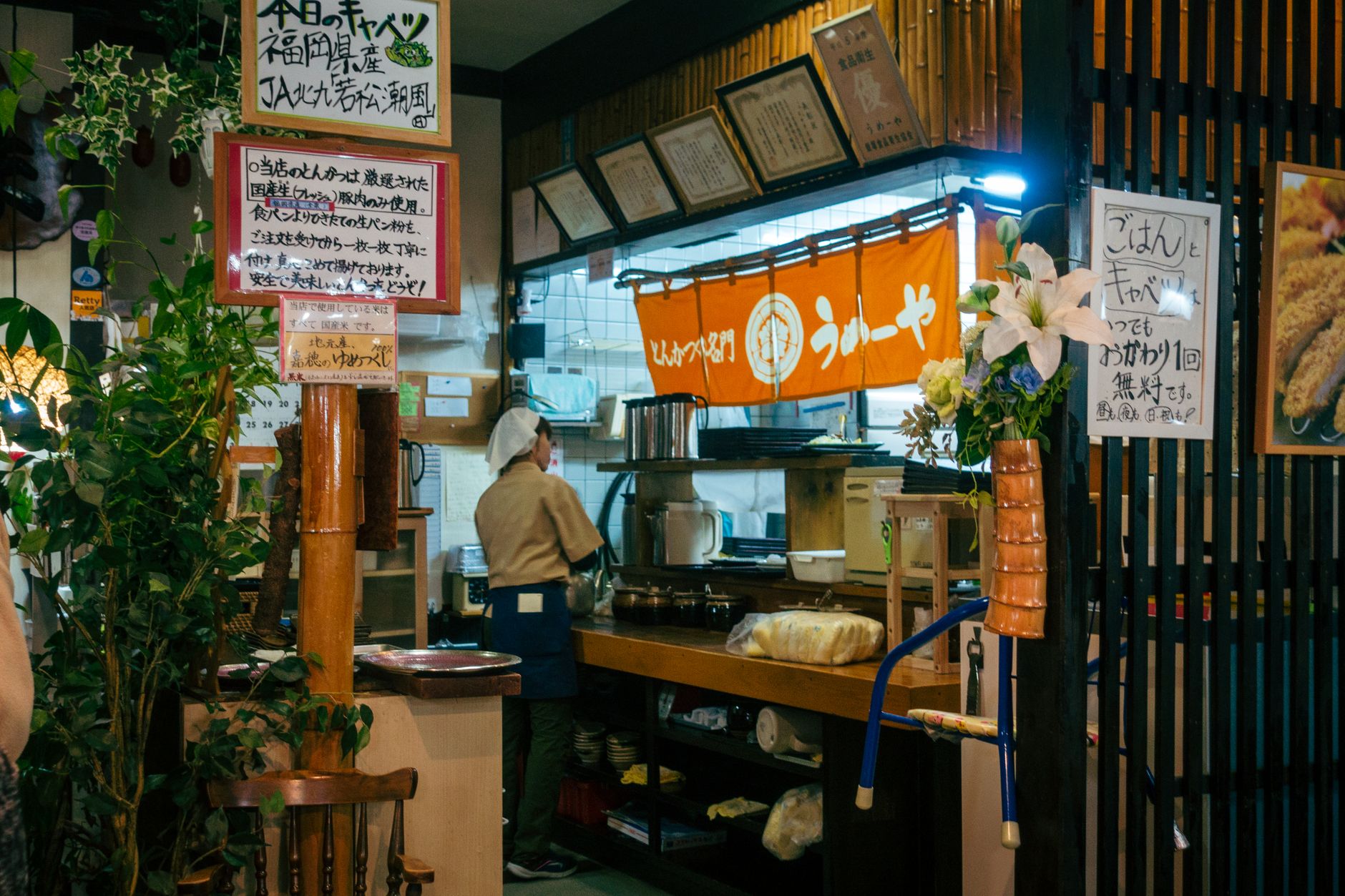
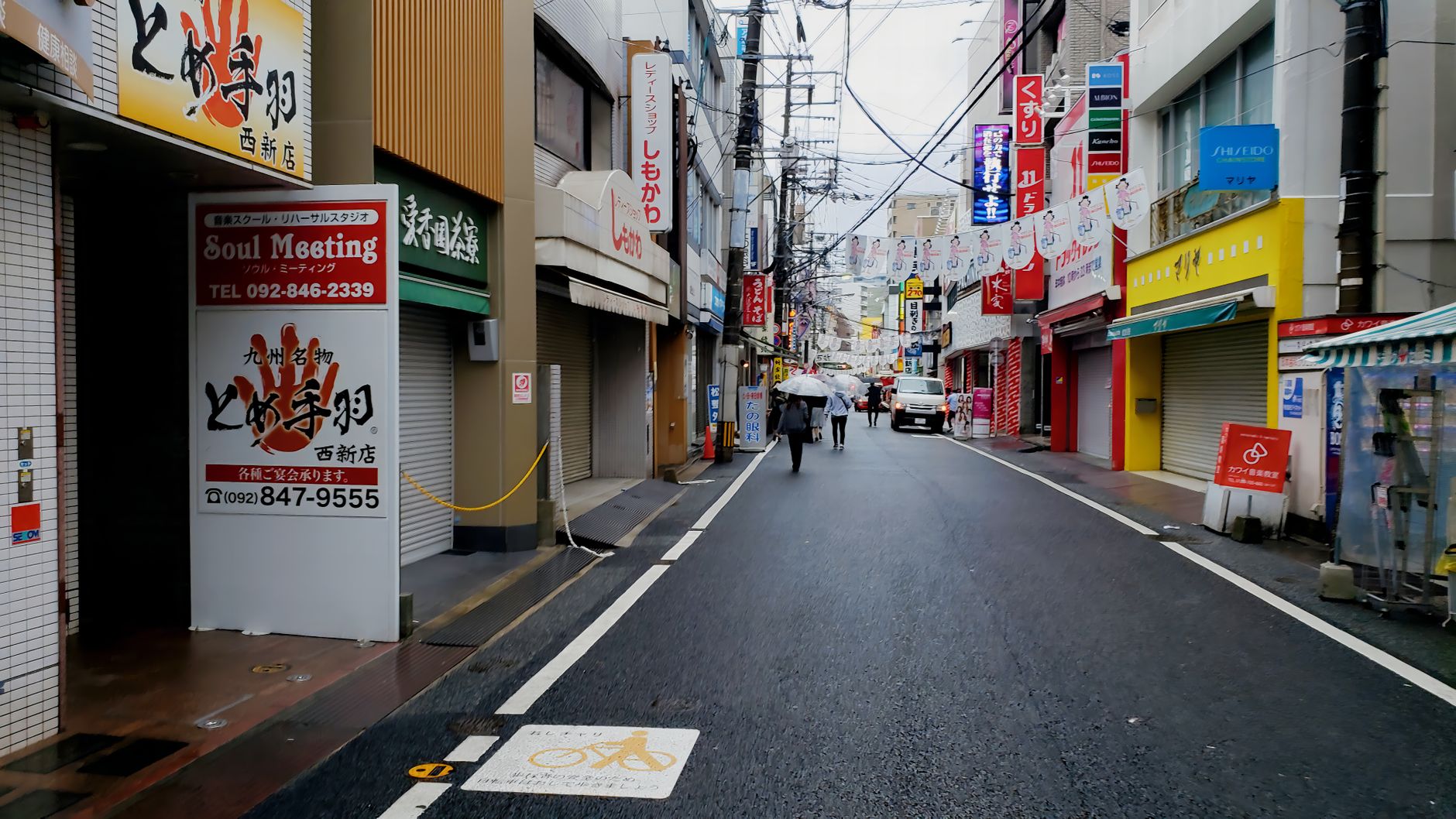
The Naka River cuts the city cleanly in two, separating the merchant grit of Hakata from the old samurai quarters of Fukuoka. You step off the train into salty bay air and the immediate clatter of steel woks. This is Japan turned toward the Asian mainland, practical and welcoming. By dusk, canvas-flapped wooden stalls roll out along the water, where cooks slice mentaiko cod roe and boil milky pork bone broth for late-night crowds.
Last updated 28 Aug 2026
Build a Fukuoka itinerary.
Choose up to 4 threads that pull you in. Your plan arrives organised around them.
The Bed
Where to stay in Fukuoka
Which part of town to book, and what each one costs you in walking, noise or quiet.
The Comparison
Fukuoka, or somewhere near it
The places you are realistically choosing between, and the honest case for each.
The Local Record
Where to read more about Fukuoka
The blogs, boards, guides and operators worth bookmarking.
What to do in Fukuoka Kyūshū Japan
The city revolves around its waterways, port trade, and late-night appetite. Mornings start quietly among ancient Zen temple compounds in Hakata, while afternoons pull you toward the breezy paths of Ohori Park and the independent shops of Daimyo. It suits travellers who prefer walkable distances, direct train links, and unpretentious eating over frantic sightseeing.
24 hours in Fukuoka Kyūshū Japan
Begin at Tochoji temple to view the carved wooden Buddha, then walk ten minutes south to Yanagibashi Rengo Market for morning fish broth. Spend the afternoon strolling Ohori Park. When darkness falls, head directly to the Nakasu riverbank to claim a seat at a yatai stall for steaming tonkotsu ramen and cold beer. Select 1 Day above to see it.
2 days in Fukuoka Kyūshū Japan
Day two explores the boutique-lined lanes of Daimyo and the ruins of Fukuoka Castle. In the evening, settle into an old izakaya in Haruyoshi for motsunabe hot pot simmered with garlic chives, followed by sesame-dressed goma saba mackerel fresh from the Hakata fish docks. Choose 2 Days to expand the plan.
3 days in Fukuoka Kyūshū Japan
A third day gives you time to catch the local train to Dazaifu Tenmangu, tasting freshly griddled plum-stamped rice cakes along the shrine approach. Alternatively, take the coastal bus west to the Itoshima shoreline for roadside winter oyster shacks and walks along the sand.
Fukuoka Kyūshū Japan itineraries by interest
Street Food in Fukuoka Kyūshū Japan
Pull up a plastic stool at Nakasu yatai stalls for grilled yakitori, fried gyoza, and spicy mentaiko tamagoyaki.
Local Noodles in Fukuoka Kyūshū Japan
Order Hakata tonkotsu ramen with ultra-thin noodles cooked firm (barikata) in milky, slow-simmered pork bone broth.
Sacred Architecture in Fukuoka Kyūshū Japan
Walk through Shofukuji, Japan's earliest Zen temple, and see the giant wooden Buddha housed inside Tochoji.
Urban Parks in Fukuoka Kyūshū Japan
Stroll the moat loop at Ohori Park and cross the stone bridges to the classical pine garden and teahouse.
Local Seafood in Fukuoka Kyūshū Japan
Graze on goma saba (raw mackerel in sweet sesame soy) and fresh squid sashimi caught off the Genkai Sea.
Historic Castles in Fukuoka Kyūshū Japan
Explore the stone ramparts and surviving gates of 17th-century Fukuoka Castle grounds in Maizuru Park.
Craft Traditions in Fukuoka Kyūshū Japan
Watch weavers make Hakata-ori silk textiles used for kimono sashes and browse delicate Hakata clay dolls.
Nightlife & Bars in Fukuoka Kyūshū Japan
Hop between izakayas and standing sake bars (kaku-uchi) around the narrow alleys of Daimyo and Haruyoshi.
Day Trips in Fukuoka Kyūshū Japan
Ride the Nishitetsu train thirty minutes south to Dazaifu Tenmangu shrine to eat warm umegae mochi rice cakes.
Coastal Walks in Fukuoka Kyūshū Japan
Catch the bus out to the Itoshima peninsula for granite sea arches, oyster shacks, and sandy beach trails.
Markets & Produce in Fukuoka Kyūshū Japan
Browse dried seafood, pickled mustard greens, and cured roe at the historic Yanagibashi Rengo Market.
Hot Pots in Fukuoka Kyūshū Japan
Share a bubbling pot of mizutaki chicken stew or cabbage-laden beef offal motsunabe in Hakata dining halls.