Garachico.

.jpg)



Garachico sits on Tenerife's northwest coast, a 50-minute drive from Tenerife North Airport or 30 minutes from Puerto de la Cruz. Rebuilt after the 1706 Trevejo eruption, it is known for natural lava rock pools and preserved seventeenth-century plazas. Garachico is worth visiting if you want to swim in Atlantic tidal basins and eat grilled parrotfish beside quiet cobblestone streets. Look elsewhere if you want sandy resort strips, late-night clubbing, or guaranteed sunbathing weather.
Last updated 27 Sept 2026
Build a Garachico itinerary.
Choose up to 4 threads that pull you in. Your plan arrives organised around them.
The Bed
Where to stay in Garachico
Which part of town to book, and what each one costs you in walking, noise or quiet.
The Comparison
Garachico, or somewhere near it
The places you are realistically choosing between, and the honest case for each.
The Local Record
Where to read more about Garachico
The blogs, boards, guides and operators worth bookmarking.
What to do in Garachico Canary Islands Spain
The town is pinned tightly between Atlantic surf and vertical green cliffs, organized around a tranquil stone grid that feels lived-in rather than staged. Daily life revolves around morning coffee in Plaza de la Libertad, midday dips in the El Caletón volcanic basins, and evening tables shared over local wine. It suits travellers who prefer history, quiet evening strolls, and Atlantic breezes to high-rise resorts.
24 hours in Garachico Canary Islands Spain
Start with espresso under the laurels on Plaza de la Libertad, then inspect the 1506 Castillo de San Miguel. Swim in the lava pools at low tide before lunching on grilled vieja at a seaside tasca along Calle Tomé Cano. Finish with sunset wine overlooking the Roque. Select 1 Day above to see it.
2 days in Garachico Canary Islands Spain
Head up into the Teno foothills or explore the quiet mansions of Calle Esteban de Ponte. In the afternoon, take a ten-minute drive to nearby Icod de los Vinos to taste Malvasía wines and visit the ancient dragon tree, followed by slow-braised goat stew for dinner. Choose 2 Days to expand the plan.
3 days in Garachico Canary Islands Spain
Dedicate your third day to the dramatic winding road through Masca ravine in the Teno massif, or hike the PR-TF 43 cliff path for views over Garachico's lava delta. Return for an unhurried dinner of seared limpets and local cheese at a quiet family tavern.
Garachico Canary Islands Spain itineraries by interest
Local Seafood in Garachico Canary Islands Spain
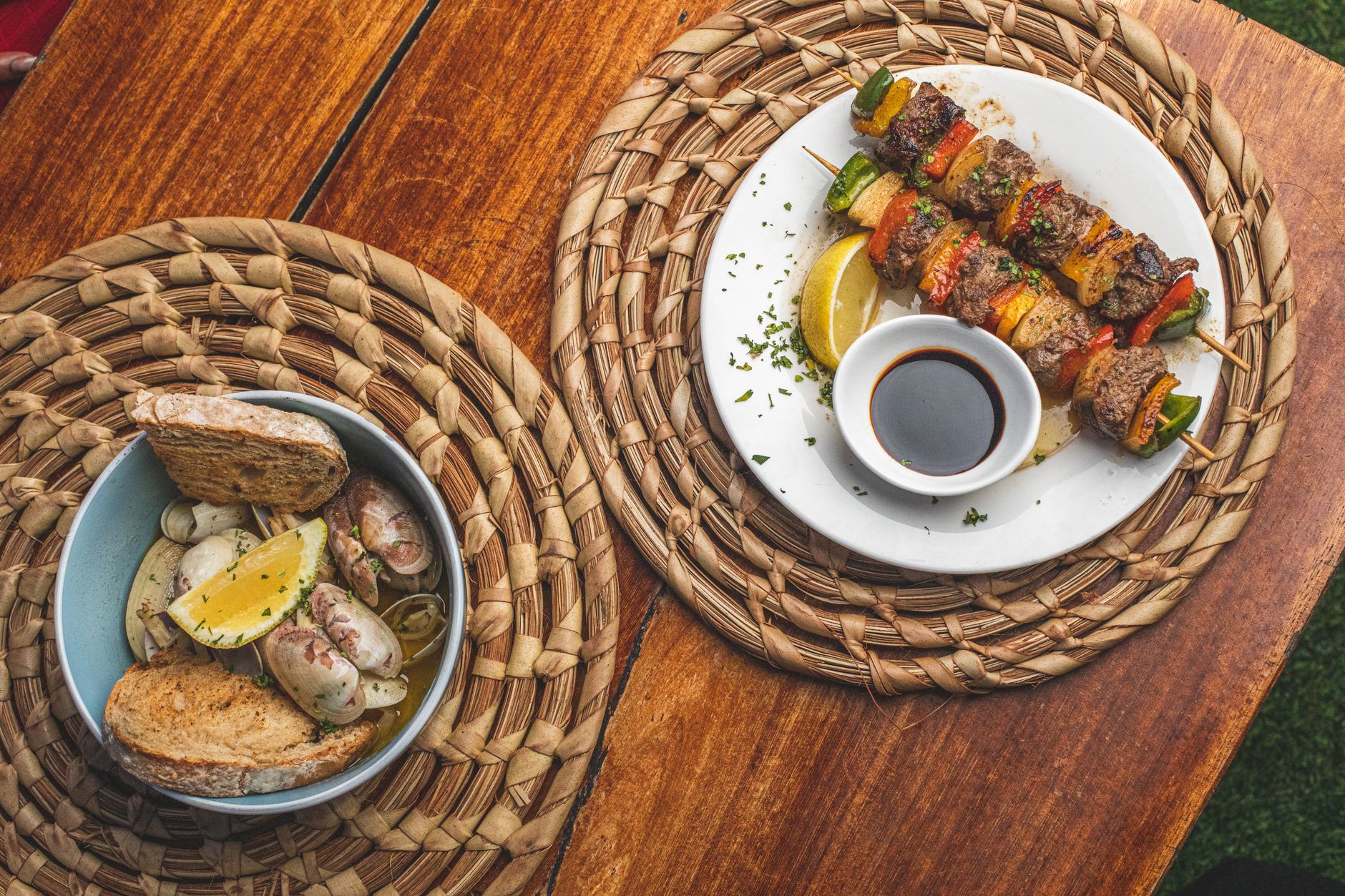
Look for grilled vieja with mojo verde, limpets seared on the plancha, and octopus braised in Listán Negro wine at fishermen-run tascas near the port.
Volcanic Heritage in Garachico Canary Islands Spain
Trace the 1706 lava flows that solidified into the El Caletón swimming pools and spared the sixteenth-century Castillo de San Miguel on the water's edge.
Sacred Architecture in Garachico Canary Islands Spain
Visit the mudéjar coffered ceilings of the Iglesia de Santa Ana and the quiet cloister arches inside the seventeenth-century Convento de San Francisco.
Wine & Vineyards in Garachico Canary Islands Spain
Sample volcanic whites pressed from Listán Blanco and Malvasía Volcánica grown on steep terraced hillsides throughout the nearby Ycoden-Daute-Isora region.
Coastal Walks in Garachico Canary Islands Spain
Stroll the basalt promenade from the Castillo along Avenida Tomé Cano, watching huge Atlantic swells crash against the offshore islet of Roque de Garachico.
Pastry Traditions in Garachico Canary Islands Spain
Stop at local convents and bakeries for roscos de vino, bienmesabe almond paste, and pasteles de hojaldre dusted with powdered sugar.
Colonial Architecture in Garachico Canary Islands Spain
Wander Calle Esteban de Ponte to inspect carved Canary pine balconies, interior stone patios, and aristocratic facades from the sugar-trade era.
Public Plazas in Garachico Canary Islands Spain
Sit beneath Indian laurel trees in Plaza de la Libertad for morning café cortado before browsing the kiosk selling regional newspapers and artisan sweets.
Day Trips in Garachico Canary Islands Spain
Drive fifteen minutes east to Icod de los Vinos for the thousand-year-old dragon tree, or ascend into the steep ravines of the Teno Rural Park.
Traditional Crafts in Garachico Canary Islands Spain
Search quiet backstreets for workshops turning volcanic basalt into mortar sets, openwork embroidery, and hand-woven palm baskets.
Hiking in Garachico Canary Islands Spain
Climb the steep PR-TF 43 trail up the cliffs behind town to San Juan del Reparo for wide views over the solidified 1706 black lava tongue.
Local Tapas in Garachico Canary Islands Spain
Order plates of wrinkly papas arrugadas with red mojo picón, fried local goat cheese drizzled with palm honey, and garbanzas stew at neighbourhood taverns.