Teguise.


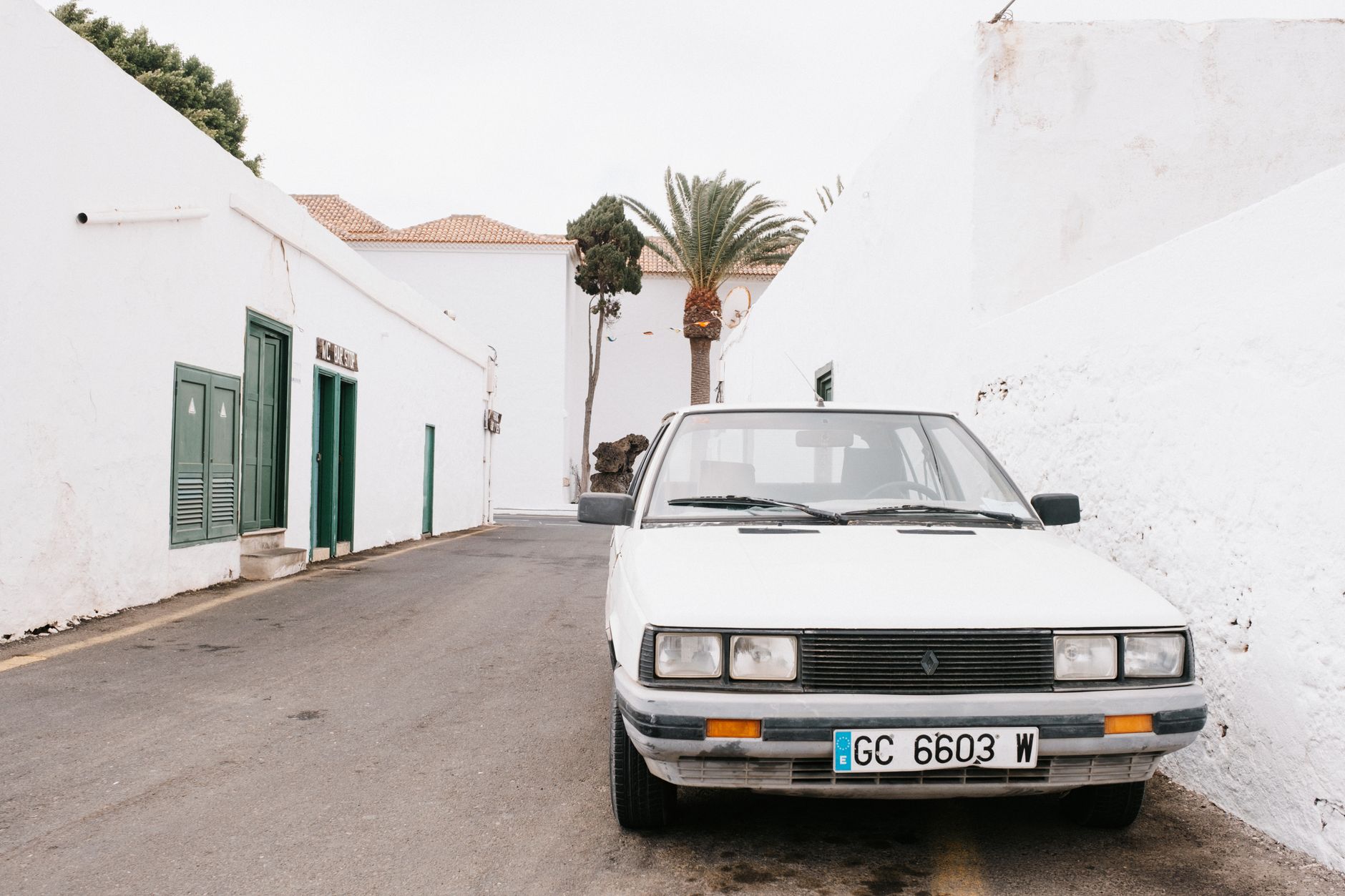
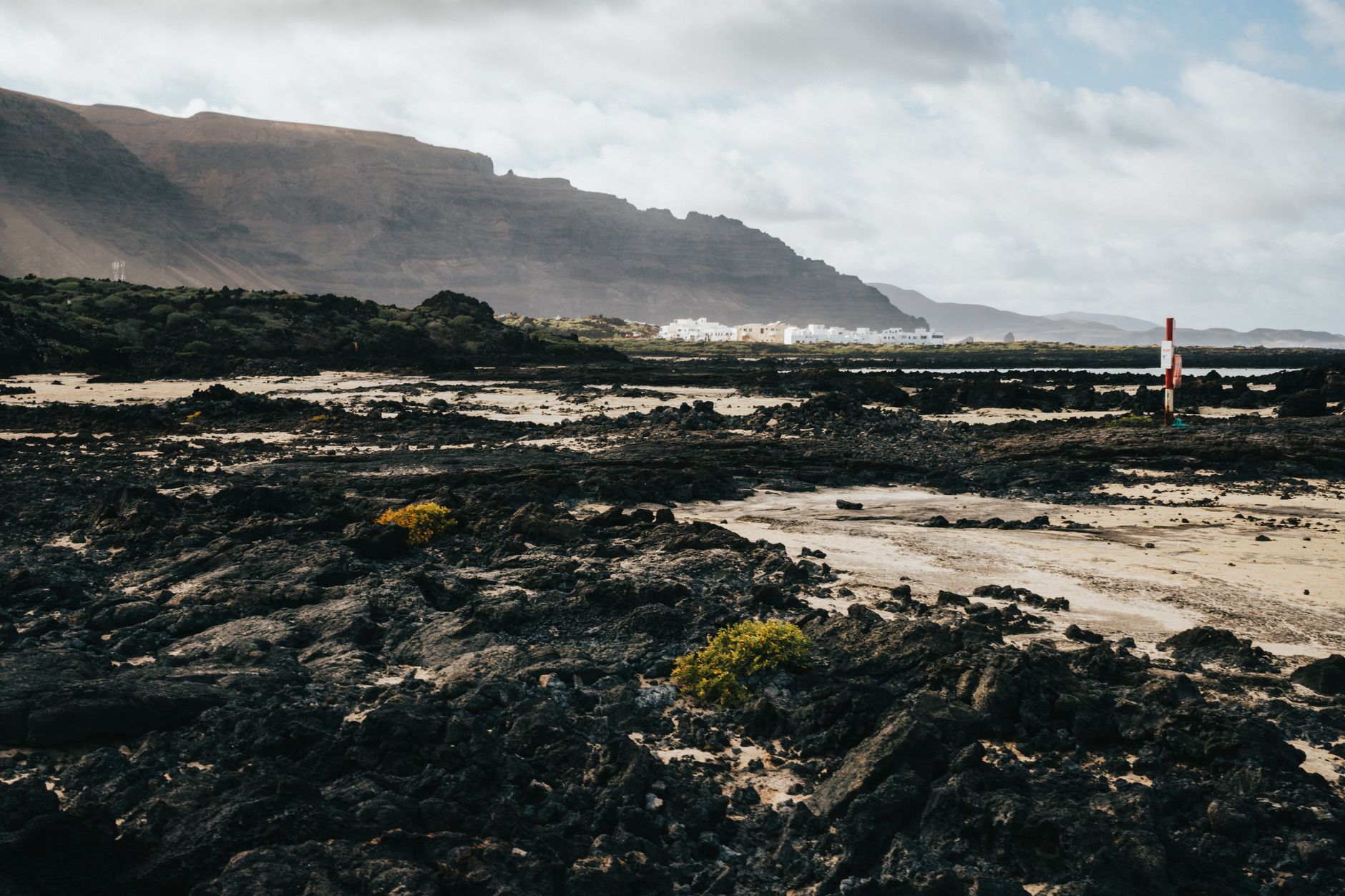
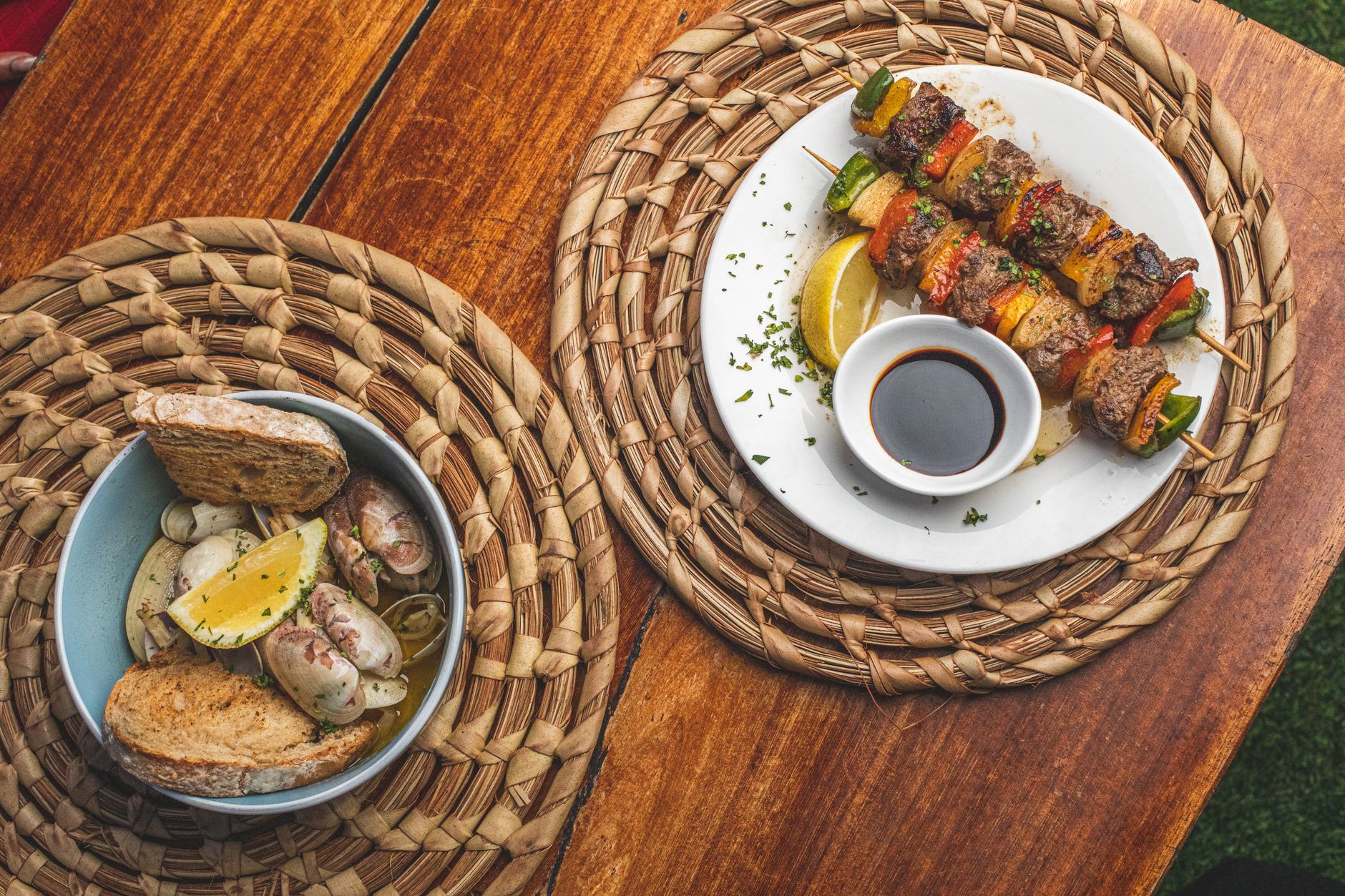
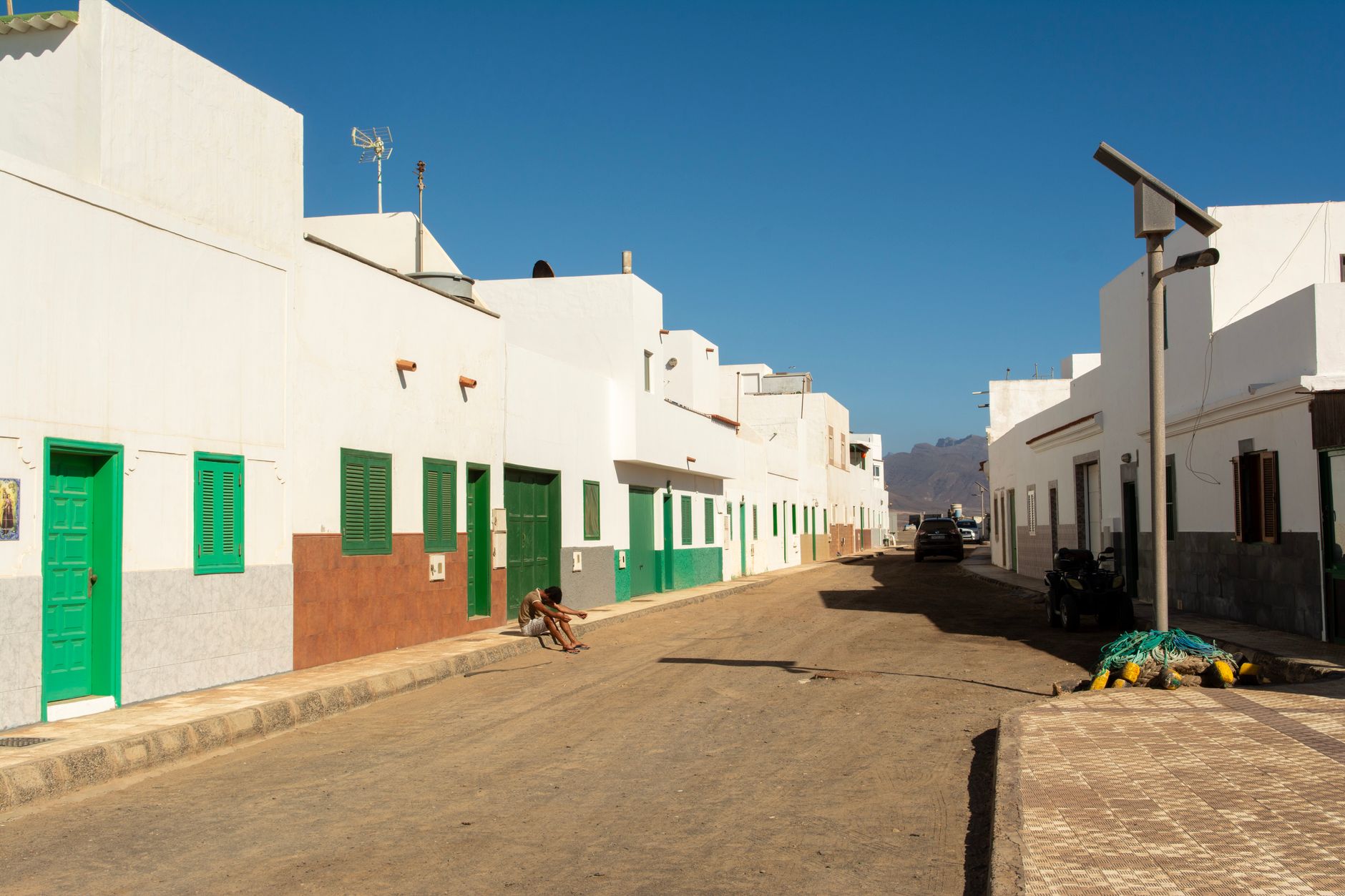
Trade winds scour the low volcanic ridge of Guanapay before dropping into cobbled alleys laid out in the fifteenth century. For centuries this inland redoubt kept islanders safe from Berber raiders, leaving behind thick limestone walls, green wooden shutters, and a quiet dignity. You come for the Palacio Spínola, the Sunday pulse of the market square, and a bowl of goat stew washed down with crisp volcanic Malvasía, served by people who have lived here for generations.
Last updated 27 Aug 2026
Build a Teguise itinerary.
Choose up to 4 threads that pull you in. Your plan arrives organised around them.
The Bed
Where to stay in Teguise
Which part of town to book, and what each one costs you in walking, noise or quiet.
The Comparison
Teguise, or somewhere near it
The places you are realistically choosing between, and the honest case for each.
The Local Record
Where to read more about Teguise
The blogs, boards, guides and operators worth bookmarking.
What to do in Teguise Canary Islands Spain
Away from the coastal resort strips, Teguise operates at an unhurried inland pace. The old capital is compact enough to cross on foot in ten minutes, centered on Plaza de la Constitución and Plaza Grande. Days revolve around coffee under the laurels, touring quiet municipal courtyards, and eating long lunches of goat stew and mojo. It suits travellers who appreciate preserved Canary architecture, local winemaking, and genuine desert quiet.
24 hours in Teguise Canary Islands Spain
Start with espresso at Plaza Grande before exploring the grand rooms of Palacio Spínola. By midday, walk twenty minutes up Guanapay volcano to the fort for panoramic views. Head down to Calle Nueva for fried goat cheese, papas arrugadas, and cold Malvasía wine. Select 1 Day above to see it.
2 days in Teguise Canary Islands Spain
Spend your second morning fifteen minutes away at the base of the Famara cliffs, watching surfers and eating grilled lapas at a barefoot seafood shack. In the afternoon, explore the volcanic bubble studios of the Fundación César Manrique in nearby Tahíche. Choose 2 Days to expand the plan.
3 days in Teguise Canary Islands Spain
A third day allows an unhurried drive north through the Valley of the Thousand Palms in Haría up to Mirador del Río. From there, gaze across El Río strait to the sand tracks of La Graciosa before returning to Teguise for an evening pot of sancocho.
Teguise Canary Islands Spain itineraries by interest
Local Cuisine in Teguise Canary Islands Spain
Order carne de cabra en adobo or sancocho canario with salted wreckfish, drizzled in fiery red mojo and served alongside wrinkled potatoes.
Wine & Vineyards in Teguise Canary Islands Spain
Taste bone-dry Malvasía Volcánica poured straight from the barrel in taverns built inside eighteenth-century stone cellars off Plaza de la Constitución.
Colonial Architecture in Teguise Canary Islands Spain
Walk the grid of whitewashed mansions, spotting carved pine balconies at Casa Spínola and thick volcanic stone corners built to survive pirate raids.
Markets & Produce in Teguise Canary Islands Spain
Rummage through Sunday stalls in Plaza Grande for cured majorero goat cheese, dried figs, sea salt from Janubio, and local volcanic lentils.
Sacred Architecture in Teguise Canary Islands Spain
Visit Iglesia de Nuestra Señora de Guadalupe, rebuilt in 1914 after fires, anchoring the central square with its dark basalt bell tower.
Maritime History in Teguise Canary Islands Spain
Climb the crater road to Castillo de Santa Bárbara, a sixteenth-century fort that watched the horizon for marauding Barbary corsairs.
Craft Traditions in Teguise Canary Islands Spain
Look for traditional timple lutes made from mulberry and pine in local artisan workshops along Calle Real and Calle Nueva.
Volcanic Landscapes in Teguise Canary Islands Spain
Hike up the Guanapay volcanic cone for sweeping panoramic views stretching from Famara's sea cliffs all the way south to Arrecife.
Modern Art in Teguise Canary Islands Spain
Head ten minutes south to Tahíche to explore César Manrique's home, carved out of five subterranean volcanic lava bubbles.
Coastal Walks in Teguise Canary Islands Spain
Drive fifteen minutes north to the dramatic cliffs of Caleta de Famara, where Atlantic rollers pound a six-kilometre sweep of golden sand.
Local Cheese in Teguise Canary Islands Spain
Sample raw-milk goat cheeses rubbed with pimentón or toasted gofio, sold directly from small family-run queserías around the municipality.
Day Trips in Teguise Canary Islands Spain
Drive north along the spine of the island to Haría's palm valley and the Mirador del Río viewpoint overlooking La Graciosa.