Santa Cruz de La Palma.


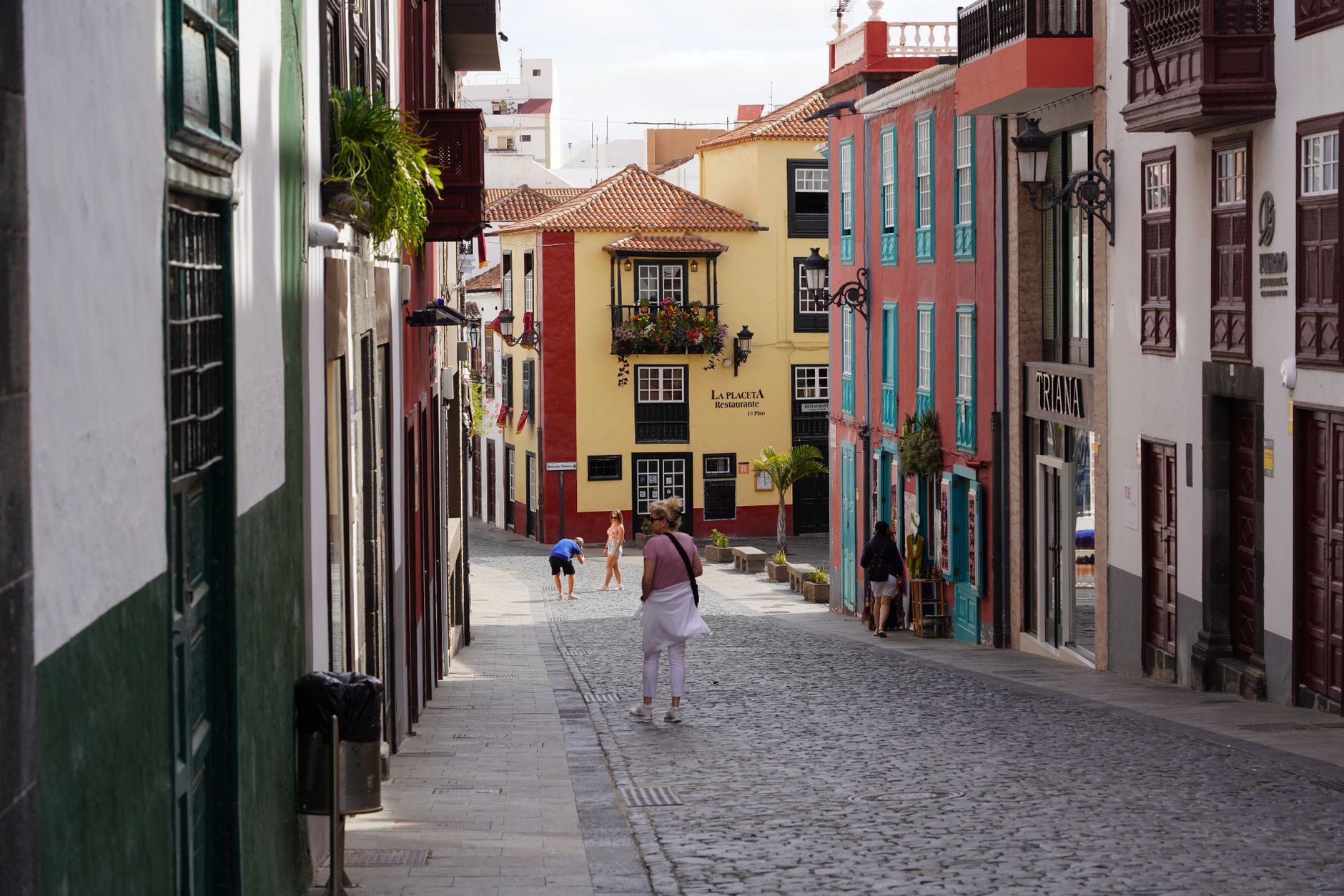
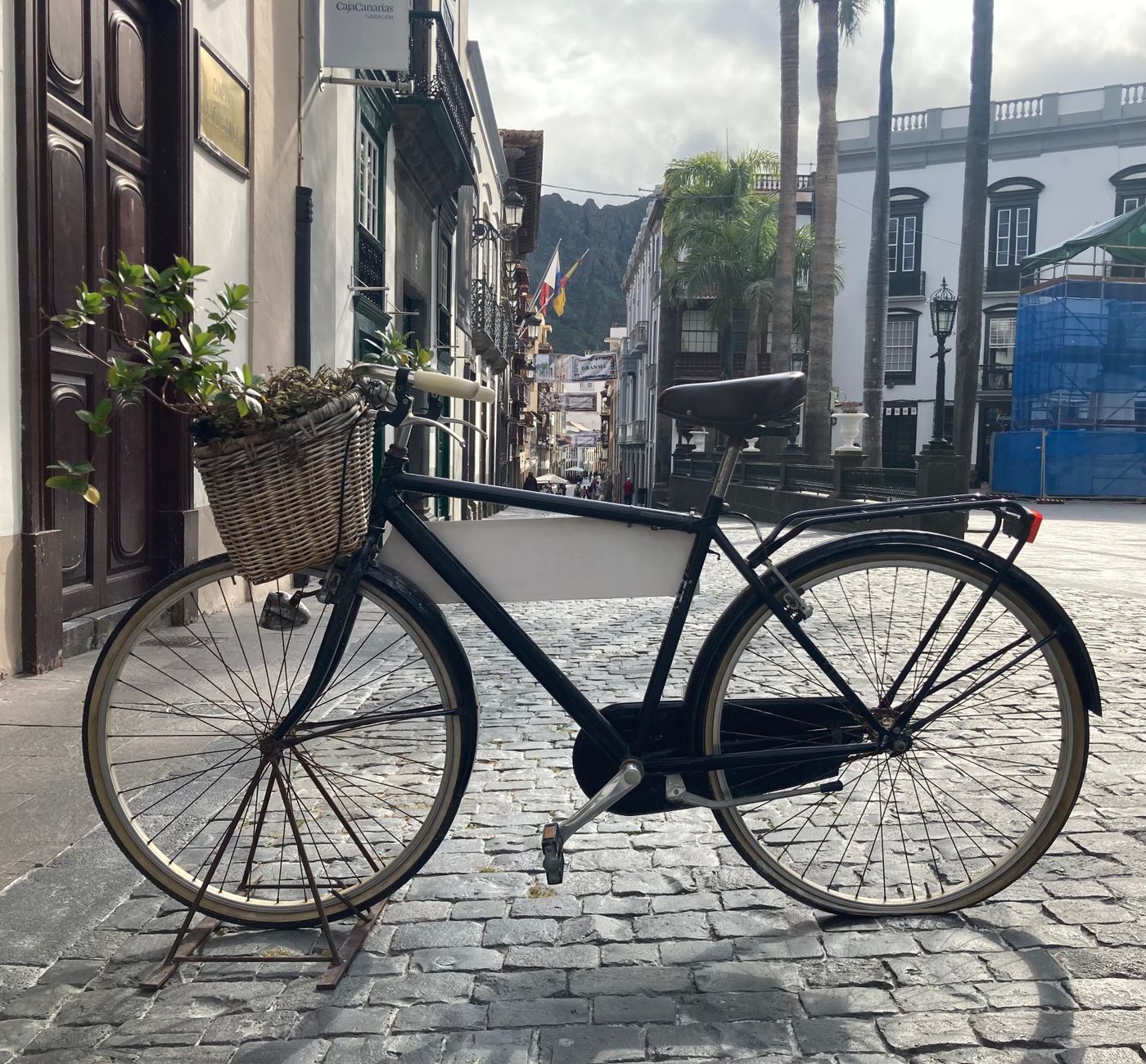
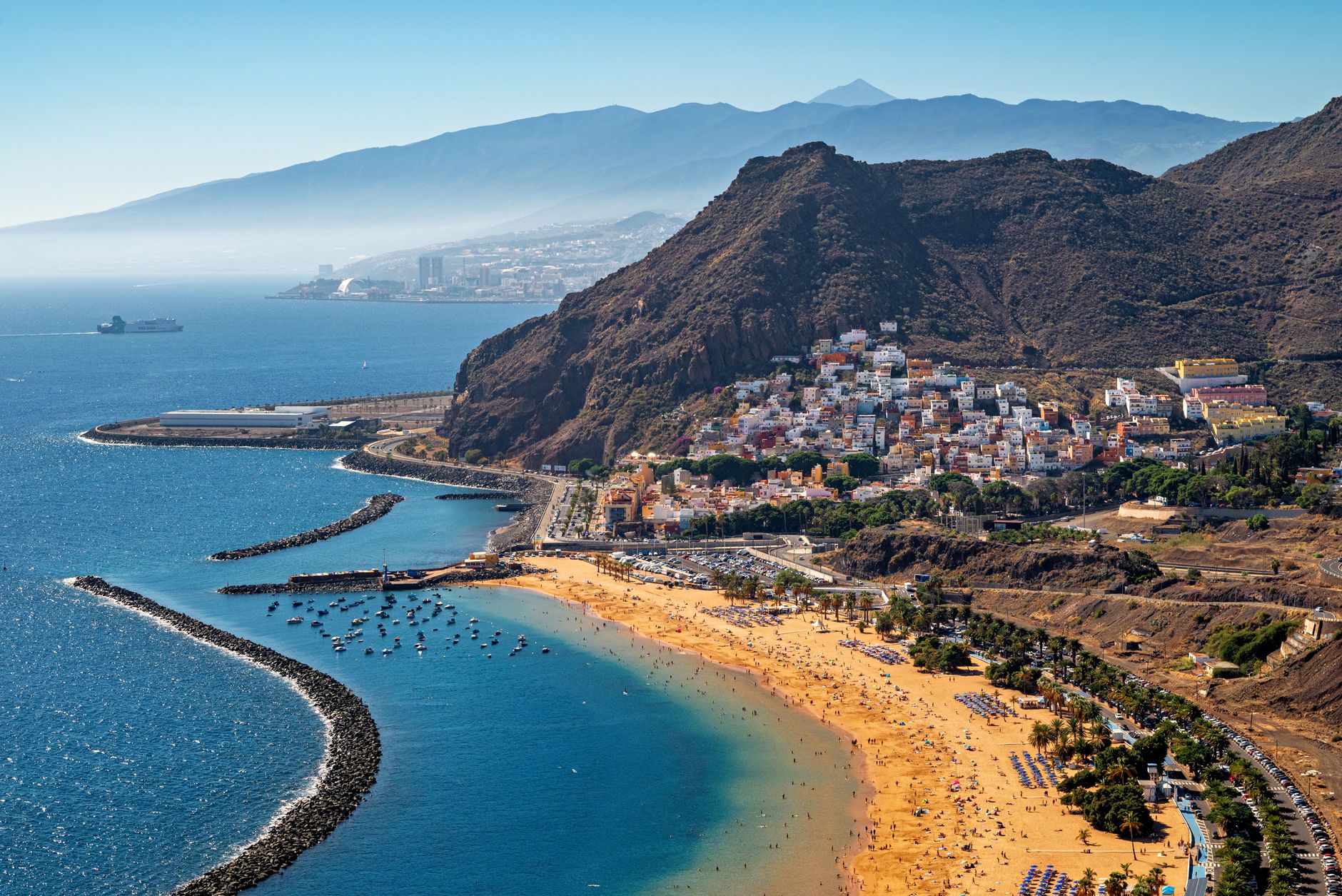
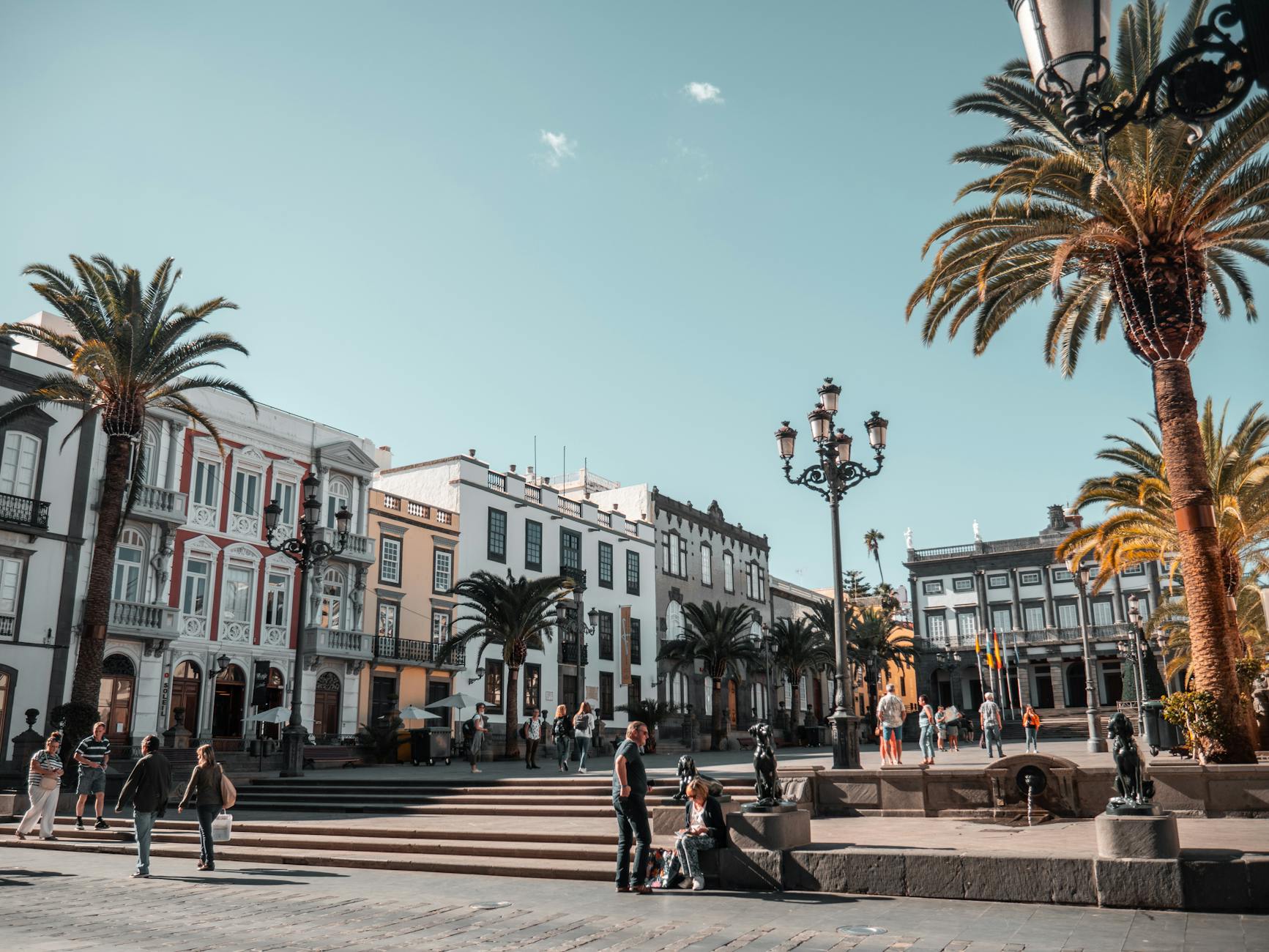
Salt air hits the carved pine balconies on Avenida Marítima before the sun clears the Atlantic ridge. This port was built on Malvasía wine and sugarcane wealth, rebuilt after French corsairs torched the harbour in 1553, and has spent the subsequent centuries minding its own business on the caldera slope. You come here to walk up Calle O'Daly, eat poached vieja with green mojo, and accept that your calf muscles will ache by dusk.
Last updated 2 Sept 2026
Build a Santa Cruz de La Palma itinerary.
Choose up to 4 threads that pull you in. Your plan arrives organised around them.
The Bed
Where to stay in Santa Cruz de La Palma
Which part of town to book, and what each one costs you in walking, noise or quiet.
The Comparison
Santa Cruz de La Palma, or somewhere near it
The places you are realistically choosing between, and the honest case for each.
The Local Record
Where to read more about Santa Cruz de La Palma
The blogs, boards, guides and operators worth bookmarking.
What to do in Santa Cruz de La Palma Canary Islands Spain
Santa Cruz de La Palma hugs a narrow volcanic shelf between the ocean and green cliffs. Life here moves along pedestrianised stone lanes, anchored by morning coffee at Plaza de España and afternoon strolls past Renaissance courtyards. It suits travellers who appreciate preserved 16th-century architecture, honest maritime cooking, and a town that refuses to turn itself into an amusement park for passing cruise ships.
24 hours in Santa Cruz de La Palma Canary Islands Spain
Start on Calle O'Daly for breakfast, then browse smoked cheeses at Mercado Municipal. Spend midday studying the tea-pine woodwork of Avenida Marítima before lunching on grilled cherne. Finish the evening with a glass of dry Listán Prieto around Plaza de San Francisco. The whole historic core is walkable in under fifteen minutes. Select 1 Day above to see it.
2 days in Santa Cruz de La Palma Canary Islands Spain
Day two adds the steep climb into the San Telmo quarter to see the sailors' chapel, followed by the naval museum housed inside the concrete Santa María replica. For dinner, head south to a tasca for gofio escaldado and goat stew, washed down with locally distilled sugarcane rum. Choose 2 Days to expand the plan.
3 days in Santa Cruz de La Palma Canary Islands Spain
A third day allows you to venture up the island spine. Catch a morning bus to the cloud forests of Los Tilos or drive up to the astronomical peaks of Roque de los Muchachos. Return to Santa Cruz for a quiet swim at the black-sand beach and an almond bienmesabe in the square.
Santa Cruz de La Palma Canary Islands Spain itineraries by interest
Local Seafood in Santa Cruz de La Palma Canary Islands Spain
Eat poached vieja dressed in garlic vinegar and grilled cherne with wrinkled potatoes at simple harbour tascas along the seawall.
Colonial Architecture in Santa Cruz de La Palma Canary Islands Spain
Inspect the 16th-century tea-pine carved balconies of Avenida Marítima and the Renaissance facade of Iglesia Matriz de El Salvador.
Wine & Vineyards in Santa Cruz de La Palma Canary Islands Spain
Taste saline Albillo Criollo and volcanic Listán Prieto poured straight from the barrel in taverns around Plaza de la Alameda.
Maritime History in Santa Cruz de La Palma Canary Islands Spain
Step inside the full-scale concrete caravel replica at Museo Naval and explore the defensive battlements at Castillo de Santa Catalina.
Markets & Produce in Santa Cruz de La Palma Canary Islands Spain
Buy smoked Queso Palmero goat cheese and fresh sugarcane juice pressed to order at Mercado Municipal on Calle Anselmo Pérez de Brito.
Cigar Craft in Santa Cruz de La Palma Canary Islands Spain
Watch torcedores hand-roll robust puros using Cuban-seed tobacco leaves cured in the surrounding cloud forest microclimates.
Town Walks in Santa Cruz de La Palma Canary Islands Spain
Climb the steep volcanic cobbles of the San Telmo quarter for wide ocean views and quiet plazas framed by red-tiled whitewashed houses.
Traditional Pastries in Santa Cruz de La Palma Canary Islands Spain
Sample almond-rich bienmesabe, rapallos, and honeyed alfajores at bakeries that have used the same convent recipes since the 1700s.
Fortress Views in Santa Cruz de La Palma Canary Islands Spain
Walk up to the 17th-century Castillo de la Virgen for panorama over the port, or take the winding road to the Mirador de la Concepción.
Island Spirits in Santa Cruz de La Palma Canary Islands Spain
Sip sugar-cane rum distilled in nearby San Andrés y Sauces at old wooden counters off Plaza de España, served neat or with fresh lime.
Volcanic Beaches in Santa Cruz de La Palma Canary Islands Spain
Swim off the black basalt sands of Playa de Santa Cruz, sheltered by the harbour breakwater and an easy stroll from the town centre.
Day Trips in Santa Cruz de La Palma Canary Islands Spain
Take the short bus ride up to the laurel forests of Los Tilos or the dramatic caldera rim at Roque de los Muchachos.