La Orotava.


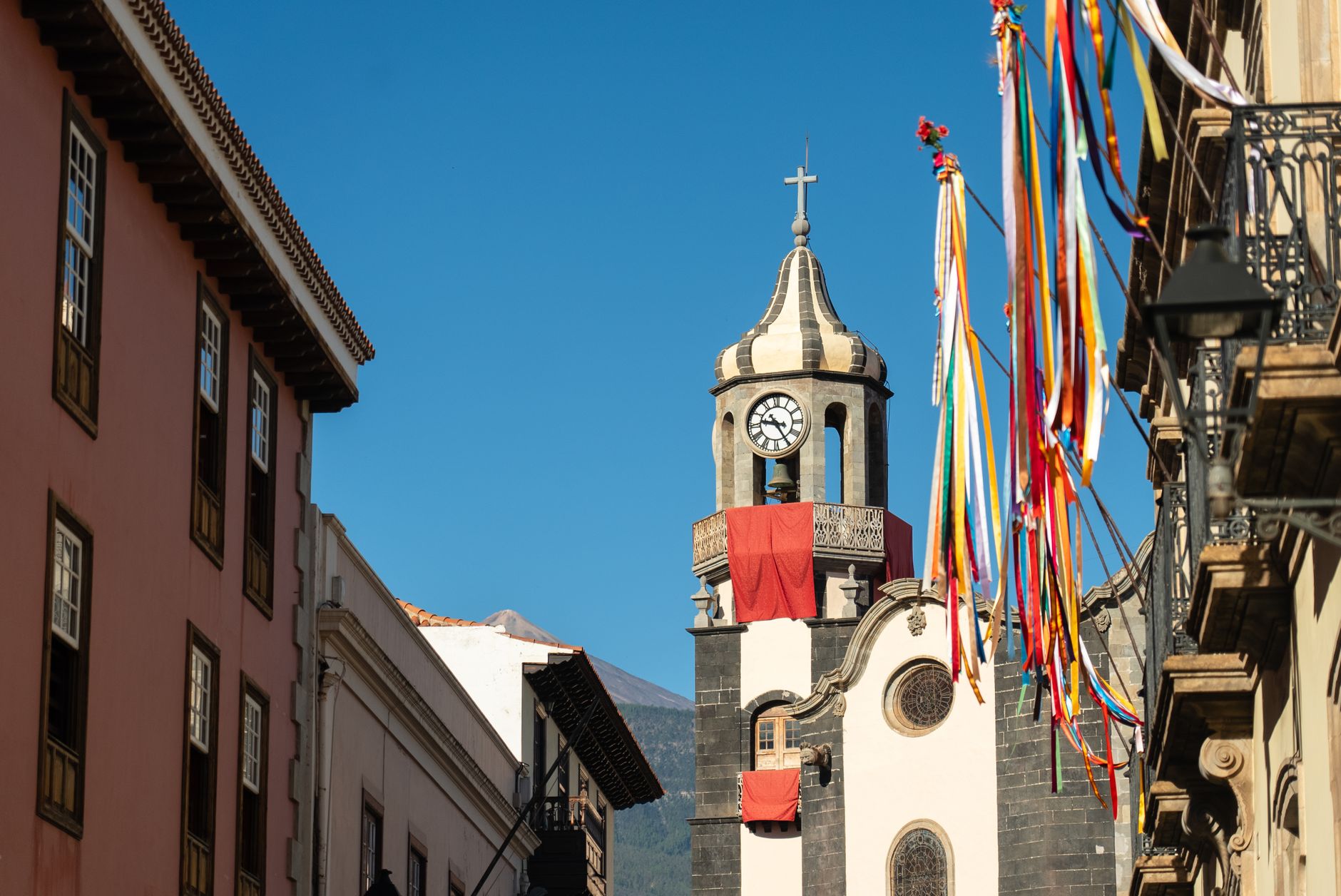
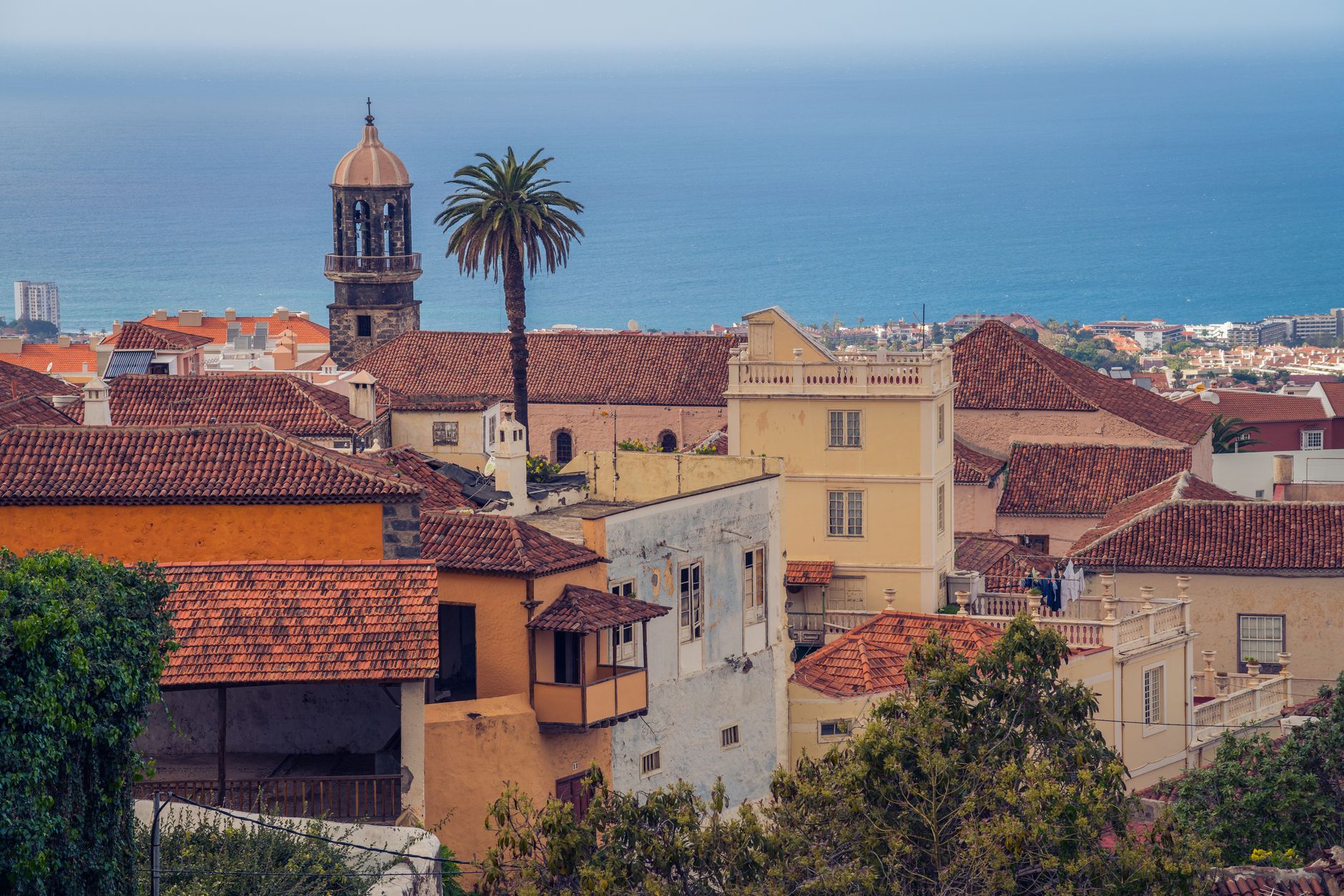
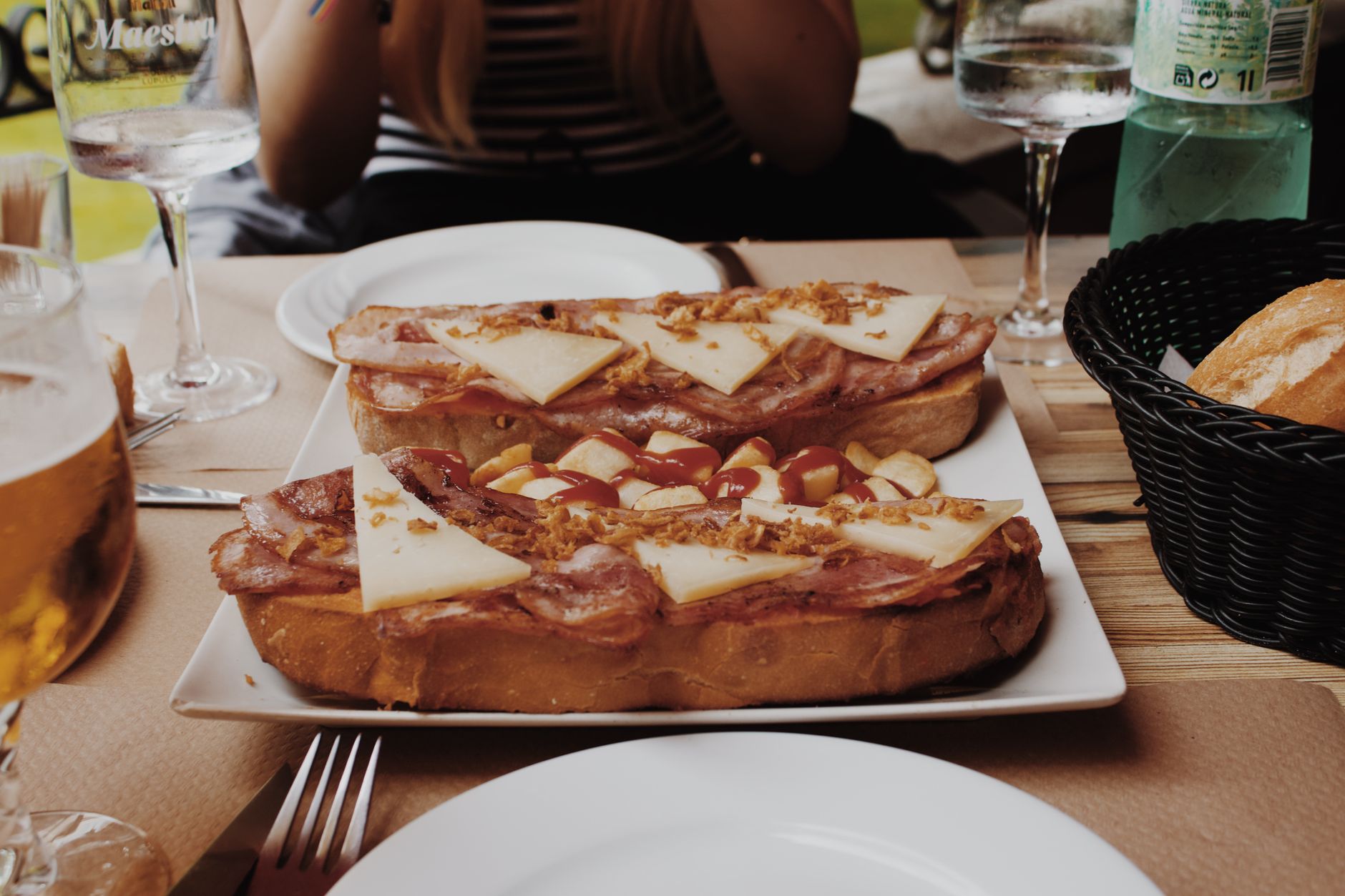
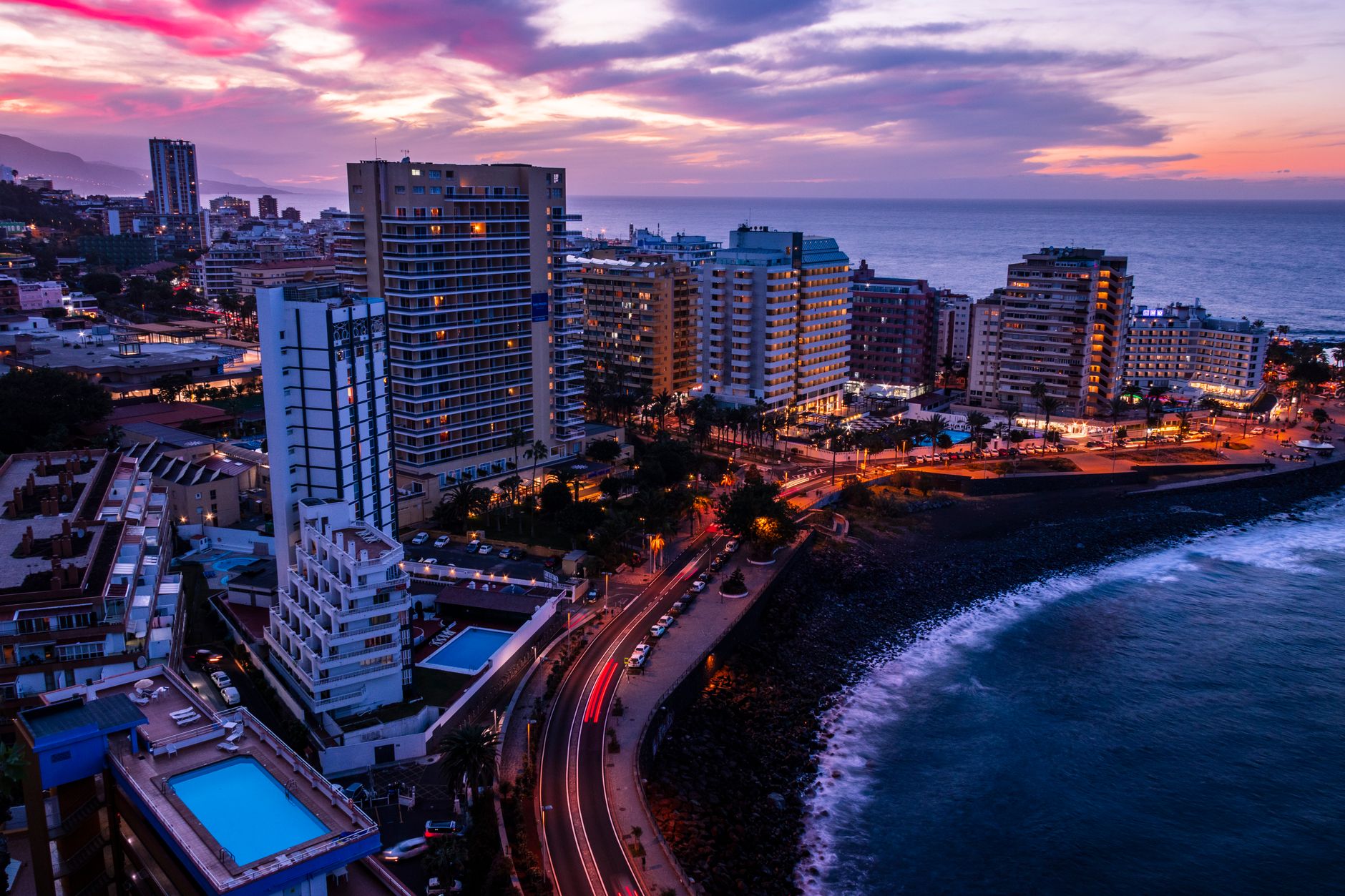
Gravity announces itself the second you step off the bus. The town clings to the slope of a fertile valley under Mount Teide, with stone streets tilted at angles that demand good calf muscles and sensible shoes. You come for seventeenth-century carved pine balconies along Calle San Francisco, the quiet botanical garden behind the town hall, and the lingering aroma of grilled pork and young Listán Negro flowing out of unpretentious local guachinches.
Last updated 2 Sept 2026
Build a La Orotava itinerary.
Choose up to 4 threads that pull you in. Your plan arrives organised around them.
The Bed
Where to stay in La Orotava
Which part of town to book, and what each one costs you in walking, noise or quiet.
The Comparison
La Orotava, or somewhere near it
The places you are realistically choosing between, and the honest case for each.
The Local Record
Where to read more about La Orotava
The blogs, boards, guides and operators worth bookmarking.
What to do in La Orotava Canary Islands Spain
La Orotava is laid out in steep terraces across Tenerife's northern slopes, rewarding anyone willing to walk without rushing. The day revolves around gentle exploration of quiet courtyards, lingering mid-afternoon tavern lunches, and watching the Atlantic cloud sea roll across the valley from shaded plaza benches. It suits independent travellers who prefer historic stone facades and authentic island kitchens over crowded resort strips.
24 hours in La Orotava Canary Islands Spain
Begin early at Casa de los Balcones before the mid-morning tour buses pull in. Walk up Calle San Francisco to the terraced gardens of Jardín Victoria. For lunch, grab a wooden table at a rustic guachinche for carne de fiesta and a pitcher of young red wine, then spend the late afternoon enjoying coffee in Plaza de la Constitución. Select 1 Day above to see it.
2 days in La Orotava Canary Islands Spain
Dedicate your second day to the heights and the coast. Drive or take the local bus up to the ethnographic hamlet of Pinolere among the mountain pines, then drop down in the afternoon to the black volcanic sand at Playa del Bollullo for fresh grilled cherne at a cliffside shack. Choose 2 Days to expand the plan.
3 days in La Orotava Canary Islands Spain
A third day lets you climb the TF-21 road directly into the volcanic moonscapes of Teide National Park, returning by late afternoon to the quiet wine cellars of the valley. Tour small vineyards around Santa Úrsula and finish with slow-cooked goat stew and Listán Blanco.
La Orotava Canary Islands Spain itineraries by interest
Wine & Vineyards in La Orotava Canary Islands Spain
Taste smoky Listán Negro and volcanic Listán Blanco at traditional valley taverns, accompanied by freshly ladled escaldón de gofio and soft white cheese.
Traditional Dining in La Orotava Canary Islands Spain
Head uphill to rural guachinches for carne de fiesta, garbanzas compuestas, and conejo en salmorejo served with wrinkled potatoes and spicy red mojo.
Historic Architecture in La Orotava Canary Islands Spain
Admire seventeenth-century tea pine balconies at Casa de los Balcones and the baroque twin towers of the Iglesia de la Concepción on Calle Tomás Zerolo.
Botanical Gardens in La Orotava Canary Islands Spain
Wander the terraced Jardín Victoria and the shady Hijuela del Botánico, stocked with dragon trees, century-old palms, and quiet stone resting benches.
Craft Traditions in La Orotava Canary Islands Spain
Observe open-loom linen weaving, openwork calado embroidery, and the intricate volcanic sand carpet displays crafted for the annual Corpus Christi feast.
Markets & Produce in La Orotava Canary Islands Spain
Pick up local goat cheeses, sweet apple bananas, fresh avocados, and jars of red mojo sauce at the Saturday morning Mercado Municipal on Calle Calvario.
Scenic Viewpoints in La Orotava Canary Islands Spain
Pause at Mirador de Humboldt or Plaza de la Constitución for sweeping views across the green valley banana plantations down to the churning Atlantic coast.
Religious Heritage in La Orotava Canary Islands Spain
Step inside the Church of San Agustín and the nearby former convent of Santo Domingo, noted for ornate timber ceilings and peaceful stone cloisters.
Hiking in La Orotava Canary Islands Spain
Trek the forested paths of Pinolere and Aguamansa into the high pine canopy of Corona Forestal, following trails toward the volcanic caldera rim.
Local Baking in La Orotava Canary Islands Spain
Sample traditional almond pasteles, Canarian bienmesabe, and rosquetes de guayaba from small family panaderías tucked around Plaza del Ayuntamiento.
Rural Culture in La Orotava Canary Islands Spain
Visit the Museo Etnográfico Pinolere in the upper valley to learn about charcoal burning, straw roof thumping, and highland agricultural rituals.
Coastal Walks in La Orotava Canary Islands Spain
Follow the coastal trail down to Playa del Bollullo and Playa de los Patos, where dark volcanic sand meets powerful surf against towering basalt cliffs.