Haría.


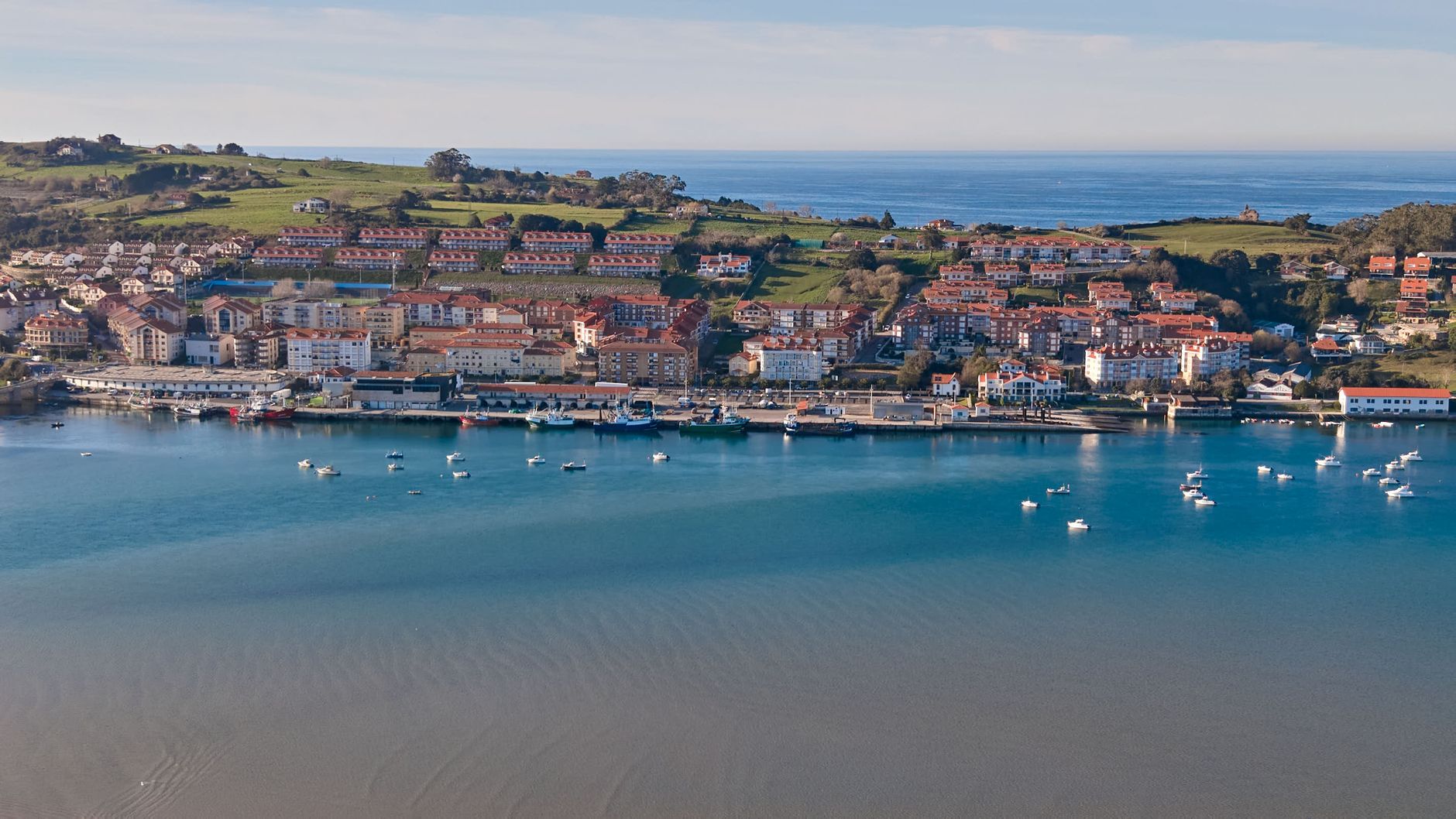


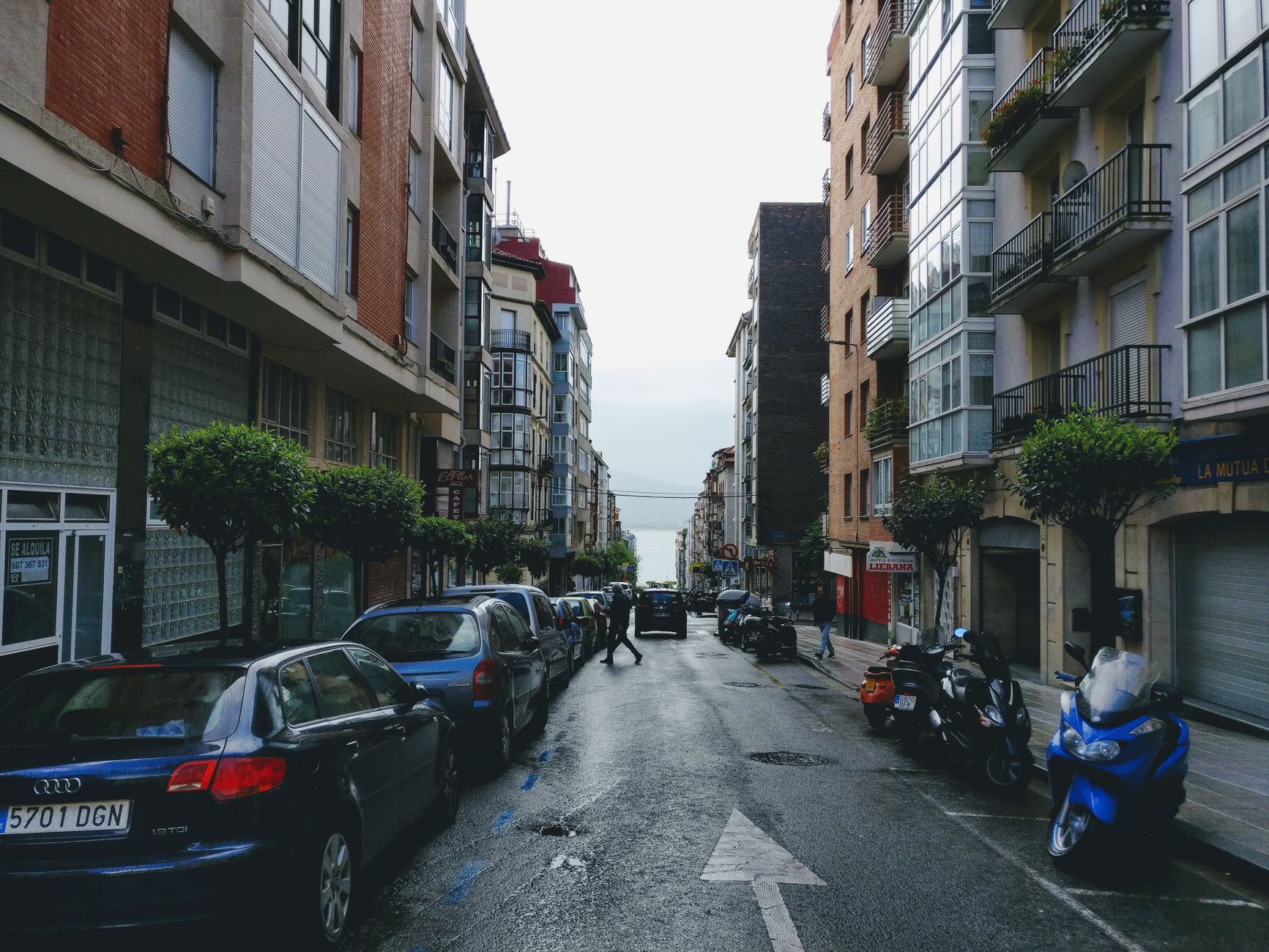
The air cools noticeably as you climb the switchbacks from the south, dropping into a rare splash of deep green where thousands of date palms crowd the volcanic bowl. Haría feels like an island within an island, quiet and deliberate. César Manrique spent his final years here in a low whitewashed farmhouse among bougainvillea, and the slow village rhythm around Plaza León y Castillo remains stubbornly intact.
Last updated 2 Sept 2026
Build a Haría itinerary.
Choose up to 4 threads that pull you in. Your plan arrives organised around them.
The Bed
Where to stay in Haría
Which part of town to book, and what each one costs you in walking, noise or quiet.
The Comparison
Haría, or somewhere near it
The places you are realistically choosing between, and the honest case for each.
The Local Record
Where to read more about Haría
The blogs, boards, guides and operators worth bookmarking.
What to do in Haría Canary Islands Spain
Haría trades coastal resort noise for shaded stone benches and the slow creak of palm fronds. The day centres around Plaza León y Castillo, where morning coffee shifts into afternoon carafes of local wine and plates of goat cheese. It suits walkers, art lovers drawn to César Manrique's legacy, and anyone who prefers reading in a quiet garden courtyard to competing for sun loungers.
24 hours in Haría Canary Islands Spain
Begin at Casa Museo César Manrique by ten to beat the small tour buses, then walk ten minutes into the square for grilled goat cheese and wrinkled potatoes. Spend the afternoon strolling the palm lanes of Calle Fajardo, heading to Mirador de Haría for the late sun. Select 1 Day above to see it.
2 days in Haría Canary Islands Spain
Day two takes you downhill to the coast at Arrieta. Walk the black sand around La Garita, order fresh grilled vieja with green mojo at a harbourside terrace, and spend the afternoon exploring the subterranean lava caves at Jameos del Agua, just five miles away. Choose 2 Days to expand the plan.
3 days in Haría Canary Islands Spain
A third day allows an unhurried morning hike along the Famara cliffs to El Bosquecillo picnic ground, followed by a drive north to Órzola. Catch the morning boat to La Graciosa for a barefoot lunch on the sand before returning to Haría for a quiet, cool evening.
Haría Canary Islands Spain itineraries by interest
Local Architecture in Haría Canary Islands Spain
Low-slung whitewashed houses line Calle Fajardo, anchored by the stone arches and austere whitewashed walls of Iglesia de la Encarnación.
Modern Art in Haría Canary Islands Spain
Visit César Manrique's final studio house on Calle Elvira Sánchez, preserved with half-squeezed oil paints and an open courtyard garden.
Markets & Produce in Haría Canary Islands Spain
Saturday mornings at Plaza León y Castillo bring round wheels of raw goat cheese, fresh local figs, palm syrup, and handmade palm baskets.
Hiking in Haría Canary Islands Spain
Follow the steep dirt track up the Risco de Famara ridge toward El Bosquecillo for sweeping views over Playa de Famara and the Atlantic below.
Local Cuisine in Haría Canary Islands Spain
Order slow-roasted cabrito goat stew and wrinkled papas arrugadas with sharp garlic mojo at family-run spots near the central square.
Wine & Vineyards in Haría Canary Islands Spain
Sip crisp, mineral Malvasía Volcánica whites grown in nearby basalt picón hollows, served chilled alongside salty local goat curd.
Scenic Viewpoints in Haría Canary Islands Spain
Walk up to Mirador de Haría or drive ten minutes to Mirador del Río to gaze straight down at the sea strait and island of La Graciosa.
Traditional Crafts in Haría Canary Islands Spain
Local artisans weave intricate hats and baskets from wild date palm fronds in small cooperative workshops tucked off Calle Barranco.
Coastal Walks in Haría Canary Islands Spain
Drop down to Arrieta beach for a breezy walk along the rocky breakwater followed by grilled cherne fish right beside the tide pool.
Volcanic Landscapes in Haría Canary Islands Spain
Explore the massive underground lava tubes at nearby Cueva de los Verdes and the flooded volcanic cavern at Jameos del Agua.
Day Trips in Haría Canary Islands Spain
Catch the passenger ferry from nearby Órzola harbor to explore the unpaved sandy tracks and quiet coves of La Graciosa island.
Botany & Nature in Haría Canary Islands Spain
The valley floor shelters over ten thousand Canary Island date palms alongside wild prickly pear cactus and terrace-grown almond trees.