.jpg)

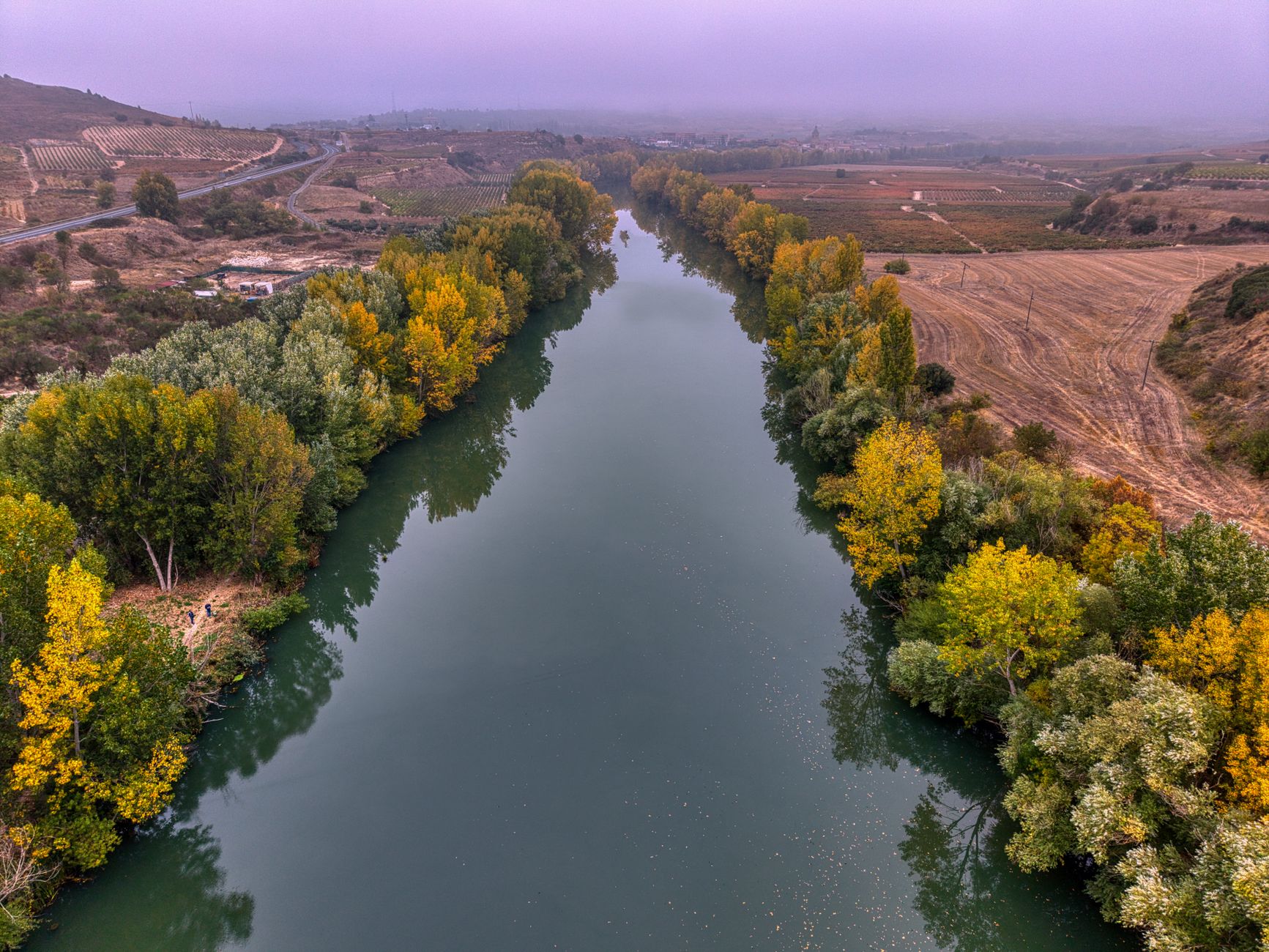


You roll in past the Montes Obarenes and smell toasted oak and crushed Tempranillo skins before you even park. Haro is an honest working wine town anchored by the nineteenth-century rail line that once hauled Rioja to Bordeaux. The old quarter climbs past sixteenth-century sandstone palaces toward Plaza de la Paz, where tables fill each night with sheep cheese, garlic mushrooms, and cold glasses of Viura poured without ceremony.
Last updated 22 Aug 2026
Build a Haro itinerary.
Choose up to 4 threads that pull you in. Your plan arrives organised around them.
We'll craft a 3-lens plan for Haro, one collapsible strand per lens.
Tapas Crawls
Tackle the horseshoe curve of La Herradura street for sizzling morcilla, blistered piquillo peppers, and roasted champiñones impaled on toothpicks with tiny shrimp.
Tapas Crawls
Tackle the horseshoe curve of La Herradura street for sizzling morcilla, blistered piquillo peppers, and roasted champiñones impaled on toothpicks with tiny shrimp.
Horseshoe Pincho Crawl
Bar Los Caños
Stand at the stone counter from 20:30. Order a local crianza and the grilled mushroom skewer; pay in cash and budget thirty minutes per tavern.
Editor TipHaro social life pivots on La Herradura, a horseshoe of stone alleys where locals take one drink and one house specialty per counter before moving on. Follow the local rhythm by dropping used paper napkins straight into the stainless steel floor troughs.
Traditional Cooking
Order chuletillas al sarmiento, milk-fed lamb chops grilled over dried grapevines, served beside hearty bowls of Riojan-style potato and chorizo stew.
Traditional Cooking
Order chuletillas al sarmiento, milk-fed lamb chops grilled over dried grapevines, served beside hearty bowls of Riojan-style potato and chorizo stew.
Square-Side Tortilla and Coffee
Café Bar Suizo
Grab an outside table on Plaza de la Paz for a pincho of runny potato tortilla and a cortado. No booking needed; spend forty-five minutes watching the town wake up.
Editor TipHaro's central square has anchored daily civic life since the eighteenth century, serving as the gathering point where locals argue over grape harvests before the heat sets in. Ask for the tortilla recién hecha if the kitchen is turning out a fresh skillet.
Wood-Fired Roast Lamb
Asador Terete
Book ahead for 14:00. Order the quarter suckling lamb with roasted red peppers and house bread; lunch takes two leisurely hours and costs around forty euros a head.
Editor TipOperating since 1877, this family hearth roasts local lamb in clay pans over Holm oak, a cooking tradition that sustained Rioja grape pickers across the nineteenth century. Request a table on the upper floor, and leave room for the sheep milk cuajada dessert.
Hand-Woven Mohair Blankets
Mantas Ezcaray
Browse the showroom on Calle González Gallarza or call ahead to view the vintage shuttle looms in action. Throws and scarves start around eighty euros.
Editor TipEzcaray has turned raw fleece into fine textiles since King Charles III established the royal cloth factory here in 1752, using carding and teasel-brushing techniques unchanged for generations. Ask to see the dried natural thistle heads they still use to brush the finished mohair nap.
Mountain Pinchos and Boletus
Bar Roypa
Stand at the timber bar on Calle Carnicerías from 11:30 AM. Order two hot pinchos and a crisp local Viura white for around six euros.
Editor TipUnlike the vineyard towns of the plain, high Oja valley cooking leans on foraged forest mushrooms, cured pork picadillo, and fried salt cod delivered over the mountain passes. The boletus croquette with foie gras sells out by early afternoon; grab one as soon as you walk in.
Vine-Shoot Lamb Chops
Restaurante Los Arcos
Reserve a table in the stone dining room by 14:00. Order the chuletillas al sarmiento and a jug of local clarete. Budget roughly 45 euros per person for lunch.
Editor TipPruned winter grapevine cuttings burn fast and fiercely hot, smoking tender milk-fed lamb chops over open ash in a centuries-old Riojan post-harvest ritual. Eat them with your fingers straight off the plate; silverware is an unnecessary obstacle here.
Artisan Crafts
Explore cooperage traditions at local cellar workshops, where master coopers hand-shape and toast American and French oak casks over open beechwood fires.
Artisan Crafts
Explore cooperage traditions at local cellar workshops, where master coopers hand-shape and toast American and French oak casks over open beechwood fires.
Artisan Barrel-Making and Cellars
Bodegas Muga
Walk ten minutes down to the station district for the ninety-minute cellar tour. Book weeks ahead online; tours cost thirty euros and include three tastings.
Editor TipFounded in 1932, Muga remains one of the few houses retaining in-house master coopers who hand-craft every oak cask used to mature Tempranillo and Garnacha. Bring a light layer. Even in midsummer, the underground galleries hover near fourteen degrees.
Medieval Cellar Pintxos
Bar Mayor 19
Step into this 16th-century stone cellar around 20:00. Order the spicy morcilla pintxos and bacalao fritters at the counter. Budget 15 euros for three bites and wine.
Editor TipThe walled hilltop of Laguardia rests on a labyrinth of subterranean calados, hand-hewn stone cellars originally carved for military defense and wine aging. Wear grippy flat shoes for the slick medieval flagstones on the walk up from the car park.
Wildcards
Worth your time whatever brought you here.
Wildcards
Worth your time whatever brought you here.
Morning Coffee and Fardelejos
Pastelería La Tahona
Drop by early for flaky almond fardelejos and strong café con leche. No reservations required; expect to spend three euros at the counter and linger for twenty minutes.
Editor TipFardelejos are Rioja's Arab-influenced pastry legacy: light puff pastry pocketing ground almonds, sugar, and lemon zest, fried golden rather than baked to sustain vineyard workers. Take your coffee standing at the zinc bar if you want to avoid the terrace surcharge and catch the morning gossip.
Note from the Editor
“Haro runs on Riojan time: mornings are wonderfully quiet until ten, but winery tours in the station district fill months in advance. Book morning cellar slots early and walk everywhere.”
The Bed
Where to stay in Haro
Which part of town to book, and what each one costs you in walking, noise or quiet.
Places to stay
Central, well-rated and easy to find again. Distances are from the middle of town.
These links go to Booking.com and earn us a commission. They cost you nothing extra.
The Comparison
Haro, or somewhere near it
The places you are realistically choosing between, and the honest case for each.
The Local Record
Where to read more about Haro
The blogs, boards, guides and operators worth bookmarking.
What to do in Haro La Rioja Spain
Haro is a compact town structured by two passions: cellars in the lowland Barrio de la Estación and tapas bars up the hill in La Herradura. Days here follow a generous rhythm of cellar tastings, unhurried lunch in vaulted dining rooms, and evening walks through Plaza de la Paz. It suits independent travellers who prefer walkable distances, historic stone streets, and serious food without pomp.
24 hours in Haro La Rioja Spain
Start at 10:00 with a tasting at Barrio de la Estación, five minutes downhill from town. Ascend to La Herradura for skewered mushrooms and grilled lamb chops for lunch, spend two hours exploring Santo Tomás church and the ramparts, then join the evening promenade around Plaza de la Paz. Select 1 Day above to see it.
2 days in Haro La Rioja Spain
A second day lets you climb the rocky outcrops of San Felices de Bilibio for views over the Ebro valley before driving eight miles south to the fortified stone village of Briones. Return to Haro for clay-pot potato stew and red wine poured from old carafes in a backstreet taberna. Choose 2 Days to expand the plan.
3 days in Haro La Rioja Spain
With three days, venture across the river to San Vicente de la Sonsierra and its hillside fortress, or book a slower cellar tour at an independent estate in Labastida. You have time to linger over coffee under the arcades and watch the morning light hit the sandstone facades.
Haro La Rioja Spain itineraries by interest
Wine & Vineyards in Haro La Rioja Spain
Walk between historic bodegas in the Barrio de la Estación, tasting oak-aged Tempranillo and Graciano at López de Heredia and CVNE without waiting for a private tour.
Tapas Crawls in Haro La Rioja Spain
Tackle the horseshoe curve of La Herradura street for sizzling morcilla, blistered piquillo peppers, and roasted champiñones impaled on toothpicks with tiny shrimp.
Historic Architecture in Haro La Rioja Spain
Inspect the carved Plateresque portal of Santo Tomás church, then wander Plaza de la Paz to admire stone arcades and eighteenth-century wrought-iron balconies.
Traditional Cooking in Haro La Rioja Spain
Order chuletillas al sarmiento, milk-fed lamb chops grilled over dried grapevines, served beside hearty bowls of Riojan-style potato and chorizo stew.
Local Festivals in Haro La Rioja Spain
Every June, the Batalla del Vino turns the cliffs of San Felices purple as locals douse each other with thousands of liters of red wine from leather skins.
Sacred Art in Haro La Rioja Spain
Visit the Basílica de la Vega to view the Baroque walnut retablo and fourteenth-century statue of the Virgin, flanked by shaded gardens near the river.
Scenic Walking in Haro La Rioja Spain
Climb to the Hermitage of San Felices de Bilibio for commanding views over the Ebro river gorge, vineyard-striped plains, and distant limestone crags.
Markets & Produce in Haro La Rioja Spain
Browse Tuesday morning stalls around Plaza San Martín for local white asparagus, cured sheep milk cheeses, walnuts, and jars of sweet preserved Navarra peppers.
River Trails in Haro La Rioja Spain
Follow flat riverside paths along the Tirón and Ebro to the mouth of the Oja, watching kingfishers and listening to water move through old mill races.
Day Trips in Haro La Rioja Spain
Drive ten minutes west to the walled hilltop village of Briones for medieval stone lanes, Vivanco wine museum displays, and sprawling valley overlooks.
Artisan Crafts in Haro La Rioja Spain
Explore cooperage traditions at local cellar workshops, where master coopers hand-shape and toast American and French oak casks over open beechwood fires.
Pâtisserie & Sweets in Haro La Rioja Spain
Stop into local pastelerías for a box of fardelejos, delicate puff pastry envelopes filled with sweet almond cream, best paired with morning café con leche.