

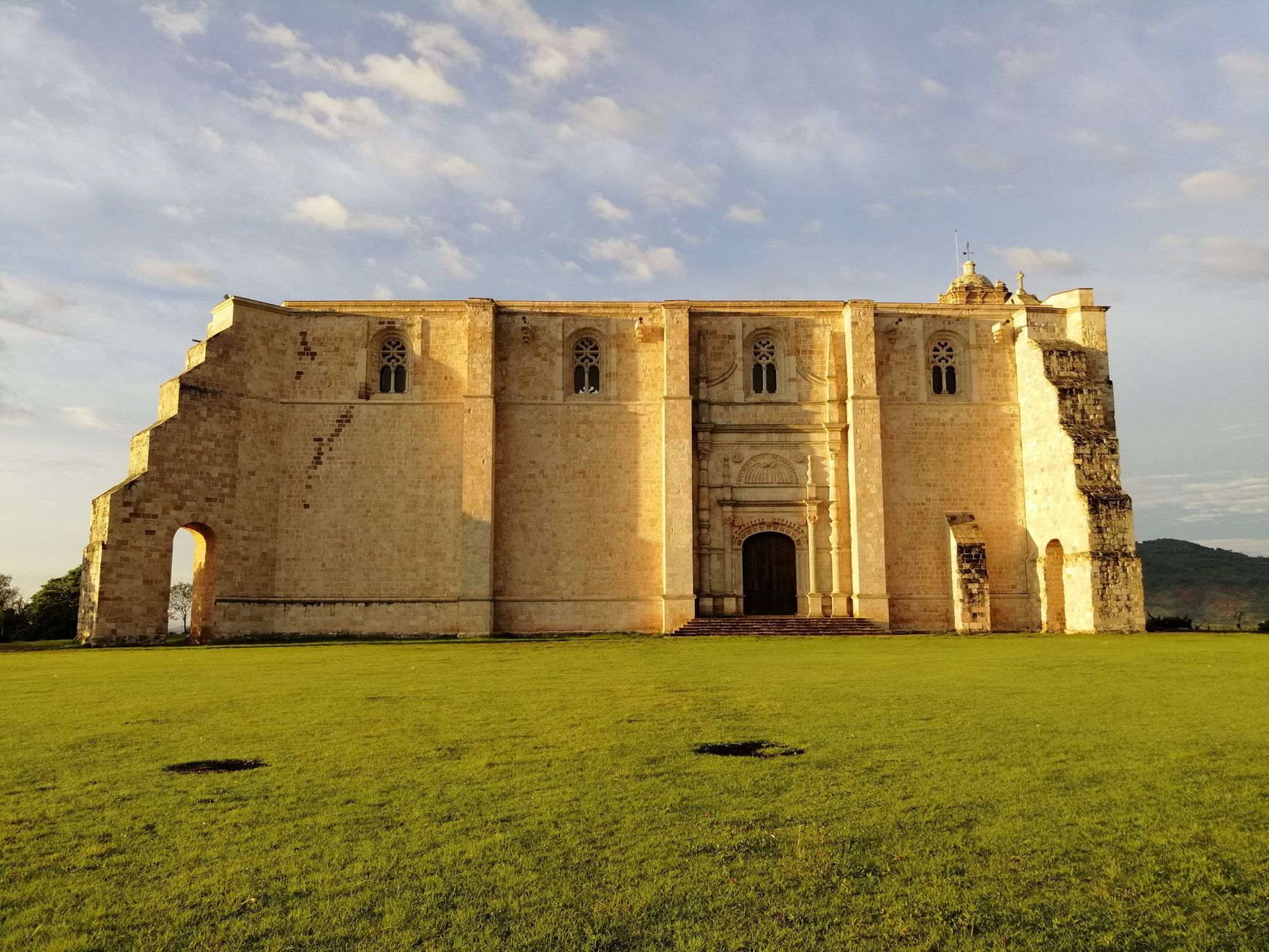
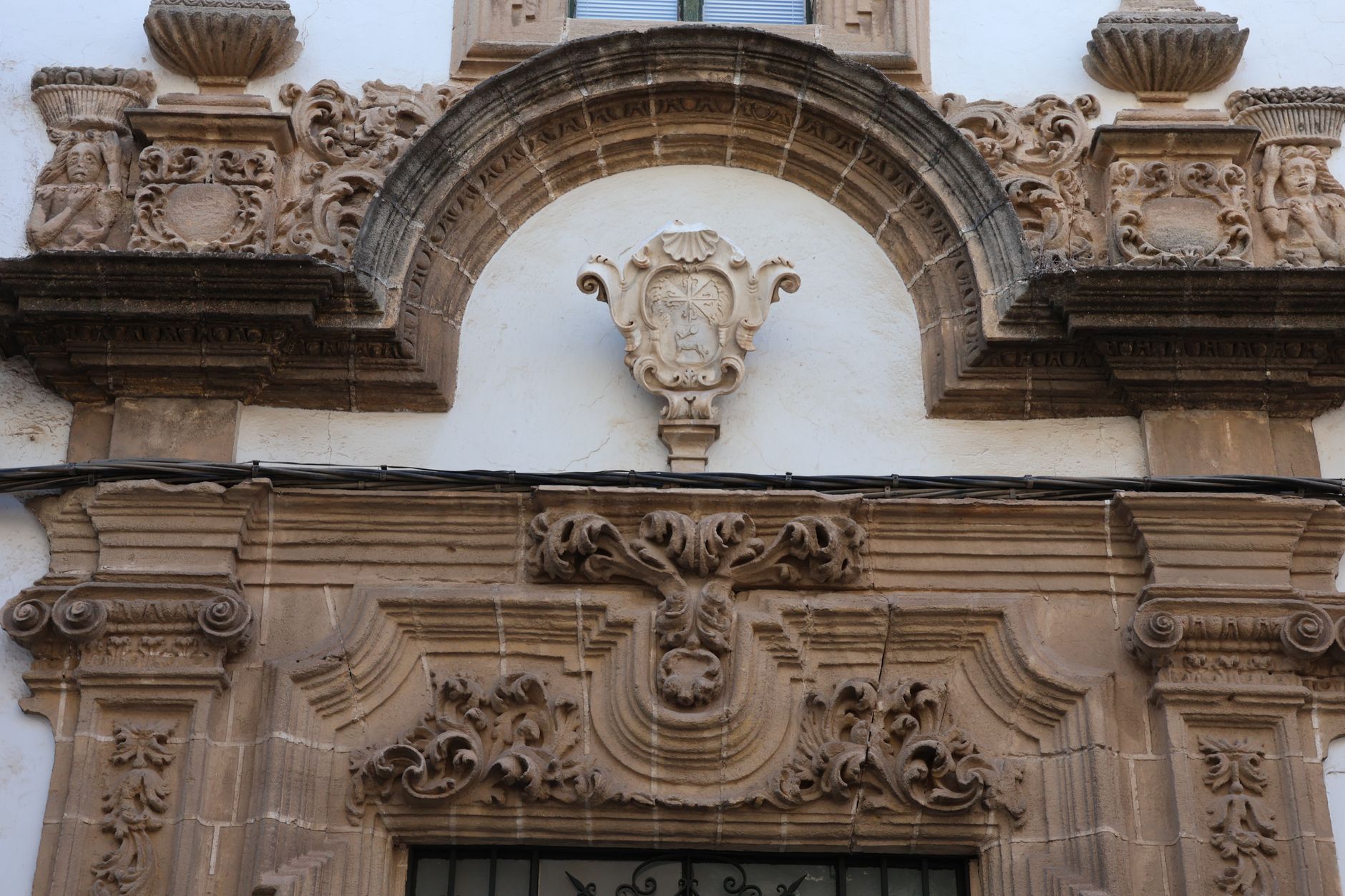


The click of trekking poles on wet sandstone marks early morning along the Calle Mayor. Built out of oak forests and grit by an eleventh-century hermit to spare pilgrims the mud of the Oja riverbed, the town still bends entirely to the Camino. Inside the cathedral, a live rooster and hen roost in an ornate cage high on the wall, commemorating a medieval miracle with dignified indifference to the solemnity below.
Last updated 30 Aug 2026
Build a Santo Domingo de la Calzada itinerary.
Choose up to 4 threads that pull you in. Your plan arrives organised around them.
We'll craft a 4-lens plan for Santo Domingo de la Calzada, one collapsible strand per lens.
Local Wine
Sample Rioja Alta Tempranillo and Viura poured straight from the barrel in quiet tabernas around Plaza de España alongside plates of cured cecina.
Local Wine
Sample Rioja Alta Tempranillo and Viura poured straight from the barrel in quiet tabernas around Plaza de España alongside plates of cured cecina.
Tempranillo on the Plaza Mayor
Bar El Mesón
Grab an outdoor table around eight in the evening. Order a glass of oak-aged Rioja Alta Tempranillo and a plate of grilled lamb cutlets or spicy patatas a la riojana from the counter inside.
Editor TipPlaza Mayor took shape as the city outgrew its pilgrimage walls, serving as the civic market and evening gathering ground where local winemakers sell harvest gossip over Rioja Alta vintages. Ask for whatever crianza they opened today. The house pour here is often better than the grander bottles on the rack.
Franciscan Cloister Walk
Convento de San Francisco
Enter through the side portal on Avenida de Burgos. Admission to the church and cloisters is two euros; spend forty-five unhurried minutes admiring the sandstone tombs and austere arches.
Editor TipCommissioned in 1537 by Archbishop Bernardo de Fresneda, this convent exemplifies the austere Herrerian style, built well apart from the pilgrim crowds that gather around the cathedral. Step into the inner courtyard at midday when sunlight cuts clean diagonal shadows across the lower gallery.
Crianza and Castilian Pinchos
Bar Hidalgo
Walk in without reservations, order a glass of Rioja Alta Tempranillo at the bar, and point to the grilled wild mushrooms on toast. Allow forty-five minutes. Expect four euros per pour.
Editor TipRioja Alta sits at a cool altitude where Tempranillo develops bright acidity, pairing naturally with the heavy pork and fungal staples that sustain this Camino crossroads. Stand near the back barrels where the locals argue about the harvest; the stools by the front door get drafty.
Market Culture
Browse Wednesday market stalls filling Plaza Jacobea with mountain cheeses, leeks, orchard apples, and dried pulses grown in the Oja Valley.
Market Culture
Browse Wednesday market stalls filling Plaza Jacobea with mountain cheeses, leeks, orchard apples, and dried pulses grown in the Oja Valley.
Morning Toast on Plaza Mayor
Plaza de España
Pull up a chair at Bar Hidalgo on the arcaded square for toasted pan con tomate and café con leche. Budget five euros and thirty leisurely minutes.
Editor TipThis fourteenth-century square served as the livestock market outside the fortified walls, hosting merchants and pilgrims heading west across La Rioja. Sit along the southern colonnade to catch the early sun and duck the cool morning breeze.
Sacred Architecture
Inspect the freestanding baroque bell tower built in 1767 and the Renaissance alabaster tomb of Saint Dominic carved by Damián Forment.
Sacred Architecture
Inspect the freestanding baroque bell tower built in 1767 and the Renaissance alabaster tomb of Saint Dominic carved by Damián Forment.
Live Poultry in Gothic Stone
Catedral de Santo Domingo de la Calzada
Buy your eight-euro entry at the north portal, including access to the freestanding bell tower across the lane. Spend an hour inside the nave.
Editor TipConsecrated in 1106, this pilgrim cathedral houses a fifteenth-century choir stall and an ornate cage with live white fowl commemorating a legendary miracle. Climb the freestanding baroque tower first while your legs are fresh and the bells are quiet.
Monastic Silence and Choral Tomes
Monasterio de San Millán de Yuso
Book the 11:00 guided tour online for seven euros. Walk the Renaissance cloister and examine the towering 16th-century cantorales choir books in the sacristy for one hour.
Editor TipBuilt from gold-toned sandstone below the San Lorenzo peak, Yuso preserves the monastic library where tenth-century monks penned the Glosas Emilianenses, the earliest written Spanish. The stone interior holds a perpetual cellar chill, so pack a light layer even if the valley feels warm outside.
Town Squares
Sit under the stone arcades of Plaza del Santo with a cortado as pilgrims gather by the fountain beneath the cathedral's southern facade.
Town Squares
Sit under the stone arcades of Plaza del Santo with a cortado as pilgrims gather by the fountain beneath the cathedral's southern facade.
Arcade Coffee and Tortilla
Bar Miguel
Walk beneath the sixteenth-century arches of Plaza de España and order a pincho of warm potato tortilla with a café con leche at the zinc counter. Budget four euros and stay thirty minutes.
Editor TipThe town square market rhythm has operated under these limestone arcades since the fourteenth century, serving as the central clearinghouse for Oja valley produce and neighbourly gossip. Ask for the tortilla with green alegrías peppers if you want the Riojano bite, but keep a water glass nearby.
Early Cortado and Plaza Ritual
Plaza de la Paz, Haro
Order a cortado and toasted pan con tomate at Café Bar Beethoven under the stone arcades. Allow forty minutes to sit while delivery vans unload produce across the flagstones.
Editor TipThis 18th-century plaza anchors Haro's civil life, serving as the communal muster point where growers, merchants, and morning regulars negotiate the day over strong coffee. Sit on the eastern arcade terrace to catch the low morning sun before wine tasting groups appear in the lower square.
Note from the Editor
“Arrive at the cathedral nave by ten before the day-tripper buses arrive from Logroño. Keep coins handy for coffee on the plaza; cards are met with mild suspicion for morning toast.”
The Bed
Where to stay in Santo Domingo de la Calzada
Which part of town to book, and what each one costs you in walking, noise or quiet.
The Comparison
Santo Domingo de la Calzada, or somewhere near it
The places you are realistically choosing between, and the honest case for each.
The Local Record
Where to read more about Santo Domingo de la Calzada
The blogs, boards, guides and operators worth bookmarking.
What to do in Santo Domingo de la Calzada La Rioja Spain
Life here follows the westward march of the Camino de Santiago. The old quarter clusters around the cathedral plaza and the Calle Mayor, making the whole town walkable in fifteen minutes flat. Mornings belong to boots on cobblestones and espresso at the counter; afternoons slow down over bean stews and Rioja Alta reds. It suits independent walkers, history lovers, and anyone who appreciates a town that exists for shelter rather than spectacle.
24 hours in Santo Domingo de la Calzada La Rioja Spain
Start early at the cathedral to see the live rooster before tour buses arrive, then climb the freestanding baroque tower for valley views. Lunch on caparrones at a tavern off Plaza del Santo. Spend the afternoon tracing the fourteenth-century city walls along the Espolón, finishing with almond ahorcaditos and a glass of Crianza under the plaza arcades. Select 1 Day above to see it.
2 days in Santo Domingo de la Calzada La Rioja Spain
On day two, take the fifteen-minute drive south along the river to Ezcaray. Walk the quiet cobblestone alleys, inspect the historic hand-weaving looms at the local textile mills, and sit down for grilled lamb cutlets over vine cuttings. Return by dusk for pinchos along Calle Mayor when the evening pilgrim crowd fills the bars. Choose 2 Days to expand the plan.
3 days in Santo Domingo de la Calzada La Rioja Spain
A third day allows a scenic detour to San Millán de la Cogolla to explore the Suso and Yuso monasteries in their quiet mountain bowl. Continue east through the vineyard roads of the Rioja Alta toward Haro for late-afternoon tastings at century-old bodega cellars, avoiding the highway entirely on well-paved rural lanes.
Santo Domingo de la Calzada La Rioja Spain itineraries by interest
Pilgrimage Heritage in Santo Domingo de la Calzada La Rioja Spain
Track the Camino de Santiago along Calle Mayor to the twelfth-century cathedral where live poultry still resides in the elevated Gothic coop.
Local Wine in Santo Domingo de la Calzada La Rioja Spain
Sample Rioja Alta Tempranillo and Viura poured straight from the barrel in quiet tabernas around Plaza de España alongside plates of cured cecina.
Regional Cooking in Santo Domingo de la Calzada La Rioja Spain
Order caparrones, the rich local red bean stew simmered with chorizo, ribs, and blood sausage, finished with pickled green guindilla peppers.
Sacred Architecture in Santo Domingo de la Calzada La Rioja Spain
Inspect the freestanding baroque bell tower built in 1767 and the Renaissance alabaster tomb of Saint Dominic carved by Damián Forment.
Historic Inns in Santo Domingo de la Calzada La Rioja Spain
Sleep in the twelfth-century pilgrim hospital converted into the Parador, featuring Gothic stone arches and heavy wooden rafters right off the plaza.
Pastry Traditions in Santo Domingo de la Calzada La Rioja Spain
Pick up ahorcaditos, the traditional puff-pastry tarts filled with sweet almond cream shaped like little hanging men, baked at local pastelerías.
Medieval Fortifications in Santo Domingo de la Calzada La Rioja Spain
Walk the surviving fourteenth-century ramparts along Paseo del Espolón, built by King Pedro I with seven original defensive towers intact.
Market Culture in Santo Domingo de la Calzada La Rioja Spain
Browse Wednesday market stalls filling Plaza Jacobea with mountain cheeses, leeks, orchard apples, and dried pulses grown in the Oja Valley.
Valley Walks in Santo Domingo de la Calzada La Rioja Spain
Follow the Vía Verde del Oja, a flat walking trail along the disused railway line toward Ezcaray through poplar groves and wheat fields.
Town Squares in Santo Domingo de la Calzada La Rioja Spain
Sit under the stone arcades of Plaza del Santo with a cortado as pilgrims gather by the fountain beneath the cathedral's southern facade.
Day Trips in Santo Domingo de la Calzada La Rioja Spain
Drive fifteen minutes south into the Sierra de la Demanda to reach Ezcaray, known for handwoven mohair blankets and wood-paneled cider bars.
Monastic History in Santo Domingo de la Calzada La Rioja Spain
Head ten miles east to San Millán de la Cogolla to tour Suso and Yuso, the twin monasteries regarded as the cradle of the written Spanish language.