


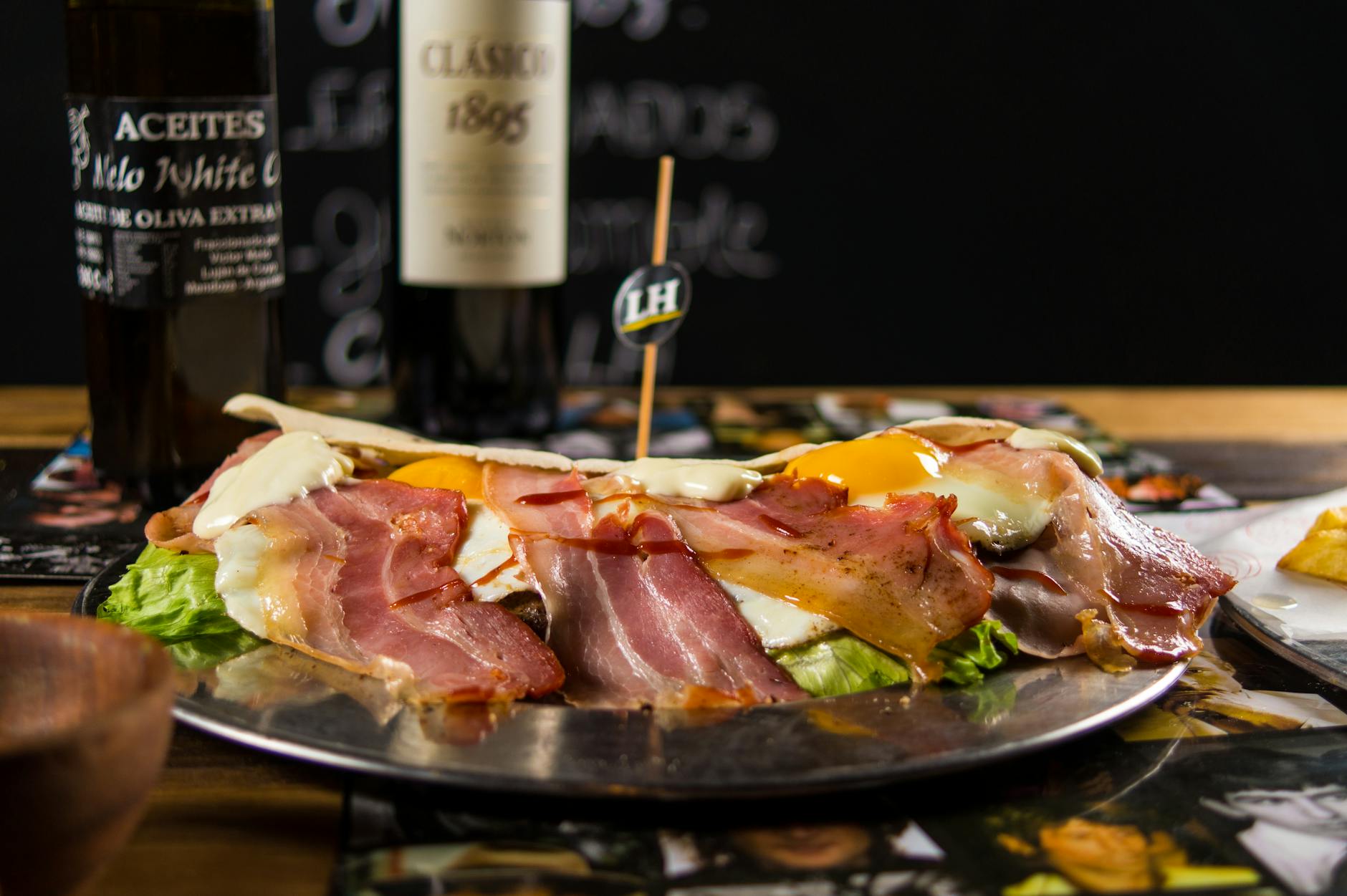
The iron grill hisses on Calle Laurel as another plate of button mushrooms and tiny shrimp gets doused in garlic butter. Down by the Ebro, the Stone Bridge has funnelled pilgrims toward Santiago since the eleventh century, but most people here are focused on dinner. Logroño does not put on airs; it works, pours Tempranillo into thick glasses, and empties its streets every night for an unhurried, bar-hopping crawl across a compact medieval centre.
Last updated 30 Aug 2026
Build a Logroño itinerary.
Choose up to 4 threads that pull you in. Your plan arrives organised around them.
The Bed
Where to stay in Logroño
Which part of town to book, and what each one costs you in walking, noise or quiet.
The Comparison
Logroño, or somewhere near it
The places you are realistically choosing between, and the honest case for each.
The Local Record
Where to read more about Logroño
The blogs, boards, guides and operators worth bookmarking.
What to do in Logroño La Rioja Spain
Logroño is the administrative capital of La Rioja, but daily life belongs entirely to the tapas crawl. The compact old quarter between the Ebro and Calle Portales makes navigation simple. Mornings are for church steps, market stalls, and quiet riverside paths; evenings are social rituals where everyone drifts from bar to bar. It suits travellers who appreciate unpretentious regional cooking, good wine without the ceremony, and early evening conversation.
24 hours in Logroño La Rioja Spain
Start with coffee and a fardelejo pastry near the Concatedral, then browse the produce stalls at Mercado de San Blas. Walk the riverside path at Parque del Ebro before resting your feet. By eight in the evening, tackle Calle Laurel and Calle San Juan for mushroom caps, skewers, and crisp glasses of Viura. Select 1 Day above to see it.
2 days in Logroño La Rioja Spain
Cross the bridge on day two to Bodegas Franco-Españolas for a cellar tour, then explore the medieval calados along Calle Ruavieja. For lunch, seek out a sit-down meal of patatas a la riojana and lamb chops cooked over vine clippings in a traditional asador off Plaza de San Agustín. Choose 2 Days to expand the plan.
3 days in Logroño La Rioja Spain
Use your third day to head north into Rioja Alavesa. Catch a morning bus to the walled hill town of Laguardia, where cellars honeycomb the stone streets, or take the train to Haro to wander the famous Barrio de la Estación without having to negotiate parking or a designated driver.
Logroño La Rioja Spain itineraries by interest
Tapas & Pintxos in Logroño La Rioja Spain
Order the mushroom stacks at Bar Soriano and grilled pork snout on Calle San Juan, eaten standing up with a young crianza.
Wine & Vineyards in Logroño La Rioja Spain
Taste Rioja Alta and Alavesa Tempranillo at century-old urban bodegas like Franco-Españolas, just a ten-minute walk across the bridge.
Markets & Produce in Logroño La Rioja Spain
Inspect white asparagus, piquillo peppers, and Riojan artichokes stacked at Mercado de San Blas, open mornings Monday through Saturday.
Pilgrim Heritage in Logroño La Rioja Spain
Trace the shell markers over the 1884 Puente de Piedra past the Iglesia de Santiago el Real and its monumental fountain.
Sacred Architecture in Logroño La Rioja Spain
Visit the twin baroque towers of the Concatedral de Santa María de la Redonda and seek out the small painting attributed to Michelangelo.
Riverfront Walks in Logroño La Rioja Spain
Stroll Parque del Ebro along the riverbank path, where shady plane trees offer relief before the evening tapeo begins at eight.
Historic Cellars in Logroño La Rioja Spain
Descend into the calados, the subterranean medieval stone cellars beneath Calle Ruavieja that once stored barrels under private homes.
Regional Cooking in Logroño La Rioja Spain
Savour patatas a la riojana stewed with chorizo, followed by chuletillas al sarmiento grilled over dry grapevine cuttings.
Plazas & People in Logroño La Rioja Spain
Pull up a cane chair under the arcades in Plaza del Espolón to watch multi-generational evening strolls around the Espartero monument.
Local Festivals in Logroño La Rioja Spain
Experience September's Fiestas de San Mateo, when the first grapes of the harvest are trodden and offered to the Virgin of Valvanera.
Day Trips in Logroño La Rioja Spain
Take a twenty-minute bus to medieval Laguardia or the historic station district bodegas of Haro for deep cellar tastings.
Historic Streets in Logroño La Rioja Spain
Wander Calle Portales beneath stone arches, browsing old sweetshops, espadrille makers, and bakeries selling fardelejo pastries.