Hikone.


Hikone sits fifty minutes northeast of Kyoto on the JR Tokaido Line, facing the eastern shore of Lake Biwa. The town is known for its intact 1622 castle keep and heavily marbled Omi beef, raised in the surrounding Shiga pastureland. Hikone is worth visiting if you want to climb an authentic wooden castle keep and eat century-old beef preparations without the crowds of Kyoto. Look elsewhere if you want late-night bars, sleek high-speed transit connections, or sprawling shopping arcades.
Last updated 4 Oct 2026
Build a Hikone itinerary.
Choose up to 4 threads that pull you in. Your plan arrives organised around them.
The Bed
Where to stay in Hikone
Which part of town to book, and what each one costs you in walking, noise or quiet.
The Comparison
Hikone, or somewhere near it
The places you are realistically choosing between, and the honest case for each.
The Local Record
Where to read more about Hikone
The blogs, boards, guides and operators worth bookmarking.
What to do in Hikone Shiga Prefecture Japan
Hikone centers on its four-hundred-year-old castle hill, dropping down into water-filled moats and quiet residential grids. Life moves at an unhurried tempo dictated by the lake and seasonal winds. Days turn around touring the timber fortifications, walking the gravel garden paths of Genkyu-en, and taking unhurried beef dinners. It suits independent travellers who appreciate original historical fabric, local food heritage, and low-key lakefront strolls.
24 hours in Hikone Shiga Prefecture Japan
Arrive early to climb the wooden keep before tour groups gather. Walk down to Genkyu-en garden for morning matcha, then cross the moat to Yume Kyobashi for an Omi beef lunch. Spend the late afternoon walking the lakeside path at Matsubara before an early soba dinner. Select 1 Day above to see it.
2 days in Hikone Shiga Prefecture Japan
Devote your second day to the historic Ashigaru samurai quarter in Serikawa, exploring preserved low-ranking warrior residences. Walk the old Nakasendo post route to nearby Toriimoto, then return to the castle moat for a dinner of salt-grilled ayu and chilled local sake. Choose 2 Days to expand the plan.
3 days in Hikone Shiga Prefecture Japan
Take the local train twenty minutes north to Nagahama to explore Kurokabe square and lakeside parks, or head south to Omihachiman to ride hand-poled boats along the reed-filled merchant canals. Finish with a lake carp tasting back in Hikone.
Hikone Shiga Prefecture Japan itineraries by interest
Feudal Architecture in Hikone Shiga Prefecture Japan
Climb the steep internal wooden ladders of the three-story 1622 castle keep, preserved with its original gun ports and defensive stone drops.
Regional Beef in Hikone Shiga Prefecture Japan
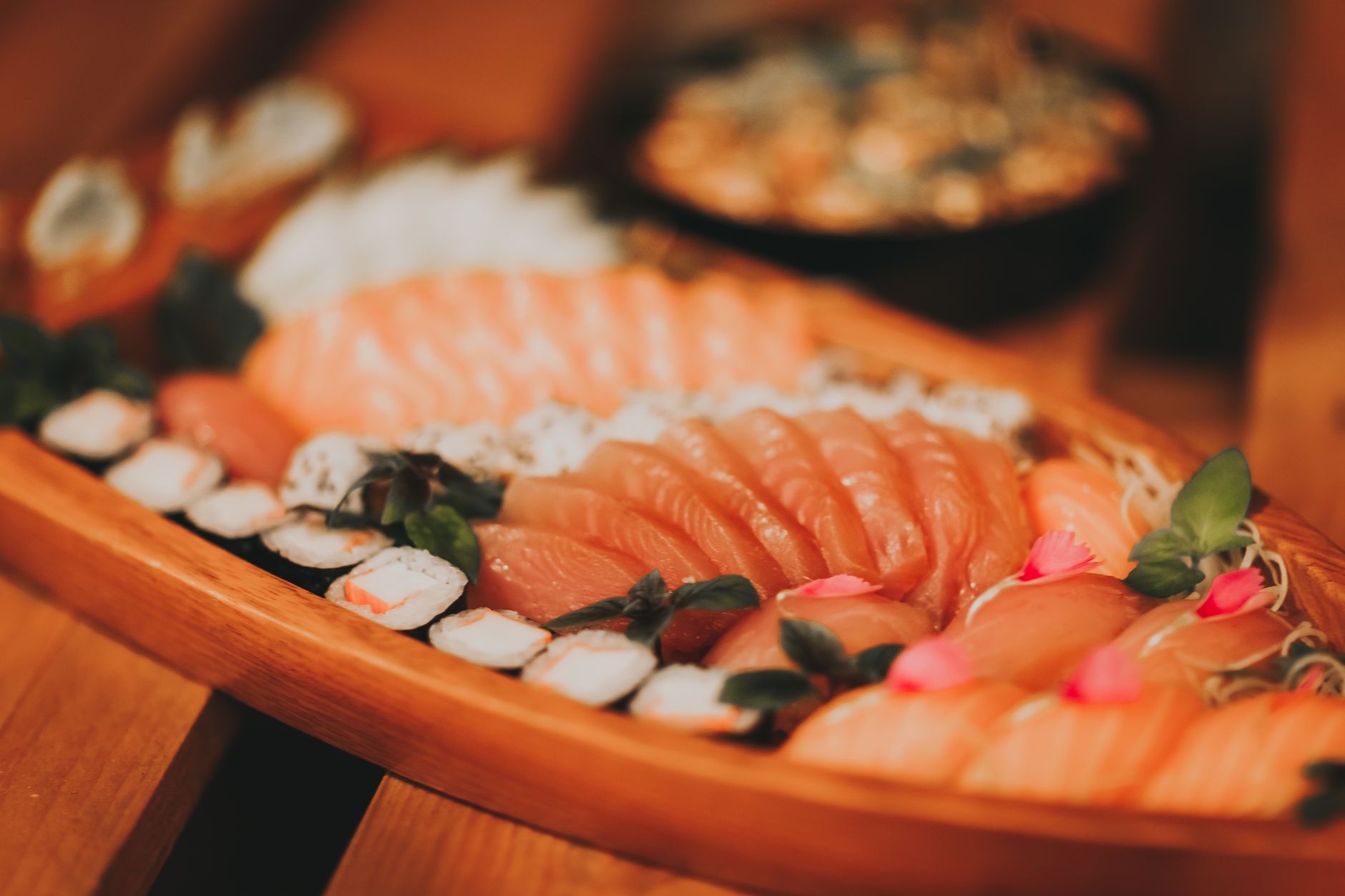
Order A5 Omi wagyu sukiyaki or charcoal-grilled steaks simmered in sweet soy at long-running specialists like Sennaritei Kyara on Yume Kyobashi.
Zen Gardens in Hikone Shiga Prefecture Japan
Walk the circular paths of Genkyu-en, a 1677 feudal lord garden framing the castle keep across four ponds lined with mounded pine islands.
Traditional Sweets in Hikone Shiga Prefecture Japan
Sample umoregi sweets made with white bean paste, matcha, and wasanbon sugar at Ito Jukansai, confectioners operating since 1809 near the moat.
Freshwater Fish in Hikone Shiga Prefecture Japan
Try Lake Biwa delicacies, including sweet-simmered ayu sweetfish and fermented funazushi carp, prepared using ancient preservation techniques.
Historic Quarters in Hikone Shiga Prefecture Japan
Stroll Yume Kyobashi Castle Road, lined with reconstructed Edo-period merchant facades, ceramic shops, and small soba noodles counters.
Lakefront Walks in Hikone Shiga Prefecture Japan
Follow the paved lakeside paths along Lake Biwa near Matsubara beach, catching open water breezes and clear sunset views over the western hills.
Sake Breweries in Hikone Shiga Prefecture Japan
Taste dry junmai sakes brewed with Omi rice and cold subterranean mountain runoff at neighborhood shops in the old castle town grid.
Tea Culture in Hikone Shiga Prefecture Japan
Take whisked matcha and seasonal wagashi inside the reconstructed Hosho-dai teahouse overlooking the central pond at Genkyu-en garden.
Local Craft in Hikone Shiga Prefecture Japan
Browse hand-carved Hikone butsudan Buddhist altars and local lacquerware crafted by multi-generational artisans along the old post town roads.
Castle Moats in Hikone Shiga Prefecture Japan
Take a flat-bottomed wooden roofed boat ride along the castle inner moat, observing stone ramparts laid by 17th-century masons.
Day Trips in Hikone Shiga Prefecture Japan
Ride the Ohmi Railway south to Omihachiman for canal boat rides, or head north to Nagahama for black-plaster merchant warehouses and glassware.