


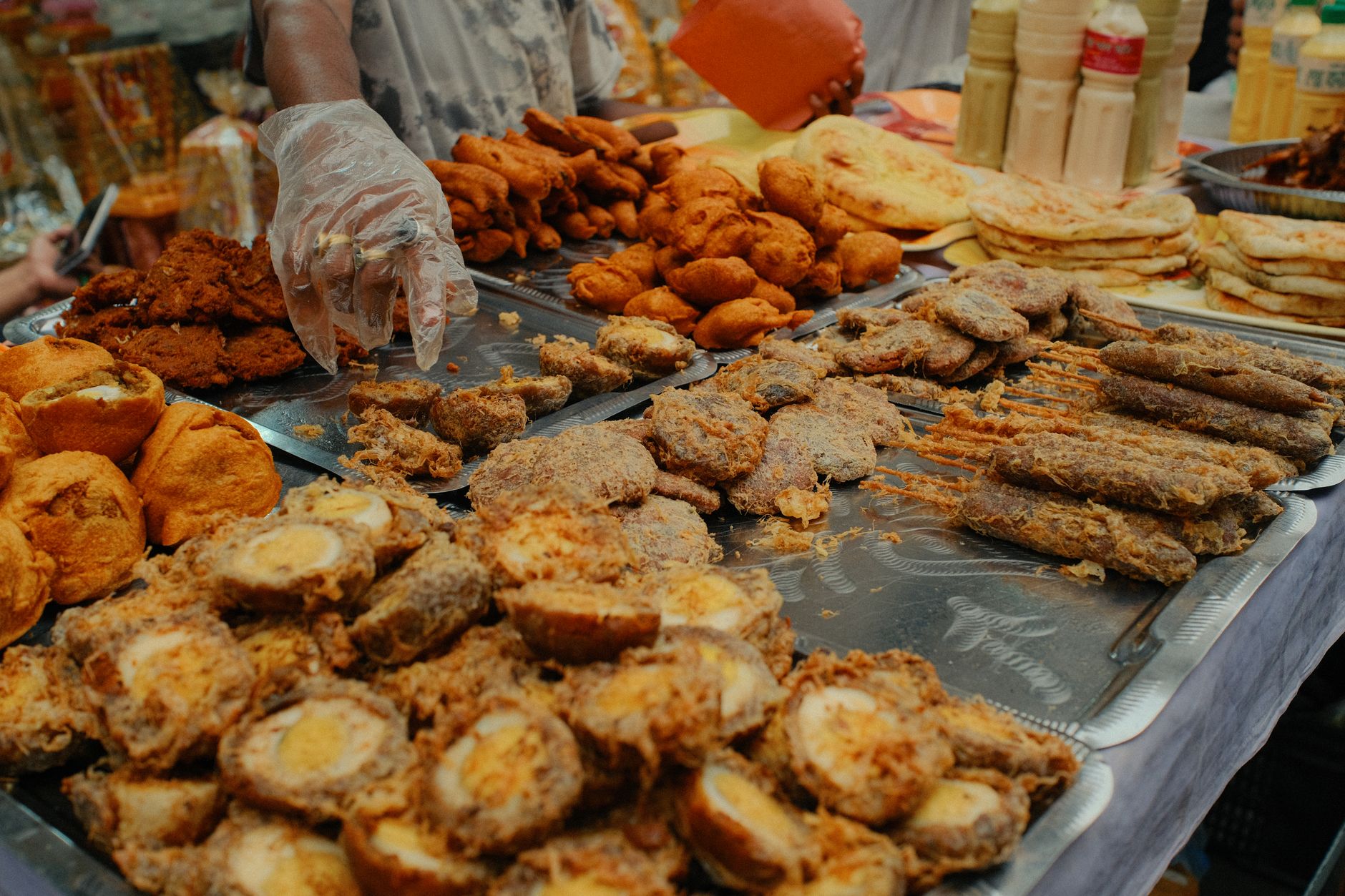

Kozhikode sits on the Malabar Coast, three hours north of Kochi by train and served directly by its own international airport. It is known for its centuries of spice-trade history and a regional dining culture built around Malabar mutton biryani and fresh seafood. Kozhikode is worth visiting if you travel to eat layered biryani at noon and walk working spice lanes. Look elsewhere if you want polished resort enclaves, western nightlife, or manicured swimming beaches.
Last updated 18 Sept 2026
Build a Kozhikode itinerary.
Choose up to 4 threads that pull you in. Your plan arrives organised around them.
We'll craft a 1-lens plan for Kozhikode, one collapsible strand per lens.
Local Seafood
Kallummakkaya (stuffed mussels), seer fish fry in red masala, and crab roast served hot on banana leaves at Paragon or seaside stalls along Beach Road.
Local Seafood
Kallummakkaya (stuffed mussels), seer fish fry in red masala, and crab roast served hot on banana leaves at Paragon or seaside stalls along Beach Road.
Tracking the Morning Catch
Vellayil Fishing Harbour
Walk along the concrete pier as the small trawlers unload crates of mackerel and sardines. Wear sturdy shoes with good grip; there is no fee, and forty minutes gives you the full spectacle.
Editor TipMalabar fishermen have worked these waters for centuries, supplying the daily markets that define Kozhikode's coastal diet with fresh oil sardines, silver pomfret, and kingfish. Keep your hands free and step aside quickly when carriers with heavy crates on their heads shout their warnings.
Feasting on Neymeen Fry
Paragon Restaurant
Head upstairs to the dining room. Order the shallow-fried neymeen and a fish mango curry with flaky parottas. Expect to pay around 600 rupees per person; allow an hour.
Editor TipOpened in 1939, this culinary fixture perfected the Malabar technique of searing seer fish in chili, turmeric, and coconut oil, setting Kozhikode's gold standard for coastal seasoning. Arrive by eleven-forty-five; by twelve-fifteen the waiting area becomes an exercise in patient endurance.
Malabar Seer Fish Fry
Hotel Paragon
Head to the Kannur Road original. Order the king fish fry with thin pathiri and fish mango curry. No reservations; expect a ten-minute wait for a ground-floor booth.
Editor TipSince 1939, Paragon has defined Kozhikode table culture. Their kitchen marinates local neimeen in crushed shallots and chili before frying it crisp in unrefined coconut oil. Skip the air-conditioned section upstairs. The ground floor moves quicker and the hot parottas land at your table faster.
Sunset Stuffed Mussels
Kozhikode Beach
Walk past the old iron piers around dusk. Seek out carts frying rice-stuffed mussels and spiced squid over portable gas rings. Bring small rupee notes and eat on the sand.
Editor TipKallummakkaya nirachathu, green mussels stuffed with spiced rice flour and fried in red chili, is Malabar street cooking at its purest, perfected by coastal fishing families. Pick vendors with active crowds and brisk oil rotation. If the shells sit cold on the metal trays, keep walking.
Bidding for Morning Sardines
Puthiyappa Fishing Harbour
Arrive before 08:30 to watch auctioneers handle silver piles of oil sardines and mackerel. Wear closed, washable footwear; the wet stone docks require twenty minutes on foot and zero entrance fee.
Editor TipKozhikode's coastal rhythm revolves around mathi (oil sardines), sustaining Malabar kitchens for centuries with high-fat, intensely flavoured catches landed straight from traditional motorized country crafts. Stand clear of the wooden handcarts rushing crushed ice from the quay; local buyers move fast and expect you to yield.
Spiced Stuffed Mussels
Zain's Hotel
Settle into this Convent Cross Road dining room by noon to order arikadukka, green-lipped mussels packed with spiced rice paste and fried crisp. Expect to pay under 200 rupees for a generous plate.
Editor TipArikadukka is the cornerstone of Mappila seafood cookery, marrying the rocky Arabian Sea mussel harvest with fragrant short-grain rice and fennel, a technique perfected across Malabar home kitchens. Pair the mussels with hot sulaimani tea; the black spiced tea cuts cleanly through the rich, coconut-oil crust.
Wharfside Sardine Auctions
Beypore Fishing Harbour
Walk the wet concrete quay while trawlers unload silver ribbons of mathi. Wear closed rubber-soled shoes, stay out of the basket-haulers' path, and spend an hour observing the bids.
Editor TipBeypore has built wooden dhows and launched fishing fleets across the Arabian Sea for a millennium, remaining the engine of Malabar's daily sardine and mackerel supply. Step aside immediately when a porter shouts. You are an observer, not a fish buyer.
Estuary Mud Crab and Mussels
Kadalundi Bird Sanctuary and Fish Stalls
Hire an open wooden country boat at the bridge for an hour, then stop at the waterside shacks for freshly pried kallummakaya fried in red chili paste with coconut oil.
Editor TipWhere the Kadalundi River meets the sea, brackish mangrove beds yield prized green mussels and fat mangrove crabs harvested daily by village foragers. Order the fried mussels on a steel plate with a warm parotta; eat with your hands.
Tasting Stuffed Green Mussels
Beypore Port Walkway
Walk the stone pier past wooden dhows, then grab hot arikadukka from shoreline carts for around 80 rupees. Allow forty minutes before sunset.
Editor TipGreen mussels scraped from shoreline rocks are packed with spiced rice flour and steamed in their shells, a staple ritual of northern Kerala's seafaring Mappila households. Claim a bench along the seawall early to watch trawlers roll in without stepping on someone's drying net.
Clay-Pot Mud Crab Roast
Elathur Toddy Shop
Order the mud crab roast and pepper squid with hot appams. Arrive before seven for the best cuts. Expect to pay around 500 rupees cash.
Editor TipWhere the Korapuzha river feeds the Arabian Sea, roadside kitchens simmer brackish-water shellfish with crushed Malabar black pepper, shallots, and fresh coconut slivers. The black pepper heat is fierce and proud of itself. Keep fresh lime soda nearby and leave good shirts behind.
Note from the Editor
“Start at the docks before nine while the ice is still crisp. For lunch, Kozhikode queues build fast by twelve-thirty; arriving just before noon saves you forty minutes of sweating in a crowded stairwell.”
The Bed
Where to stay in Kozhikode
Which part of town to book, and what each one costs you in walking, noise or quiet.
The Comparison
Kozhikode, or somewhere near it
The places you are realistically choosing between, and the honest case for each.
The Local Record
Where to read more about Kozhikode
The blogs, boards, guides and operators worth bookmarking.
What to do in Kozhikode Kerala India
Kozhikode is an unpretentious merchant city arranged around a central tank, busy spice alleys, and a breezy western shoreline. The daily rhythm is dictated by the midday meal rush, late afternoon chai gatherings, and evening walks on the sand. It rewards independent travellers who prefer serious regional food, working waterfronts, and genuine hospitality over manufactured resort comfort.
24 hours in Kozhikode Kerala India
Start early in Valiyangadi watching spice sacks move, then walk to Mishkal Mosque before noon. Eat mutton biryani at Paragon or Sagar, take a rest during the midday heat, and spend the late afternoon grazing on halwa on SM Street before watching sunset at Kozhikode Beach with hot sulaimani tea. Select 1 Day above to see it.
2 days in Kozhikode Kerala India
Head ten kilometres south to Beypore on your second morning to see the colossal wooden dhows being built by hand along the Chaliyar estuary. Return via the quiet lanes of Kuttichira for tea, then settle in for an evening feast of Malabar parotta, fried seer fish, and peppery beef roast. Choose 2 Days to expand the plan.
3 days in Kozhikode Kerala India
A third day allows a morning boat trip through the mangrove channels of Kadalundi Bird Sanctuary, followed by a visit north to the historic shores of Kappad Beach. Wrap up with a relaxed tour of local khadi handloom weaving societies in the surrounding countryside before dinner.
Kozhikode Kerala India itineraries by interest
Local Seafood in Kozhikode Kerala India
Kallummakkaya (stuffed mussels), seer fish fry in red masala, and crab roast served hot on banana leaves at Paragon or seaside stalls along Beach Road.
Street Food in Kozhikode Kerala India
Crisp banana chips fried in coconut oil on SM Street, spiced ice orathi, and fresh halwa sliced warm from copper vats in Sweet Meat Street.
Sacred Architecture in Kozhikode Kerala India
Mishkal Mosque with its four-tiered timber gables and lack of minarets, alongside the 14th-century Tali Shiva Temple near Mananchira Square.
Maritime History in Kozhikode Kerala India
Beypore port where artisans handcraft wooden dhows (uru) using century-old carpentry traditions for Arab merchants and sea voyages.
Tea Culture in Kozhikode Kerala India
Cardamom-scented sulaimani black tea poured from height, paired with unnakkaya (banana fritters) and chattipathiri at local chaya kadas.
Historic Markets in Kozhikode Kerala India
The narrow lanes of Valiyangadi (Big Bazaar), where merchants have traded whole black pepper, dried ginger, and areca nuts since medieval times.
Coastal Walks in Kozhikode Kerala India
Kozhikode Beach promenade featuring crumbling colonial sea piers, evening family crowds, and cool Arabian Sea breezes at sunset.
Regional Curries in Kozhikode Kerala India
Malabar mutton biryani cooked with fragrant kaima rice, mild spices, and clarified butter, followed by rich Malabar parotta with beef roast.
Textile Heritage in Kozhikode Kerala India
The historic calico weaving legacy, visible at traditional handloom societies and khadi centres across the surrounding Malabar villages.
Nature & Wetlands in Kozhikode Kerala India
Kadalundi Bird Sanctuary, where the river meets the sea, hosting migratory sandpipers, gulls, and herons among dense mangrove islands.
Craft Traditions in Kozhikode Kerala India
Bell metal casting and coir yarn spinning workshops in the rural pockets of Olavanna and coastal outskirts along the Chaliyar River.
Day Trips in Kozhikode Kerala India
Kappad Beach where Vasco da Gama landed in 1498, and the scenic drive north toward the quiet backwaters and cliffs of Mahe and Thalassery.