

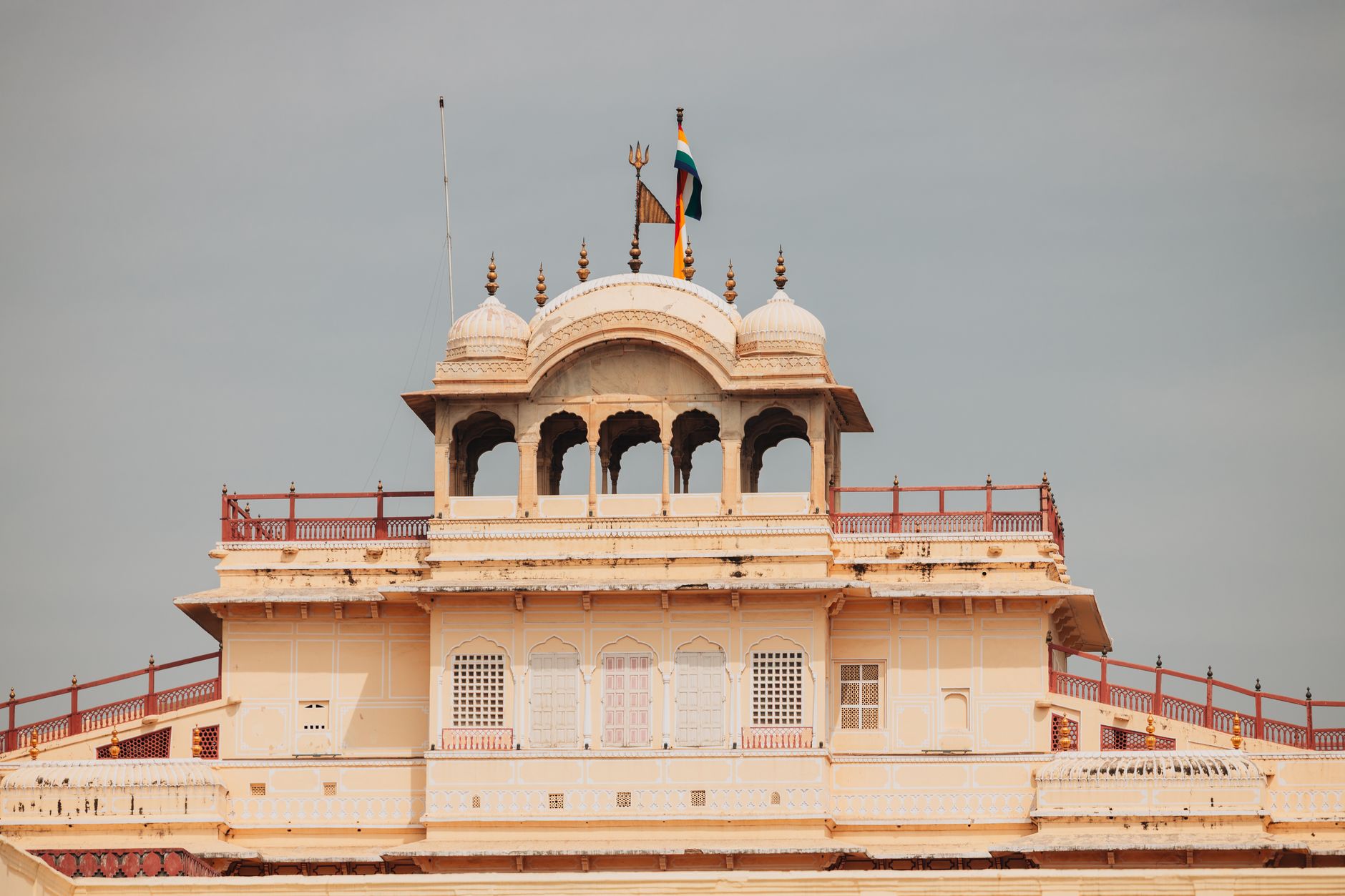
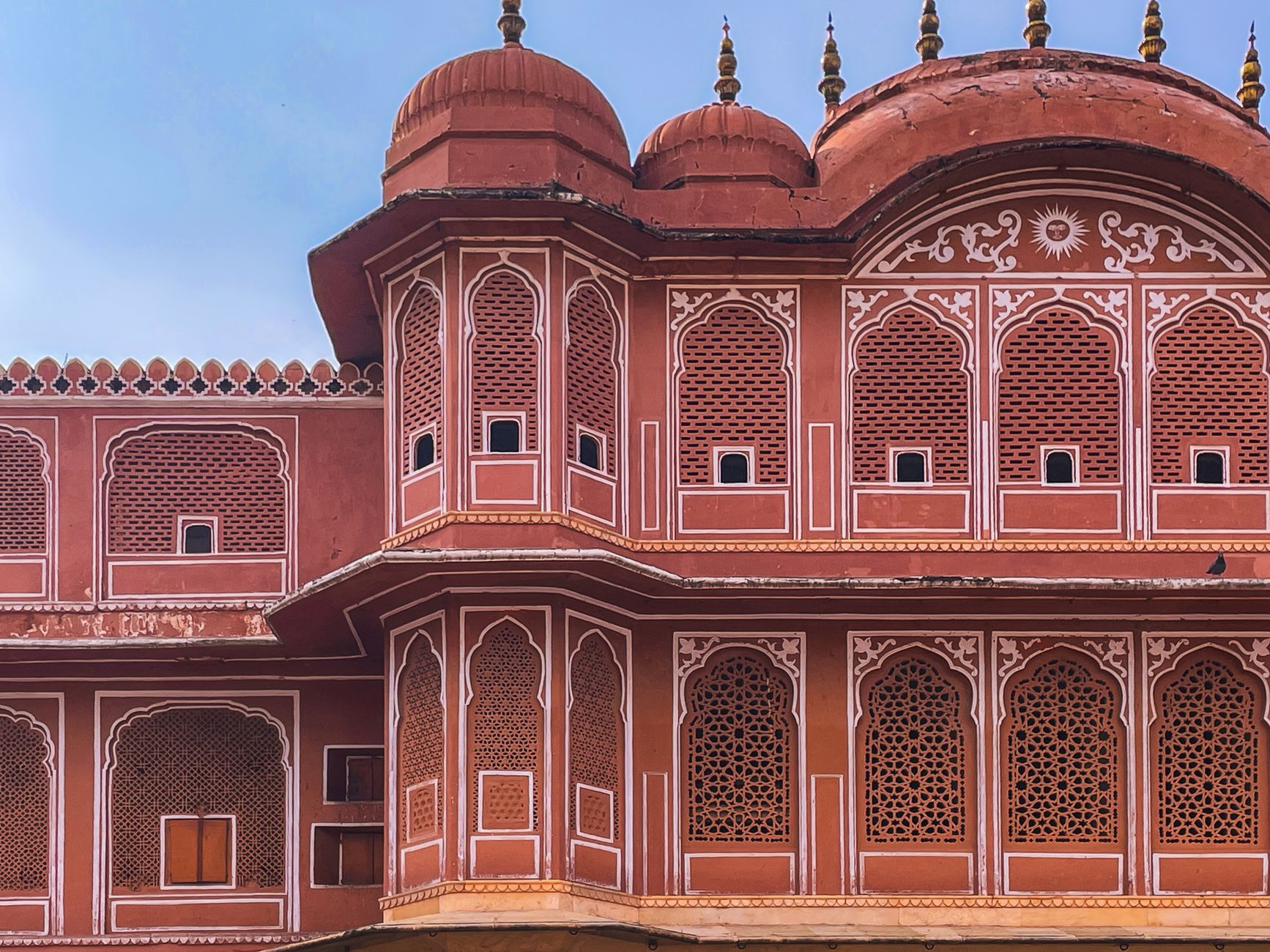
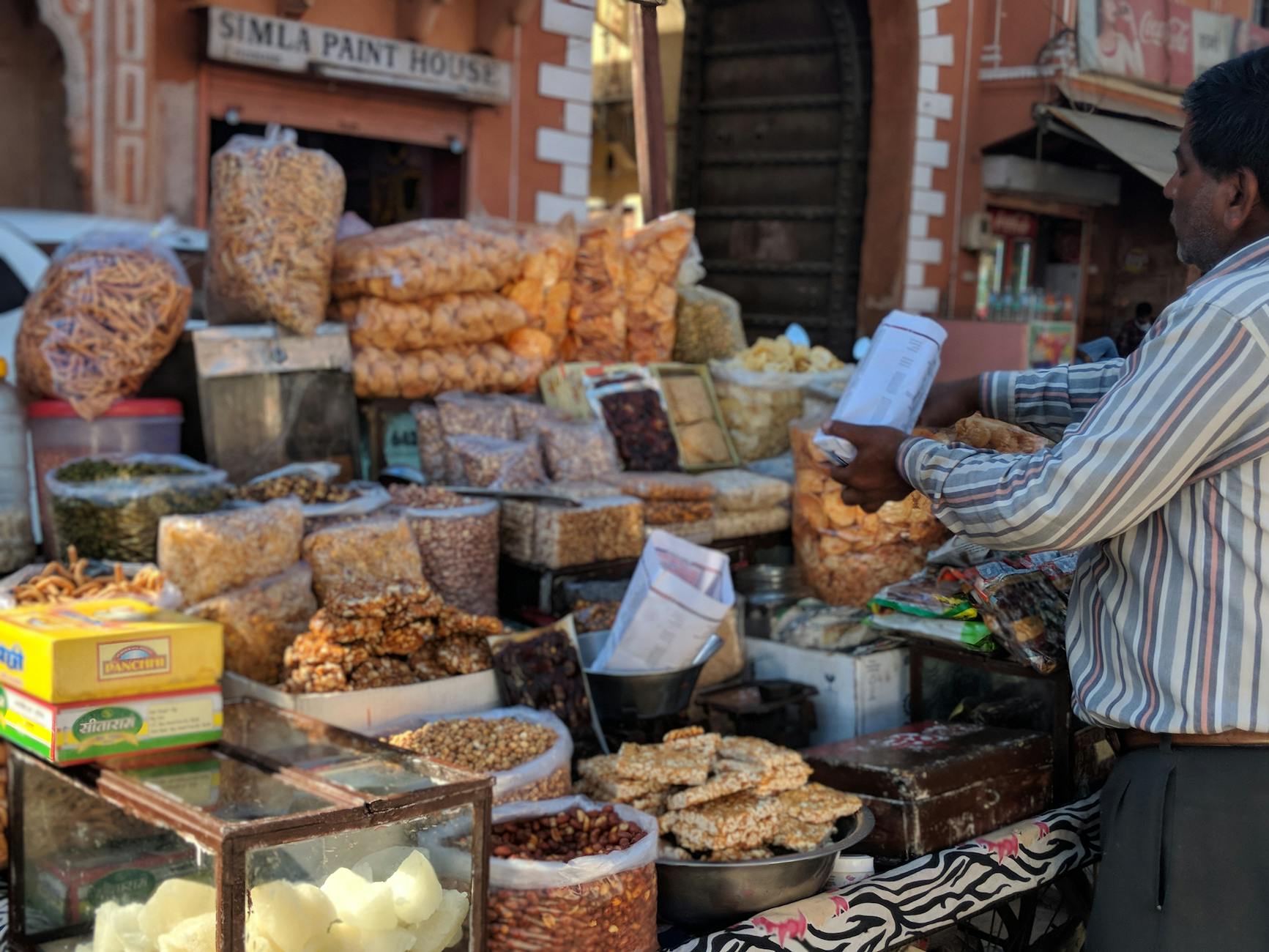
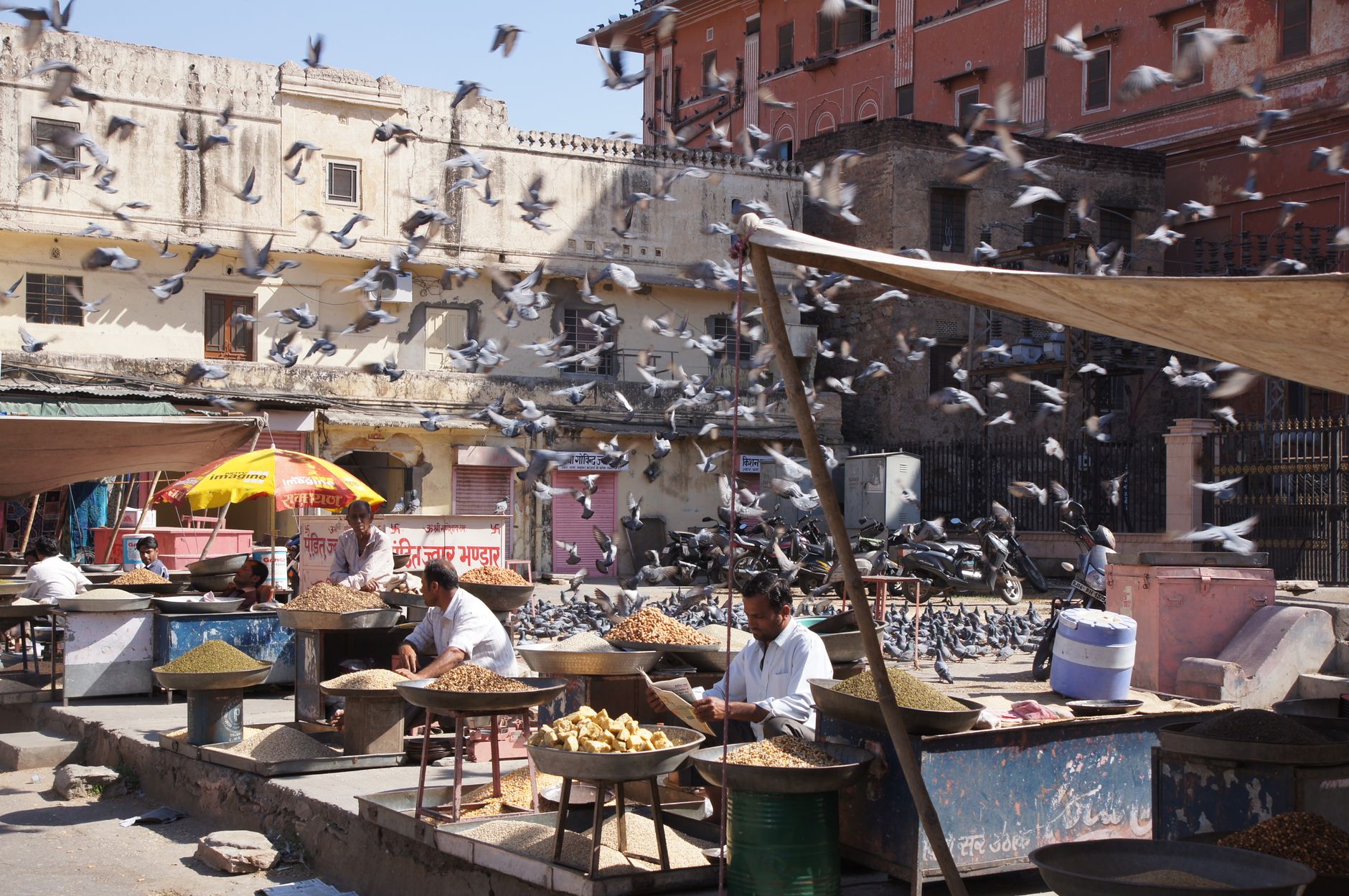
The morning starts with the scrape of wooden shutters opening along the terracotta-pink colonnades of Johari Bazaar. Jai Singh II planned this city on a geometric grid in 1727, yet the order quickly yields to a storm of bicycle bells, cows claiming the right of way, and chai vendors boiling fresh ginger in brass pots. You come for the sandstone forts and astronomical instruments, but you stay for the relentless energy of the old quarter.
Last updated 2 Sept 2026
Build a Jaipur itinerary.
Choose up to 4 threads that pull you in. Your plan arrives organised around them.
The Bed
Where to stay in Jaipur
Which part of town to book, and what each one costs you in walking, noise or quiet.
The Comparison
Jaipur, or somewhere near it
The places you are realistically choosing between, and the honest case for each.
The Local Record
Where to read more about Jaipur
The blogs, boards, guides and operators worth bookmarking.
What to do in Jaipur Rajasthan India
Jaipur rewards travellers who can handle a bit of chaos and appreciate grand municipal ambitions. The walled Old City houses the main bazaars and palaces along broad avenues, making orientation straightforward once you find your bearings. Days revolve around early morning fortress climbs before the heat peaks, afternoon museum visits, and early evening market strolls fueled by sweet milky tea and savoury street snacks.
24 hours in Jaipur Rajasthan India
Start at 8:00 AM at Amber Fort before tour buses arrive. Head into the walled city for lunch, ordering dal baati churma near Ajmeri Gate. Spend the afternoon taking in the marble courtyards of City Palace and the sundials of Jantar Mantar, then photograph Hawa Mahal at dusk from a rooftop cafe across the street. Select 1 Day above to see it.
2 days in Jaipur Rajasthan India
Devote day two to craft and defensive walls. Drive twenty minutes south to Sanganer to see paper makers and block printers, then return for spicy laal maas on MI Road. Finish the afternoon climbing Nahargarh Fort along the Aravalli hills for a panoramic look over the terracotta roofs as the sun drops. Choose 2 Days to expand the plan.
3 days in Jaipur Rajasthan India
A third day allows an unhurried excursion to the dramatic stepwell of Chand Baori in Abhaneri, ninety minutes east. Alternatively, explore the quiet temples of Galta Ji in the morning, followed by a leisurely afternoon hunting for vintage textiles in Kishanpole Bazaar and a cooling ceramic cup of salted lassi.
Jaipur Rajasthan India itineraries by interest
Royal Architecture in Jaipur Rajasthan India
Study the red sandstone facades of Hawa Mahal and the mirrored courtyards of the 16th-century Amber Fort above Maota Lake.
Street Food in Jaipur Rajasthan India
Queue at Rawat Mishtan Bhandar for crisp pyaz kachoris, then order clay cups of lassi from Lassiwala on MI Road.
Astronomy & Science in Jaipur Rajasthan India
Navigate the massive stone sundials and geometric calculation tools built in the 1730s at Jantar Mantar.
Craft Traditions in Jaipur Rajasthan India
Watch master carvers stamp indigo and madder dyes onto cotton cloth at block-printing workshops in Bagru and Sanganer.
Markets & Bazaars in Jaipur Rajasthan India
Weave past jewel merchants in Johari Bazaar and spice grinders in Chandpole, where brass scales still weigh cardamom and saffron.
Hilltop Forts in Jaipur Rajasthan India
Walk the high battlements of Jaigarh Fort to see the giant Jaivana cannon, or catch evening light at Nahargarh Fort.
Regional Cooking in Jaipur Rajasthan India
Eat slow-cooked laal maas in spiced mutton gravy alongside crisp dal baati churma soaked in warm ghee.
Sacred Architecture in Jaipur Rajasthan India
Climb the stone steps of the 18th-century Galta Ji temple complex, set deep in an arid gorge inhabited by rhesus macaques.
Textiles & Dress in Jaipur Rajasthan India
Browse racks of bandhani tie-dye silks, leheriya turbans, and hand-stitched quilts in the stalls of Bapu Bazaar.
Palace Gardens in Jaipur Rajasthan India
Wander the geometric parterres of Sisodia Rani Garden, flanked by painted murals of Radha and Krishna.
Stepwells in Jaipur Rajasthan India
Study the dizzying symmetry of Panna Meena Ka Kund, an eight-story geometric stepwell built near Amber Fort.
Museums & Collections in Jaipur Rajasthan India
Inspect royal armor, carpets, and portraits inside the City Palace and the Indo-Saracenic Albert Hall Museum.