Varanasi.
.jpg)


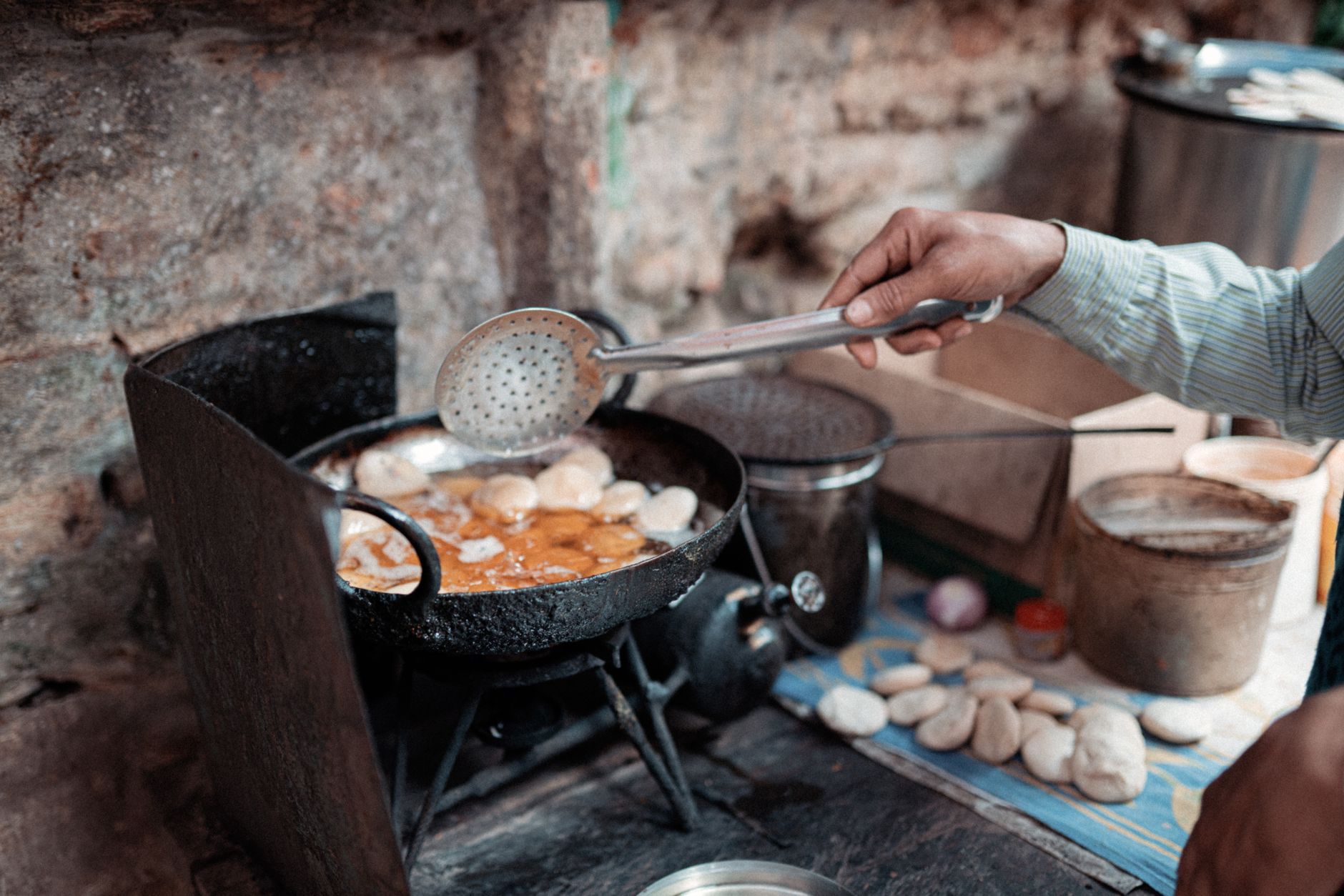

Clanging temple bells and the low hum of Sanskrit prayers bounce off stone steps before dawn clears the Ganges. You enter Varanasi through a labyrinth of narrow alleys barely wide enough for two people and a cow, where life has turned on the same axis for millennia. The stone riverfront governs everything here. Boatmen push heavy wooden oars into the silt while vendors boil spiced chai over coal braziers. It requires sturdy shoes and patience.
Last updated 2 Sept 2026
Build a Varanasi itinerary.
Choose up to 4 threads that pull you in. Your plan arrives organised around them.
The Bed
Where to stay in Varanasi
Which part of town to book, and what each one costs you in walking, noise or quiet.
The Comparison
Varanasi, or somewhere near it
The places you are realistically choosing between, and the honest case for each.
The Local Record
Where to read more about Varanasi
The blogs, boards, guides and operators worth bookmarking.
What to do in Varanasi Uttar Pradesh India
Days here naturally follow the river. You wake before sunrise for the ghats, withdraw into the cool interior alleys of the old city when midday heat builds, and return to the water by dusk. It is an intense, pedestrian city best suited to curious travellers who prefer walking over taxi schedules and do not mind sharing a stone passage with the occasional sacred bull.
24 hours in Varanasi Uttar Pradesh India
Hire an oared boat at Assi Ghat at 05:30. Eat hot kachoris at Ram Bhandar by 08:00, then rest during the afternoon heat. By 17:30, secure a terrace perch above Dashashwamedh Ghat for the Ganga Aarti before dinner at Shree Shivay. Select 1 Day above to see it.
2 days in Varanasi Uttar Pradesh India
Spend morning two weaving through the silk-weaving workshops of Madanpura and the brass markets of Thatheri Bazar. Cross the pontoon bridge to the crumbling ramparts of Ramnagar Fort, then finish with tamatar chaat at Kashi Chaat Bhandar. Choose 2 Days to expand the plan.
3 days in Varanasi Uttar Pradesh India
Dedicate a quiet half-day to the deer park and ruins at Sarnath, ten kilometres north by auto-rickshaw. Back in town, take an unhurried south-to-north walk along all eighty-four ghats, pausing for lemon tea on the stone steps of Chet Singh Ghat.
Varanasi Uttar Pradesh India itineraries by interest
Street Food in Varanasi Uttar Pradesh India
Start early for crisp kachori sabzi at Ram Bhandar, followed by creamy malaiyo froth in Thatheri Bazar and thick lassi served in clay kulhars.
Sacred Architecture in Varanasi Uttar Pradesh India
Navigate the secured corridors to Kashi Vishwanath Temple, then inspect the 18th-century terracotta carvings on the riverside Nepali Temple.
River Journeys in Varanasi Uttar Pradesh India
Board an oared wooden boat at Assi Ghat at dawn to watch morning rituals unfold quietly along the six-kilometre sweep of stone riverfront.
Textile Traditions in Varanasi Uttar Pradesh India
Wander Madanpura to watch Muslim Ansari weavers operate traditional wooden pit looms, turning gold zari thread into classic Banarasi silk sarees.
Music & Performance in Varanasi Uttar Pradesh India
Listen to classical sitar and tabla recitals at the Sangeet Parishad or attend open morning ragas played near the water at Subah-e-Banaras.
Evening Rituals in Varanasi Uttar Pradesh India
Arrive at Dashashwamedh Ghat by 18:00 for the nightly Ganga Aarti, where priests lift multi-tiered brass oil lamps in synchronised choreographies.
Historic Alleys in Varanasi Uttar Pradesh India
Explore the shaded lanes of Vishwanath Gali and Thatheri Bazar, lined with brass smiths, sweet shops, and tiny shrines built into courtyard walls.
Buddhist Heritage in Varanasi Uttar Pradesh India
Travel ten kilometres north to Sarnath to view the fifth-century Dhamek Stupa and Ashoka's lion capital at the archaeological museum.
Riverside Walks in Varanasi Uttar Pradesh India
Walk the paved stone steps from Assi Ghat north to Manikarnika Ghat at dusk, tracking the changing character of all eighty-four distinct landings.
Vegetarian Cuisine in Varanasi Uttar Pradesh India
Sample classic sattvic Banarasi thalis, spiced baati chokha roasted over cow dung embers, and tamatar chaat served in clay pots at Kashi Chaat Bhandar.
Forts & Palaces in Varanasi Uttar Pradesh India
Cross the river to the 18th-century sandstone Ramnagar Fort, exploring the vintage car museum and balcony views over the Ganges.
Markets & Bazaars in Varanasi Uttar Pradesh India
Browse the wholesale spice and flower markets near Chowk, where fresh marigold garlands and dry chillies pile high along centuries-old shopfronts.