
,_Udaipur_-_DPLA_-_141a804df275e84feeeb2bbea73a7872.jpg)
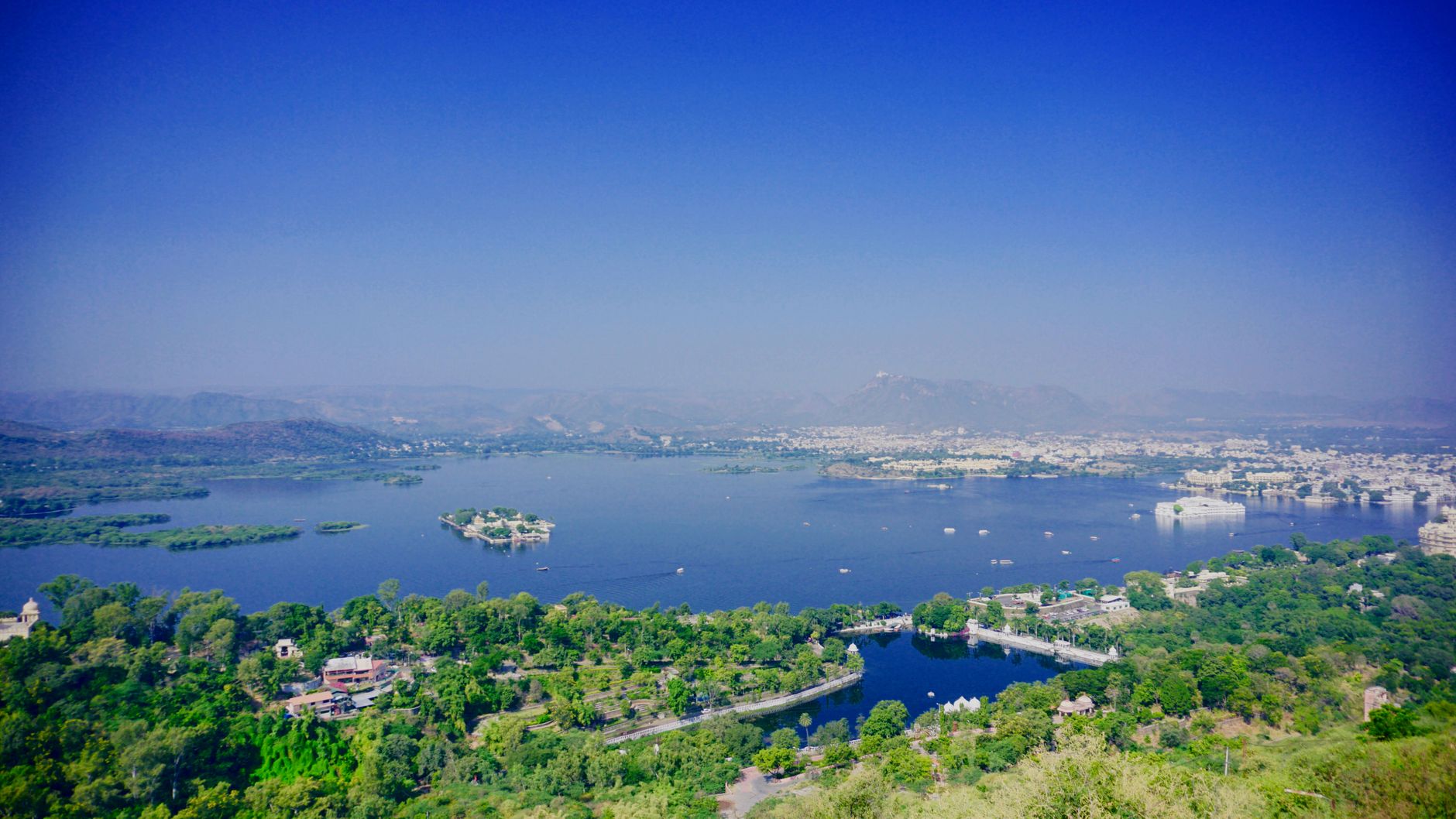
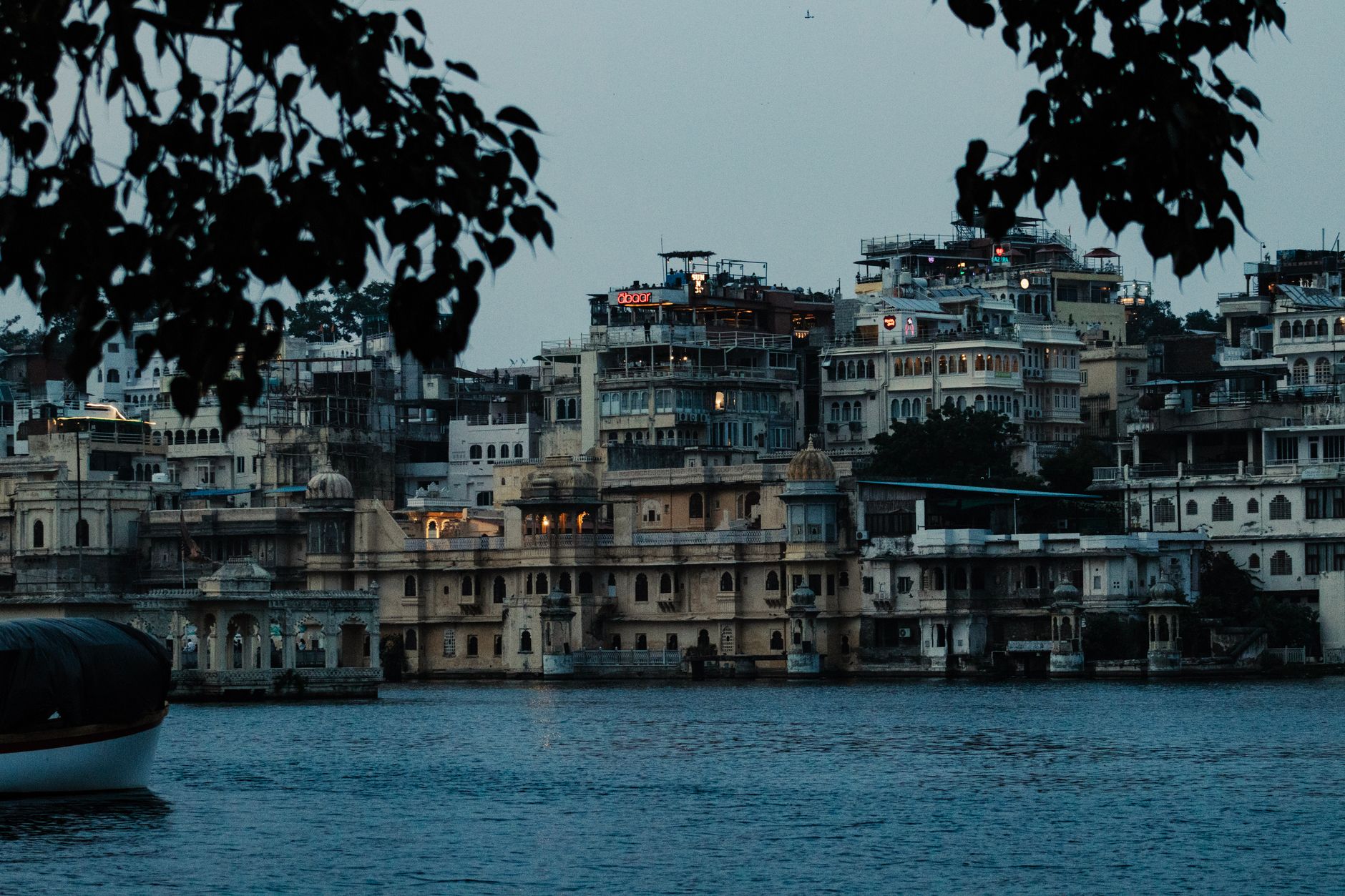


The white masonry of the old quarter rises directly from Lake Pichola, sun-bleached and improbably calm against the Aravalli hills. You navigate narrow stone alleys where auto-rickshaws yield to sacred cattle, emerging onto water-level ghats where women wash bright cotton sarees against seventeenth-century stone. It is famous for its Sisodia palaces and miniature paintings, but the real rhythm is slower: hot chai on Lal Ghat, boat wakes cutting green water, and the dry evening wind off the lake.
Last updated 2 Sept 2026
Build a Udaipur itinerary.
Choose up to 4 threads that pull you in. Your plan arrives organised around them.
The Bed
Where to stay in Udaipur
Which part of town to book, and what each one costs you in walking, noise or quiet.
The Comparison
Udaipur, or somewhere near it
The places you are realistically choosing between, and the honest case for each.
The Local Record
Where to read more about Udaipur
The blogs, boards, guides and operators worth bookmarking.
What to do in Udaipur Rajasthan India
Udaipur circles its lakes with a pace distinctly gentler than the rest of Rajasthan. Life here divides between the dense, bazaar-lined lanes of the old city and the open breezes of the water. Days gravitate around the ghats, afternoon tea on shaded terraces, and slow walks through centuries of royal architecture. It suits independent walkers, history enthusiasts, and anyone who appreciates unhurried dining against an arresting backdrop.
24 hours in Udaipur Rajasthan India
Start at 09:00 at the City Palace before tour buses arrive. Walk five minutes to Jagdish Temple, then cross the footbridge to Hanuman Ghat for a thali lunch. Spend the late afternoon on a Pichola boat ride, finishing with the 19:00 dance performance at Bagore Ki Haveli. The central old quarter is compact and best covered entirely on foot. Select 1 Day above to see it.
2 days in Udaipur Rajasthan India
Day two takes you north of the centre. Spend the morning amid the fountains of Saheliyon-ki-Bari and browse the dye shops along Hathipole. In the afternoon, hire a driver for the winding ascent to the Monsoon Palace for sunset, followed by rich laal maas and fresh rotis at a courtyard restaurant in Chandpole. Choose 2 Days to expand the plan.
3 days in Udaipur Rajasthan India
A third day makes room for the countryside. Take an early car into the Aravalli hills to see the twenty-nine halls and carved pillars of Ranakpur Jain Temple, then continue to the massive ramparts of Kumbhalgarh Fort. Return to town for evening kachoris and sweets around Delhi Gate at your own leisure.
Udaipur Rajasthan India itineraries by interest
Palace Architecture in Udaipur Rajasthan India
Tour the 1559 City Palace complex, with its marble balconies, mirrored courtyards, and tilework overlooking Lake Pichola.
Street Food in Udaipur Rajasthan India
Queue at Jagdish Chowk for crisp kachoris stuffed with spiced lentils, followed by piping hot jalebis fried in pure ghee.
Traditional Painting in Udaipur Rajasthan India
Watch master artisans in the narrow lanes of Bhatiyani Chotta execute Mewar-style miniature paintings using squirrel-hair brushes.
Lakes & Waterways in Udaipur Rajasthan India
Take a late afternoon public boat from Rameshwar Ghat across Lake Pichola to see the white marble arches of Jagmandir Island.
Regional Cuisine in Udaipur Rajasthan India
Order traditional dal baati churma soaked in clarified ghee and fiery Mewari laal maas at traditional dining halls near Hathipole.
Sacred Architecture in Udaipur Rajasthan India
Climb the steep carved steps of the 1651 Jagdish Temple to hear the morning brass bells and see intricate stone friezes.
Textiles & Markets in Udaipur Rajasthan India
Browse Bada Bazaar and Hathipole for hand-blocked bandhani textiles, camel leather juttis, and silver tribal jewellery.
Folk Traditions in Udaipur Rajasthan India
Sit on the stone floor at Bagore Ki Haveli for nightly Rajasthani folk dances, puppet theatre, and brass-pot balancing acts.
Scenic Views in Udaipur Rajasthan India
Ride up to Monsoon Palace on Bansdara Peak an hour before dusk for sweeping panoramas of the Aravalli range and lakes.
Historic Gardens in Udaipur Rajasthan India
Stroll the shaded marble pavilions and bird-shaped lotus fountains of Saheliyon-ki-Bari, built in the eighteenth century.
Day Trips in Udaipur Rajasthan India
Drive ninety minutes north to the colossal fifteenth-century Kumbhalgarh Fort and the carved marble Jain temples at Ranakpur.
Village Walks in Udaipur Rajasthan India
Cross the footbridge to Hanuman Ghat at sunrise, winding past quiet residential shrines, local milk vendors, and laundry ghats.