

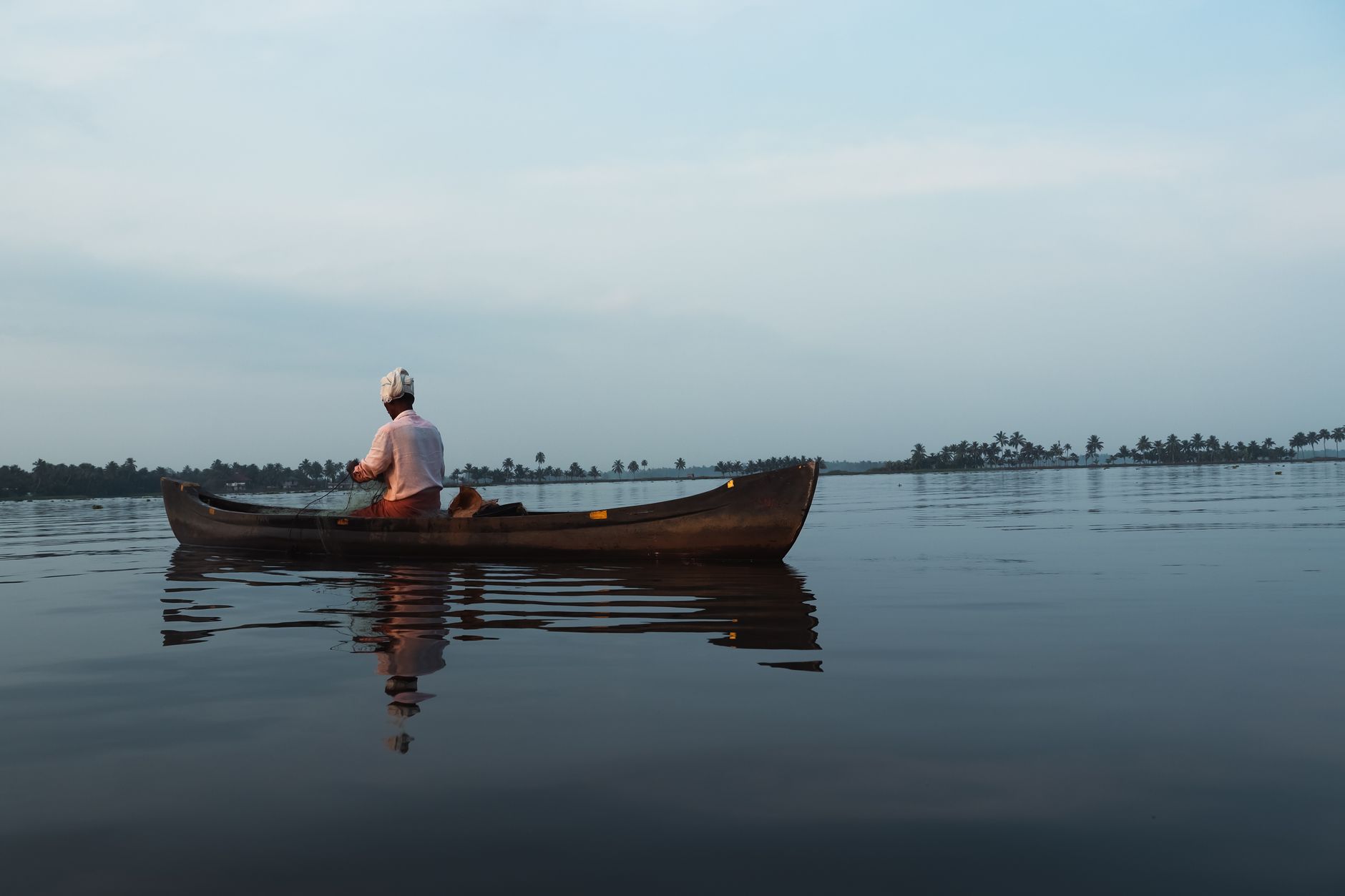


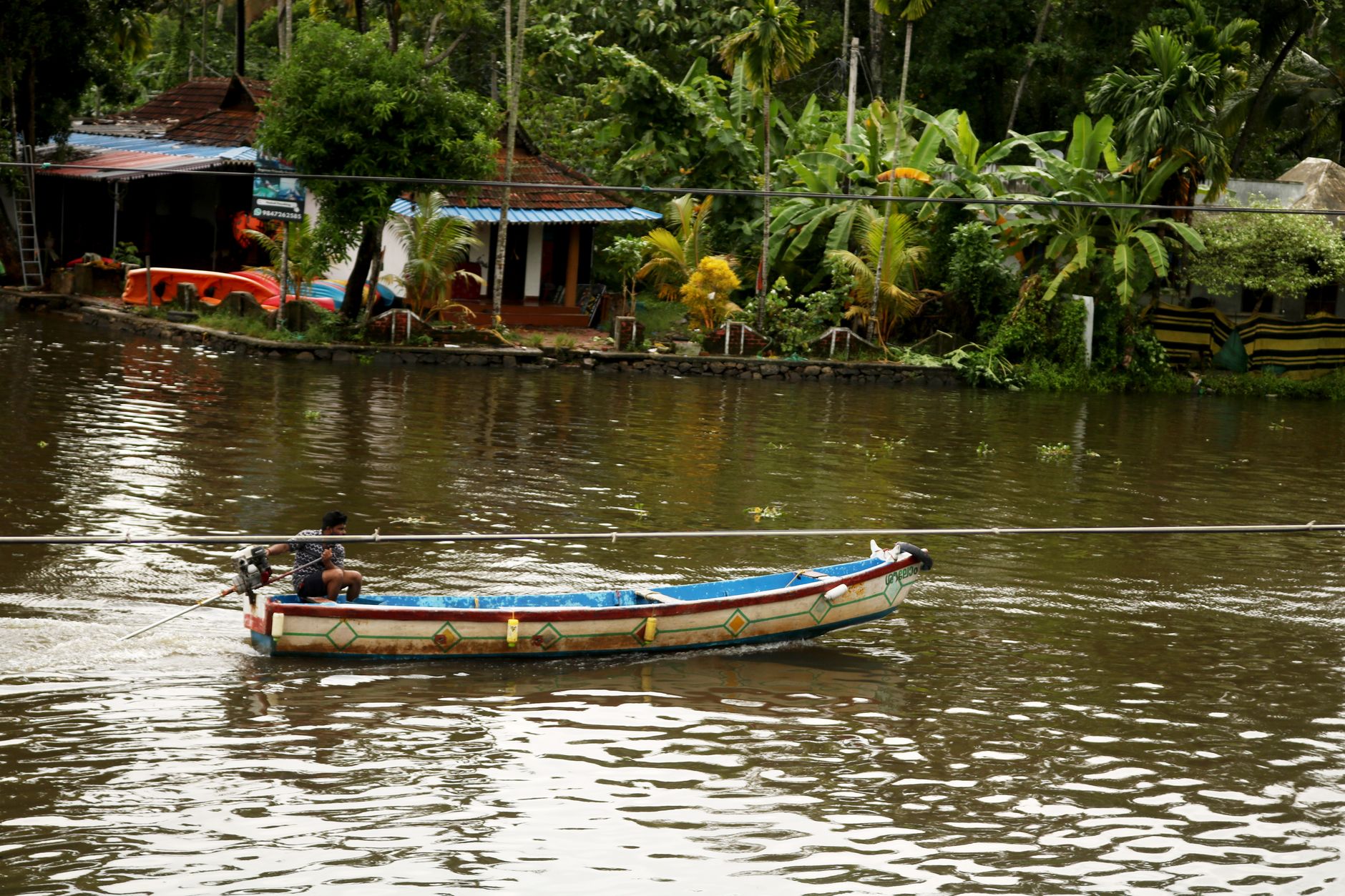
Diesel smoke drifts across green canal water as wooden longboats nose past morning vegetable vendors. Alappuzha sits below sea level, stitched together by canals where women wash laundry on stone steps and coir fiber cures in the sun. The backwater houseboats draw crowds, but the real town stays rooted in fish curry meals, teak warehouses, and slow water transit. Alappuzha is worth visiting if you want to eat freshwater pearl spot fish roasted in banana leaves while navigating ancient canal networks by public ferry. Look elsewhere if you want late-night bars, walkable sidewalks, pristine swimming beaches, or indoor attractions to escape the tropical heat.
Last updated 2 Sept 2026
Build a Alappuzha itinerary.
Choose up to 4 threads that pull you in. Your plan arrives organised around them.
The Bed
Where to stay in Alappuzha
Which part of town to book, and what each one costs you in walking, noise or quiet.
The Comparison
Alappuzha, or somewhere near it
The places you are realistically choosing between, and the honest case for each.
The Local Record
Where to read more about Alappuzha
The blogs, boards, guides and operators worth bookmarking.
What to do in Alappuzha Kerala India
Alappuzha centres on water. Life unfolds between the Commercial Canal, the Arabian Sea, and the vast expanse of Vembanad Lake. Travellers come for boat journeys through village backwaters, but the town rewards anyone willing to linger over fiery toddy-shop cooking, quiet colonial-era trading quarters, and morning markets where canal punts still unload produce. It suits independent wanderers happy to swap fast transit for the rhythm of a public passenger ferry.
24 hours in Alappuzha Kerala India
Catch the early public ferry to Nedumudi to watch village life wake along the banks. Return by midday for a banana-leaf lunch of karimeen and rice at a canal-side eatery. Spend late afternoon walking the ruined iron pier at Alappuzha Beach, then climb the red-and-white lighthouse before dinner in town. Select 1 Day above to see it.
2 days in Alappuzha Kerala India
Dedicate your second morning to the Gujarati Quarter and the old spice godowns along the canals. Take a short auto-rickshaw ride south to Ambalappuzha Sri Krishna Temple by eleven to taste the famous palpayasam rice pudding, then spend the late afternoon exploring the coir weaving sheds around Aryad. Choose 2 Days to expand the plan.
3 days in Alappuzha Kerala India
A third day allows an unhurried boat trip to Champakulam to see its riverside church and traditional snake boat stowed in its long shed. Head further into the Kuttanad farming heartland, stopping at a rural toddy shop for tapioca and spicy crab while watching the water traffic pass by.
Alappuzha Kerala India itineraries by interest
Waterways & Canals in Alappuzha Kerala India
Board the state water transport ferry to Kottayam from the main boat jetty for a slow commute past paddy fields and village docks.
Local Seafood in Alappuzha Kerala India
Order karimeen pollichathu, pearl spot fish spiced with shallots and curry leaves, wrapped in banana leaf and pan-fried over wood fires.
Casual Dining in Alappuzha Kerala India
Stop at local toddy shops along the canal banks for fresh palm sap, fiery tapioca with chili chutney, and spicy duck roast or crab curry.
Craft Traditions in Alappuzha Kerala India
Watch workers spin and weave natural coconut husk fiber into durable ropes and rugs in centuries-old coir workshops across the district.
Beaches in Alappuzha Kerala India
Walk the sands by the 1862 iron pier ruin at Alappuzha Beach and climb the 1862 teak-and-lantern lighthouse for views over the Arabian Sea.
Markets & Produce in Alappuzha Kerala India
Navigate the morning bustle at Canal Bazaar, where stalls sell black pepper, dried shrimp, cardamoms, and raw jackfruit straight off boats.
Sacred Architecture in Alappuzha Kerala India
Visit Mullakkal Rajarajeswari Temple in town center or head south to the ancient Ambalappuzha Sri Krishna Temple for its sacred sweet milk porridge.
Maritime History in Alappuzha Kerala India
Explore the Sea View Park area and old port warehouses built when Raja Kesavadas developed the canal port for coir and spice shipping.
Day Trips in Alappuzha Kerala India
Take a commuter boat into the Kuttanad delta region, known for low-lying farming reclaimed below sea level along the Pamba River banks.
Breakfast & Coffee in Alappuzha Kerala India
Start early with appam and spicy vegetable stew or egg roast paired with frothy meter tea poured between tin cups at modest street stalls.
Boat Building in Alappuzha Kerala India
Observe traditional boatwrights constructing kettuvallam cargo vessels using anjili wood tied with coir rope at workshops near Champakulam.
Heritage Walks in Alappuzha Kerala India
Stroll along the Commercial Canal and Gujarati Quarter, where nineteenth-century merchant houses and sweetshops tell of early trading routes.