.jpg)

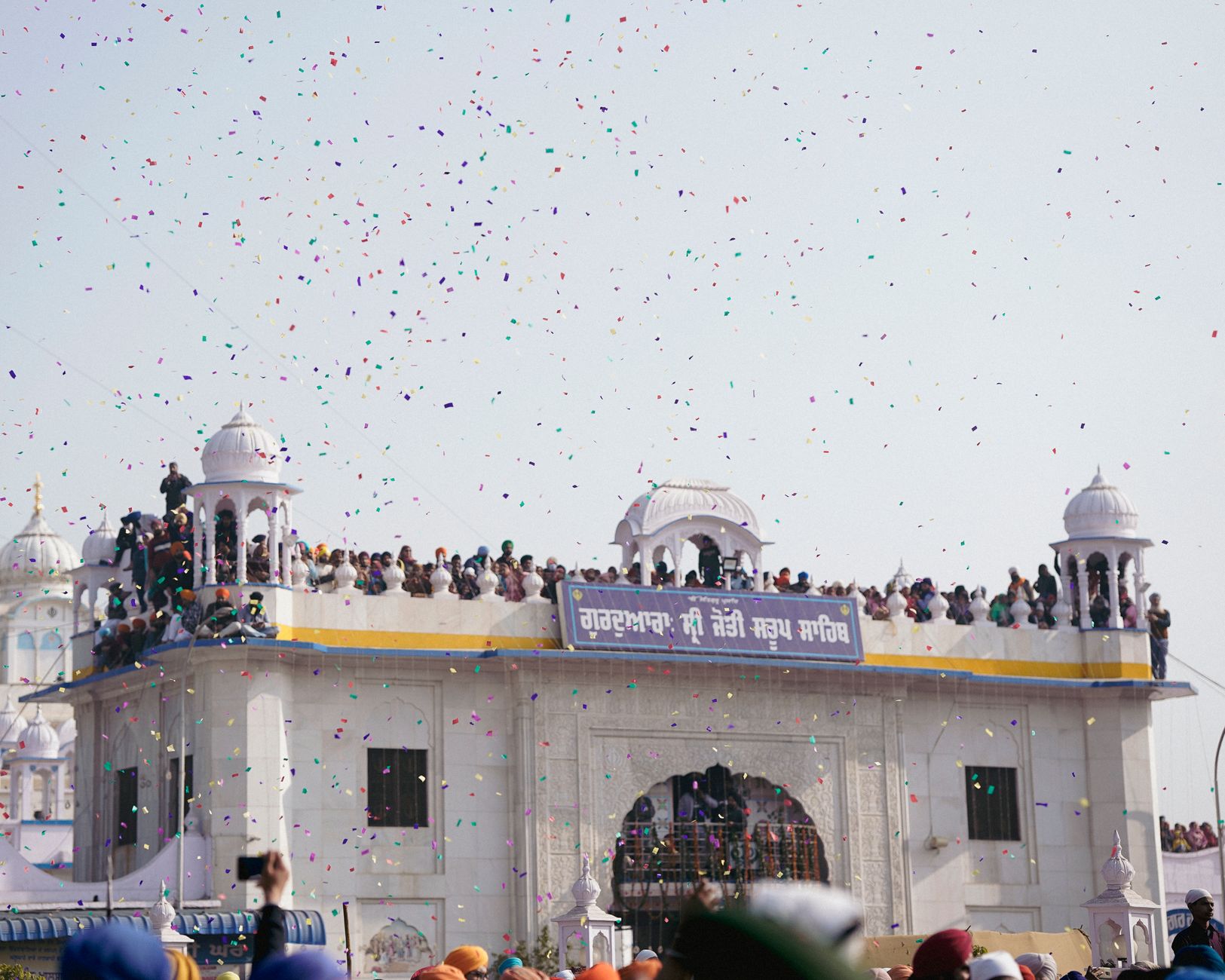


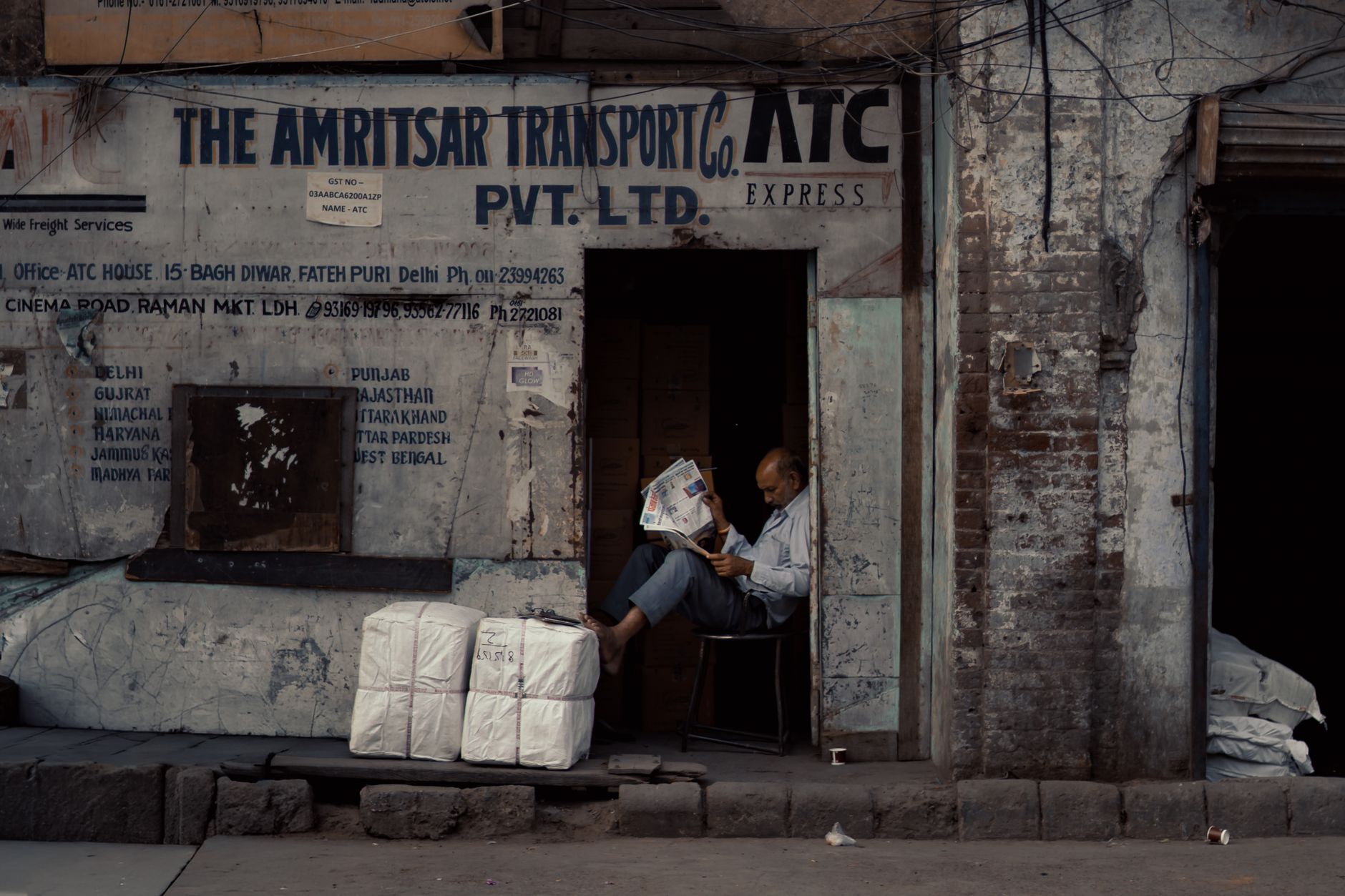
Iron ladles clatter against cauldrons the size of bathtubs before dawn, feeding anyone who sits down on the marble floor. Outside the walled city, rickshaws jostle through narrow lanes where bakers slap rounds of dough stuffed with spiced potatoes against tandoor walls. Amritsar revolves around devotion and serious appetite. The Golden Temple gleams in its holy pool, surrounded by centuries of grit, border tension, and the finest flaky kulcha in northern India.
Last updated 2 Sept 2026
Build a Amritsar itinerary.
Choose up to 4 threads that pull you in. Your plan arrives organised around them.
The Bed
Where to stay in Amritsar
Which part of town to book, and what each one costs you in walking, noise or quiet.
The Comparison
Amritsar, or somewhere near it
The places you are realistically choosing between, and the honest case for each.
The Local Record
Where to read more about Amritsar
The blogs, boards, guides and operators worth bookmarking.
What to do in Amritsar Punjab India
Days here are anchored by the quiet hum of the Golden Temple and the intense heat of old-city frying pans. Amritsar rewards early risers and disciplined eaters who can handle heavy butter, crowded alleys, and emotional history. Between the temple complex, bustling cloth bazaars, and quiet corners of the walled quarters, it is a city that welcomes independent travellers without needing to put on a polite performance.
24 hours in Amritsar Punjab India
Arrive at Harmandir Sahib before sunrise to hear the morning chants, then take breakfast in the langar. Walk ten minutes to Jallianwala Bagh and the Partition Museum before noon. Spend your late afternoon watching the border ceremony at Wagah, returning to the walled city for crisp kulchas at Bhai Kulwant Singh. Select 1 Day above to see it.
2 days in Amritsar Punjab India
Day two lets you wander Lawrence Road for midday mutton chaap and chilled lassi, followed by an afternoon exploring Gobindgarh Fort. Wind through Katra Jaimal Singh to watch phulkari embroiderers at work, finishing with hot jalebis near the Town Hall as the evening bazaar fills out. Choose 2 Days to expand the plan.
3 days in Amritsar Punjab India
A third day opens room for a forty-minute taxi ride to Tarn Taran Sahib, home to the largest sarovar pool in Punjab, or a slower morning volunteering in the temple kitchens peeling garlic. Take the evening to revisit the illuminated temple sanctum in total calm.
Amritsar Punjab India itineraries by interest
Sacred Architecture in Amritsar Punjab India
Walk barefoot around the Amrit Sarovar to the sixteenth-century Harmandir Sahib, lined with marble inlays and beaten gold leaf under morning hymns.
Street Food in Amritsar Punjab India
Tear into crisp, ghee-drenched potato kulchas at Kulcha Land on Maqbool Road, paired with tart tamarind-onion chutney and spiced chickpeas.
Communal Dining in Amritsar Punjab India
Sit cross-legged in the Guru Ram Das Langar Hall, where volunteers serve free dal, rotis, and kheer to tens of thousands of visitors each day.
Border Rituals in Amritsar Punjab India
Drive thirty kilometres west to the Wagah border for the theatrical evening flag-lowering drill between Indian and Pakistani border guards.
Historical Museums in Amritsar Punjab India
Explore the Partition Museum in the red-brick Town Hall, cataloguing 1947 refugee oral histories, textiles, and personal artefacts.
Forts & Citadels in Amritsar Punjab India
Tour Gobindgarh Fort, an eighteenth-century mud-and-brick stronghold built by the Bhangi Misl rulers and reinforced by Maharaja Ranjit Singh.
Traditional Desserts in Amritsar Punjab India
Order creamy glasses of sweet churned lassi at Ahuja Milk Centre or hot, syrup-soaked jalebis fried in desi ghee at Gurdas Ram Jalebi Wala.
Textile Markets in Amritsar Punjab India
Browse the maze of Katra Jaimal Singh market for hand-embroidered phulkari dupattas, woollen shawls, and tailored Punjabi suits.
Meat & Grills in Amritsar Punjab India
Seek out roasted tandoori chicken and mutton tikka charred over coals along Lawrence Road, best eaten with pickled onions and rumali roti.
Old City Walks in Amritsar Punjab India
Thread through the narrow gallis from Katra Ahluwalia to the heritage street, passing wooden balconies, spice traders, and chai stalls.
Memorial Gardens in Amritsar Punjab India
Step through the narrow brick passage into Jallianwala Bagh to see the preserved bullet marks and memorial well from the 1919 massacre.
Tea & Snacks in Amritsar Punjab India
Stop at Giani Tea Stall on Cooper Road for strong cardamom chai accompanied by warm, flaky mathis or crisp besan-batter vegetable pakoras.