Rishikesh.


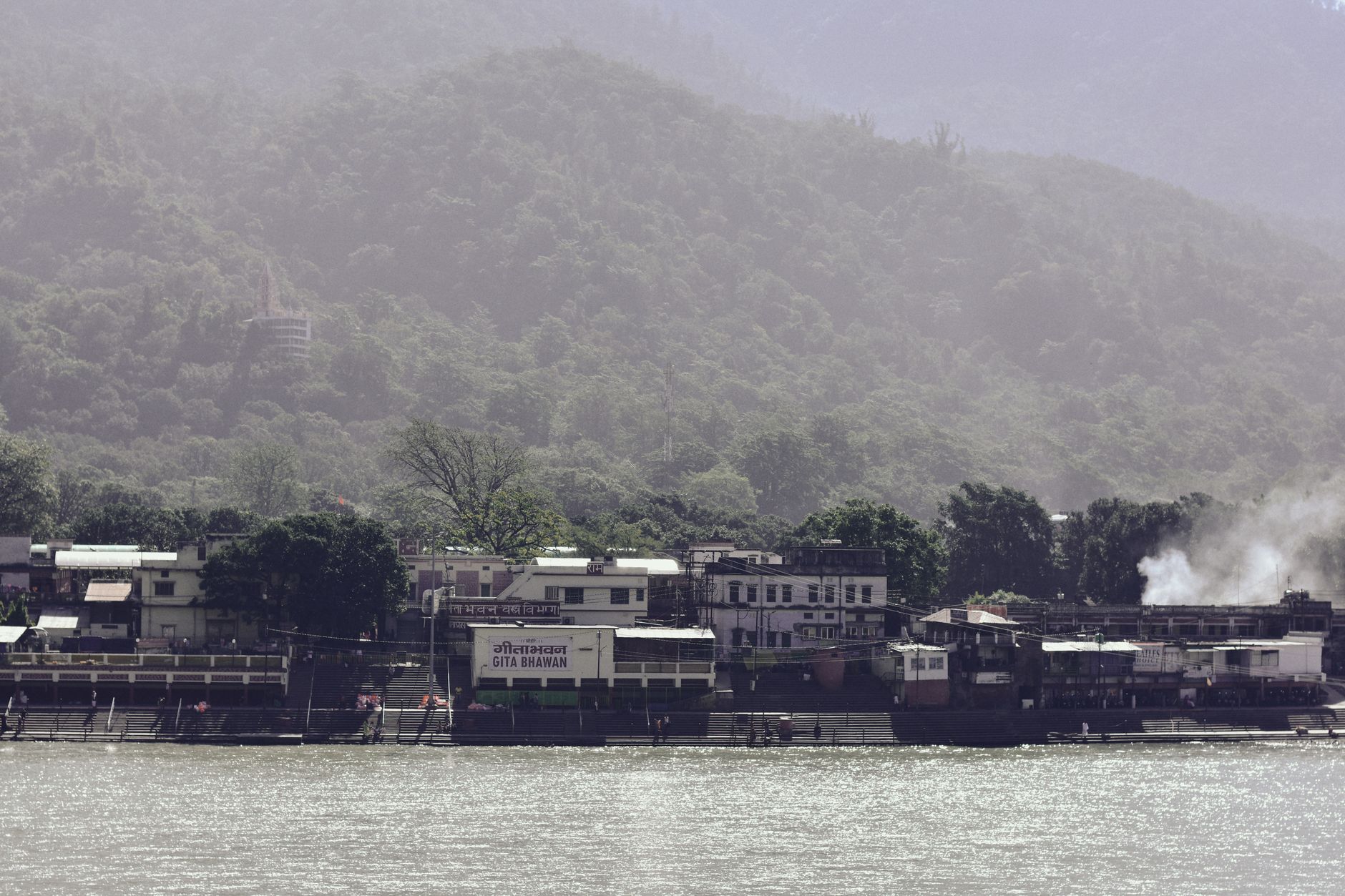
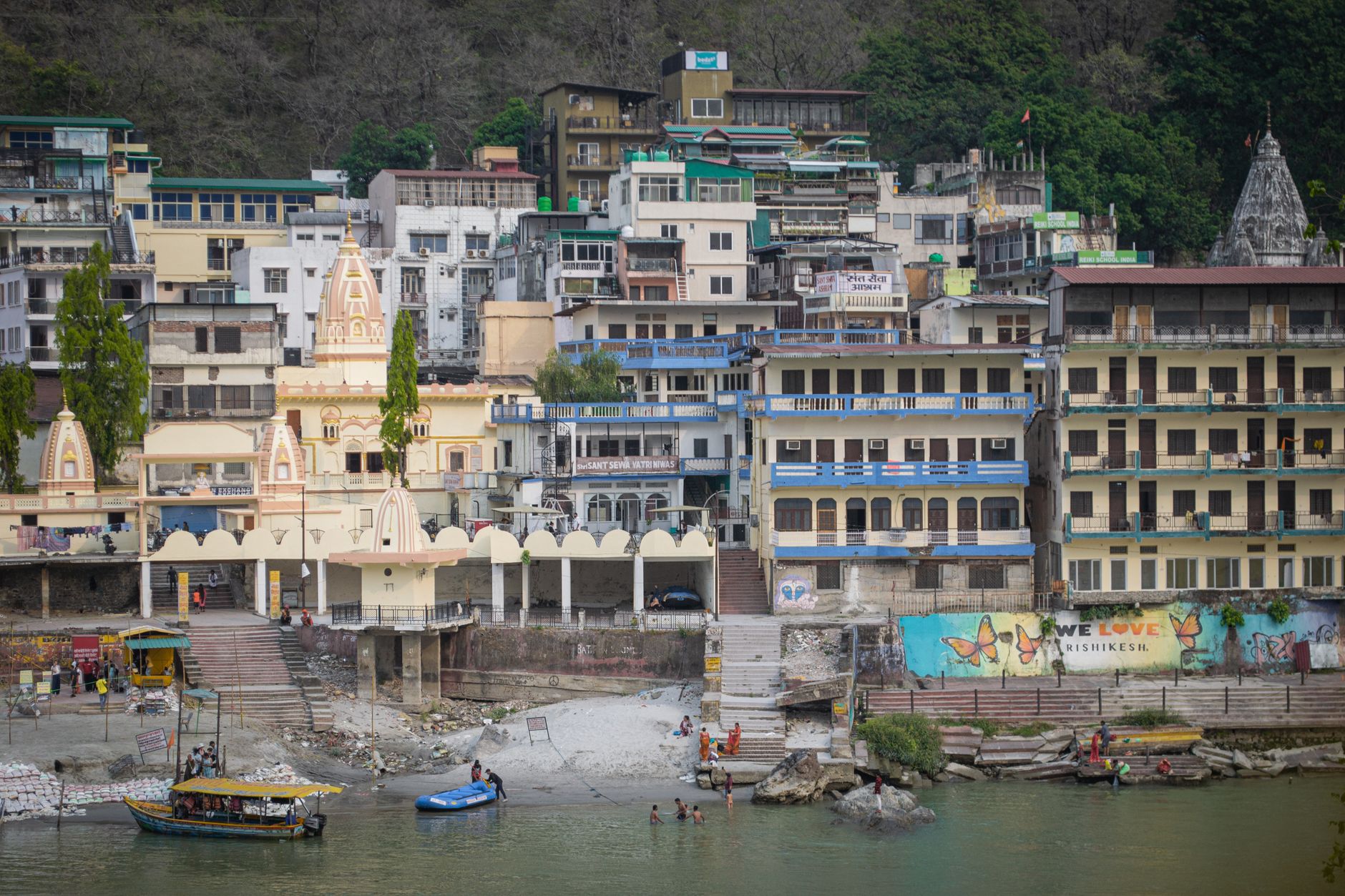
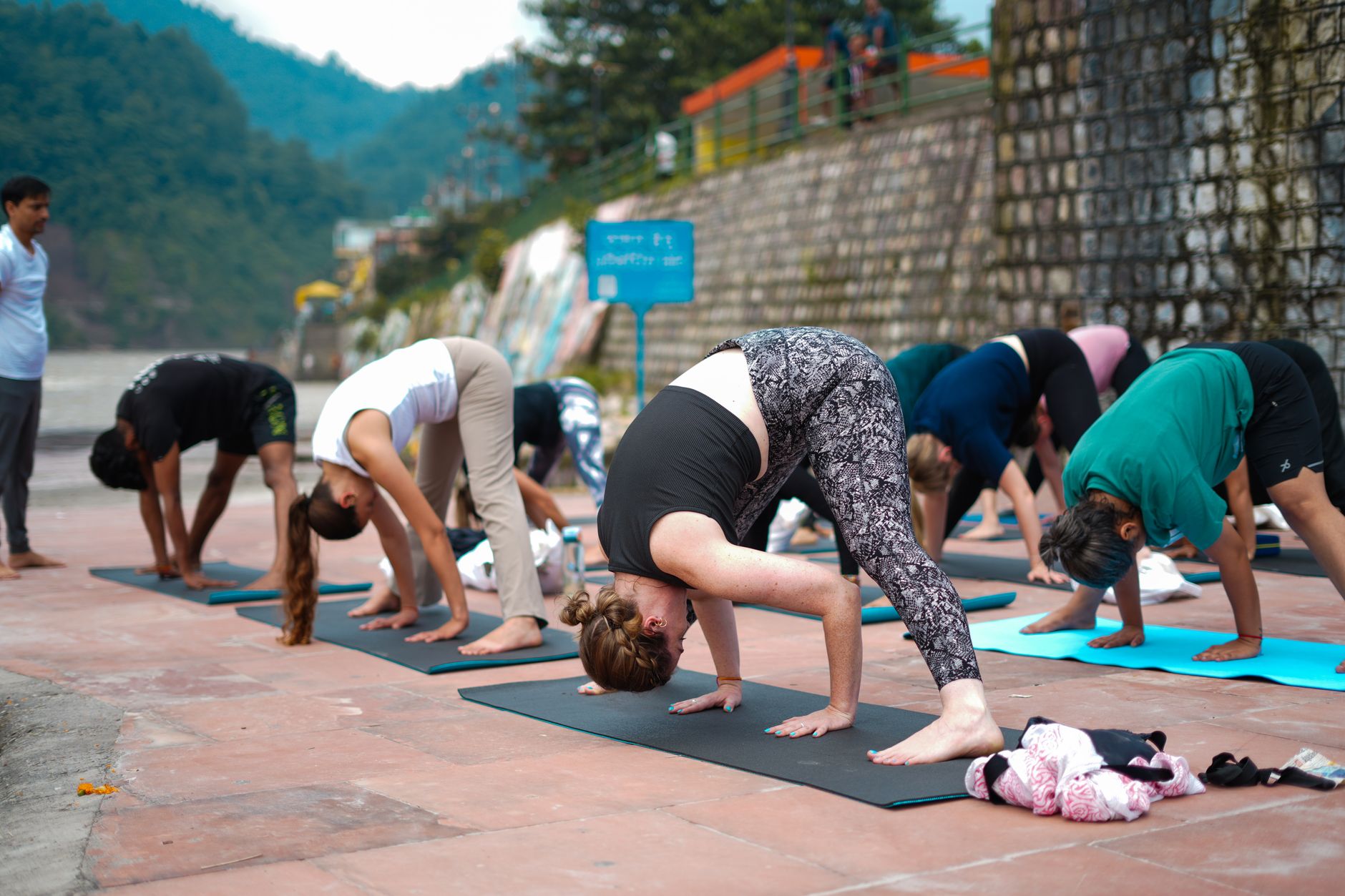
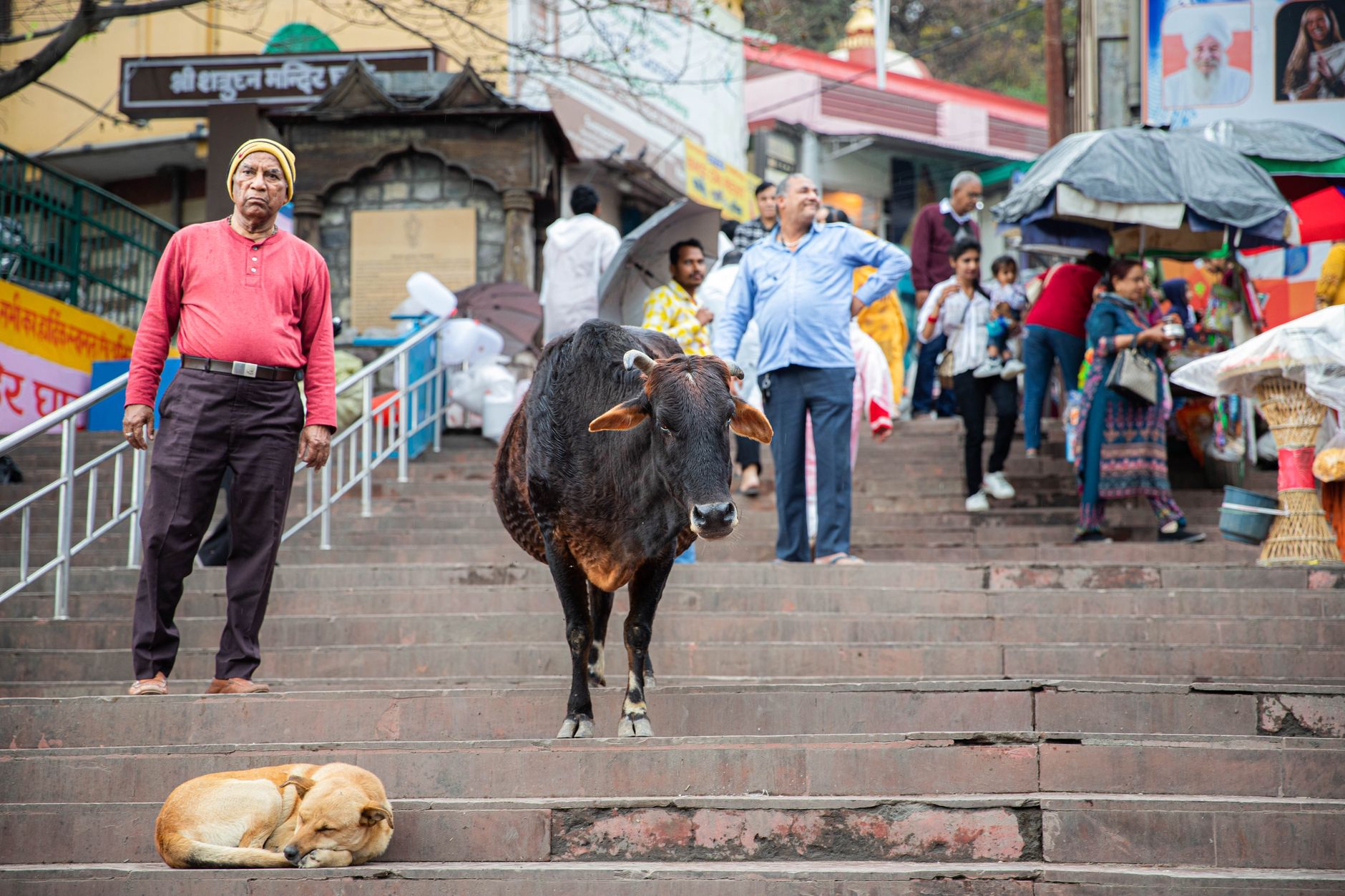
The roar of cold glacial water over grey boulders hits first, long before you reach the suspension bridges. Green hills rise steeply on both banks, framing ashrams, tea stalls, and lanes where cows claim right of way. Between the chanting at Parmarth Niketan and rafters drifting past Tapovan, the town balances ancient pilgrimage with quiet mountain rest. Rishikesh is worth visiting if you want to sit beside the upper Ganges for evening prayer, practice yoga in historic ashrams, and hike Himalayan foothills. Look elsewhere if you want late-night bars and clubs, meat-and-alcohol dining, flat traffic-free streets, or indoor museums.
Last updated 3 Sept 2026
Build a Rishikesh itinerary.
Choose up to 4 threads that pull you in. Your plan arrives organised around them.
The Bed
Where to stay in Rishikesh
Which part of town to book, and what each one costs you in walking, noise or quiet.
The Comparison
Rishikesh, or somewhere near it
The places you are realistically choosing between, and the honest case for each.
The Local Record
Where to read more about Rishikesh
The blogs, boards, guides and operators worth bookmarking.
What to do in Rishikesh Uttarakhand India
Rishikesh sits where the clear Ganges leaves the Himalayas for the plains, split between the busy town around Triveni Ghat and the quieter ashram quarters of Swarg Ashram and Tapovan. Days move to temple bells, morning yoga sessions, tea along the riverbank, and afternoon treks into forested foothills. It suits independent walkers, spiritual seekers, and hikers seeking mountain air without remote logistics.
24 hours in Rishikesh Uttarakhand India
Cross Ram Jhula early to explore the murals at Chaurasi Kutia before the midday heat. Have a simple Garhwali thali lunch in Tapovan, browse the spice stalls along Laxman Jhula Road, and reach Parmarth Niketan by five in the afternoon for the riverside Ganga aarti prayer ceremony. Select 1 Day above to see it.
2 days in Rishikesh Uttarakhand India
A second day lets you hire a taxi up to Kunjapuri Devi Temple at sunrise for views across Himalayan summits. Head down to Shivpuri for a river rafting run back toward Nim Beach, then spend a calm evening drinking ginger tea and eating fresh kachoris in the alleys behind Triveni Ghat. Choose 2 Days to expand the plan.
3 days in Rishikesh Uttarakhand India
Three days allows a half-day trip to Rajaji National Park for wildlife tracking, followed by the quiet walk up to Neer Garh waterfall. You can also book an unhurried Ayurvedic massage in High Bank and spend hours watching wooden ferry boats cross the turquoise river at sunset.
Rishikesh Uttarakhand India itineraries by interest
Sacred Architecture in Rishikesh Uttarakhand India
Visit Parmarth Niketan and Swarg Ashram along the east bank, where evening Ganga aarti brings thousands together under marble temple spires.
Street Food in Rishikesh Uttarakhand India
Try hot aloo puris and crispy kachoris near Triveni Ghat, followed by fresh jalebis fried in ghee at Chotiwala on the Swarg Ashram side.
River Rafting in Rishikesh Uttarakhand India
Paddle class III rapids from Shivpuri down to Nim Beach, floating past white-sand banks and terraced Himalayan forest ridges.
Hiking & Trails in Rishikesh Uttarakhand India
Follow the uphill jungle track from Tapovan to Neer Garh Waterfall, or climb early toward Kunjapuri Temple for views of Himalayan peaks.
Local Cafes in Rishikesh Uttarakhand India
Settle into rooftop spots in Tapovan for ginger lemon honey tea, Tibetan thukpa, and quiet views over the rushing Ganges below.
Historic Ashrams in Rishikesh Uttarakhand India
Walk the domed stone meditation huts at Chaurasi Kutia, built in the 1960s and reclaimed by forest on the edge of Rajaji National Park.
Traditional Markets in Rishikesh Uttarakhand India
Browse Rishikesh Main Bazaar for brass puja bells, copper water jugs, hand-carved prayer beads, and pure Ayurvedic herbal balms.
Wildlife & Nature in Rishikesh Uttarakhand India
Take an early morning jeep safari through Chilla Range in Rajaji National Park to track wild Asian elephants, leopards, and kingfishers.
Vegetarian Cuisine in Rishikesh Uttarakhand India
Sit on floor mats for classic Garhwali thalis featuring chainsoo black gram dal, mandua rotis, and cooling spiced buttermilk.
Hilltop Sunsets in Rishikesh Uttarakhand India
Drive thirty minutes up the winding ridge road to Kunjapuri Devi Temple at dawn or dusk to watch light shift across the Chaukhamba range.
Ayurvedic Wellness in Rishikesh Uttarakhand India
Book traditional abhyanga oil massages and herbal steam treatments at family-run wellness centres tucked into the quiet lanes of High Bank.
Bridge Walks in Rishikesh Uttarakhand India
Cross the pedestrian footbridges of Ram Jhula and Janki Jhula at sunset to watch temple boats ferry pilgrims across the swirling currents.