

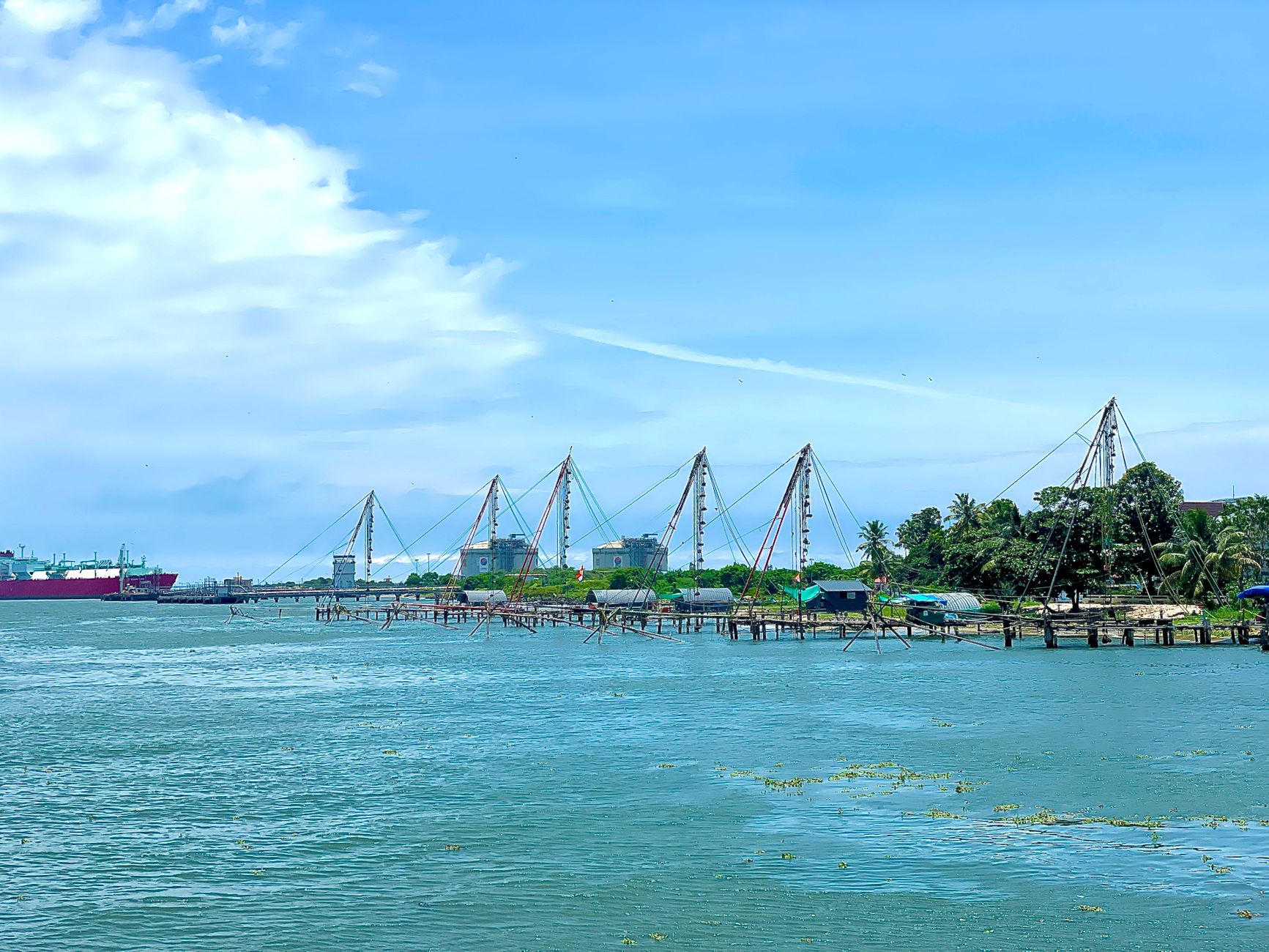

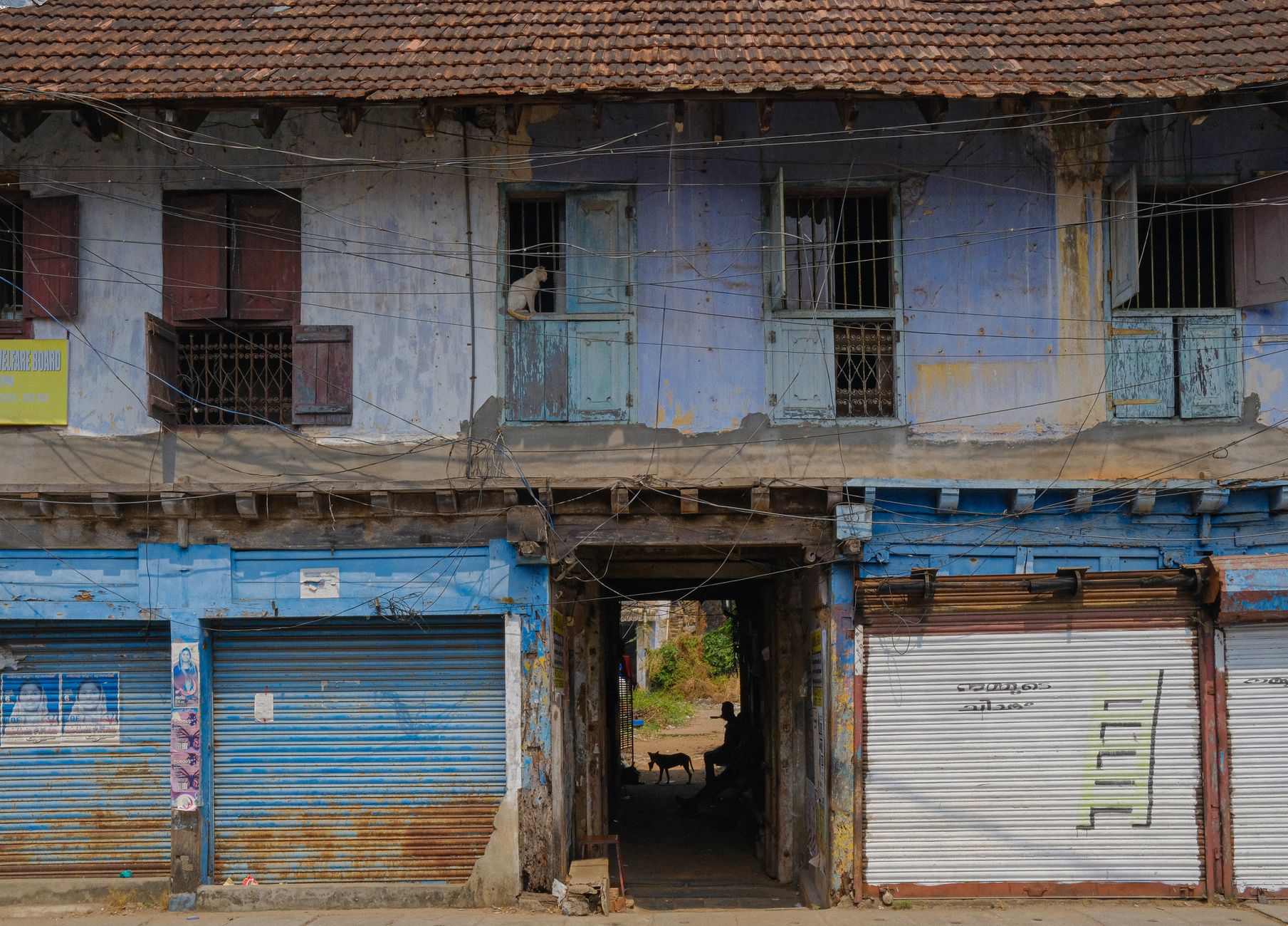
The clanking counterweights of the wooden shore nets creak above the Arabian Sea before dawn. Fort Kochi unspools along flat, walkable backstreets shaded by rain trees, where sixteenth-century Portuguese masonry rubs against Dutch gables and Gujarati trade offices. You come for spice warehouses, black pepper traders on Bazar Road, and pearl spot fish wrapped in banana leaves, not for a frantic pace.
Last updated 2 Sept 2026
Build a Kochi itinerary.
Choose up to 4 threads that pull you in. Your plan arrives organised around them.
The Bed
Where to stay in Kochi
Which part of town to book, and what each one costs you in walking, noise or quiet.
The Comparison
Kochi, or somewhere near it
The places you are realistically choosing between, and the honest case for each.
The Local Record
Where to read more about Kochi
The blogs, boards, guides and operators worth bookmarking.
What to do in Kochi Kerala India
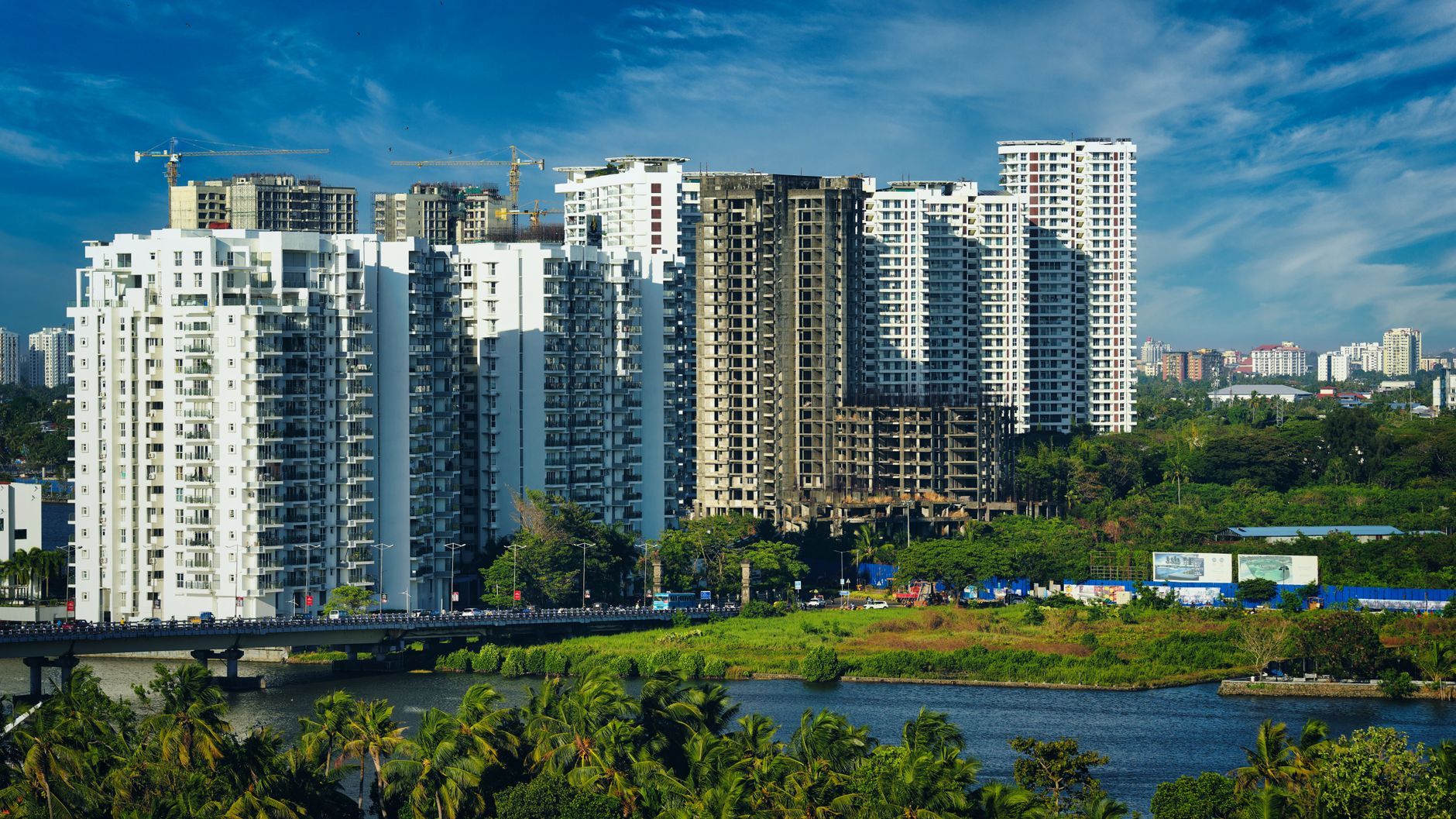
Kochi divides neatly between the modern mainland grid of Ernakulam and the languid historic peninsulas of Fort Kochi and Mattancherry. Days here naturally follow the tide: early market walks along Calvathy Canal, slow mid-afternoon shade under banyans with cold lime sodas, and evening strolls by the harbor. It suits independent walkers, patient eaters, and anyone who prefers ferry rides over honking traffic.
24 hours in Kochi Kerala India
Begin at the Chinese fishing nets by 7:00 AM before tour buses arrive. Walk Princess Street to St. Francis Church, then take a three-kilometer auto-rickshaw ride to Jew Town for lunch of thali meals on banana leaves. Finish at Mattancherry Palace and catch the public ferry at sunset back across the harbour for fresh seer fish fry on Tower Road. Select 1 Day above to see it.
2 days in Kochi Kerala India
Day two takes you across the water to Ernakulam on the morning public ferry. Browse the bustling Broadway vegetable market, then head south to Kumbalangi village for a quiet paddle through brackish canals. Return to Fort Kochi by dusk for a Kathakali performance, followed by flaky layered parotta and spicy pepper mutton at a local mess hall. Choose 2 Days to expand the plan.
3 days in Kochi Kerala India
A third day lets you travel fifty kilometers south to Alleppey for a day cruise on Vembanad Lake, or north to the ancient archaeological excavations at Muziris. Alternatively, take the morning train to Tripunithura to see the Hill Palace Museum, leaving time for an unhurried, spiced meen moilee dinner back in Mattancherry.
Kochi Kerala India itineraries by interest
Local Seafood in Kochi Kerala India
Order karimeen pollichathu baked in banana leaves, or fresh seer fish simmered in coconut milk and green chillies at local toddy shops.
Maritime Heritage in Kochi Kerala India
Watch fishermen work the sixteenth-century cantilevered Chinese fishing nets along the Fort Kochi waterfront as cargo ships ease into the channel.
Spice Trade in Kochi Kerala India
Walk Bazar Road in Mattancherry where wholesale merchants still weigh sacks of Tellicherry black pepper, dried ginger, and green cardamom.
Sacred Architecture in Kochi Kerala India
Visit the 1568 Paradesi Synagogue in Jew Town, 1503 St. Francis Church, and the colourful murals inside the Hindu temple at Mattancherry Palace.
Contemporary Art in Kochi Kerala India
Explore Aspinwall House and David Hall during the Kochi-Muziris Biennale, when waterfront colonial warehouses turn into major gallery spaces.
Ferry Travel in Kochi Kerala India
Pay six rupees for the public jetty ferry linking Fort Kochi, Mattancherry, and Ernakulam across the busy waters of Vembanad Lake.
Regional Breakfasts in Kochi Kerala India
Start early with lacy rice appams or steamed puttu paired with spiced kadala chickpea curry and sweet milk tea from neighborhood tea stalls.
Performing Arts in Kochi Kerala India
Arrive early at the Kerala Kathakali Centre on KB Jacob Road to watch performers apply intricate mineral makeup before the classical dance-drama.
Street Food in Kochi Kerala India
Eat flaky Kerala parotta torn into slow-roasted beef fry, or crisp banana fritters from roadside cart fryers along Calvathy Canal.
Waterway Excursions in Kochi Kerala India
Board a slow wooden country boat through the narrow mangrove canals and prawn farms of nearby Kumbalangi rather than noisy motorised boats.
Colonial Architecture in Kochi Kerala India
Stroll Dutch Cemetery Road and Princess Street to see centuries of Portuguese verandahs, tiled Dutch roofs, and British administrative clubs.
Textiles & Crafts in Kochi Kerala India
Browse handloom kasavu cotton sarees with gold borders and coir woven mats in small artisan cooperatives off Synagogue Lane.