Madurai.


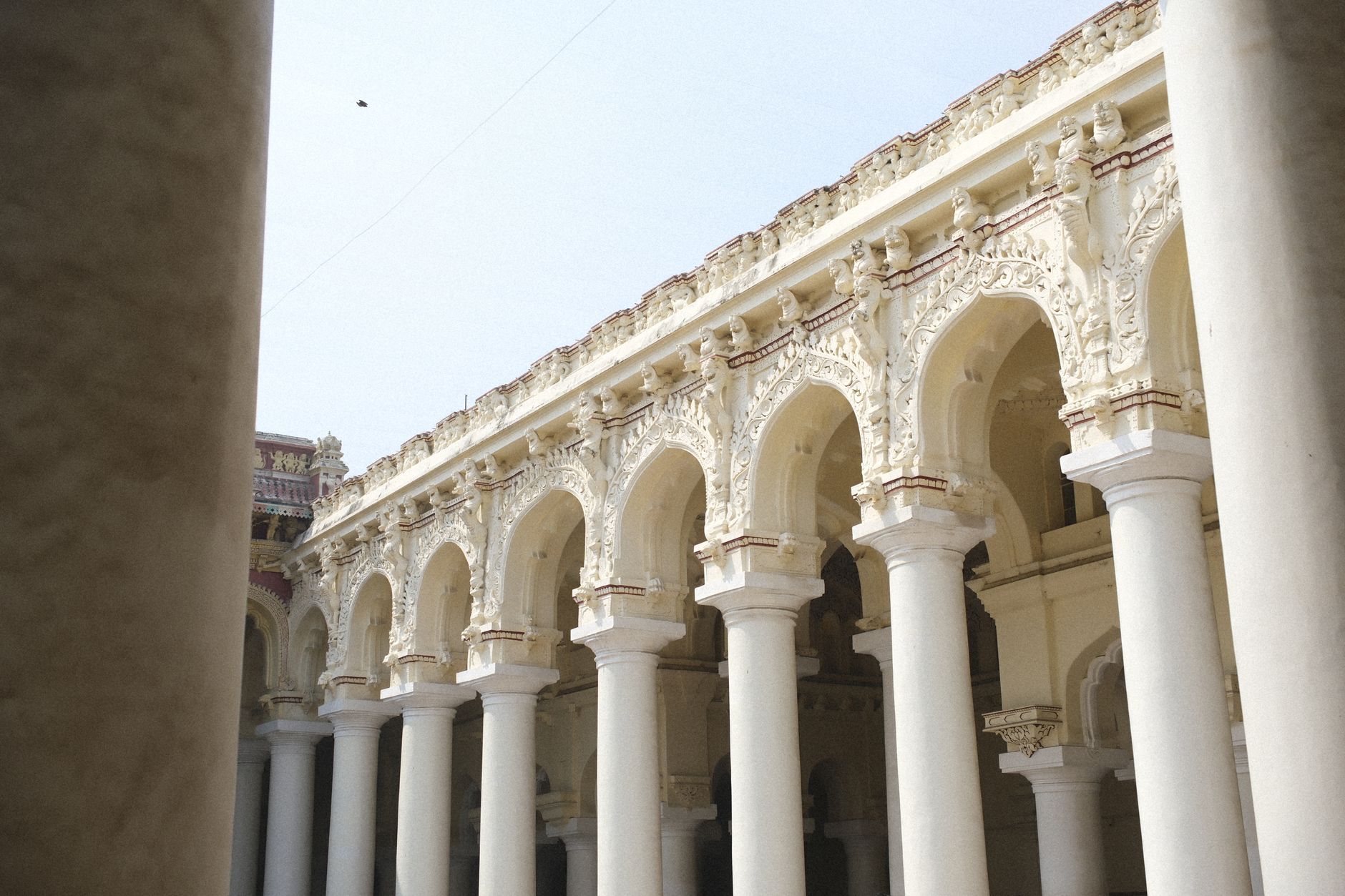


Concentric rings of stone streets radiate outward from the towering gopurams of Meenakshi Amman Temple, just as they have planned since the ancient Pandyan kings laid them out. You navigate by the sound of brass cymbals and the hiss of griddles throwing up crisp bun parottas. It is intense, hot, and ancient, but entirely hospitable if you take it on foot with bare soles across temple granite and a cold jigarthanda in hand.
Last updated 2 Sept 2026
Build a Madurai itinerary.
Choose up to 4 threads that pull you in. Your plan arrives organised around them.
The Bed
Where to stay in Madurai
Which part of town to book, and what each one costs you in walking, noise or quiet.
The Comparison
Madurai, or somewhere near it
The places you are realistically choosing between, and the honest case for each.
The Local Record
Where to read more about Madurai
The blogs, boards, guides and operators worth bookmarking.
What to do in Madurai Tamil Nadu India
Madurai organises itself strictly around the Meenakshi Temple, with life spilling into outer concentric streets named for the Tamil months. Mornings belong to temple prayers and flower vendors, afternoons to shaded palace courtyards, and evenings to open-air tawa frying. It rewards travellers who love history raw, food unapologetically spicy, and who do not mind shedding their shoes to walk cool stone corridors.
24 hours in Madurai Tamil Nadu India
Enter Meenakshi Amman Temple through the East Tower at 7:00 AM before the stone heats up. Break for crispy dosas and filter coffee nearby, explore the high arches of Thirumalai Nayakkar Mahal by midday, and finish after dark at Simmakkal for bun parotta and mutton chukka. Select 1 Day above to see it.
2 days in Madurai Tamil Nadu India
Dedicate day two to the Keezhadi museum to examine 6th-century BCE artefacts, followed by Sungudi textile workshops near South Gate. Eat a banana-leaf feast at Amma Mess for lunch, and spend twilight at the dawn-market flower stalls or watching the temple's night rituals. Choose 2 Days to expand the plan.
3 days in Madurai Tamil Nadu India
A third day allows a leisurely excursion into the Chettinad region around Karaikudi to see vast palatial homes, or a quiet detour to the potter workshops in Manamadurai. You will return in time for one last glass of jigarthanda along East Marret Street.
Madurai Tamil Nadu India itineraries by interest
Sacred Architecture in Madurai Tamil Nadu India
Study the sculpted deities on the 14 soaring gopurams of Meenakshi Amman and the thousand-pillar hall built during the Nayak dynasty.
Street Food in Madurai Tamil Nadu India
Queue at roadside stalls for flaky bun parotta beaten by hand, pepper-heavy mutton chukka, and flaky kothu tossed on smoking cast iron.
Local Drinks in Madurai Tamil Nadu India
Cool off at Famous Jigarthanda on East Marret Street with glasses of chilled condensed milk, tree gum badam pisin, and nannari syrup.
Markets & Produce in Madurai Tamil Nadu India
Walk the Mattuthavani flower market before sunrise, where vendors thread tons of fragrant Madurai malli jasmine for temple garlands.
Palace Heritage in Madurai Tamil Nadu India
Wander the massive stucco arches, 82-foot columns, and central courtyard of Thirumalai Nayakkar Mahal, designed by an Italian architect in 1636.
Textiles & Weaving in Madurai Tamil Nadu India
Watch master weavers at handlooms around Vilakkuthoon village warp fine cotton thread into traditional Sungudi tie-dye sarees.
Regional Cooking in Madurai Tamil Nadu India
Sit down at Amma Mess for bone marrow omelettes, country chicken curries, and spicy crab roast served on fresh banana leaves.
Ancient History in Madurai Tamil Nadu India
Inspect Sangam-era pottery and 2,500-year-old archaeological finds unearthed at the Keezhadi excavation site just south of the Vaigai River.
Spiritual Rituals in Madurai Tamil Nadu India
Join the evening procession inside the central shrine as the silver image of Shiva is carried to Parvati's bedchamber to the beat of nagaswaram horns.
Coffee Culture in Madurai Tamil Nadu India
Stand at neighbourhood counters for scalding South Indian filter degree coffee, poured back and forth from height into stainless steel tumblers.
Pottery & Clay in Madurai Tamil Nadu India
Visit the potters of Manamadurai, who shape resonant clay ghatam musical instruments and terracotta temple horses from riverbed mud.
Day Trips in Madurai Tamil Nadu India
Head two hours northeast to Chettinad to tour sprawling 19th-century merchant mansions with Burmese teak pillars and Athangudi floor tiles.