
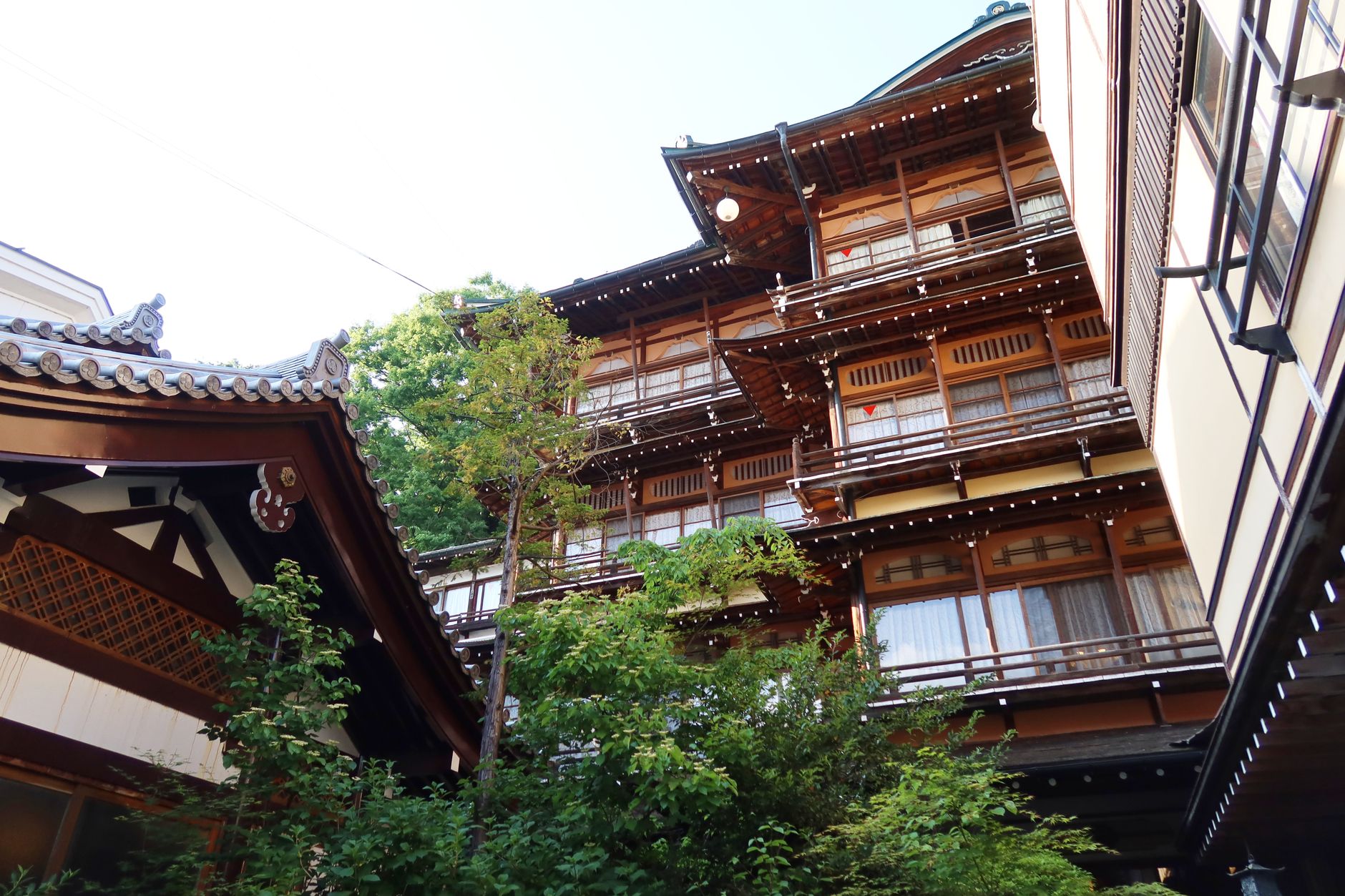
Okuhida Onsen-gō sits eighty minutes by Nohi bus east of Takayama, deep along the valleys beneath Mount Hotaka. The five connected hamlets claim the highest density of open-air hot spring baths in Japan, where river stones meet volcanic mineral runoff. Okuhida Onsen-gō is worth visiting if you want to soak in outdoor riverside baths and eat salted river trout grilled over charcoal hearths. Look elsewhere if you want walkable urban evening entertainment, rail connectivity, or indoor museums for rainy days.
Last updated 26 Sept 2026
Build a Okuhida Onsen-gō itinerary.
Choose up to 4 threads that pull you in. Your plan arrives organised around them.
The Bed
Where to stay in Okuhida Onsen-gō
Which part of town to book, and what each one costs you in walking, noise or quiet.
The Comparison
Okuhida Onsen-gō, or somewhere near it
The places you are realistically choosing between, and the honest case for each.
The Local Record
Where to read more about Okuhida Onsen-gō
The blogs, boards, guides and operators worth bookmarking.
What to do in Okuhida Onsen-gō Gifu Japan
Five distinct hot spring settlements line Route 471 beneath the Northern Alps: Hirayu, Shin-Hirayu, Fukuji, Tochio, and Shin-Hotaka. Life here revolves strictly around thermal bath temperatures, the rhythm of multi-course kaiseki dinners, and mountain weather reports. It suits independent travellers who value quiet evenings, outdoor soaking in cedar pools, and slow mornings walking along cold alpine torrents.
24 hours in Okuhida Onsen-gō Gifu Japan
Arrive by morning bus at Hirayu, then ride the Shinhodaka Ropeway to the alpine deck before cloud cover gathers. Eat hoba miso beef at a roadside soba counter, then check into a Fukuji inn by four to soak in riverside baths before a slow irori hearth dinner. Select 1 Day above to see it.
2 days in Okuhida Onsen-gō Gifu Japan
Head into the Fukuji morning market for wild mountain pickles, then walk the forest trail to the frozen or roaring cascades of Hirayu Otaki. Spend the afternoon testing the high-sulfur public baths of Shin-Hirayu, finishing with grilled iwana trout and soba noodles in Tochio. Choose 2 Days to expand the plan.
3 days in Okuhida Onsen-gō Gifu Japan
A third day lets you catch the morning shuttle into the Kamikochi highland basin for car-free riverside walking beneath the Hotaka massif, or explore the deep caverns of the Hida Great Limestone Cave before soaking in the open waters of Shinhodaka's riverside pools.
Okuhida Onsen-gō Gifu Japan itineraries by interest
Hot Springs in Okuhida Onsen-gō Gifu Japan
Dip into public riverside rotemburo like Shinhodaka's Gamada river pools and Hirayu's sulfurous wood-lined baths fed by geothermal volcanic vents.
Mountain Dining in Okuhida Onsen-gō Gifu Japan
Order A5 Hida beef grilled on magnolia leaves with sweet hoba miso, paired with mountain bracken, wild mushrooms, and simmered taro.
Cable Cars in Okuhida Onsen-gō Gifu Japan
Board the double-decker Shinhodaka Ropeway from Shin-Hotaka station to the Nishihotakaguchi viewing deck at 2,156 metres above sea level.
River Fishing in Okuhida Onsen-gō Gifu Japan
Eat whole iwana char and amago trout salted on bamboo skewers and roasted upright around sunken irori hearth embers across Fukuji ryokan.
Winter Landscapes in Okuhida Onsen-gō Gifu Japan
Watch frozen blue waterfalls at the Shin-Hirayu taruma icicle illumination and steam drifting over deep snow banks from outdoor cedar tubs.
Local Produce in Okuhida Onsen-gō Gifu Japan
Browse the morning market in Fukuji for dried sansai mountain vegetables, pickled turnip stems, and jars of dark local chestnut honey.
Historic Architecture in Okuhida Onsen-gō Gifu Japan
Inspect the heavy timber beams and thatched roofs relocated from gassho-zukuri farmsteads at the Hirayu Minzoku-kan open-air museum.
Alpine Hiking in Okuhida Onsen-gō Gifu Japan
Take the steep ridge trail from Kamikochi or the upper ropeway terminus toward Mount Nishi-Hotakadake along marked rocky volcanic paths.
Sake & Fermentation in Okuhida Onsen-gō Gifu Japan
Sample dry Karakuchi brews and cloudy nigori fermented with cold alpine snowmelt from nearby Hida-Furukawa and Takayama kura.
Forest Walks in Okuhida Onsen-gō Gifu Japan
Walk the gentle paved paths through Japanese larch and birch beside the Hirayu Otaki waterfall, tumbling 64 metres down sheer volcanic rock.
Traditional Craft in Okuhida Onsen-gō Gifu Japan
Watch woodcarvers shape local cypress and cedar into shunkei lacquerware trays and rustic choushi sake servers in roadside workshops.
Cave Exploration in Okuhida Onsen-gō Gifu Japan
Wander the illuminated limestone galleries and stalactites of the Hida Great Limestone Cave, carved by underground water at 900 metres altitude.