.jpg)


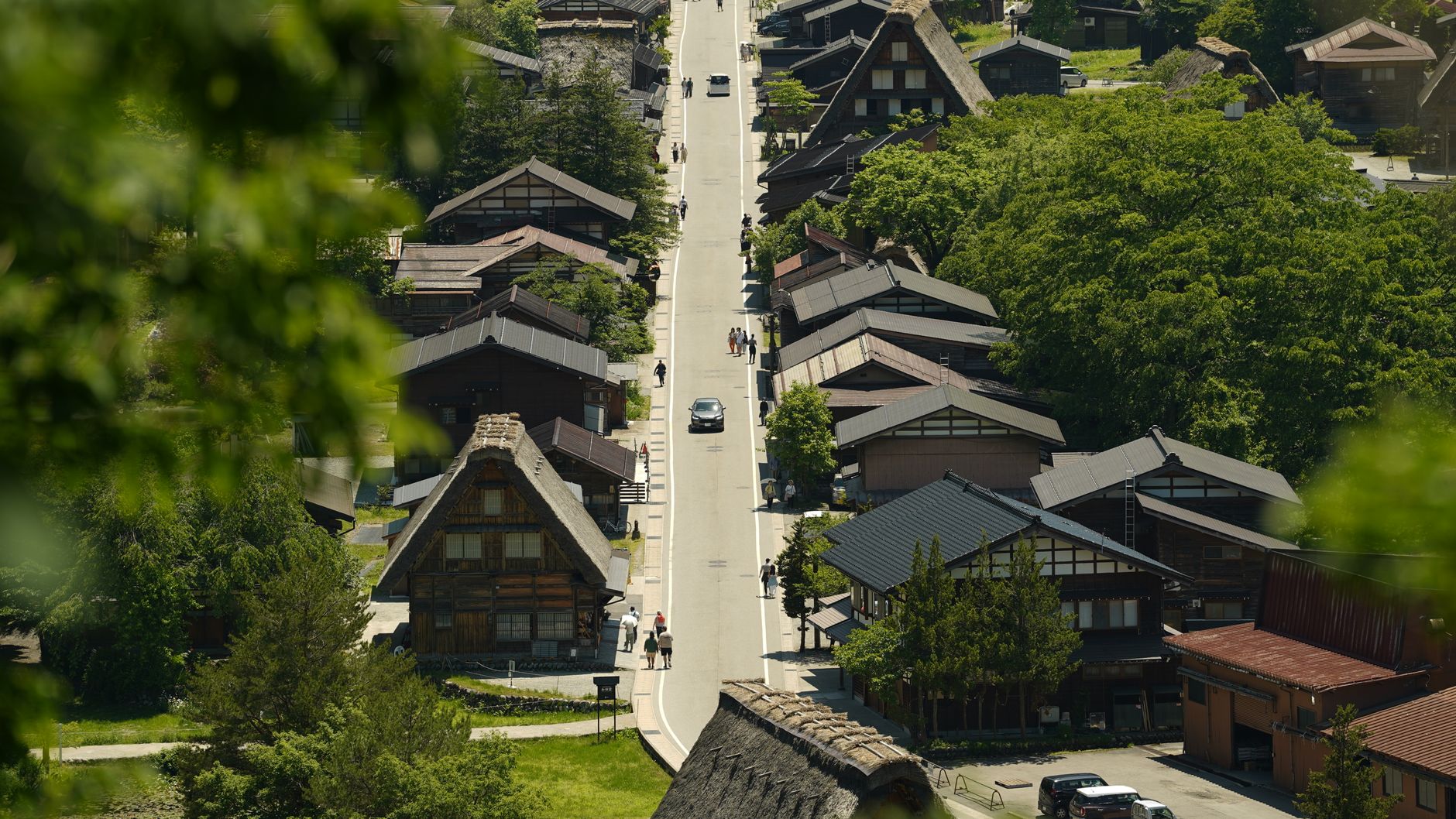
Shirakawa-gō sits in Gifu's Shō River valley, fifty minutes by bus from Takayama and seventy-five from Kanazawa. The village is known for its steep thatched gassho-zukuri farmhouses, engineered to withstand heavy alpine snowfalls. Shirakawa-gō is worth visiting if you want to inspect timber framing built without nails and sleep on tatami beneath thick thatched roofs. Look elsewhere if you need late-night dining, paved flat walks, or solitude during peak bus hours.
Last updated 6 Oct 2026
Build a Shirakawa-gō itinerary.
Choose up to 4 threads that pull you in. Your plan arrives organised around them.
The Bed
Where to stay in Shirakawa-gō
Which part of town to book, and what each one costs you in walking, noise or quiet.
The Comparison
Shirakawa-gō, or somewhere near it
The places you are realistically choosing between, and the honest case for each.
The Local Record
Where to read more about Shirakawa-gō
The blogs, boards, guides and operators worth bookmarking.
What to do in Shirakawa-gō Gifu Japan
Ogimachi is the village core, a compact cluster of roughly one hundred thatched farmhouses bordered by steep hills and the Shō River. Days run on a simple rhythm: walking between preserved houses like Kanda House, browsing modest soba stalls, and ascending the hill path. It suits travellers who appreciate agrarian history, cold mountain air, and unhurried daylight strolls.
24 hours in Shirakawa-gō Gifu Japan
Arrive on the morning bus from Takayama and head straight up to the Shiroyama viewpoint before the tour coaches roll in. Tour the five-storey Wada House, break for wild mountain greens and handmade buckwheat noodles at Irori, and finish the afternoon with a quiet hot soak at Shirakawago no Yu. Select 1 Day above to see it.
2 days in Shirakawa-gō Gifu Japan
A second day allows an overnight stay in a local minshuku, where the real reward is a quiet evening meal of hoba miso beef and total silence after five o'clock. In the morning, cross the river to explore the Minkaen museum before the next wave of day-trippers crosses the bridge. Choose 2 Days to expand the plan.
3 days in Shirakawa-gō Gifu Japan
With three days, venture deeper into the valley toward Toyama Prefecture to visit the quieter thatched settlements of Ainokura and Suganuma in Gokayama. You can try your hand at traditional washi paper making and hike through cedar groves undisturbed by tour groups.
Shirakawa-gō Gifu Japan itineraries by interest
Vernacular Architecture in Shirakawa-gō Gifu Japan
Walk inside Wada House and Nagase House to examine massive cedar beams bound with rope and multi-tiered attics once used for sericulture.
Mountain Cuisine in Shirakawa-gō Gifu Japan
Taste Hida beef grilled over magnolia leaves with sweet miso on a hoba miso burner, alongside salted char and local mountain ferns.
Rural Heritage in Shirakawa-gō Gifu Japan
Cross the pedestrian suspension bridge to the Gassho-zukuri Minkaen Open-Air Museum, where twenty-five conserved farmhouses sit along gravel lanes.
Overlook Views in Shirakawa-gō Gifu Japan
Walk twenty minutes uphill along the paved path to Shiroyama Viewpoint for an unvarnished angle over the Ogimachi settlement and Shō River.
Regional Spirits in Shirakawa-gō Gifu Japan
Stop at Doburoku Matsuri Hall by Hachiman Shrine to sample unfiltered, cloudy rice mash brewed exclusively for village autumn harvest festivals.
Thermal Springs in Shirakawa-gō Gifu Japan
Soak tired legs in the mineral-rich waters of Shirakawago no Yu, the village bathhouse overlooking the cold waters of the Shō River.
Textiles & Crafts in Shirakawa-gō Gifu Japan
Examine raw silk processing and cedar shingle crafting displays, where local artisans explain traditional roofing and hemp rope bindings.
Day Trips in Shirakawa-gō Gifu Japan
Catch a local bus south to Gokayama and the twin hamlets of Ainokura and Suganuma, which receive far fewer bus groups than Ogimachi.
River Trails in Shirakawa-gō Gifu Japan
Follow the footpaths along the Shō River toward the Hatogaya dam, listening to glacial runoff rushing over smooth riverbed granite.
Seasonal Landscapes in Shirakawa-gō Gifu Japan
Visit during January and February to see two-metre snowdrifts flanking timber eaves, or come in May when flooded rice paddies mirror the roofs.
Street Food in Shirakawa-gō Gifu Japan
Grab skewered Hida wagyu beef and hot mitarashi dango glazed in soy from small wooden window counters along the main village thoroughfare.
Sacred Architecture in Shirakawa-gō Gifu Japan
Visit Myōzen-ji, an eighteenth-century Buddhist temple featuring a thatched bell tower gate and cedar main hall filled with quiet altar carvings.