
.jpg)


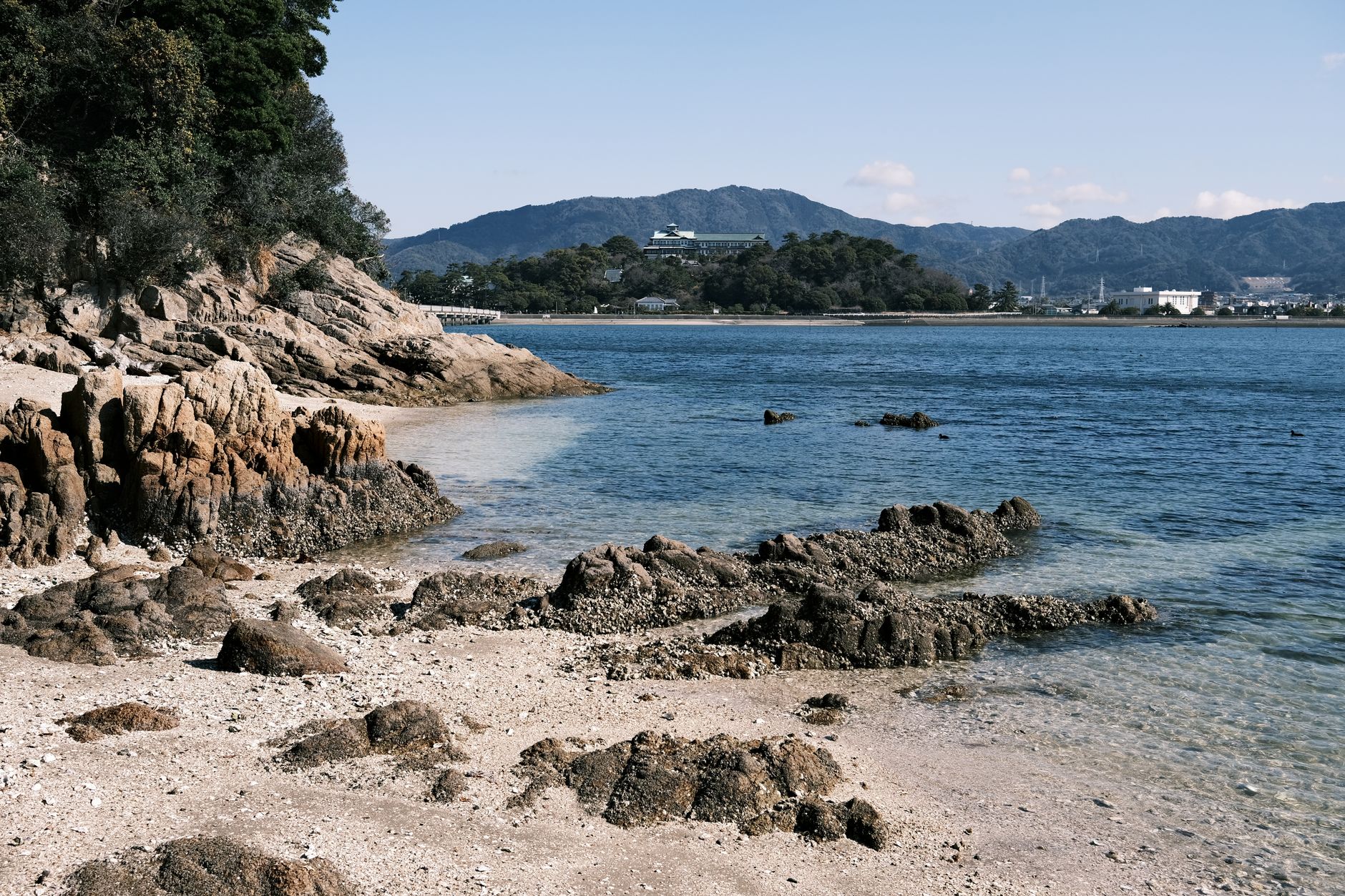
Shōdoshima sits in the Seto Inland Sea, an hour by car ferry from Takamatsu Port in Kagawa. The island is known across Japan for four centuries of cedar-barrel soy sauce production and hand-stretched somen noodles dried on outdoor racks. Shōdoshima is worth visiting if you want to trace traditional Japanese food crafts at the source and drive winding coastal roads between quiet fishing ports. Look elsewhere if you need late-night trains, lively bars, or a walkable town where you can manage without a car.
Last updated 25 Sept 2026
Build a Shōdoshima itinerary.
Choose up to 4 threads that pull you in. Your plan arrives organised around them.
The Bed
Where to stay in Shōdoshima
Which part of town to book, and what each one costs you in walking, noise or quiet.
The Comparison
Shōdoshima, or somewhere near it
The places you are realistically choosing between, and the honest case for each.
The Local Record
Where to read more about Shōdoshima
The blogs, boards, guides and operators worth bookmarking.
What to do in Shōdoshima Kagawa Japan
Life on Shōdoshima follows the rhythm of the ferry schedule and the fermentation calendar. Days centre on driving between cedar-barrel soy sauce warehouses in Hishio-no-Sato, checking the tides for Angel Road, and climbing to mountain shrines. The island suits self-reliant travellers who appreciate regional food production, quiet harbours, and the freedom of exploring winding coastal roads by car.
24 hours in Shōdoshima Kagawa Japan
Catch the early morning ferry from Takamatsu, pick up a rental car, and head straight to Yamaroku for a brewery tour. Eat chilled somen noodles for lunch at Nakabu An, drive the Kankakei Gorge loop in the afternoon, and walk Angel Road before catching the evening ferry back. Select 1 Day above to see it.
2 days in Shōdoshima Kagawa Japan
A second day lets you explore the terraced paddies of Nakayama Senmaida and the coastal artwork around Tonosho. Linger over a dinner of olive-fed wagyu and local sea bream, followed by a quiet night in a renovated cedar townhouse near the harbour. Choose 2 Days to expand the plan.
3 days in Shōdoshima Kagawa Japan
With three days, tackle the steep ascent to the mountain cliff temple of Okunoin Kasagataki without checking your watch. You have time to tour the south peninsula out to the timber schoolhouse, cycle the southern bays, and stop for local craft ales in Sakate.
Shōdoshima Kagawa Japan itineraries by interest
Fermentation Crafts in Shōdoshima Kagawa Japan
Walk Hishio-no-Sato to see wooden kioke barrels at Yamaroku, where moromi mash ferments beneath dark cedar rafters as it has since the Edo period.
Noodle Traditions in Shōdoshima Kagawa Japan
Slurp chilled tenobe somen hand-stretched with sesame oil, or book a morning workshop at Nakabu An to stretch the elastic dough across wooden dowels.
Olive Cultivation in Shōdoshima Kagawa Japan
Visit the 1908 groves at Olive Park, sample peppery early-harvest oils, and try olive-fed wagyu beef grilled simply over binchotan charcoal.
Sacred Architecture in Shōdoshima Kagawa Japan
Follow sections of the 88-temple island circuit, stopping at mountain-carved sanctuaries like Okunoin Kasagataki and cavernous Senkoji above the bay.
Scenic Gorges in Shōdoshima Kagawa Japan
Ride the ropeway across Kankakei Gorge or hike the stone path between sheer volcanic cliff faces where wild macaque troops gather in the maple trees.
Modern Art in Shōdoshima Kagawa Japan
Discover Setouchi Triennale outdoor installations scattered along the coast, including the giant Straw Art at Hitoyama and Gift of the Sun at Tonosho.
Terraced Agriculture in Shōdoshima Kagawa Japan
Wander the curving stone ridges of Nakayama Senmaida, where over seven hundred flooded rice paddies step down a green amphitheatre above the village.
Local Seafood in Shōdoshima Kagawa Japan
Order Seto Inland Sea sea bream sashimi, charcoal-grilled Spanish mackerel, and wild turban shells at harbour diners near Tonosho Port.
Coastal Walks in Shōdoshima Kagawa Japan
Cross the white sand tombolo of Angel Road at low tide to reach small rocky islets before the incoming sea covers the path again.
Island History in Shōdoshima Kagawa Japan
Step into the preserved 1950s timber schoolhouse at Twenty-Four Eyes Movie Village, set beside crashing waves on the southern tip of the peninsula.
Craft Brewing in Shōdoshima Kagawa Japan
Stop by Mame Mame Brewery near the soy sauce district for small-batch ales brewed with local roasted barley, citrus, and aged moromi mash.
Coastal Cycling in Shōdoshima Kagawa Japan
Rent an electric bicycle from Tonosho to ride the flat shoreline roads of the Shodoshima coastline, passing sheltered coves and fishing skiffs.