


Tsumago-juku sits in the Kiso Valley, roughly two hours northeast of Nagoya by JR Shinano train to Nagiso Station followed by a ten-minute bus ride. The settlement is famous for its strict preservation laws, ban on vehicle traffic by day, and Edo-era timber post inns along the Nakasendo trail. Tsumago-juku is worth visiting if you want to walk stone-paved postal roads and stay in historic wooden minshuku where dinners feature river trout and soba. Look elsewhere if you need late-night dining, Western-style hotels, or indoor activities during steady rain.
Last updated 12 Oct 2026
Build a Tsumago-juku itinerary.
Choose up to 4 threads that pull you in. Your plan arrives organised around them.
The Bed
Where to stay in Tsumago-juku
Which part of town to book, and what each one costs you in walking, noise or quiet.
The Comparison
Tsumago-juku, or somewhere near it
The places you are realistically choosing between, and the honest case for each.
The Local Record
Where to read more about Tsumago-juku
The blogs, boards, guides and operators worth bookmarking.
What to do in Tsumago-juku Nagano Japan
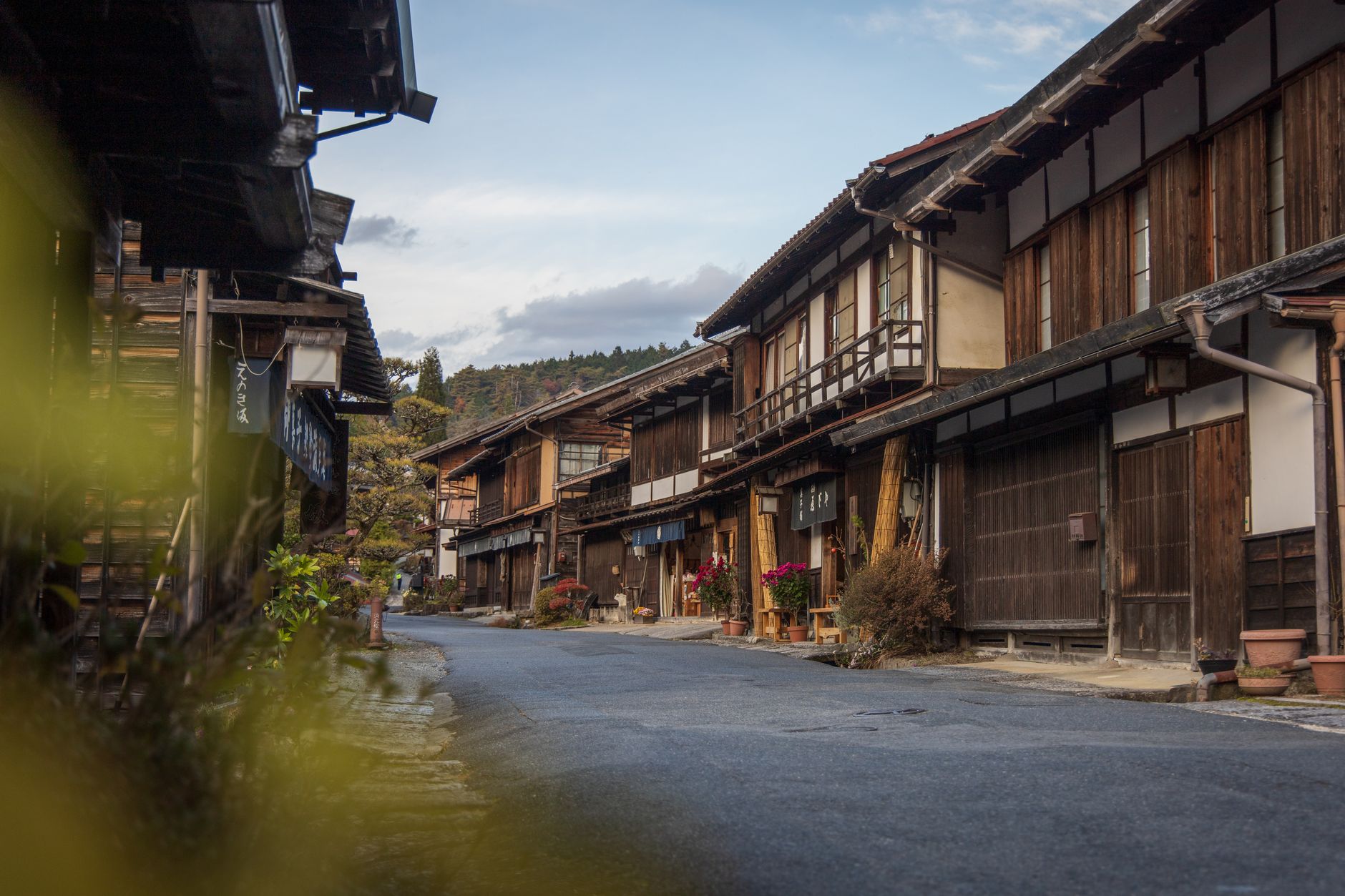
Tsumago-juku is essentially one long, immaculate pedestrian street of dark cedar machiya houses set against steep green mountains. By day, walkers pass through with trekking poles; by five in the afternoon, day-trippers vanish and the town turns entirely quiet, lit only by paper lanterns. It suits walkers and quiet travellers who appreciate preservation and early bedtime hours over resort amenities.
24 hours in Tsumago-juku Nagano Japan
Catch the morning bus from Nagiso Station, leave luggage at your inn, and walk the historic Nakasendo path to Magome. Stop for walnut-glazed gohei mochi along the trail, take the return bus to Tsumago-juku by late afternoon, and finish with river fish over charcoal at an inn's irori hearth. Select 1 Day above to see it.
2 days in Tsumago-juku Nagano Japan
Spend your second morning inspecting the woodcraft at Waki-honjin Okuya, then take the train north to Kiso-Fukushima. Walk the Kozen-ji rock garden, explore the Fukushima barrier gate checkpoint, and have cold zaru soba with mountain yam at a riverside noodle shop along the Kiso River. Choose 2 Days to expand the plan.
3 days in Tsumago-juku Nagano Japan
A third day lets you branch deeper into the Kiso Valley. Hike through the dense cypress forests of the Akasawa Natural Recreation Forest, or ride up to Narai-juku to browse lacquerware workshops along its kilometer-long heritage street without watching the train timetable.
Tsumago-juku Nagano Japan itineraries by interest
Historic Trails in Tsumago-juku Nagano Japan
Walk the eight-kilometre Nakasendo trail between Tsumago and Magome, passing cedar forests, stone Jizo statues, and the Tateba rest stop.
Regional Cuisine in Tsumago-juku Nagano Japan
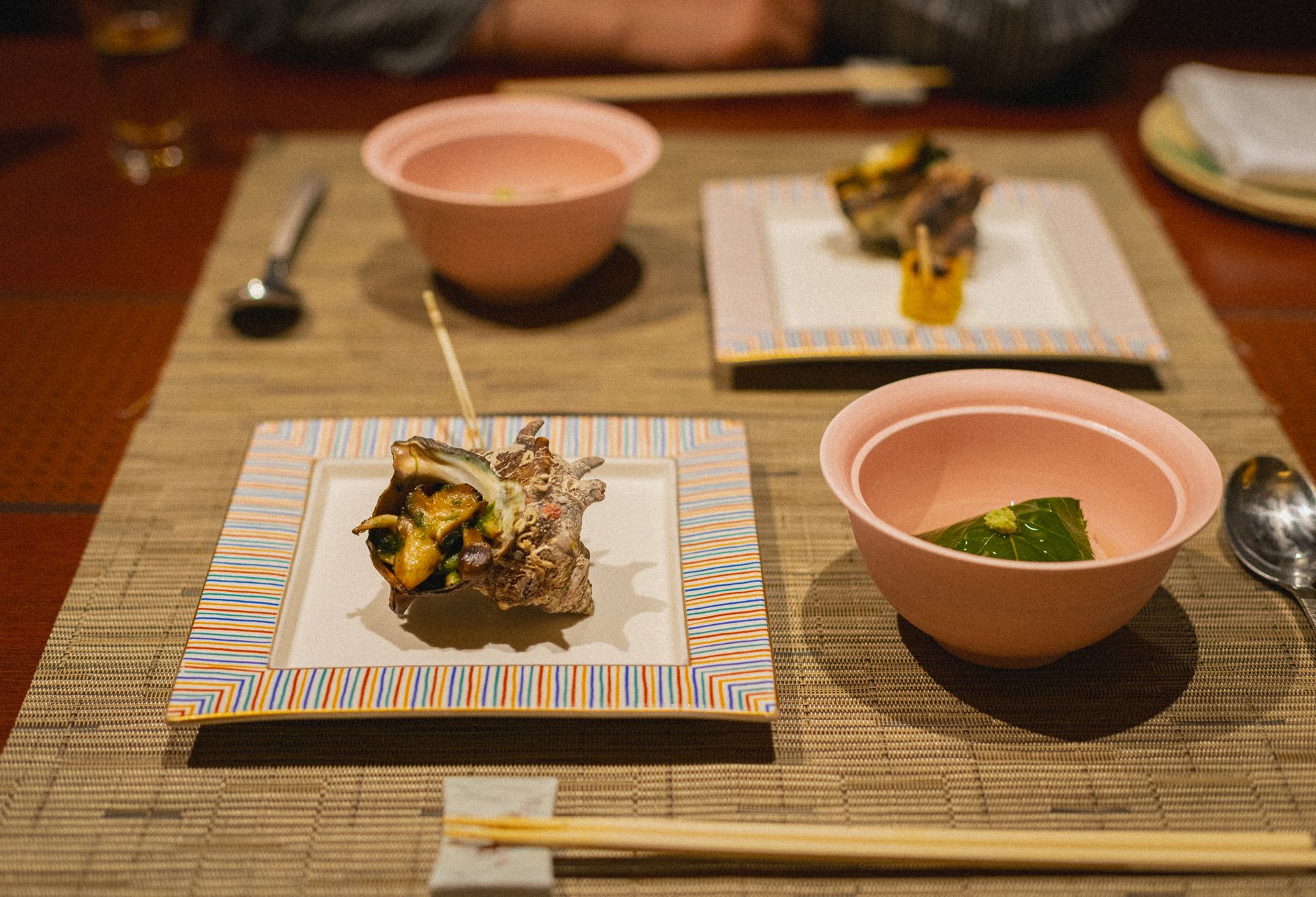
Eat hand-cut buckwheat kiso soba, salt-grilled ayu and amago sweetfish over charcoal, and sticky gohei mochi coated in crushed walnut miso.
Traditional Lodging in Tsumago-juku Nagano Japan
Sleep on tatami at heritage minshuku like Daikichi or Hanaya, with communal cypress baths and multi-course dinners cooked on an irori hearth.
Folk Heritage in Tsumago-juku Nagano Japan
Tour the Waki-honjin Okuya, an Edo-period elite inn built from hinoki cypress in 1877, where morning light slants dramatically through hearth smoke.
Day Hikes in Tsumago-juku Nagano Japan
Follow mountain paths up to the ruins of Tsumago Castle for clear views over the Kiso Valley, or detour to the cascading Otoko and Meoto waterfalls.
Local Produce in Tsumago-juku Nagano Japan
Sample sunki-zuke pickled turnip greens, fresh chestnut paste treats, and wild mountain vegetables gathered from the surrounding Nagano hillsides.
Craft Traditions in Tsumago-juku Nagano Japan
Watch artisans turn fragrant Kiso hinoki cypress into lacquered bento boxes, wooden combs from Kiso-Fukushima, and sturdy Magewappa bentwood trays.
Sacred Architecture in Tsumago-juku Nagano Japan
Climb stone steps to Kotoku-ji, a 1500s Zen temple above the main street, known for its wooden nightingale floors and quiet stone garden.
Teahouses in Tsumago-juku Nagano Japan
Stop at the historic Tateba teahouse at the top of Magome Pass, where volunteer caretakers serve hot roasted green tea and pickled radish for free.
Rural Architecture in Tsumago-juku Nagano Japan
Inspect the Honjin compound and timber machiya row houses, preserved without overhead power lines, neon signs, or visible modern wiring.
Day Trips in Tsumago-juku Nagano Japan
Ride the local train north along the JR Chuo Line to Narai-juku or Kiso-Fukushima for samurai clan residences and natural cold-water soba shops.
Local Spirits in Tsumago-juku Nagano Japan
Drink chilled dry sake from nearby Kiso Valley breweries like Nakanori-san and Sasano-tsuyu, paired with grilled mountain vegetables and river trout.