


Sitting an hour south of Kyoto by train to Kamo Station followed by a twenty-minute local bus, Wazuka produces roughly half of the region's celebrated Uji matcha across steep, ribbed hillsides. The valley revolves entirely around tea cultivation, processing plants, and farm-to-table soba lunches. Wazuka is worth visiting if you want to cycle quiet farm roads, taste fresh tencha, and see multi-generational agriculture at the source. Look elsewhere if you want temple-hopping crowds, nightlife, or indoor shopping arcades.
Last updated 19 Oct 2026
Build a Wazuka itinerary.
Choose up to 4 threads that pull you in. Your plan arrives organised around them.
The Bed
Where to stay in Wazuka
Which part of town to book, and what each one costs you in walking, noise or quiet.
The Comparison
Wazuka, or somewhere near it
The places you are realistically choosing between, and the honest case for each.
The Local Record
Where to read more about Wazuka
The blogs, boards, guides and operators worth bookmarking.
What to do in Wazuka Kyoto Japan
Wazuka is a working agricultural valley stretched along the Wazuka River, flanked by terraced tea hills rather than souvenir boutiques. The daily rhythm is set by the morning mist, tractor engines, and drying kilns. Visitors come to rent an e-bike, wander the contoured slopes of Harayama and Ishitera, and eat simple soba. It suits independent travellers comfortable with rural bus timetables and quiet evenings.
24 hours in Wazuka Kyoto Japan
Catch the bus from Kamo Station to Ishitera, rent an e-bike, and spend the morning riding the steep loops around the tea terraces. Stop for cold cha-soba and matcha ice cream at Wazuka Tea Cafe around midday, then walk through the Kamabuchi round plantations before heading back to Kyoto or Nara by late afternoon. Select 1 Day above to see it.
2 days in Wazuka Kyoto Japan
A second day lets you push deeper into the quiet eastern hamlets of Yubune and Erihara. Spend a slow morning hiking the ridge tracks through Harayama, visit local tea-processing facilities to watch sorting and rolling, and book an overnight stay at a farmhouse guesthouse for a dinner of wild boar hotpot and tea-cured fish. Choose 2 Days to expand the plan.
3 days in Wazuka Kyoto Japan
Three days allow a detour east across the Shiga border to the pottery village of Shigaraki, picking up unglazed stoneware teaware straight from studio kilns. Back in the valley, take an unhurried morning tea-grinding workshop and hike up Mount Jubu without rushing to make the hourly regional bus.
Wazuka Kyoto Japan itineraries by interest
Tea Culture in Wazuka Kyoto Japan
Taste freshly whisked tencha, sencha, and hojicha while meeting growers at the Wazuka Tea Cafe beside the Wazuka River.
Cycling in Wazuka Kyoto Japan
Rent an electric bicycle at Kamo Station or the central tea cafe to tackle the steep gradients up to the Ishitera and Harayama fields.
Scenic Viewpoints in Wazuka Kyoto Japan
Climb the quiet single-lane road above Ishitera for views over rows of manicured camellia sinensis bushes layered along steep ridge lines.
Local Agriculture in Wazuka Kyoto Japan
Observe springtime first-flush harvesting (shincha) and the black shading tarps used across fields to produce shade-grown tencha for matcha.
Sacred Architecture in Wazuka Kyoto Japan
Walk the cedar groves to Kenchoji Temple and Tenman Shrine, modest community sanctuaries framed by moss-covered stone lanterns.
Regional Food in Wazuka Kyoto Japan
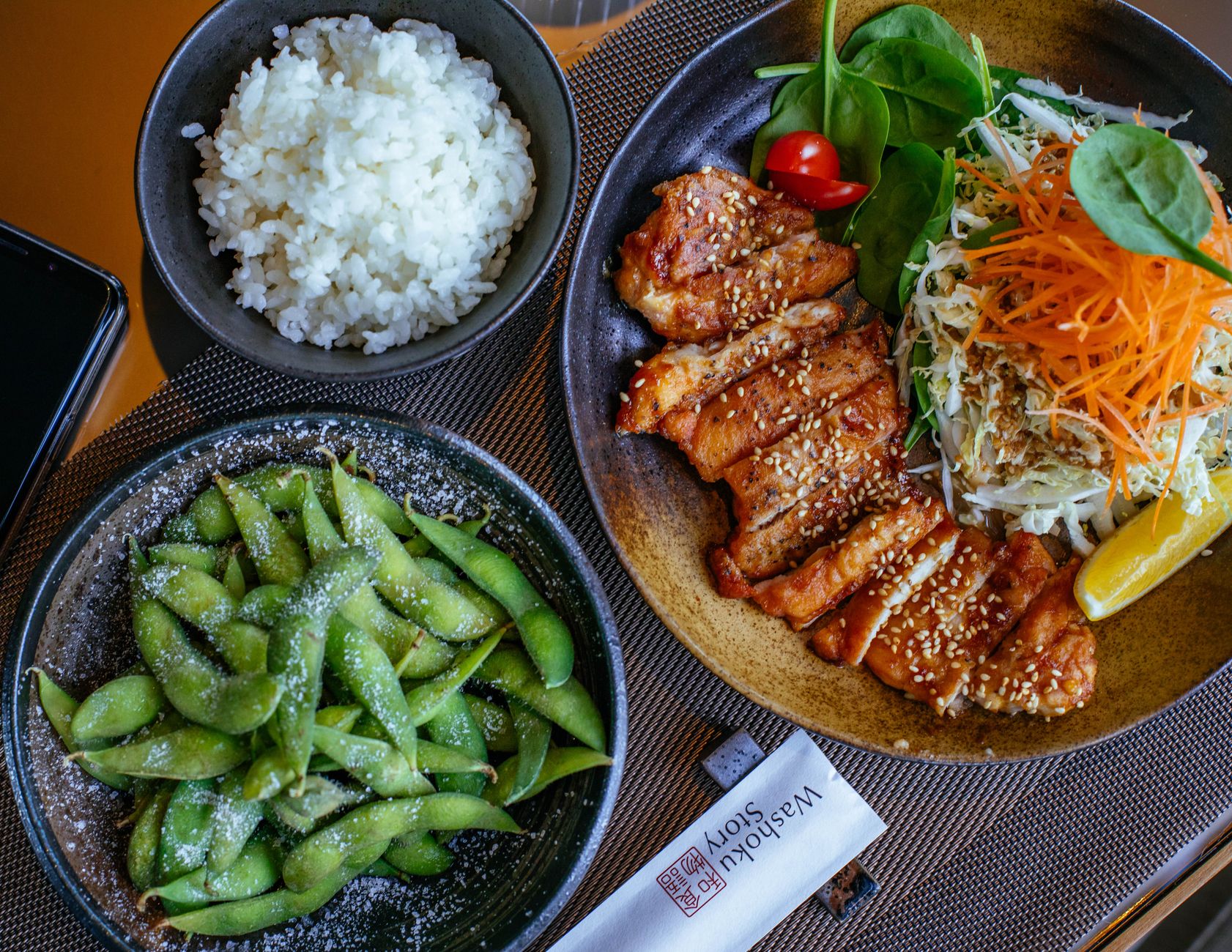
Eat hand-rolled cha-soba noodles, green-tea-infused rice balls, and bitter matcha soft-serve at small family-run diners along Route 163.
Hiking in Wazuka Kyoto Japan
Follow quiet farm tracks through Harayama or hike the forested boundary trails towards Mount Jubu through bamboo and cypress timber.
Culinary Workshops in Wazuka Kyoto Japan
Grind dried tencha into fine matcha powder using traditional granite stone mills during hands-on tea-processing sessions at local farmhouses.
Rural Stays in Wazuka Kyoto Japan
Stay in traditional timber minshuku and farm guesthouses in Shirasu or Yubune for home-cooked seasonal kaiseki featuring foraged mountain vegetables.
River Walks in Wazuka Kyoto Japan
Stroll the quiet paths along the clear Wazuka River, where stone bridges cross trout streams framed by wild cherry trees in spring.
Craft Traditions in Wazuka Kyoto Japan
Watch bamboo tea whisks (chasen) and hand-carved scoops used in standard preparation, paired with rustic pottery from nearby Shigaraki kilns.
Day Trips in Wazuka Kyoto Japan
Cross the prefectural border to explore the historic Shigaraki pottery kilns in Shiga or the ancient wooden temples of Nara, twenty minutes south.