.jpg)


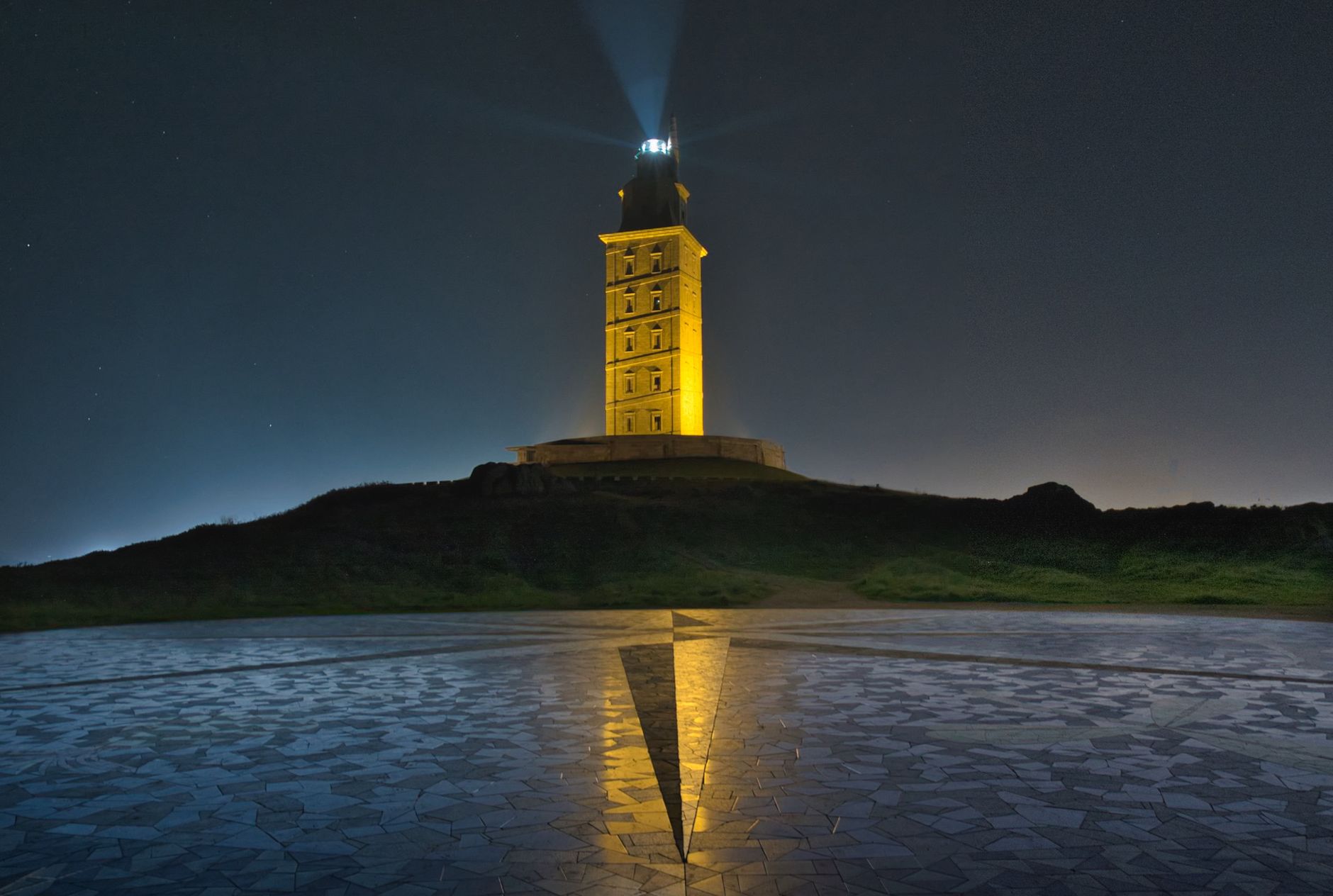
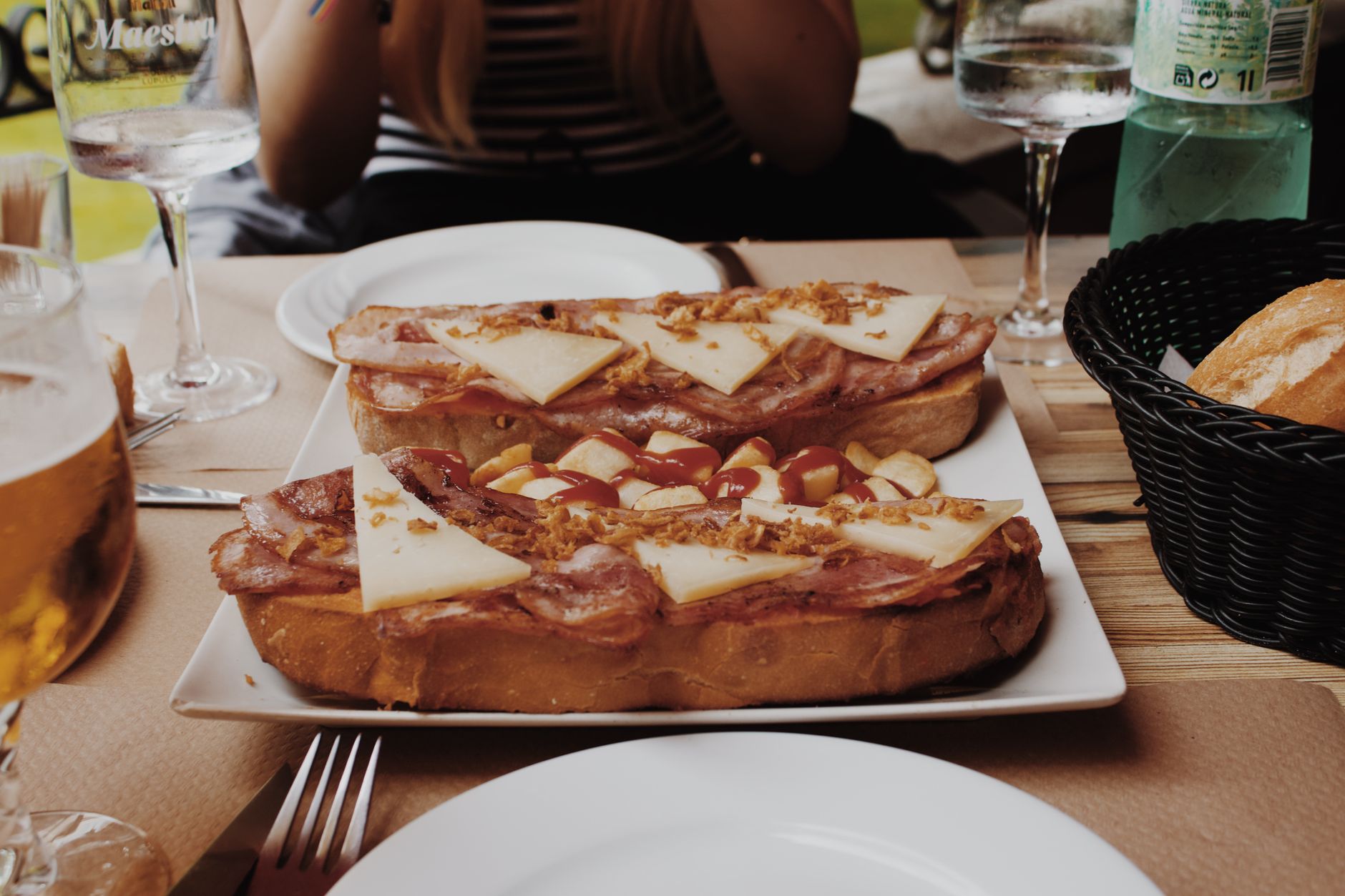
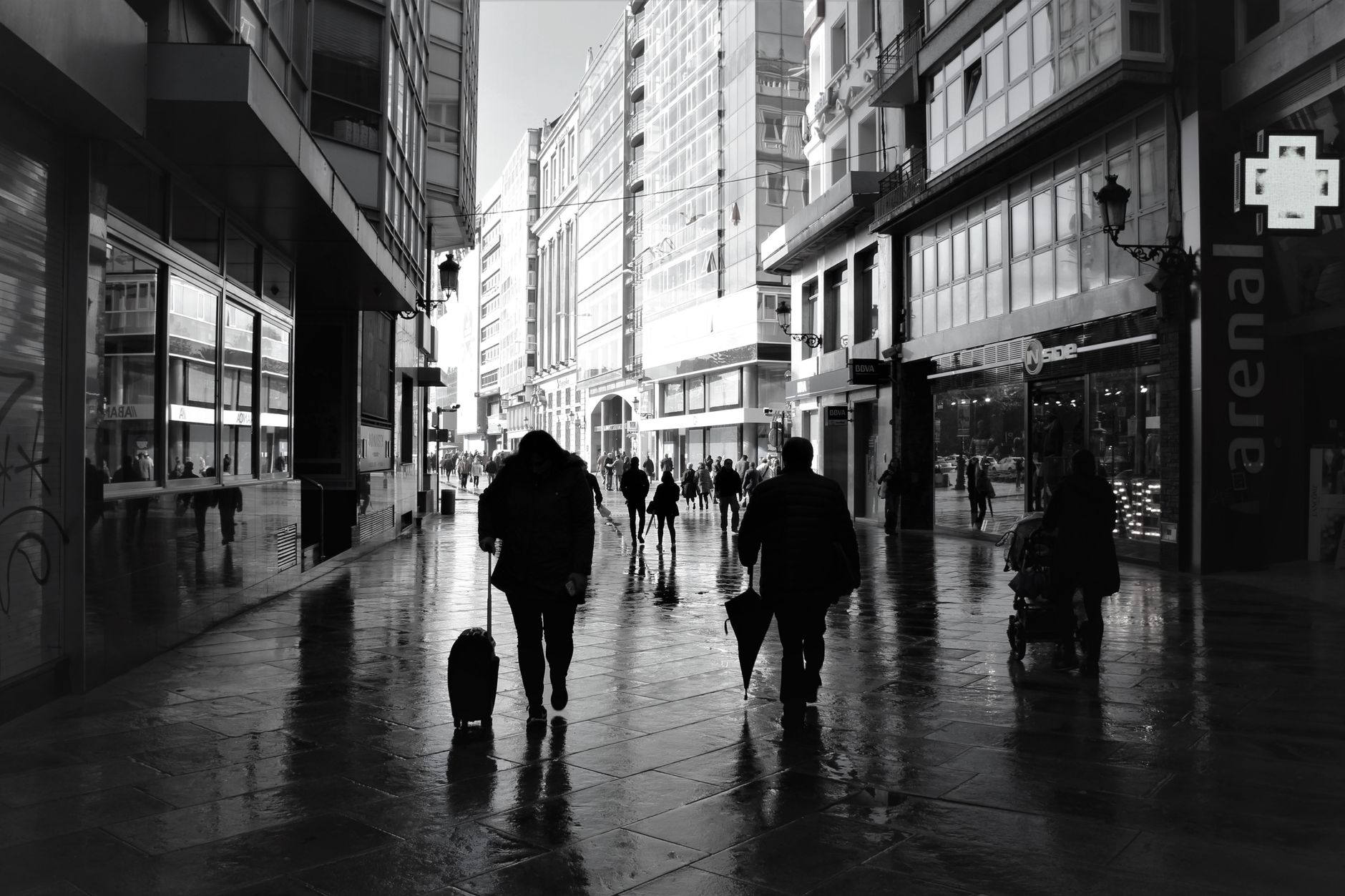
Salt wind hits you first along the Avenida de la Marina, where four storeys of white timber and glass galerías catch the Atlantic light like an enormous lantern. This is a working peninsula town shaped by cold Atlantic tides and late-night tapas crawls through the lanes of Calle Franja. You come for the first-century Roman lighthouse, the Tower of Hercules, standing stubborn against the surf, and stay for steaming platters of octopus dusted with pimentón at modest neighbourhood taverns.
Last updated 26 Aug 2026
Build a A Coruña itinerary.
Choose up to 4 threads that pull you in. Your plan arrives organised around them.
The Bed
Where to stay in A Coruña
Which part of town to book, and what each one costs you in walking, noise or quiet.
The Comparison
A Coruña, or somewhere near it
The places you are realistically choosing between, and the honest case for each.
The Local Record
Where to read more about A Coruña
The blogs, boards, guides and operators worth bookmarking.
What to do in A Coruña Galicia Spain
Built along a narrow isthmus jutting into the Atlantic, A Coruña moves to the rhythm of sea tides and late-evening tavern runs. Mornings belong to fishmongers at Mercado de San Agustín and long coastal walks around the peninsula, while afternoons unwind on Praza de María Pita before tapas crawls along Calle Estrella. It suits travellers who appreciate honest seafood, sea air, and walking everywhere on foot.
24 hours in A Coruña Galicia Spain
Start early with the two-mile coastal walk up to the Tower of Hercules before midday winds pick up. Head into Mercado de San Agustín for grilled percebes and hake for lunch. By early evening, wander the Romanesque lanes of the Ciudad Vieja before diving into Calle de la Barrera for cider, draft beer, and runny Betanzos tortilla. Select 1 Day above to see it.
2 days in A Coruña Galicia Spain
Spend your second morning touring the glass galerías of Ensanche and the contemporary exhibits at Domus. Cross over to the sandy curve of Praia de Riazor for a brisk seaside lunch of steamed mussels and crisp Godello. In the evening, explore the fortress ramparts of Castillo de San Antón overlooking the harbour. Choose 2 Days to expand the plan.
3 days in A Coruña Galicia Spain
A third day allows an easy thirty-minute train ride inland to Betanzos to wander Gothic plazas and compare rival versions of its famous loose-egg tortilla. Alternatively, take a coastal drive north past the cliffs of Ferrol to the fishing harbour of Cedeira, lingering over fresh barnacles and a chilled bottle of Albariño.
A Coruña Galicia Spain itineraries by interest
Local Seafood in A Coruña Galicia Spain
Percebes scraped from wave-beaten cliffs, boiled octopus with coarse salt and pimentón, and razor clams grilled on planchas along Calle Estrella.
Maritime History in A Coruña Galicia Spain
Climb the first-century Tower of Hercules, the world's oldest working Roman lighthouse, and explore the 16th-century fortress of Castillo de San Antón.
Markets & Produce in A Coruña Galicia Spain
Browse the modernist Mercado de San Agustín for live spider crabs, Tetilla cheeses, Galician beef cuts, and fresh Padrón peppers in season.
Coastal Walks in A Coruña Galicia Spain
Walk the ten-kilometre promenade around the peninsula past the cliffs of Punta Herminia and the sweeping sands of Orzán and Riazor beaches.
Local Wine in A Coruña Galicia Spain
Sample crisp Albariño from Rías Baixas and mineral-rich Godello from Valdeorras served in small porcelain cuncas at traditional tabernas.
Urban Architecture in A Coruña Galicia Spain
Admire the 19th-century glass galerías along Avenida de la Marina and modernist façades by Antonio Tenreiro scattered through Ensanche.
Historic Plazas in A Coruña Galicia Spain
Linger over morning café con leche on Praza de María Pita, facing the grand carved façade and copper domes of the 1918 Palacio Municipal.
City Beaches in A Coruña Galicia Spain
Watch Atlantic surfers from the curving sands of Praia do Orzán or find calmer swimming water along the broad sweep of Praia de Riazor.
Tavern Culture in A Coruña Galicia Spain
Join the evening tapeo on Calle de la Barrera and Calle Galera, grazing on tortilla de Betanzos, pimientos, and grilled sardines with draft Estrella.
Contemporary Culture in A Coruña Galicia Spain
Visit Fundación Luis Seoane for regional graphic arts and the massive oceanographic exhibits inside Domus, designed by Arata Isozaki.
Sacred Architecture in A Coruña Galicia Spain
Step into the 12th-century Romanesque Collegiate Church of Santa María del Campo and the Gothic-origin Church of Santiago in the Ciudad Vieja.
Day Trips in A Coruña Galicia Spain
Catch a quick train to the medieval lanes of Betanzos for runny tortilla, or drive north to the rugged fishing port of Cedeira.