

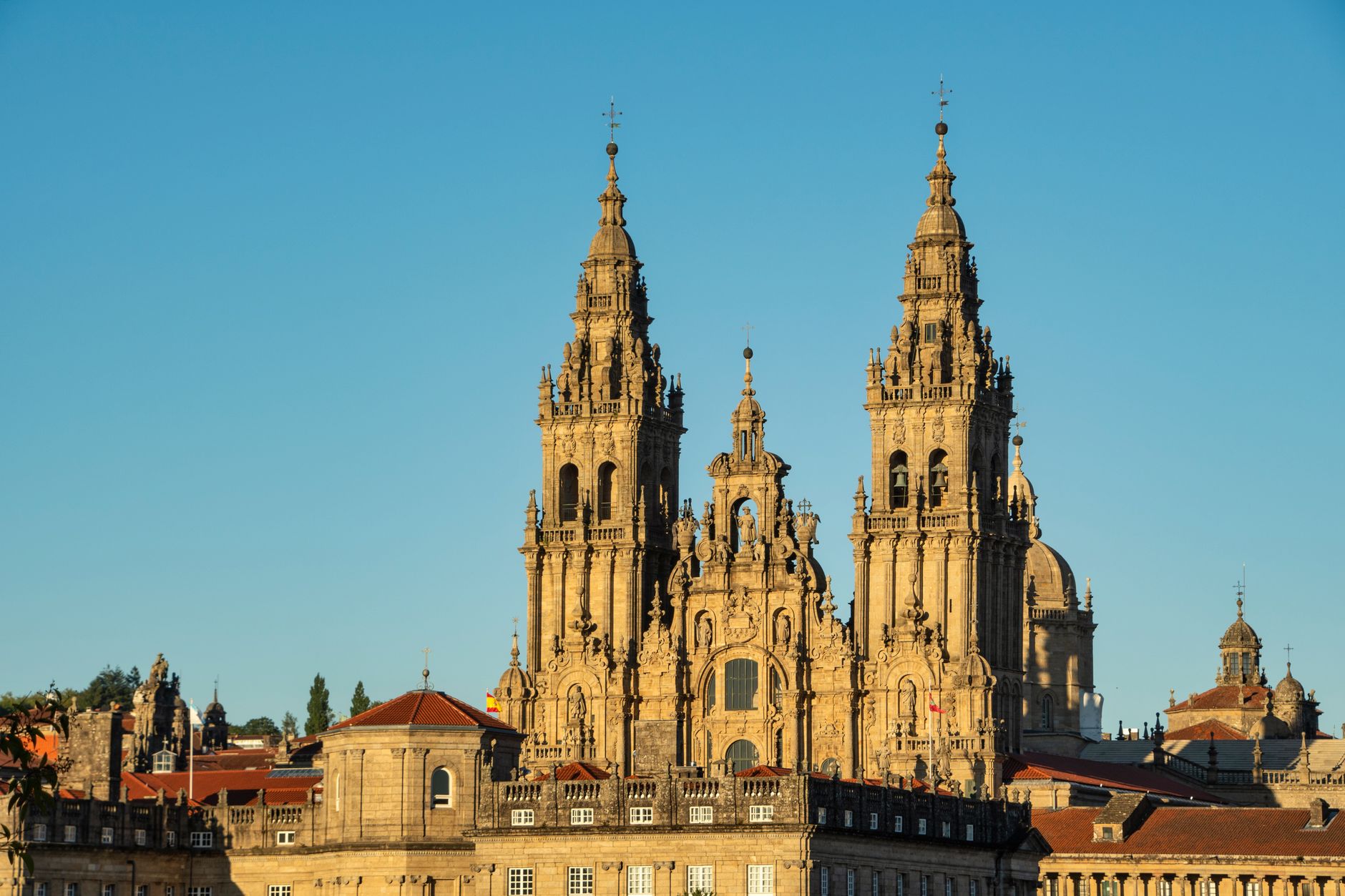

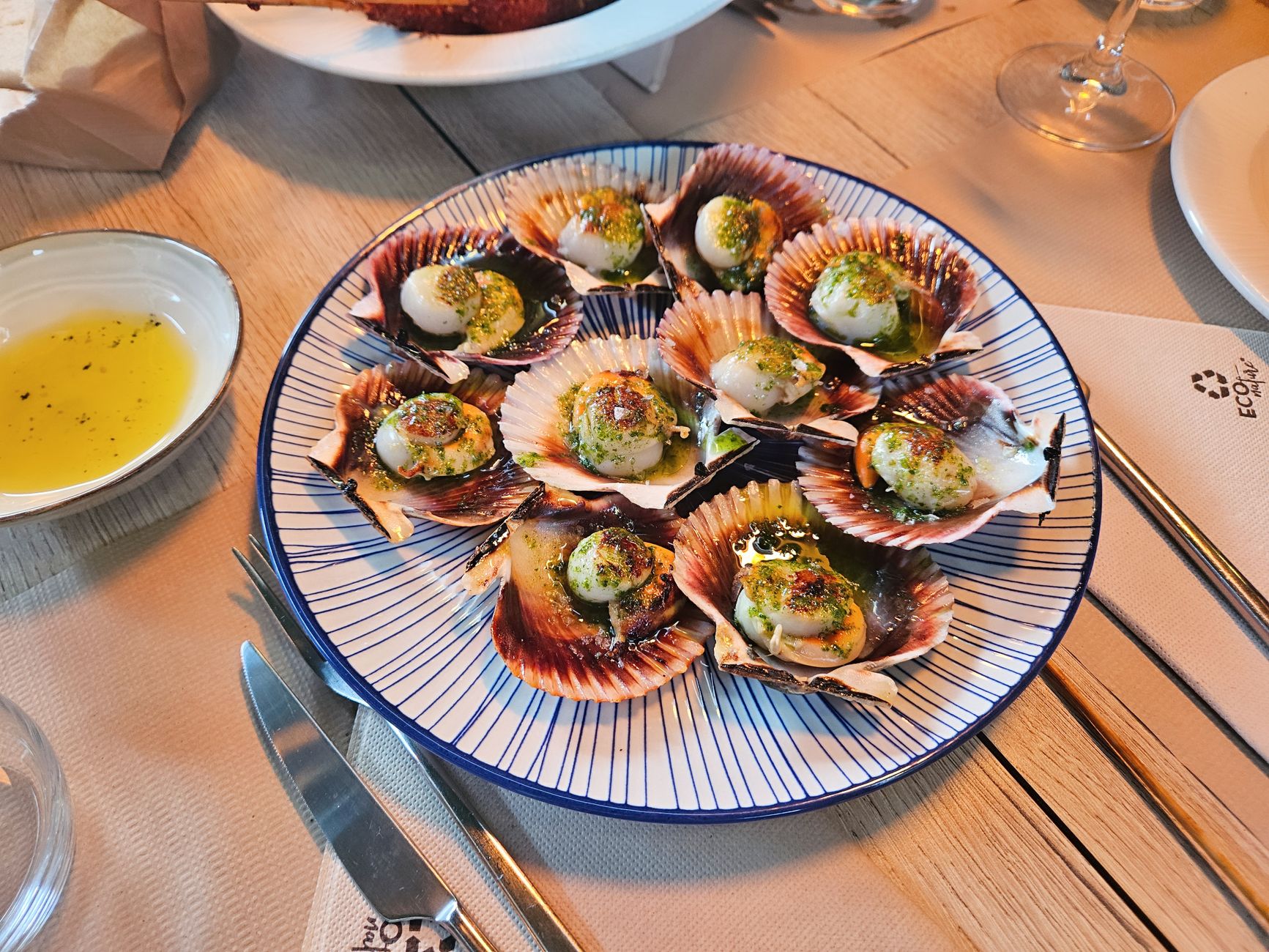
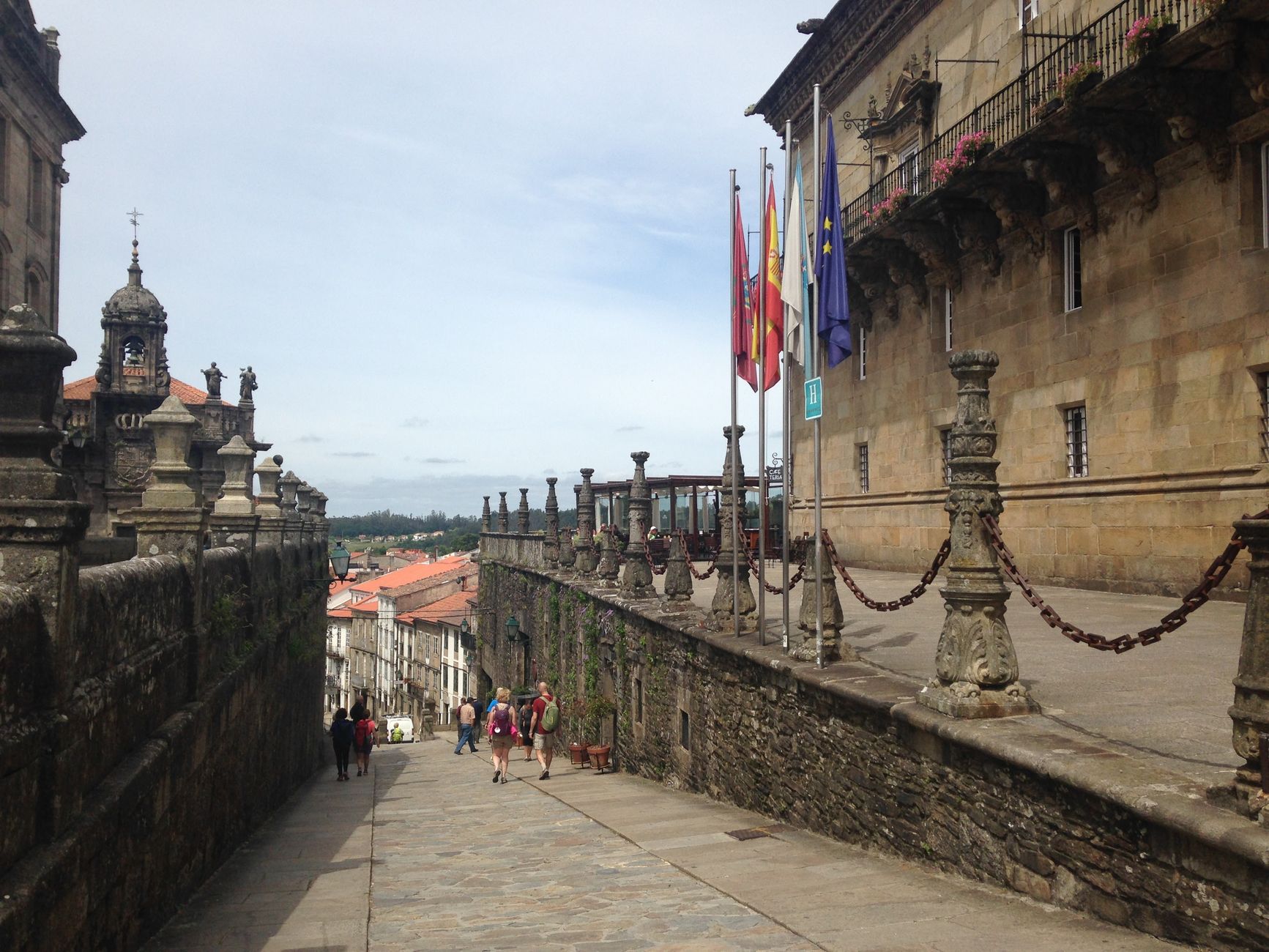
The sound of wet granite under worn boots sets the cadence here long before you reach Praza do Obradoiro. Santiago belongs to pilgrims, university students, and cooks who know precisely what to do with octopus and a heavy copper pot. It rains often, giving the medieval arcades a dark, mirror sheen that suits the place. We come for the cathedral, stay for the cold Ribeiro served in porcelain bowls, and inevitably linger on Rua do Franco until the lights go out.
Last updated 26 Aug 2026
Build a Santiago de Compostela itinerary.
Choose up to 4 threads that pull you in. Your plan arrives organised around them.
The Bed
Where to stay in Santiago de Compostela
Which part of town to book, and what each one costs you in walking, noise or quiet.
The Comparison
Santiago de Compostela, or somewhere near it
The places you are realistically choosing between, and the honest case for each.
The Local Record
Where to read more about Santiago de Compostela
The blogs, boards, guides and operators worth bookmarking.
What to do in Santiago de Compostela Galicia Spain
The rhythm here is dictated by arrivals and appetites. Most mornings converge on Praza do Obradoiro as walkers drop their packs, while evenings belong to the crowded wine counters of Rua do Franco and Rua da Raíña. Santiago is exceptionally compact, best suited to anyone who appreciates medieval stone architecture, long seafood lunches, and the unhurried drama of Galician weather.
24 hours in Santiago de Compostela Galicia Spain
Start by 8:30 at Mercado de Abastos before the crowds arrive. Walk ten minutes across to the cathedral for the midday pilgrims' mass, then take an unhurried octopus lunch on Rua do Vilar. Spend the late afternoon strolling the perimeter of Alameda Park and finish with Albariño and tapas along Rua da Raíña. Select 1 Day above to see it.
2 days in Santiago de Compostela Galicia Spain
Day two belongs to the quieter northern edge. Tour San Martiño Pinario and the contemporary galleries at CGAC in San Domingos de Bonaval. In the afternoon, escape the center for a hearty bowl of caldo gallego and roasted pimientos de Padrón in a neighbourhood tavern in San Pedro, followed by an evening concert in Praza da Quintana. Choose 2 Days to expand the plan.
3 days in Santiago de Compostela Galicia Spain
With three days, head beyond the granite walls. Catch the morning train south to Pontevedra or hire a car for the dramatic coastal drive to Muxía and Cabo Fisterra along the Costa da Morte. Return for barnacles, grilled turbot, and almond cake in one of the quiet stone dining rooms off Praza de Mazarelos.
Santiago de Compostela Galicia Spain itineraries by interest
Local Seafood in Santiago de Compostela Galicia Spain
Order pulpo a feira dusted with smoked paprika, boiled barnacles, and razor clams grilled simply with olive oil at classic taverns along Rua do Franco.
Markets & Produce in Santiago de Compostela Galicia Spain
Wander Mercado de Abastos by nine in the morning for Tetilla cheese, Padrón peppers, freshly landed hake, and stalls that will cook your market haul.
Sacred Architecture in Santiago de Compostela Galicia Spain
Study the twelfth-century Portico da Gloria and Romanesque vaults of the cathedral, booking morning tickets online to bypass the main pilgrim lines.
Wine & Vineyards in Santiago de Compostela Galicia Spain
Sip crisp Albariño from Rías Baixas and mineral-rich Godello poured into traditional white ceramic cuncas beside steaming platters of empanada.
Old Town Walks in Santiago de Compostela Galicia Spain
Stroll rain-slicked arcades along Rua do Vilar and Rua Nova, cutting through Praza da Quintana as the Berenguela clock tower strikes the hour.
Parks & Gardens in Santiago de Compostela Galicia Spain
Take the gentle paths of Alameda Park for the classic postcard view of the cathedral towers framed by oak groves and eucalyptus trees.
Monastic Heritage in Santiago de Compostela Galicia Spain
Visit the sprawling monastery of San Martiño Pinario to view its gilded baroque altarpiece and quiet courtyards tucked just behind the cathedral.
Contemporary Art in Santiago de Compostela Galicia Spain
Explore Álvaro Siza's striking granite building at CGAC, housing contemporary Galician and international exhibitions next to San Domingos de Bonaval.
Historic Lodging in Santiago de Compostela Galicia Spain
Stop inside the Hostal dos Reis Católicos on Praza do Obradoiro, founded in 1499 as a royal pilgrim hospital and now a grand state-run parador.
Day Trips in Santiago de Compostela Galicia Spain
Ride the local bus forty minutes west to Noia or drive out to Cabo Fisterra, where coastal cliffs meet the rough Atlantic at the edge of the world.
Tapas & Taverns in Santiago de Compostela Galicia Spain
Bar-hop along Rua da Raíña for gratis tapas of tortilla and caldo gallego served promptly with every pour of draft Estrella Galicia.
Pastry & Sweets in Santiago de Compostela Galicia Spain
Pick up a traditional Tarta de Santiago made of ground almonds, sugar, and eggs, dusted with powdered sugar displaying the cross of Saint James.