


Atlantic rollers break against the sixteenth-century granite battlements of Monterreal, throwing salt spray across the pine woods of the headland. In 1493, the caravel Pinta limped into this deep harbour bearing news of the New World, but modern life here moves at the unhurried tempo of the fish market. Cobbled lanes in the old quarter shelter taverns serving goose barnacles and brisk Albariño, while the fishing fleet unloads its catch along the quay beneath the watchtowers.
Last updated 26 Aug 2026
Build a Baiona itinerary.
Choose up to 4 threads that pull you in. Your plan arrives organised around them.
The Bed
Where to stay in Baiona
Which part of town to book, and what each one costs you in walking, noise or quiet.
The Comparison
Baiona, or somewhere near it
The places you are realistically choosing between, and the honest case for each.
The Local Record
Where to read more about Baiona
The blogs, boards, guides and operators worth bookmarking.
What to do in Baiona Galicia Spain
Life in Baiona hugs the harbour curve beneath the vast Monterreal Fortress. Mornings belong to quiet strolls along the seaside paseo and the arrival of the fishing fleet, while afternoons drift into leisurely seafood lunches across the granite taverns of Rúa Ventura Misa. It is an unhurried coastal town built for walkers, seafood lovers, and anyone who appreciates raw Atlantic scenery paired with solid Galician hospitality.
24 hours in Baiona Galicia Spain
Walk the granite perimeter of Monterreal Fortress in the morning, followed by a look at the replica caravel Pinta at the harbour. For lunch, order razor clams and Albariño on Rúa Lorenzo de la Roca. Spend your evening strolling Praia da Ribeira before tapas in the old quarter. Select 1 Day above to see it.
2 days in Baiona Galicia Spain
A second day lets you climb up to the granite monument of Virxe da Rocha for sweeping bay views before crossing the medieval bridge at A Ramallosa. Reward the afternoon walk with a long lunch of steamed spider crab and local Ribeiro wine in the nearby village of Sabarís. Choose 2 Days to expand the plan.
3 days in Baiona Galicia Spain
Three days allows a morning boat trip to the pristine hiking trails of the Cíes Islands, part of the Atlantic Islands National Park. Return for a relaxed afternoon exploring the inland vineyards of O Rosal or walking the coastal Camino path toward Cabo Silleiro.
Baiona Galicia Spain itineraries by interest
Local Seafood in Baiona Galicia Spain
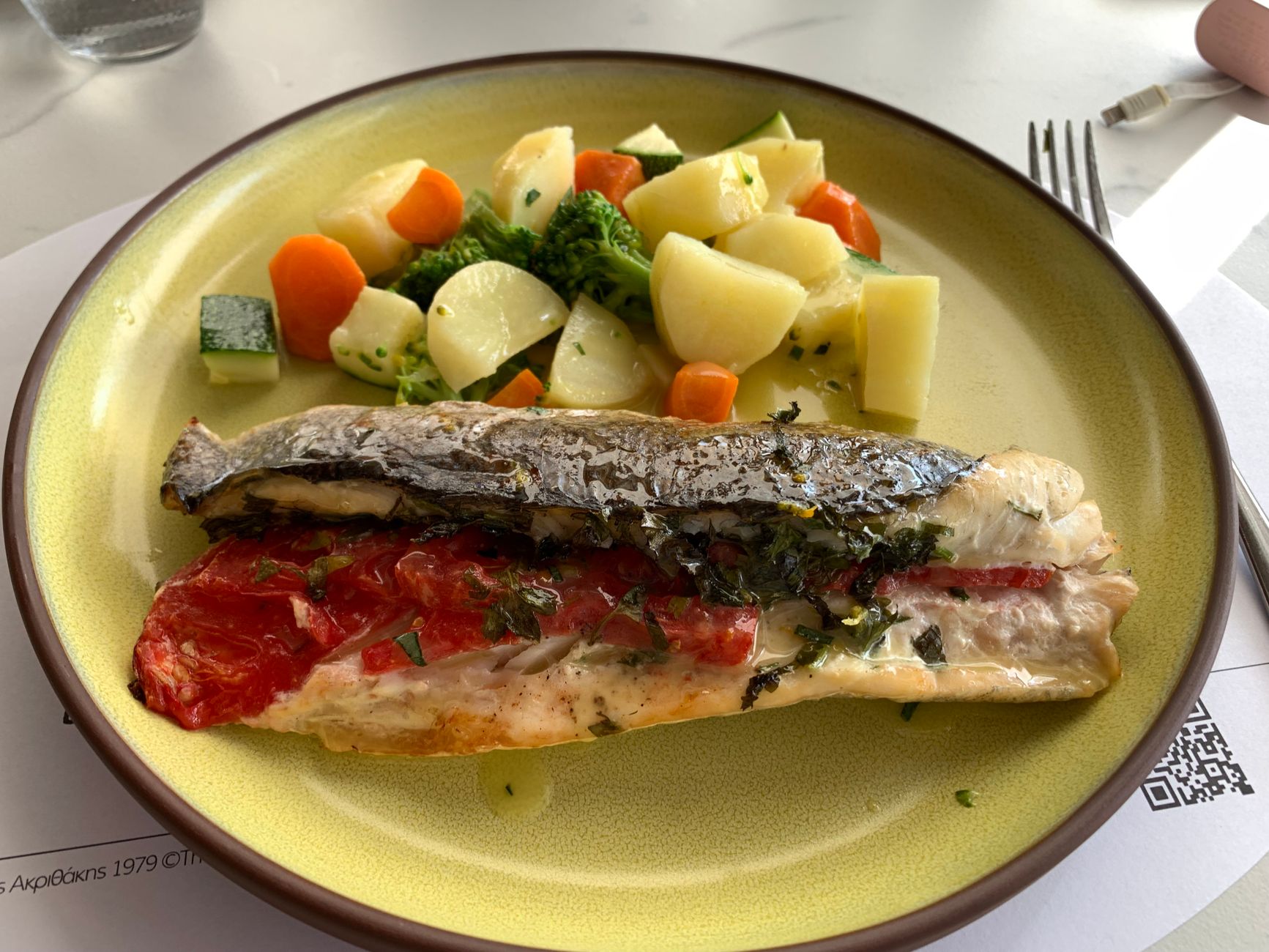
Crack open steaming percebes, order griddled zamburiñas, and watch the day's catch of hake and turbot arrive at the Lonja near Porto Pesqueiro.
Coastal Walks in Baiona Galicia Spain
Follow the three-kilometre stone rampart path around the Monterreal peninsula, with Atlantic views out toward the Cíes Islands in the bay.
Maritime History in Baiona Galicia Spain
Board the full-scale replica of the caravel Pinta moored at the quay to see where Columbus's crew first announced their return in 1493.
Wine & Vineyards in Baiona Galicia Spain
Sample crisp, saline Albariño from the surrounding O Rosal sub-region, poured cold in simple tumblers alongside boiled octopus.
Historic Architecture in Baiona Galicia Spain
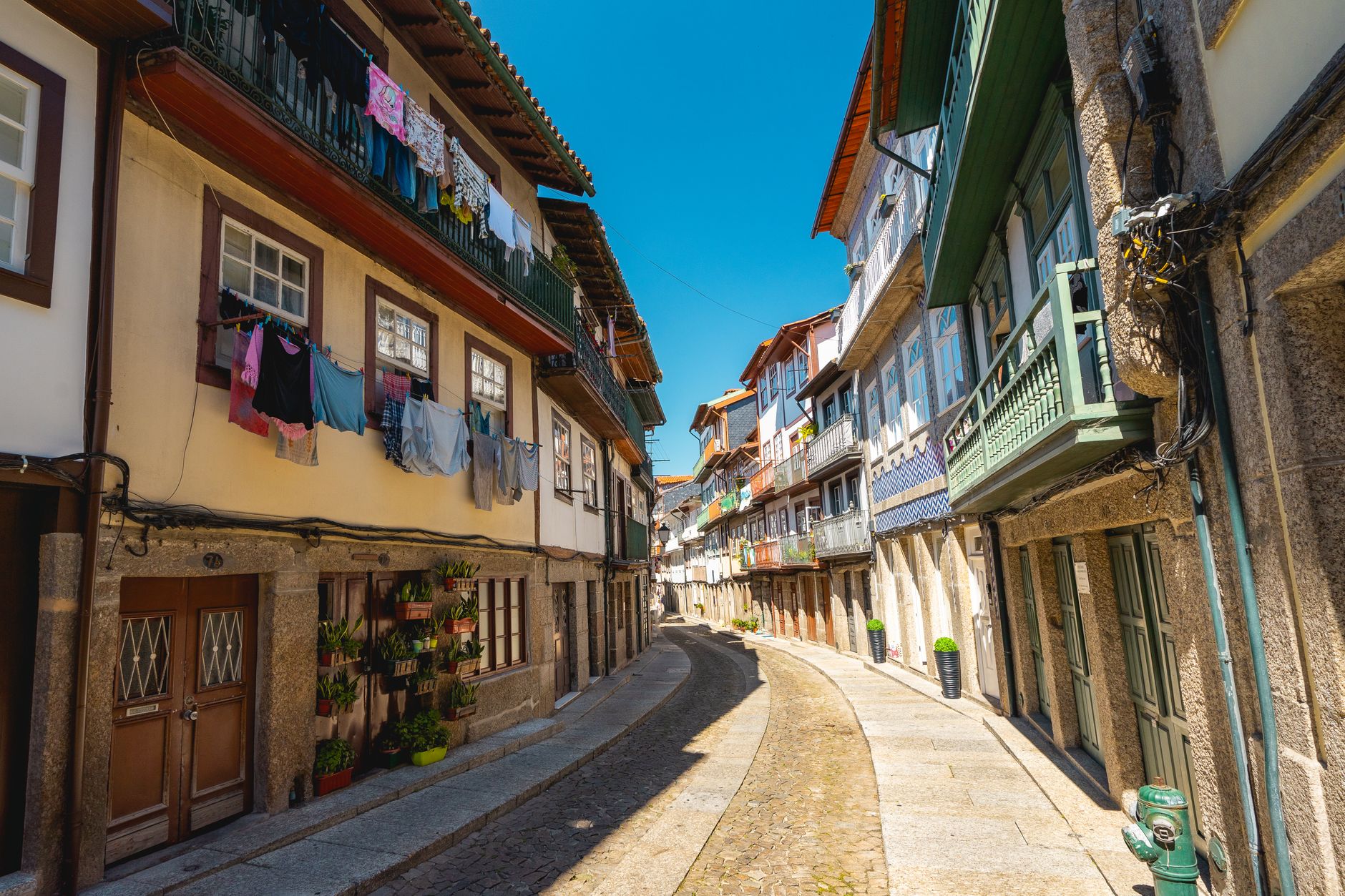
Wander the arcaded granite alleys of Rúa Ventura Misa to the thirteenth-century Collegiate Church of Santa María, built in Romanesque style.
Day Trips in Baiona Galicia Spain
Catch the seasonal morning passenger ferry across the bay to the protected white sand beaches and granite trails of the Cíes Islands.
Markets & Produce in Baiona Galicia Spain
Browse the Mercado de Abastos on Rúa Carretas for fresh Padrón peppers, Tetilla cheese, and spider crabs straight from local waters.
Beaches in Baiona Galicia Spain
Swim in the calm, sheltered cove of Praia da Ribeira beneath the fortress walls, or head south to Praia de Ladeira for sweeping dunes.
Coastal Foraging in Baiona Galicia Spain
Learn how local mariscadoras work the low tide flats at the mouth of the Miñor estuary to harvest clams and cockles by hand.
Hiking in Baiona Galicia Spain
Climb through eucalyptus and pine to the monumental Virgin of the Rock statue for panoramic vistas over the whole Val Miñor.
Pilgrimage Routes in Baiona Galicia Spain
Walk the coastal section of the Portuguese Camino de Santiago as it threads past the Romanesque bridge of A Ramallosa into town.
Tavern Culture in Baiona Galicia Spain
Stand at high wooden barrels along Rúa do Relox for pimientos de Padrón, Galician empanada, and crisp Ribeiro wine served in ceramic cuncas.