

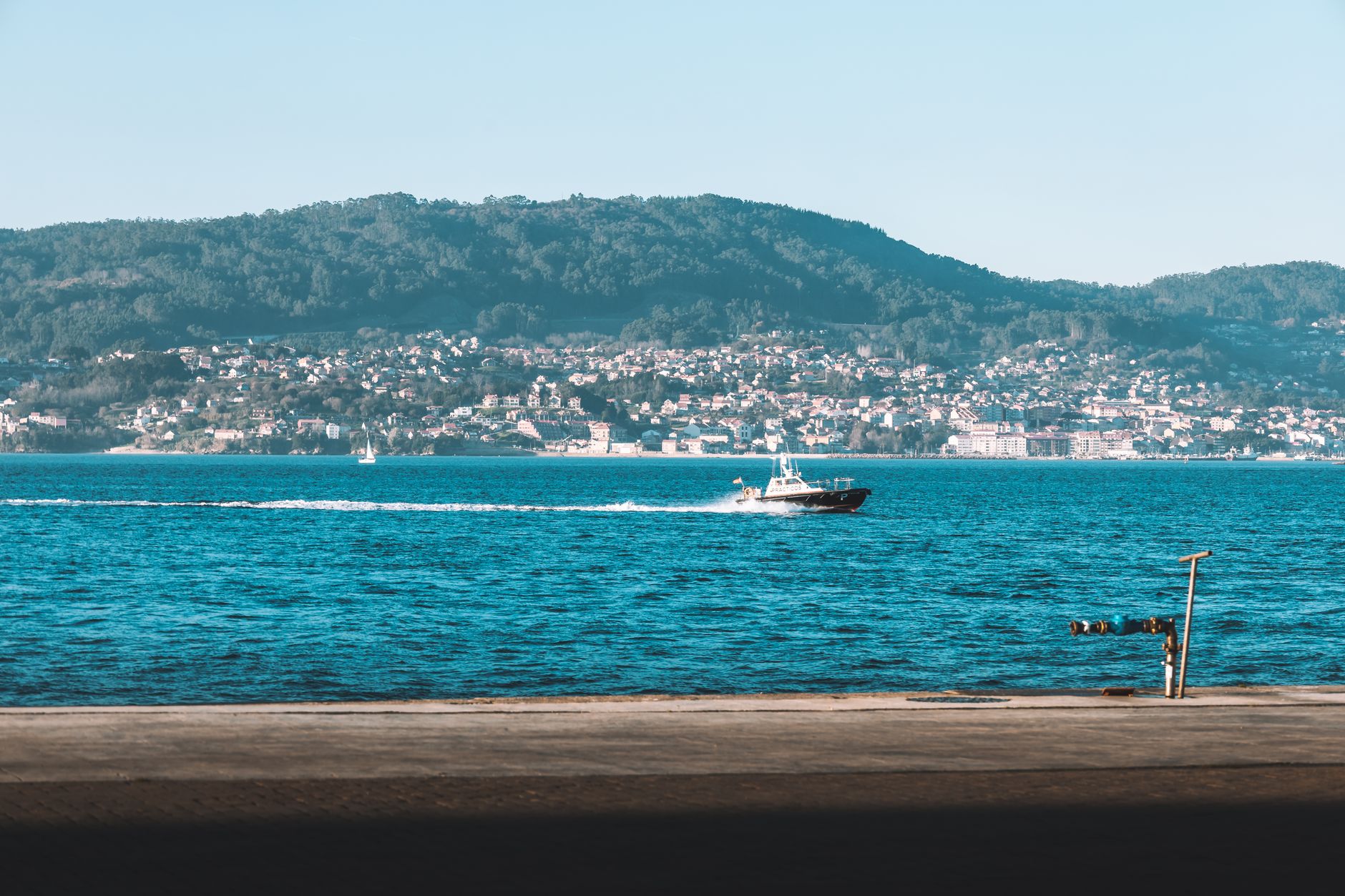


Granite stairs climb sharply from the working docks of the Ría de Vigo, where steel trawlers unload hake before dawn. This is not a manicured resort; it is a serious maritime city built on steep hills, canning history, and plates of briny oysters shucked live on Rúa Pescadería. Take the public escalators up through the Casco Vello, order a cold pazo wine, and watch the Atlantic fog roll across the bay.
Last updated 31 Aug 2026
Build a Vigo itinerary.
Choose up to 4 threads that pull you in. Your plan arrives organised around them.
The Bed
Where to stay in Vigo
Which part of town to book, and what each one costs you in walking, noise or quiet.
The Comparison
Vigo, or somewhere near it
The places you are realistically choosing between, and the honest case for each.
The Local Record
Where to read more about Vigo
The blogs, boards, guides and operators worth bookmarking.
What to do in Vigo Galicia Spain
Vigo runs on Atlantic tides, ship engine hums, and the rhythm of the fish market. Life centres around the sloping Casco Vello and the busy port, where days begin with café con leche on Praza da Constitución and end over shared platters of percebes and grilled squid. It suits walkers who appreciate honest working harbours, serious seafood, and easy access to national park islands without tourist sheen.
24 hours in Vigo Galicia Spain
Start the morning slurping oysters from street stalls along Rúa Pescadería before walking up to Monte do Castro for wide bay views. Spend the afternoon wandering the stone alleys of Casco Vello, stopping for canned sardine tapas and Ribeiro wine. Finish with a late dinner of hake in green sauce around Praza da Pedra. Select 1 Day above to see it.
2 days in Vigo Galicia Spain
Day two belongs to the waterfront neighbourhood of Bouzas. Walk its sleepy seaside promenade, inspect the granite houses, and stop at a tavern for octopus cooked in copper pots. In the afternoon, head down to Praia de Samil for Atlantic air and sunset views across the water before an evening of crisp Albariño in town. Choose 2 Days to expand the plan.
3 days in Vigo Galicia Spain
Three days allow a ferry ride out to the Cíes Islands. Book your park permit in advance, pack sturdy shoes for the lighthouse climb, and take in the silence of Praia de Rodas. Return in the evening for market-fresh monkfish and roasted Galician peppers, satisfied after a proper island walk without checking your watch.
Vigo Galicia Spain itineraries by interest
Local Seafood in Vigo Galicia Spain
Slurp live flat oysters shucked to order on Rúa Pescadería, boiled octopus sprinkled with smoked paprika, and steamed mussels fresh from bay wooden rafts.
Maritime Heritage in Vigo Galicia Spain
Explore the Museo do Mar in Alcabre, trace centuries of shipbuilding, and watch deep-sea fishing trawlers dock at the bustling Port of O Berbés.
Island Day Trips in Vigo Galicia Spain
Board the 45-minute ferry to the car-free Cíes Islands to hike Monte Faro and walk the white sand curve of Praia de Rodas inside the national park.
Old Town in Vigo Galicia Spain
Wander the sloping granite alleys of Casco Vello down to Praza da Constitución, stopping for draft Estrella Galicia and fried pimientos de Padrón.
Coastal Walks in Vigo Galicia Spain
Follow the Senda Litoral along the coast, linking the urban sands of Praia de Samil with quiet granite coves overlooking the bay and mussel platforms.
Wine & Vineyards in Vigo Galicia Spain
Sip saline, high-acid Albariño from the nearby Rías Baixas subzones paired with grilled razor clams and barnacles in traditional tabernas.
City Views in Vigo Galicia Spain
Climb through eucalyptus trees to the seventeenth-century Monte do Castro fortress for sweeping panoramas of the bay, shipping cranes, and islands.
Markets & Produce in Vigo Galicia Spain
Browse the morning catch at Mercado do Progreso, where fishmongers display whole turbot, hake cheeks, velvet crabs, and regional Tetilla cheeses.
Contemporary Art in Vigo Galicia Spain
Visit MARCO inside a converted nineteenth-century prison on Rúa do Príncipe for rotating modern exhibits and thought-provoking Galician installations.
Beaches in Vigo Galicia Spain
Spend a sunny afternoon on Praia de Samil with its pine-shaded promenade, salt-water pools, and direct views across the Atlantic toward the Cíes.
Urban Walking in Vigo Galicia Spain
Ride the city outdoor escalators and Halo lift between the high-speed train station and lower shopping avenues of Rúa de Urzáiz and García Barbón.
Local Taverns in Vigo Galicia Spain
Stand at high wooden barrels in Bouzas or Casco Vello for small pours of Ribeiro wine served in traditional white ceramic cuncas alongside empanada.