

Gulls circle low over the diesel exhaust of trawlers tying up along the Rúa Porto Meloxo. Connected to the mainland by a sandy isthmus, this rugged peninsula exists entirely to harvest the Atlantic. You come here to eat what came out of the water three hours ago: spider crab cracked with wooden mallets, steamed mussels from the grid of wooden rafts offshore, and crisp Albariño poured with generous indifference.
Last updated 26 Aug 2026
Build a O Grove itinerary.
Choose up to 4 threads that pull you in. Your plan arrives organised around them.
The Bed
Where to stay in O Grove
Which part of town to book, and what each one costs you in walking, noise or quiet.
Places to stay
Central, well-rated and easy to find again. Distances are from the middle of town.
These links go to Booking.com and earn us a commission. They cost you nothing extra.
The Comparison
O Grove, or somewhere near it
The places you are realistically choosing between, and the honest case for each.
The Local Record
Where to read more about O Grove
The blogs, boards, guides and operators worth bookmarking.
What to do in O Grove Galicia Spain
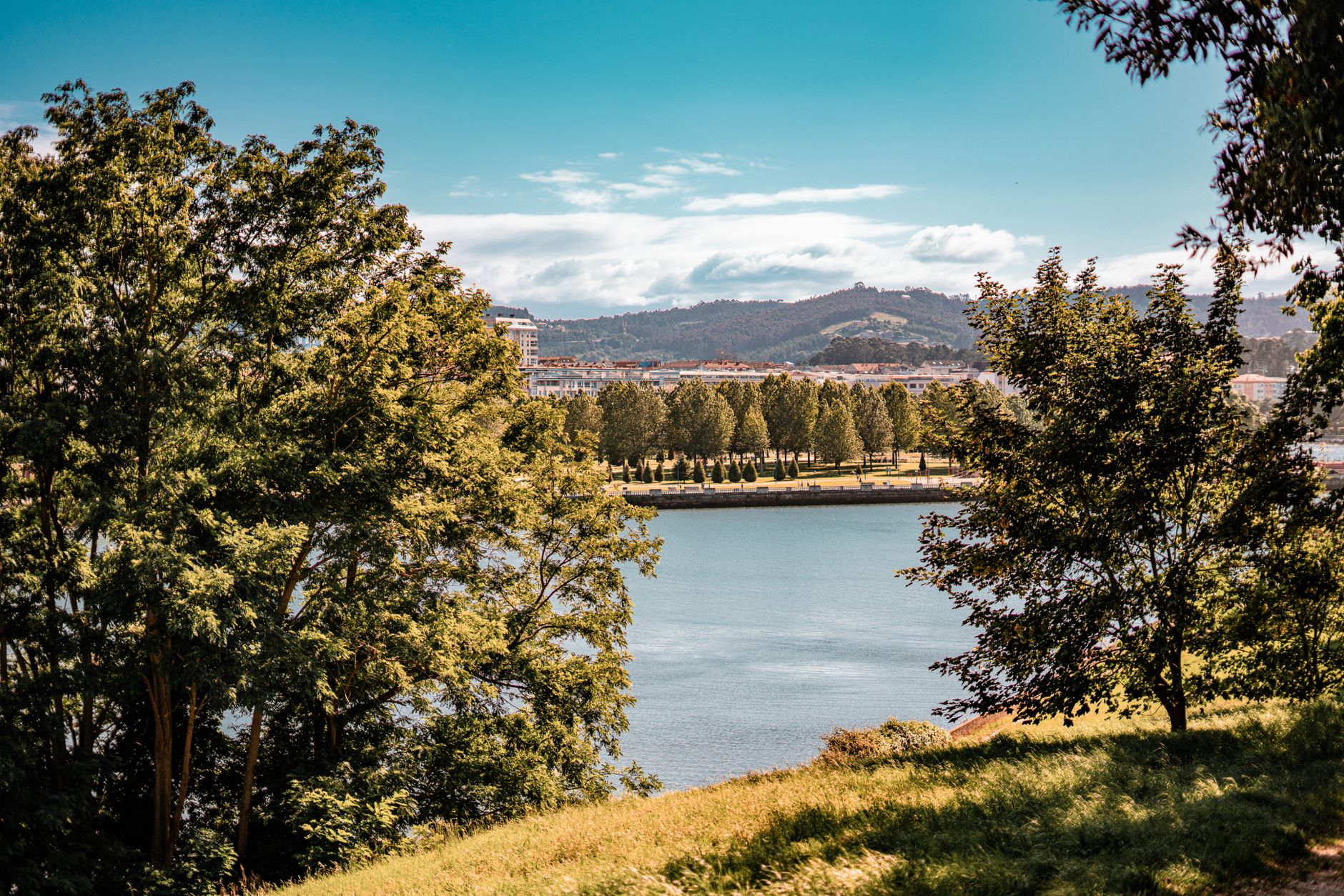
O Grove is a working maritime town anchored to the mouth of the Ría de Arousa. The rhythm here belongs to the tide and the fishing fleet rather than a resort schedule. Days unfold between morning walks along the quayside, late lunches of boiled crustacean platters, and bracing coastal hikes around San Vicente do Mar. It suits travellers who prefer the smell of salt and diesel over manicured promenades.
24 hours in O Grove Galicia Spain
Start early at the harbour to watch the day's catch land before crossing to A Toxa for a quiet morning walk. Lunch on steamed mussels and empanada near the port, then spend the afternoon walking the Pedras Negras coastal boardwalk before dinner at a rustic taberna. Select 1 Day above to see it.
2 days in O Grove Galicia Spain
A second day lets you climb Monte Siradella for panoramic views of the sandspit, then head south to the wild surf of Praia da Lanzada. Dedicate the evening to an unhurried shellfish feast in Porto Meloxo, pairing barnacles with cold local Albariño. Choose 2 Days to expand the plan.
3 days in O Grove Galicia Spain
With three days, venture across the water by boat to the mussel platforms or explore the nearby wine estates of Cambados. Spend a slow afternoon birdwatching along the sheltered Umia-O Grove salt marshes before one final sunset walk along the granite coast.
O Grove Galicia Spain itineraries by interest
Local Seafood in O Grove Galicia Spain
Crack boiled centola spider crab and peel goose barnacles with your fingers at dockside taverns along Rúa do Porto while the fleet unloads.
Coastal Walks in O Grove Galicia Spain
Follow the wooden boardwalk around Pedras Negras in San Vicente, where granite boulders meet the pounding Atlantic surf along two easy miles.
Maritime Heritage in O Grove Galicia Spain
Inspect wooden boat restoration at the carpintería de ribeira yards and watch mussel flatboats haul ropes from the floating timber rafts.
Wine & Vineyards in O Grove Galicia Spain
Drink cold, saline Albariño from the surrounding Val do Salnés subzone, served in plain ceramic bowls alongside platters of grilled razor clams.
Fish Markets in O Grove Galicia Spain
Walk the Lonxa early in the morning to see live velvet crabs and turbot auctioned in rapid-fire Galician before reaching local tavern kitchens.
Scenic Islands in O Grove Galicia Spain
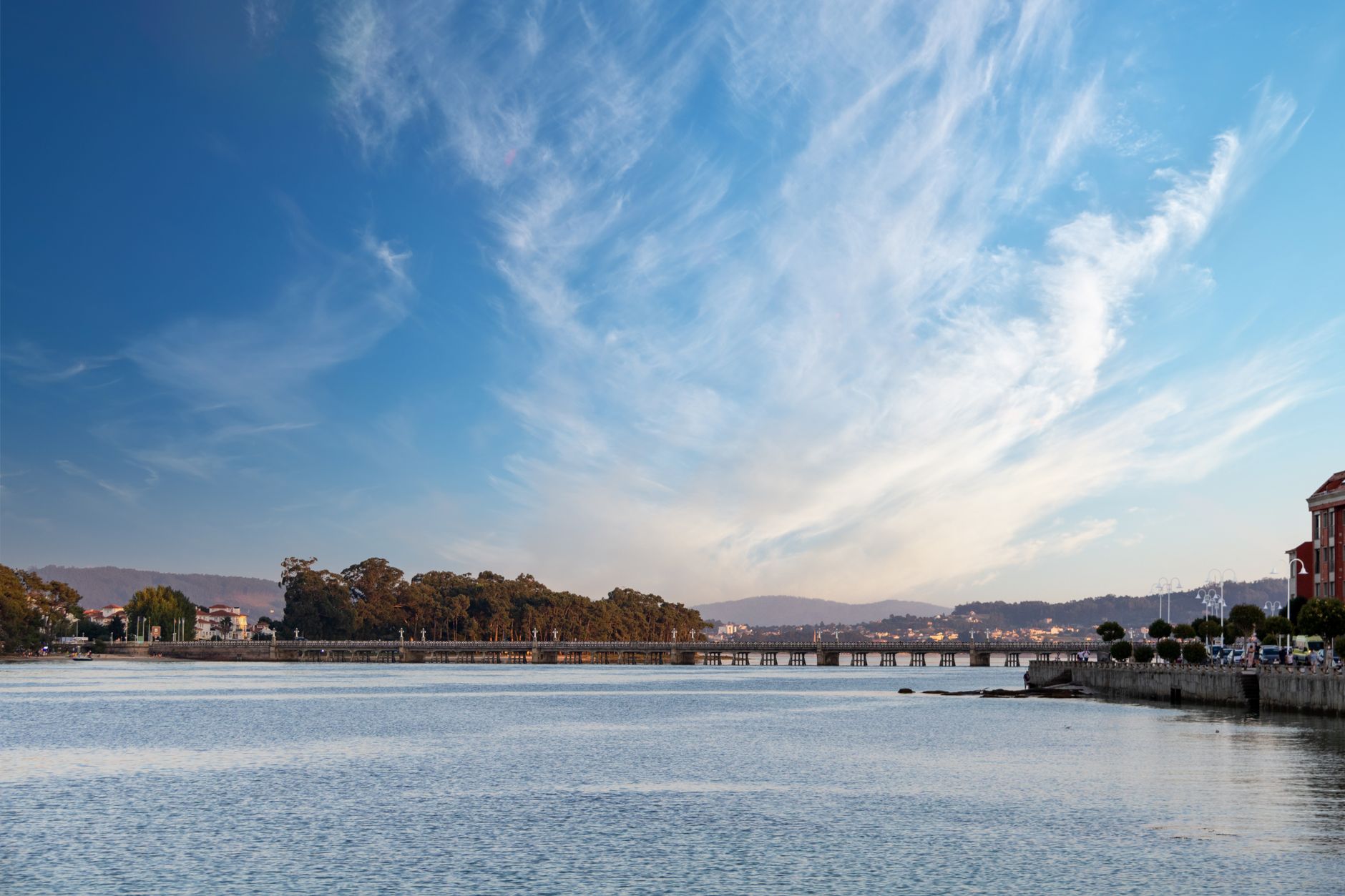
Cross the historic bridge to A Toxa to wander pine groves, view the shell-covered chapel, and walk tranquil paths away from the working harbour.
Local Beaches in O Grove Galicia Spain
Head to Praia da Lanzada for two miles of windblown sand and ocean rollers, or shelter in the quiet granite coves of Area Grande.
Thermal Springs in O Grove Galicia Spain
Sample the historic mineral waters and quiet salt air of A Toxa island, where century-old bathhouses sit amid Atlantic maritime pines.
Birdwatching in O Grove Galicia Spain
Scan the mudflats of the Umia-O Grove intertidal complex, a protected wetland hosting thousands of migrating waders and herons each winter.
Scenic Viewpoints in O Grove Galicia Spain
Climb the granite summit of Monte Siradella for sweeping views across the entire ría, the mussel bateas, and the open Atlantic coastline.
Traditional Crafts in O Grove Galicia Spain
Seek out local net-menders working by hand along the quayside and explore traditional timber boatbuilding workshops near Porto Meloxo.
Boat Excursions in O Grove Galicia Spain
Board a catamaran into the Ría de Arousa to pull up mussel ropes and eat fresh bivalves steamed on deck with a glass of crisp white wine.