

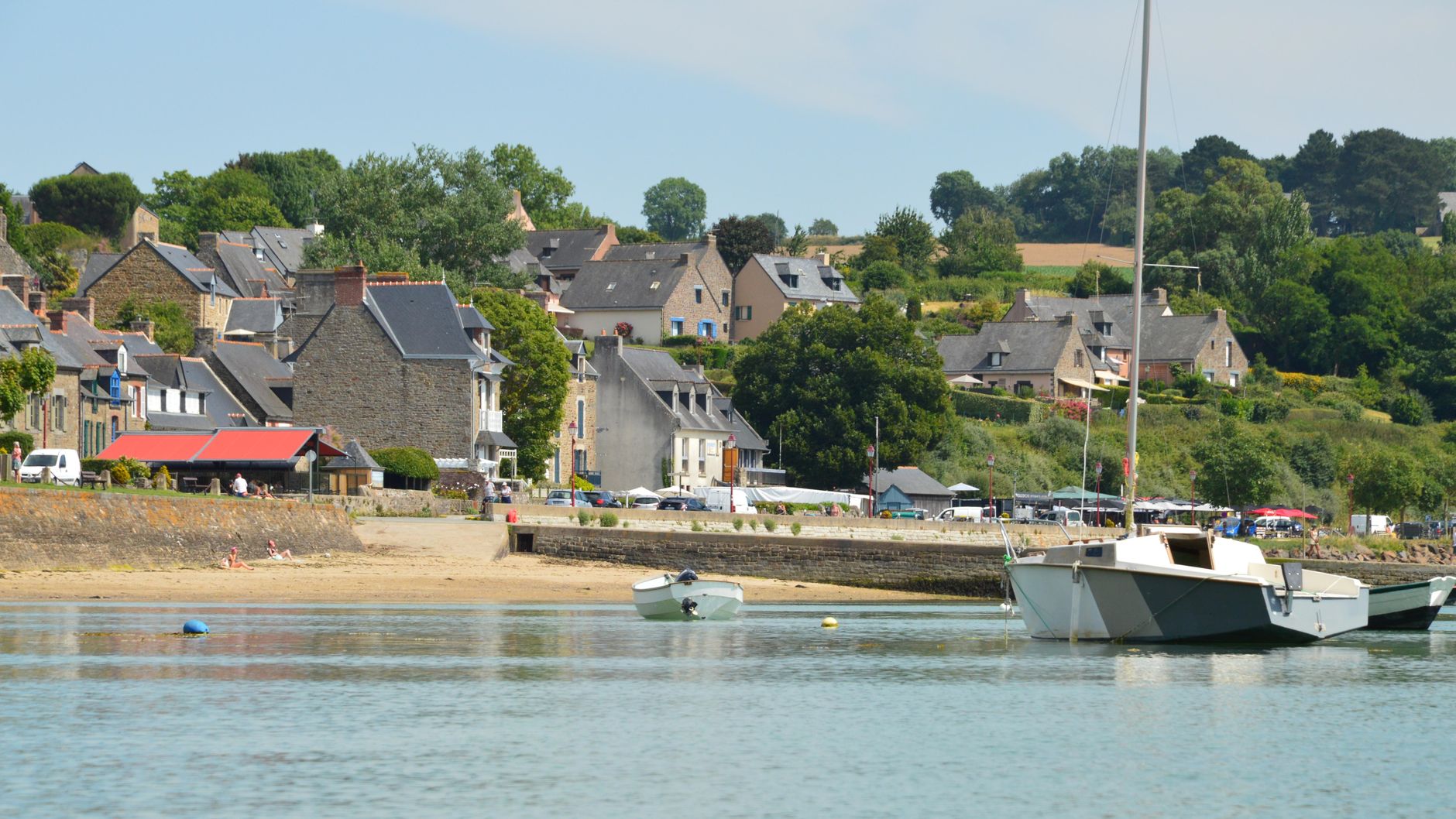
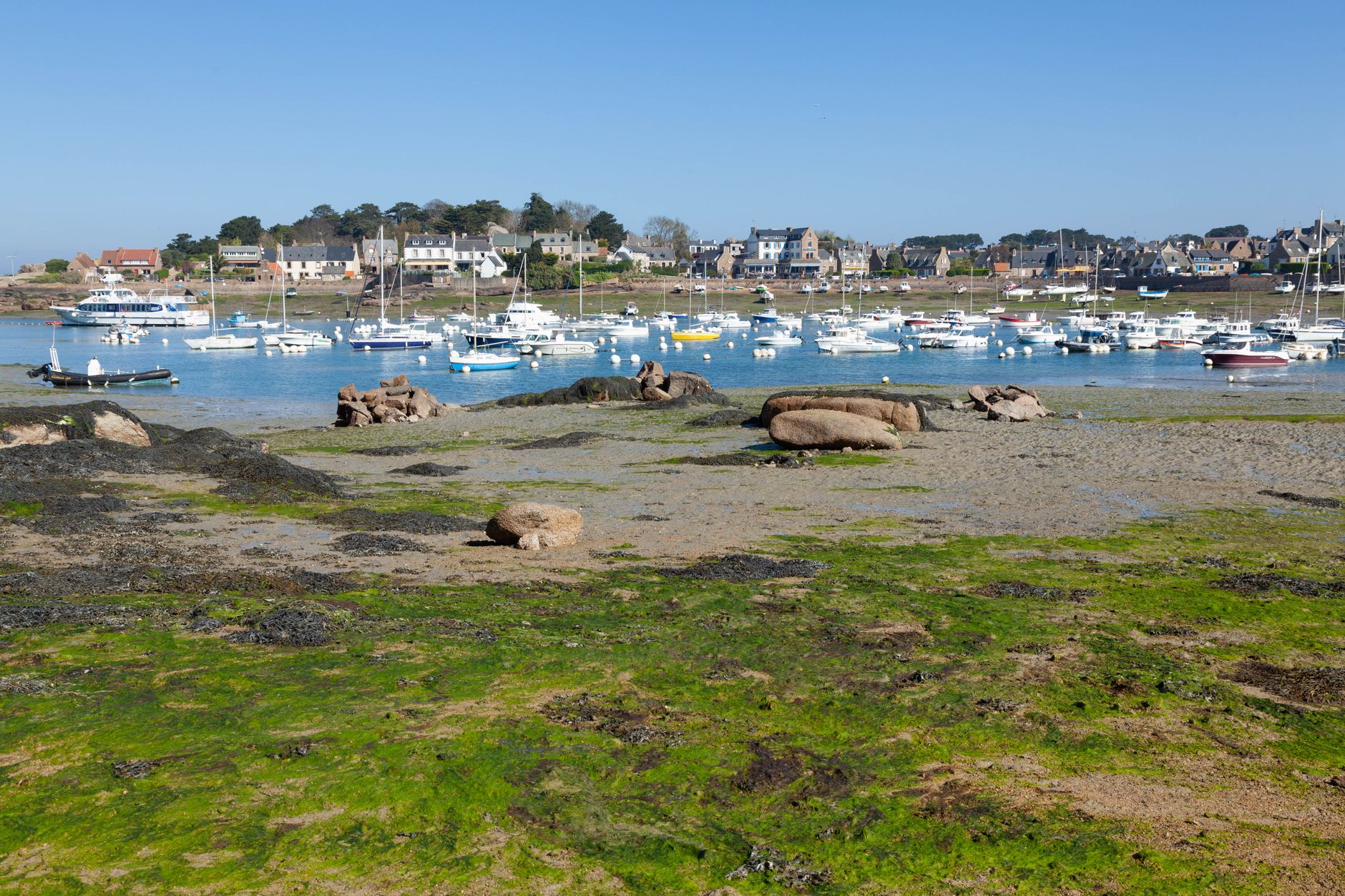

Tide lines recede across the Ría de Arousa, leaving tractor ruts and shellfish gatherers in knee-high rubber boots working the mud. Inland, granite reigns supreme: massive seventeenth-century pazos flank Praza de Fefiñáns, where Albariño flows cold from cellar doors. The town splits neatly between aristocratic stone squares and the salty tangle of the Santo Tomé fishing quarter, untroubled by self-importance.
Last updated 31 Aug 2026
Build a Cambados itinerary.
Choose up to 4 threads that pull you in. Your plan arrives organised around them.
The Bed
Where to stay in Cambados
Which part of town to book, and what each one costs you in walking, noise or quiet.
The Comparison
Cambados, or somewhere near it
The places you are realistically choosing between, and the honest case for each.
The Local Record
Where to read more about Cambados
The blogs, boards, guides and operators worth bookmarking.
What to do in Cambados Galicia Spain
Cambados revolves around two great Galician fixtures: the granite manor and the grape. Days here naturally follow the tide and the lunch service, wandering between the grand Praza de Fefiñáns and the fishermen's quarter of Santo Tomé. It suits travellers who appreciate unvarnished maritime life, crisp white wine, and slow evening strolls past stone arches without having to dodge tour buses.
24 hours in Cambados Galicia Spain
Spend your morning among the roofless arches of Santa Mariña Dozo, then head to Praza de Fefiñáns for a glass of Albariño. Cross town to Santo Tomé for lunch—clams in garlic and a plate of grilled sardines. Finish with an evening walk out across the stone causeway to Torre de San Sadurniño. Select 1 Day above to see it.
2 days in Cambados Galicia Spain
A second day lets you explore the wider O Salnés wine valley. Tour family vineyards in neighboring Ribadumia, stop for empanada in a country tavern, then return to Cambados to inspect the morning catch at Praza de Abastos before dinner at an unassuming seafront taberna. Choose 2 Days to expand the plan.
3 days in Cambados Galicia Spain
With three days, cross the bridge to Illa de Arousa to walk the sandy perimeter of Parque Natural de Carreirón. Alternatively, ride a boat across the ría to inspect the wooden mussel platforms up close before finishing with steamed barnacles and cold Albariño back in town.
Cambados Galicia Spain itineraries by interest
Wine & Vineyards in Cambados Galicia Spain
Taste Albariño directly from granite cellar doors like Pazo de Fefiñáns or family bodegas throughout the surrounding O Salnés valley.
Local Seafood in Cambados Galicia Spain
Order steamed mejillones from the ría, sweet zamburiñas, and boiled pulpo dusted with pimentón in the rustic taverns of Santo Tomé.
Historic Architecture in Cambados Galicia Spain
Admire the sprawling seventeenth-century Pazo de Fefiñáns and the defensive Torre de San Sadurniño guarding the muddy inlet.
Sacred Ruins in Cambados Galicia Spain
Walk up past cypress trees to the fifteenth-century Gothic ruins of Santa Mariña Dozo, open to the Galician sky and home to an old cemetery.
Coastal Walks in Cambados Galicia Spain
Stroll the coastal promenade from the docks out to the tidal island of A Figueira, watching mariscadoras work the shallows at low tide.
Markets & Produce in Cambados Galicia Spain
Visit Praza de Abastos early to see sea bass, percebes, and spider crabs landed directly from the morning boats across the bay.
Maritime Heritage in Cambados Galicia Spain
Explore the low-slung stone fishermen cottages of Santo Tomé and the tide mill at Muiño de Mareas da Seca built in the 1600s.
Viewpoints in Cambados Galicia Spain
Climb the gentle slope of Miradoiro da Pastora through pine trees for a wide vista across the O Salnés valley and the mussel platforms.
Day Trips in Cambados Galicia Spain
Drive fifteen minutes across the bridge to Illa de Arousa for pine-backed sandy coves and pristine walking tracks in Carreirón.
Local Festivals in Cambados Galicia Spain
Arrive in early August when vintners pour Albariño from wooden booths across Praza de Fefiñáns for the town's legendary harvest week.
Traditional Dining in Cambados Galicia Spain
Pull up a wooden stool at a traditional furancho or taberna for empanada de zamburiñas and local Ribeiro served in white ceramic cups.
Town Squares in Cambados Galicia Spain
Sit outside with a morning coffee on Praza de Alfredo Brañas under the shade of plane trees as the town slowly begins its daily routine.