
Wind off the Atlantic hits the granite harbour first, rattling the rigging of blue wooden trawlers before it reaches the taverns on Rúa Real. The Romans called this promontory the end of the earth, and arriving on foot after days through Galician eucalyptus leaves you inclined to agree with them. Down at the fish exchange, boxes of goose barnacles and spider crab slide across wet concrete. You come here to walk the cape, eat whatever arrived in port an hour ago, and watch the sun vanish into three thousand miles of open water.
Last updated 31 Aug 2026
Build a Fisterra itinerary.
Choose up to 4 threads that pull you in. Your plan arrives organised around them.
The Bed
Where to stay in Fisterra
Which part of town to book, and what each one costs you in walking, noise or quiet.
Places to stay
Central, well-rated and easy to find again. Distances are from the middle of town.
These links go to Booking.com and earn us a commission. They cost you nothing extra.
The Comparison
Fisterra, or somewhere near it
The places you are realistically choosing between, and the honest case for each.
The Local Record
Where to read more about Fisterra
The blogs, boards, guides and operators worth bookmarking.
What to do in Fisterra Galicia Spain
Life here curves around a working harbour beneath steep hills. Days divide neatly between the working docks, the walk out to the rocky headland, and late lunches of barnacles and grilled hake. It suits walkers completing their journey, seafood purists, and anyone who prefers brisk sea breezes and salty village life over polished resort amenities.
24 hours in Fisterra Galicia Spain
Morning belongs to the calm arc of Praia de Langosteira. Walk the port before lunching on razor clams at Rúa Real. Spend late afternoon climbing the three kilometres to Cabo Fisterra, watching the Atlantic sunset from the rocks before walking down for evening Albariño. Select 1 Day above to see it.
2 days in Fisterra Galicia Spain
A second day lets you explore the Romanesque carving at Santa María das Areas and watch the loud afternoon auction at the Lonxa. Cross the ridge to the exposed sands of Praia do Mar de Fóra, then book a table for spider crab and steamed mussels in Corcubión. Choose 2 Days to expand the plan.
3 days in Fisterra Galicia Spain
Take a slow drive north to watch the Xallas River plunge into the ocean at Ézaro waterfall, or inspect the immense eighteenth-century granary at Carnota. Return to Fisterra to sit by the harbour with a ceramic bowl of Ribeiro wine as the fishing boats return.
Fisterra Galicia Spain itineraries by interest
Local Seafood in Fisterra Galicia Spain
Crack steamed percebes straight from the Atlantic rocks and order grilled navajas or whole turbot at the portside tavernas along Rúa Santa Catalina.
Coastal Walks in Fisterra Galicia Spain
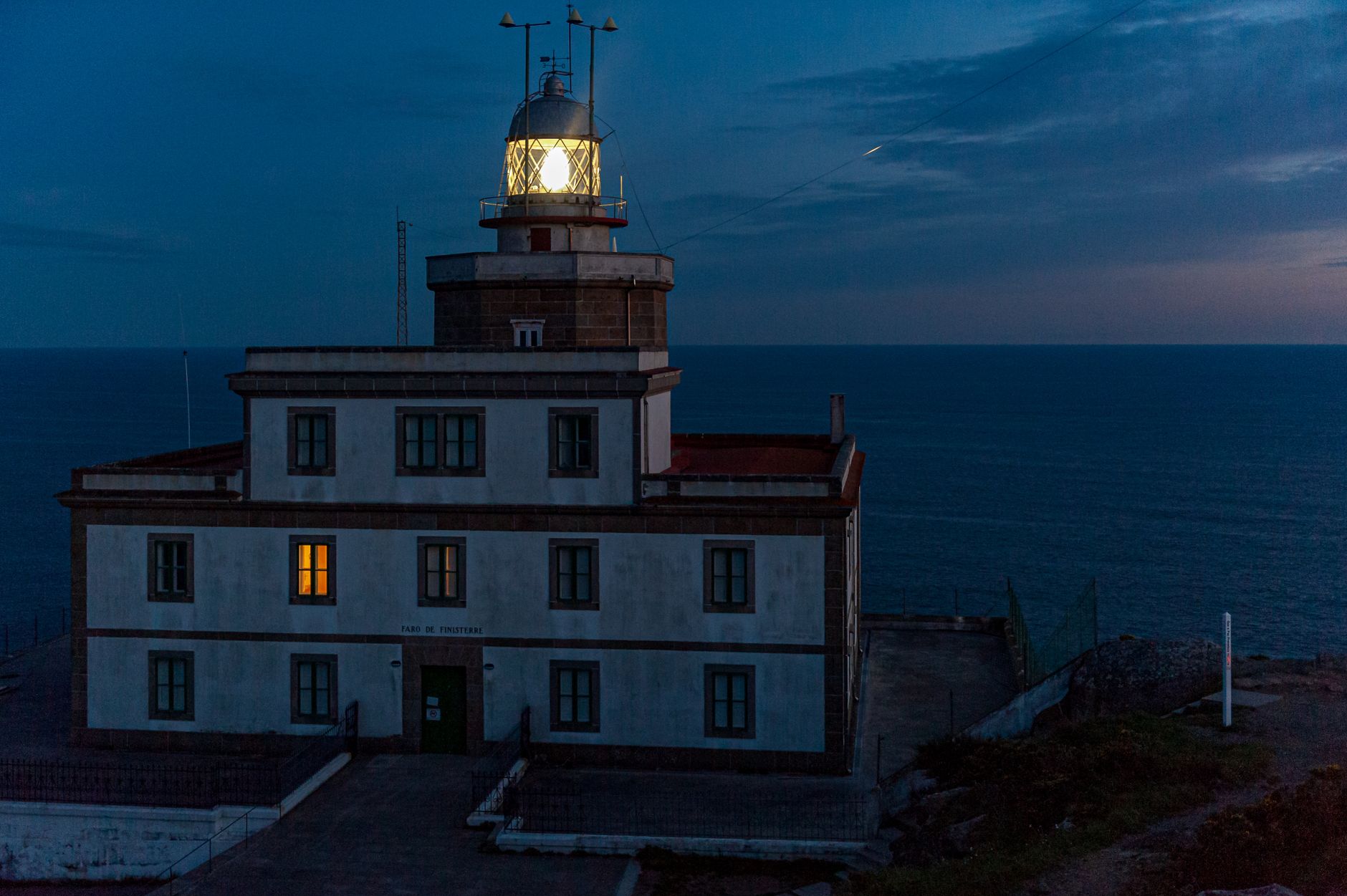
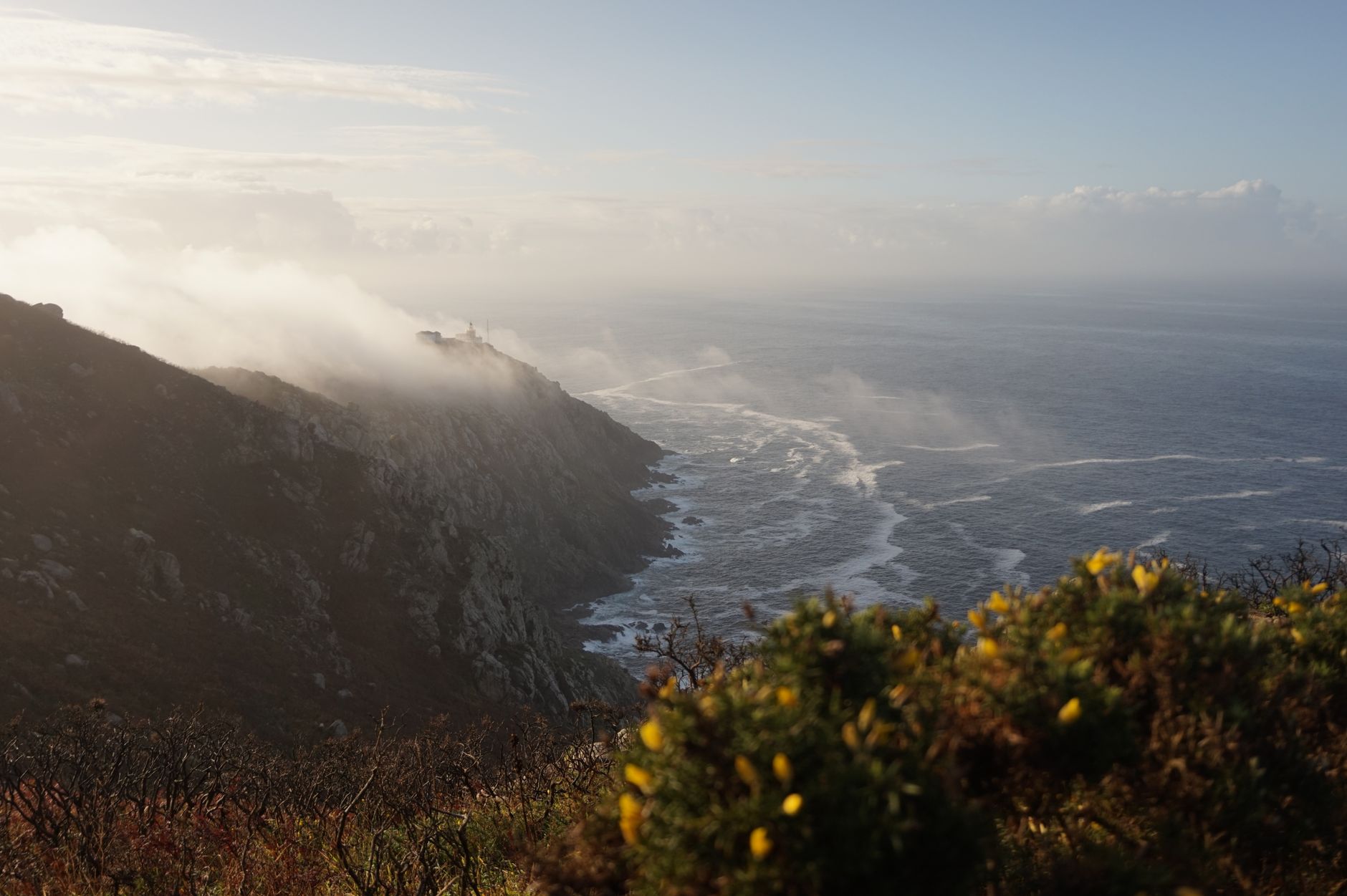
Trek the three-kilometre uphill trail from the town square to Cabo Fisterra lighthouse, past stone crosses and sweeping views across the Atlantic.
Maritime Heritage in Fisterra Galicia Spain
Visit the seventeenth-century Castillo de San Carlos museum to understand the shipwrecks, storms, and local fishing fleets along the Costa da Morte.
Sacred Architecture in Fisterra Galicia Spain
Inspect the twelfth-century Romanesque portals and the revered Santo Cristo da Barba Dourada inside the parish church of Santa María das Areas.
Regional Wines in Fisterra Galicia Spain
Drink crisp, saline Albariño from Rías Baixas and mineral-driven Godello served in traditional white ceramic cuncas alongside plates of octopus.
Markets & Auctions in Fisterra Galicia Spain
Watch the afternoon fish auction at the Lonxa beside the docks, where day-boat catches of hake, monkfish, and sea bass are sorted for trade.
Beaches & Coves in Fisterra Galicia Spain
Walk the two kilometres of fine pale sand at Praia de Langosteira or seek the wilder, windy breaks of Praia do Mar de Fóra on the western shore.
Pilgrim Traditions in Fisterra Galicia Spain
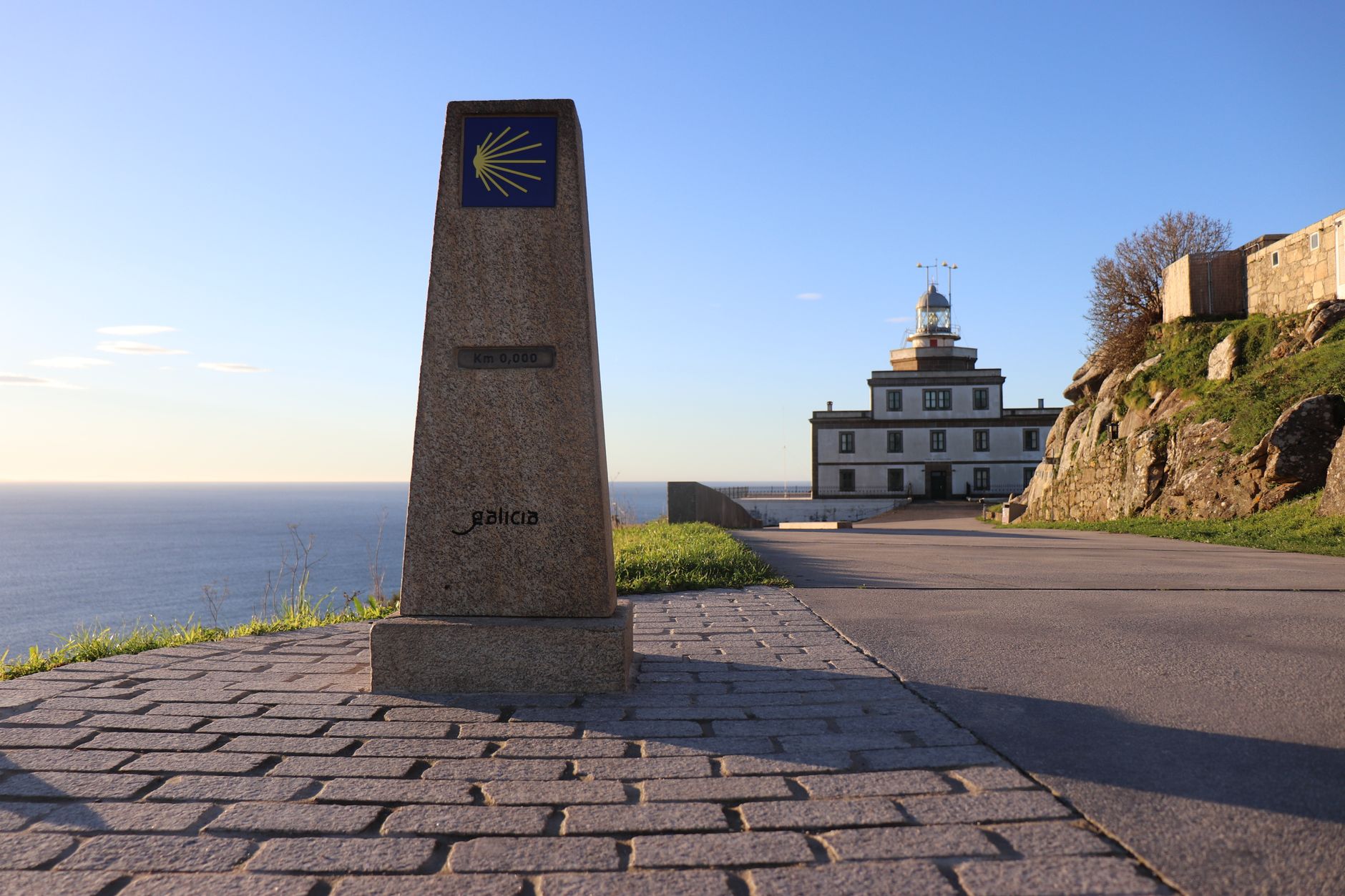
Observe the Camino de Santiago milestone zero at the lighthouse, where walkers gather at dusk to mark the true conclusion of their long journey.
Tavern Culture in Fisterra Galicia Spain
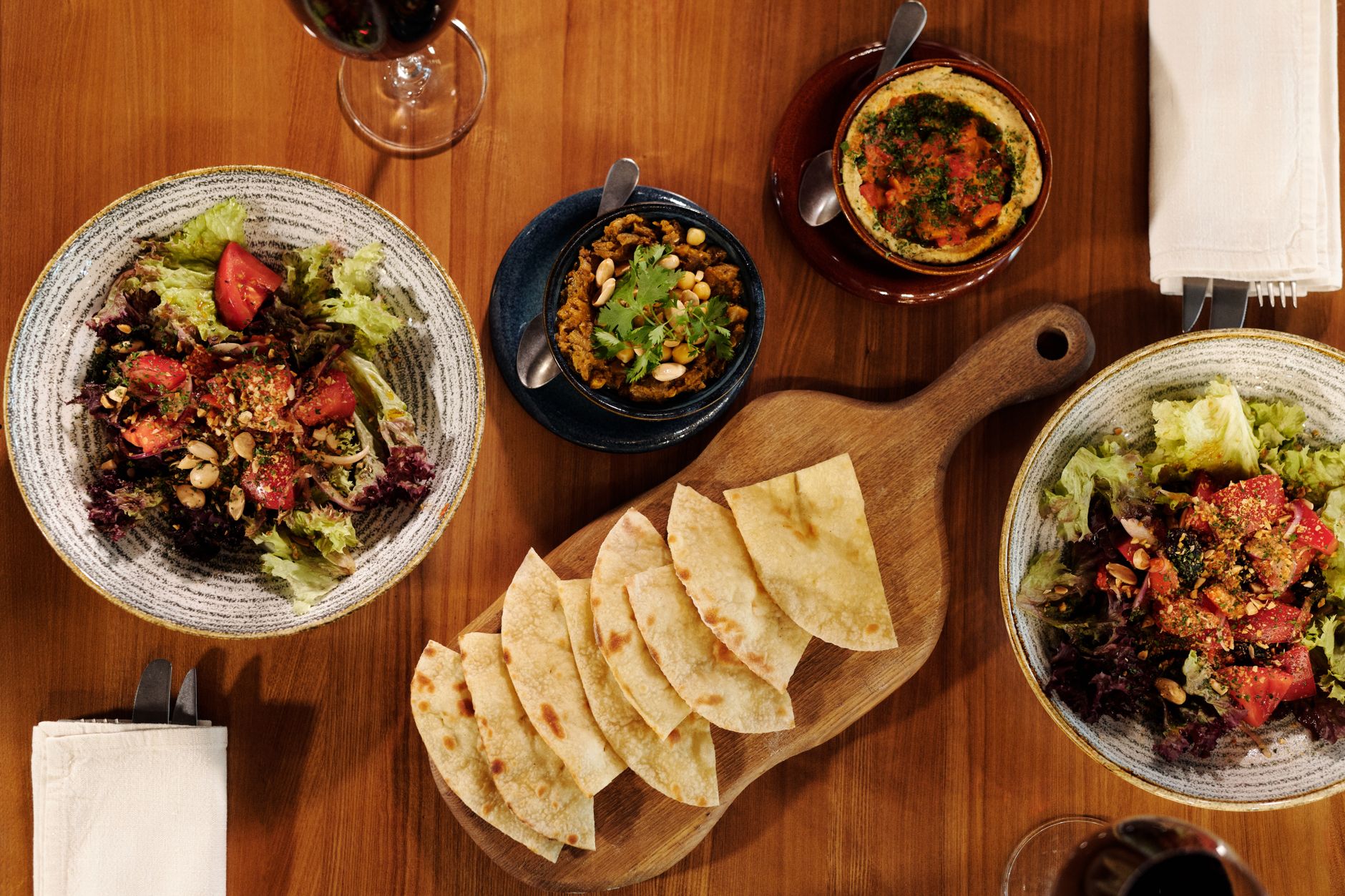
Lean against zinc counters for pimientos de Padrón, tender pulpo á feira dusted with smoked paprika, and cold draught beer poured into heavy glasses.
Day Trips in Fisterra Galicia Spain
Drive north along the rugged shoreline to the dramatic waterfall tumbling directly into the sea at Ézaro and the stone horreos of Carnota.
Boat Excursions in Fisterra Galicia Spain
Board small passenger vessels from the marina to view the towering cliffs of Monte Facho and the legendary headland from open water.
Scenic Viewpoints in Fisterra Galicia Spain
Climb the rocky heights of Monte do Facho above the lighthouse for panoramic views stretching across the entirety of the Ria de Corcubión.