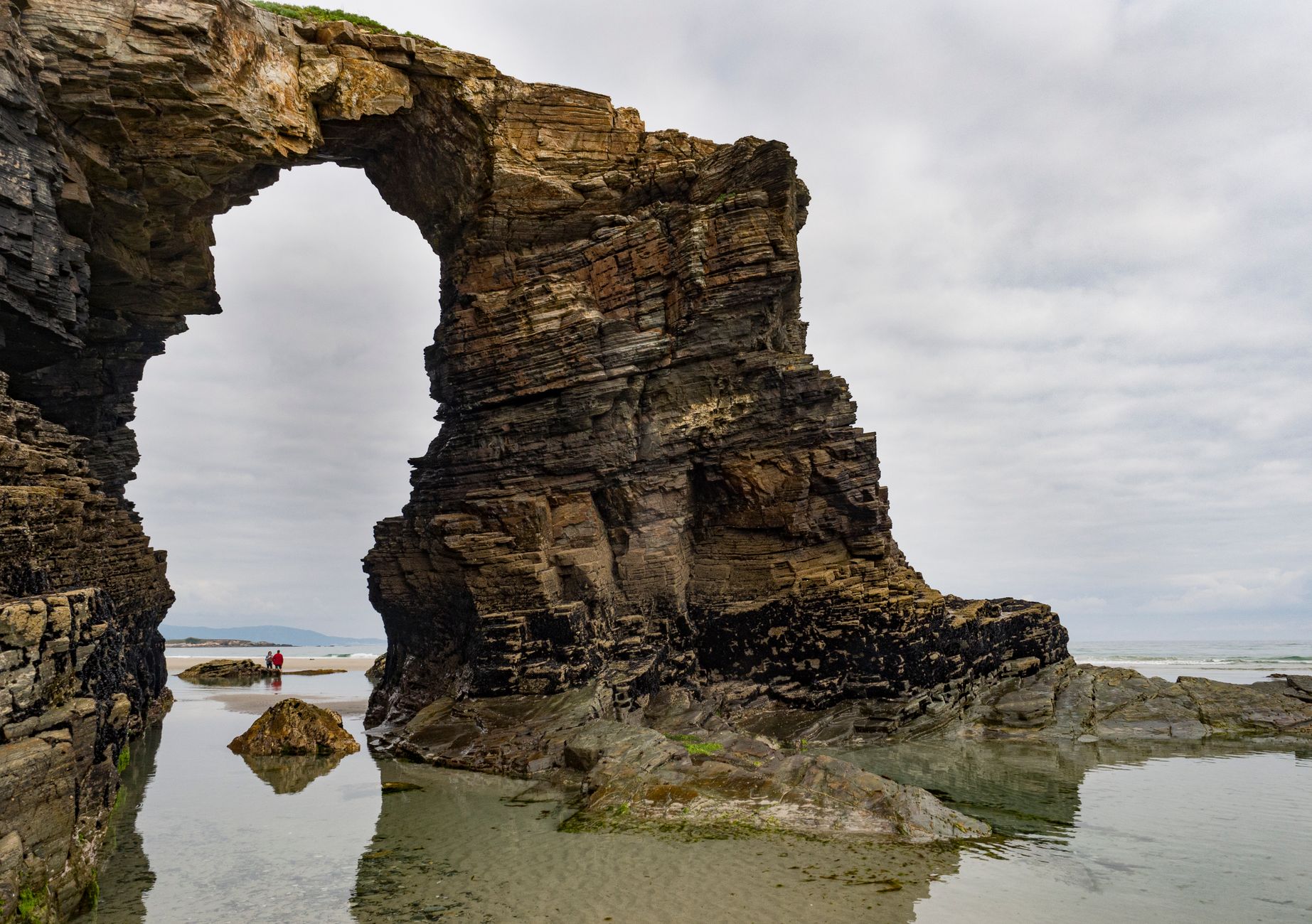

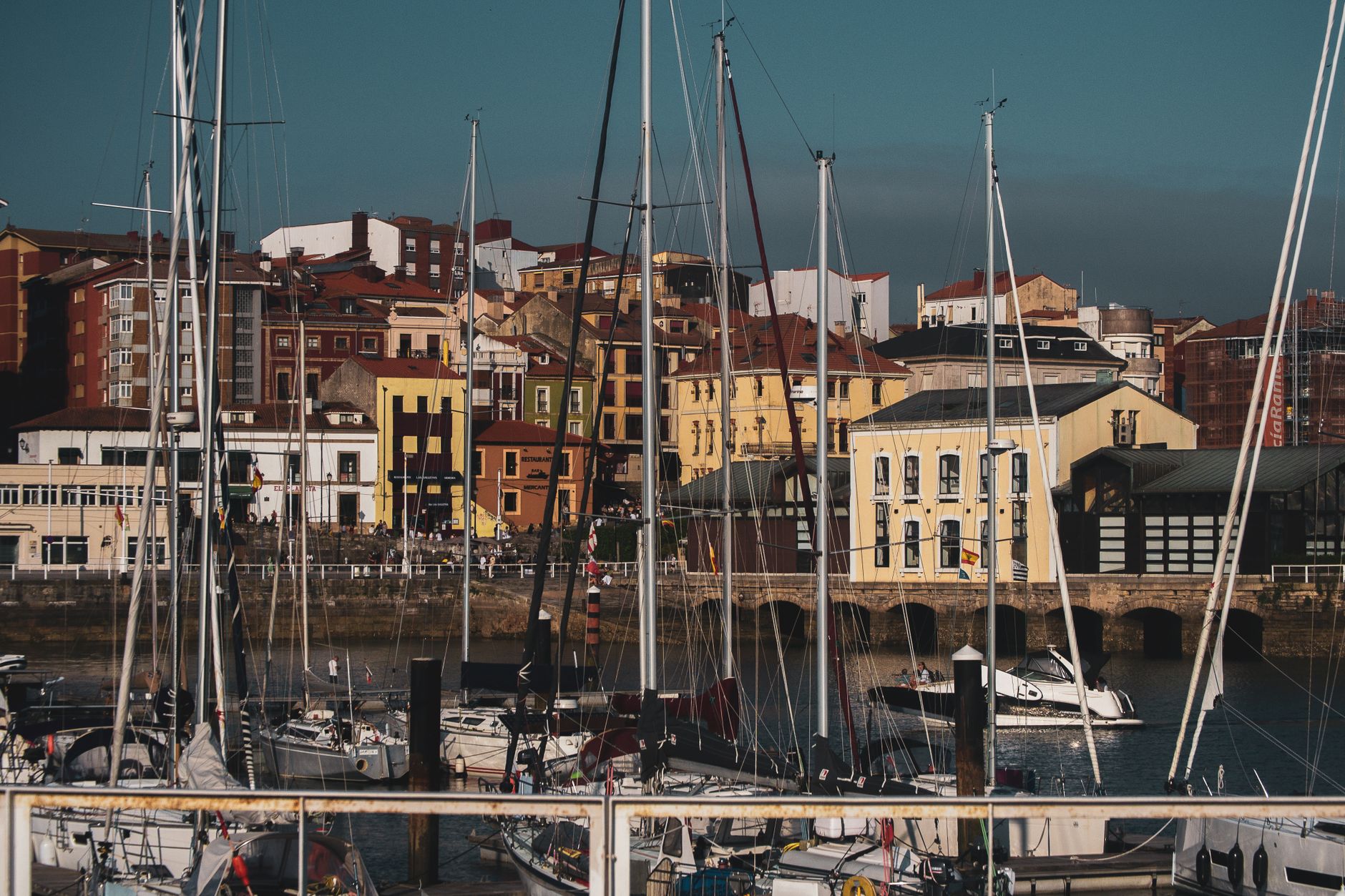
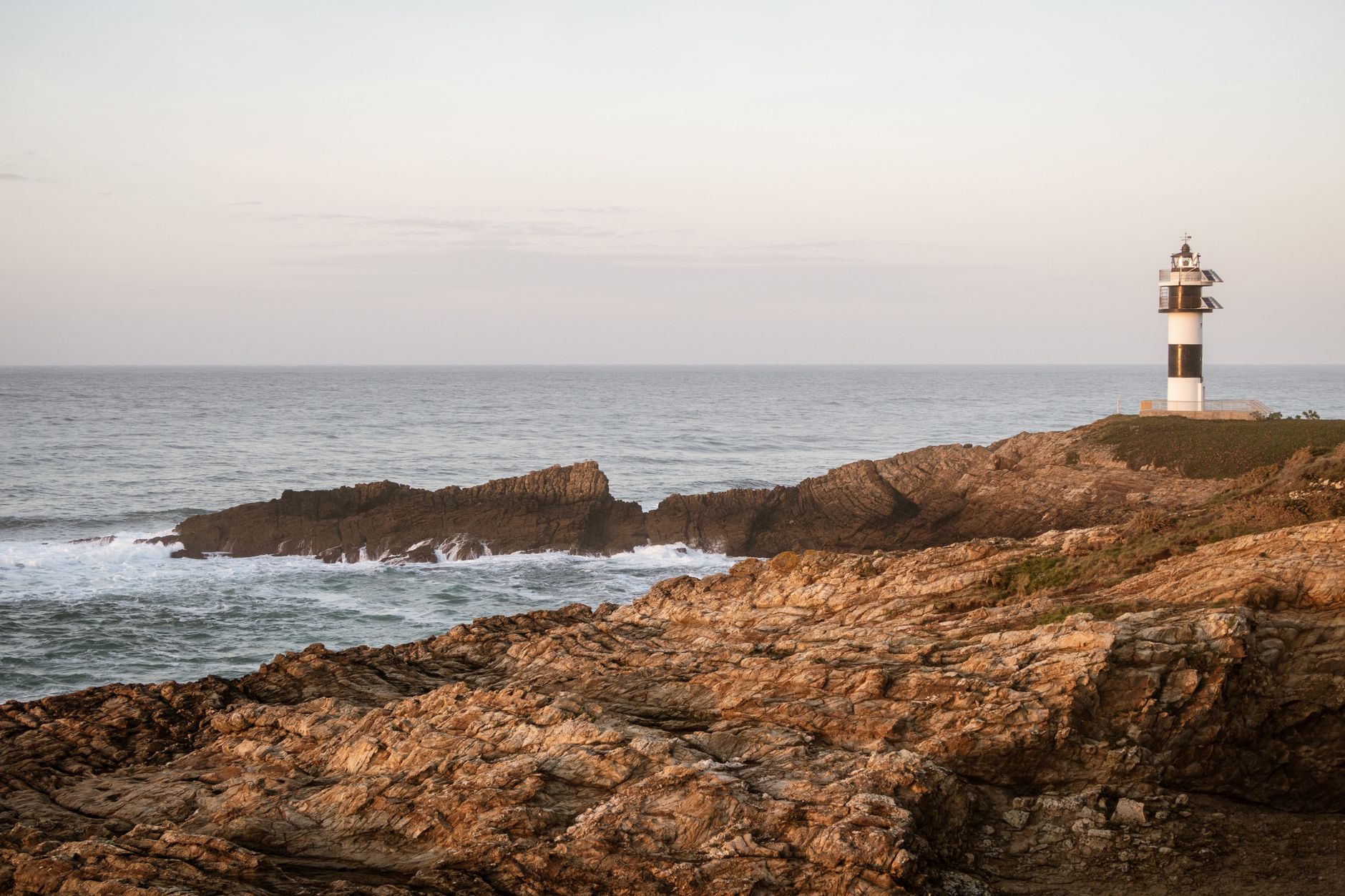
The tide does the scheduling here. Ribadeo sits high above the green water of the Ría de Ribadeo, looking straight across to Asturias while fishing skiffs drift into Porcillán below. Up top, the town spreads out around the extravagant, tile-turreted Torre dos Morenos, built by emigrants who struck gold in the Americas and wanted the neighbours to notice. You come for the sea arches at Praia das Catedrais, but you stay because the pulpo at the tavern counter is hot, heavily peppered, and served without fuss.
Last updated 26 Aug 2026
Build a Ribadeo itinerary.
Choose up to 4 threads that pull you in. Your plan arrives organised around them.
The Bed
Where to stay in Ribadeo
Which part of town to book, and what each one costs you in walking, noise or quiet.
Places to stay
Central, well-rated and easy to find again. Distances are from the middle of town.
These links go to Booking.com and earn us a commission. They cost you nothing extra.
The Comparison
Ribadeo, or somewhere near it
The places you are realistically choosing between, and the honest case for each.
The Local Record
Where to read more about Ribadeo
The blogs, boards, guides and operators worth bookmarking.
What to do in Ribadeo Galicia Spain
Ribadeo sits at the seam where Galicia meets Asturias, defined by dramatic tidal shifts and a grand merchant past. Days naturally follow the rhythm of the estuary, splitting time between cliffside strolls, hearty tavern lunches, and the historic streets around Praza de España. It suits independent travellers who enjoy untamed Atlantic scenery, honest coastal cooking, and exploring unhurried Galician towns on foot without tourist theater.
24 hours in Ribadeo Galicia Spain
Check tide tables first thing to catch Praia das Catedrais at low water, a fifteen-minute train or taxi ride west. Return for grilled razor clams and Ribeiro wine by the harbour at Porcillán. Spend the afternoon admiring Indiano villas along Rúa San Roque, finishing with pulpo á feira in the old quarter. Select 1 Day above to see it.
2 days in Ribadeo Galicia Spain
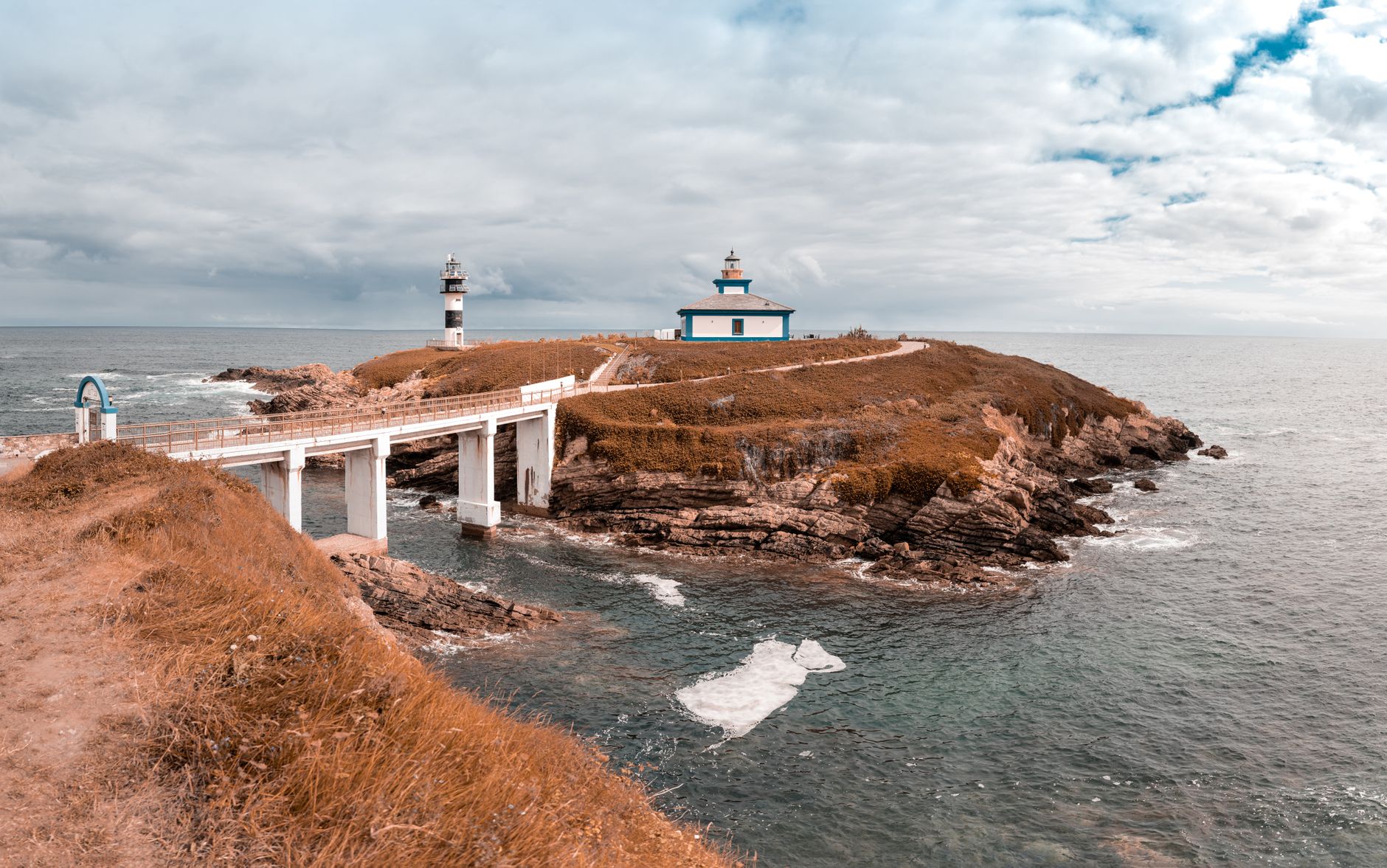
Dedicate your second morning to the fishing hamlet of Rinlo, booking ahead for a steaming clay pot of lobster rice. Afterwards, take the coastal trail past the ruins of ancient sea-pens back towards Illa Pancha, watching the Atlantic breakers crash against the lighthouse island as the light fades. Choose 2 Days to expand the plan.
3 days in Ribadeo Galicia Spain
A third day allows an unhurried excursion up the fertile Lourenzá valley to Mondoñedo to explore the ancient episcopal quarter and pick up almond tarta. Return via the estuary footpaths along the Eo, stopping at Fuerte de San Damián before an evening of cider and tapas on Praza de Abaixo.
Ribadeo Galicia Spain itineraries by interest
Local Seafood in Ribadeo Galicia Spain
Order navajas and steamed percebes at Puerto de Porcillán, or fresh bonito from the Cantabrian fleet seared simply with olive oil and garlic.
Coastal Walks in Ribadeo Galicia Spain
Follow the cliff path past the iron-era O Cargadoiro mineral loader out to the striped 19th-century lighthouses guarding Illa Pancha.
Architecture in Ribadeo Galicia Spain
Stroll the Barrio de San Roque to inspect the ornate Indiano mansions, especially the 1915 modernist curves of the eclectic Torre dos Morenos.
Beaches in Ribadeo Galicia Spain
Praia das Catedrais reveals towering thirty-metre flying buttresses in slate and quartz, but only during the two-hour window around low tide.
Markets & Produce in Ribadeo Galicia Spain
Browse the weekly market at Praza de Abastos for fresh tetilla cheese, local grelos, and bags of protected Lourenzá faba beans.
Traditional Dining in Ribadeo Galicia Spain
Head six kilometres east to Rinlo for soupy arroz caldoso de marisco, simmered with spiny lobster in century-old former lobster-nursery ports.
Day Trips in Ribadeo Galicia Spain
Cross the Puente de los Santos into Asturias to wander the whitewashed alleys of Castropol and the boatbuilding slipways of Figueras.
Maritime History in Ribadeo Galicia Spain
Inspect the 17th-century coastal battery at Fuerte de San Damián, built to defend the timber and flax trade flowing through the estuary.
Wine & Cider in Ribadeo Galicia Spain
Pair crisp Galician Albariño or Mencía with a glass of Asturian natural cider poured from overhead at taverns along Rúa San Roque.
Sacred Art in Ribadeo Galicia Spain
The 14th-century Convent of Santa Clara holds quiet Gothic cloisters where the resident nuns still bake and sell almond pastries through a lathe.
Estuary Boating in Ribadeo Galicia Spain
Take the passenger launch across the calm Eo waters to Figueras, watching herons hunt the mudflats and shellfish gatherers work the shallows.
Inland Valleys in Ribadeo Galicia Spain
Drive twenty minutes south to Mondoñedo to visit its Romanesque cathedral and sample the traditional puff-pastry tarta de Mondoñedo.