

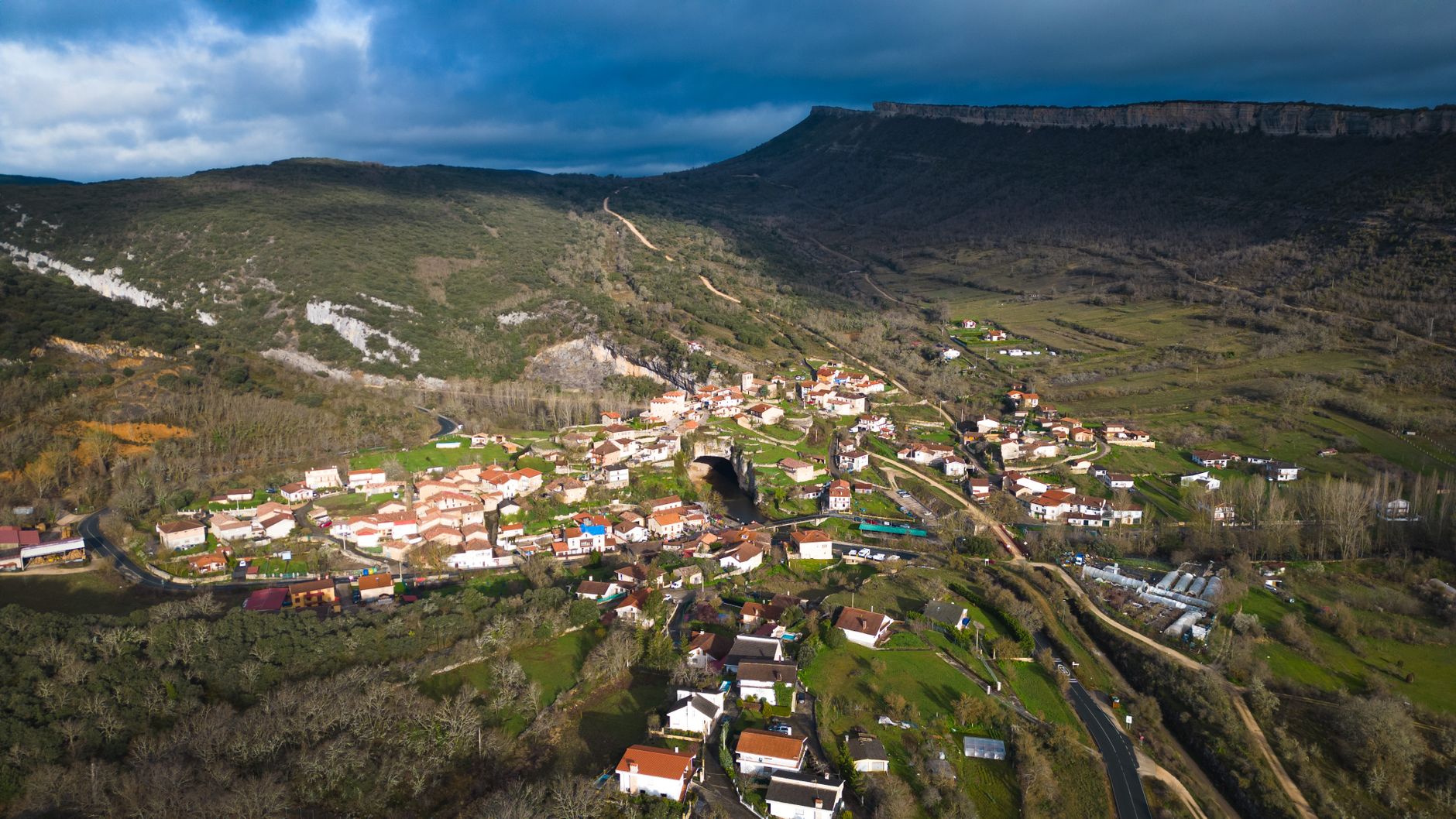

The wind off Peña Montañesa hits your collar the moment you reach the upper town, a fortified limestone spur guarding the meeting of the Cinca and Ara rivers. Down below sits modern sprawl, but up here on the cobbles, the eleventh-century fortress walls and the cavernous arcades of the Plaza Mayor hold firm. You come for Romanesque stone, honest plates of roasted mountain lamb, and the quiet satisfaction of a Somontano red poured into a heavy tumbler.
Last updated 26 Aug 2026
Build a Aínsa itinerary.
Choose up to 4 threads that pull you in. Your plan arrives organised around them.
The Bed
Where to stay in Aínsa
Which part of town to book, and what each one costs you in walking, noise or quiet.
The Comparison
Aínsa, or somewhere near it
The places you are realistically choosing between, and the honest case for each.
The Local Record
Where to read more about Aínsa
The blogs, boards, guides and operators worth bookmarking.
What to do in Aínsa Aragón Spain
Aínsa sits split between a functional lower town and an intact medieval citadel perched on a limestone ridge. Days revolve around walking the ramparts, lingering over long lunches in the vaulted Plaza Mayor, and heading out into the Sobrarbe valleys. It suits walkers, cyclists, and anyone who appreciates unhurried mountain pace, sturdy Romanesque masonry, and sincere Pyrenean cooking without the polished pretence of larger ski hubs.
24 hours in Aínsa Aragón Spain
Spend the morning climbing the tower of Santa María and exploring the castle ramparts. Sit under the stone porticoes of Plaza Mayor for a slow lunch of roast ternasco lamb and Somontano wine. By late afternoon, stroll Calle Mayor to the western overlook, finishing with tapas along Calle Santa Cruz before the evening mountain chill settles. Select 1 Day above to see it.
2 days in Aínsa Aragón Spain
Day two takes you beyond the walls. Drive twenty minutes into the Cañón de Añisclo for a river walk under towering gorge walls, then stop in nearby Boltaña for mountain trout and cured longaniza. Return to Aínsa for an evening drink looking toward the dark outline of Peña Montañesa across the valley. Choose 2 Days to expand the plan.
3 days in Aínsa Aragón Spain
A third day allows a journey into the upper Pineta Valley beneath Monte Perdido, or an adventurous mountain bike ride through Zona Zero's rugged backcountry. Cap the trip with a detour south to see the sunken church spire rising from the turquoise waters of the Mediano reservoir.
Aínsa Aragón Spain itineraries by interest
Medieval Architecture in Aínsa Aragón Spain
Climb the Romanesque bell tower of Santa María for views across the 11th-century castle ramparts and the vaulted stone arcades of Plaza Mayor.
Mountain Cuisine in Aínsa Aragón Spain
Order ternasco de Aragón roast lamb shoulder, chiretas stuffed with spiced offal and rice, and slow-braised wild boar stew in old stone bodegas.
Local Wine in Aínsa Aragón Spain
Drink DO Somontano reds made from native Moristel and Parraleta grapes, paired with cured sheep cheeses from nearby Saravillo.
Mountain Biking in Aínsa Aragón Spain
Ride the world-class Zona Zero trail network, tracking marked singletrack paths across abandoned hamlets and red-earth Pyrenean ridges.
Canyon Hiking in Aínsa Aragón Spain
Walk the dramatic limestone gorge of Cañón de Añisclo or follow the lower Ara River trails starting a short drive west toward Boltaña.
Rivers & Lakes in Aínsa Aragón Spain
Kayak the flooded bell tower of Mediano reservoir or swim the cold, clear gravel pools where the Cinca and Ara rivers collide.
Castles & Forts in Aínsa Aragón Spain
Walk the restored perimeter walls of the 11th-century castle and visit the Eco-Museum dedicated to Pyrenean bearded vultures.
Artisan Produce in Aínsa Aragón Spain
Pick up aged raw-milk cheeses, local wildflower honey, and cured longaniza sausages from small grocers along Calle Mayor and Calle Santa Cruz.
Scenic Drives in Aínsa Aragón Spain
Take the winding A-138 north toward Bielsa and the Pineta Valley, passing glacial cirques and deep granite river gorges.
Day Trips in Aínsa Aragón Spain
Drive twenty minutes down the valley to Boltaña's stone quarter or visit the fortified monastic enclave of San Victorián beneath the cliffs.
Village Walks in Aínsa Aragón Spain
Wander the twin cobblestone arteries of Calle Mayor and Calle Santa Cruz, admiring carved lintels and coats of arms on 16th-century houses.
Bird Watching in Aínsa Aragón Spain
Scan the limestone crags of Peña Montañesa for soaring bearded vultures, griffon vultures, and red kites riding afternoon thermals.