

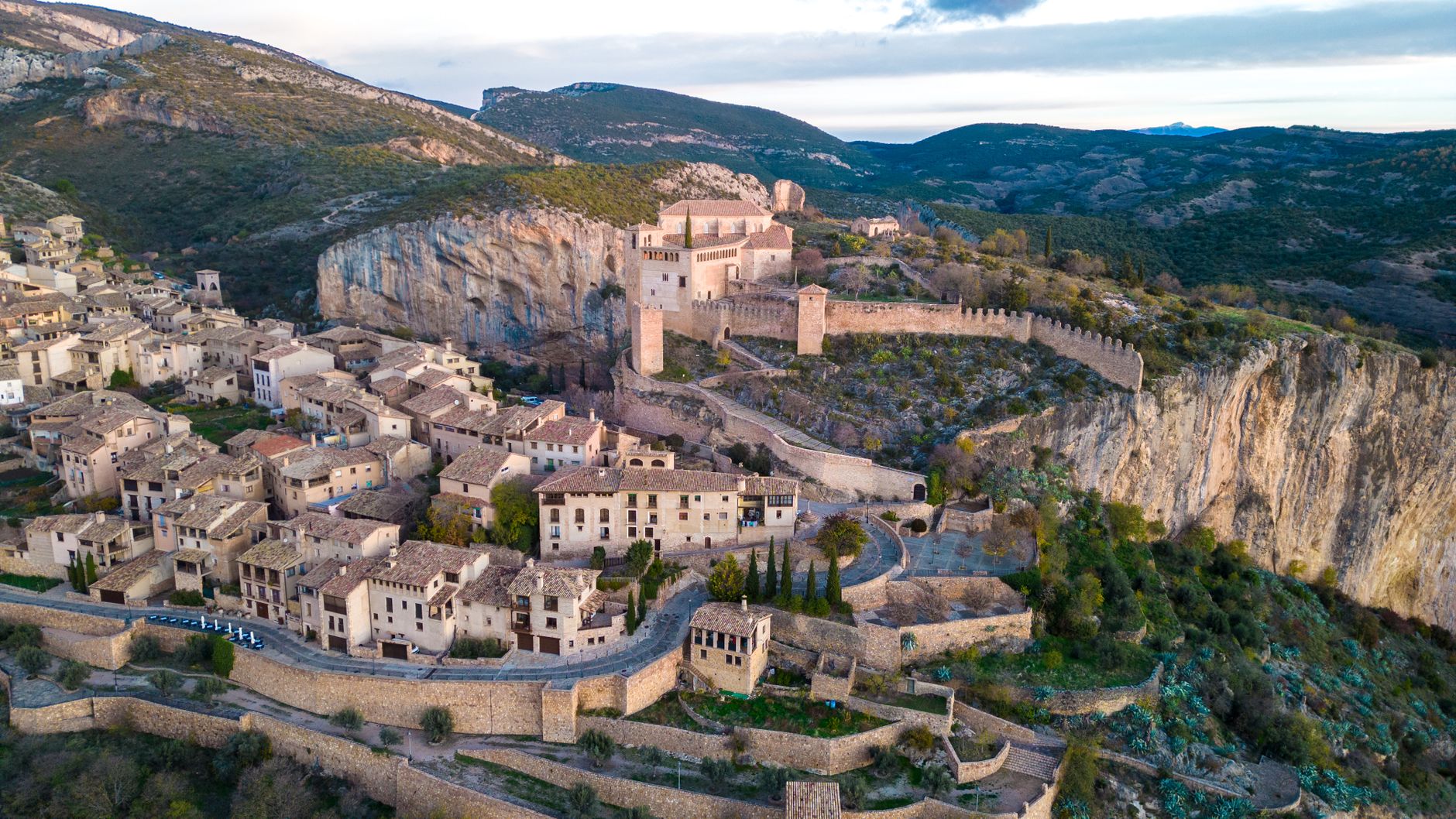
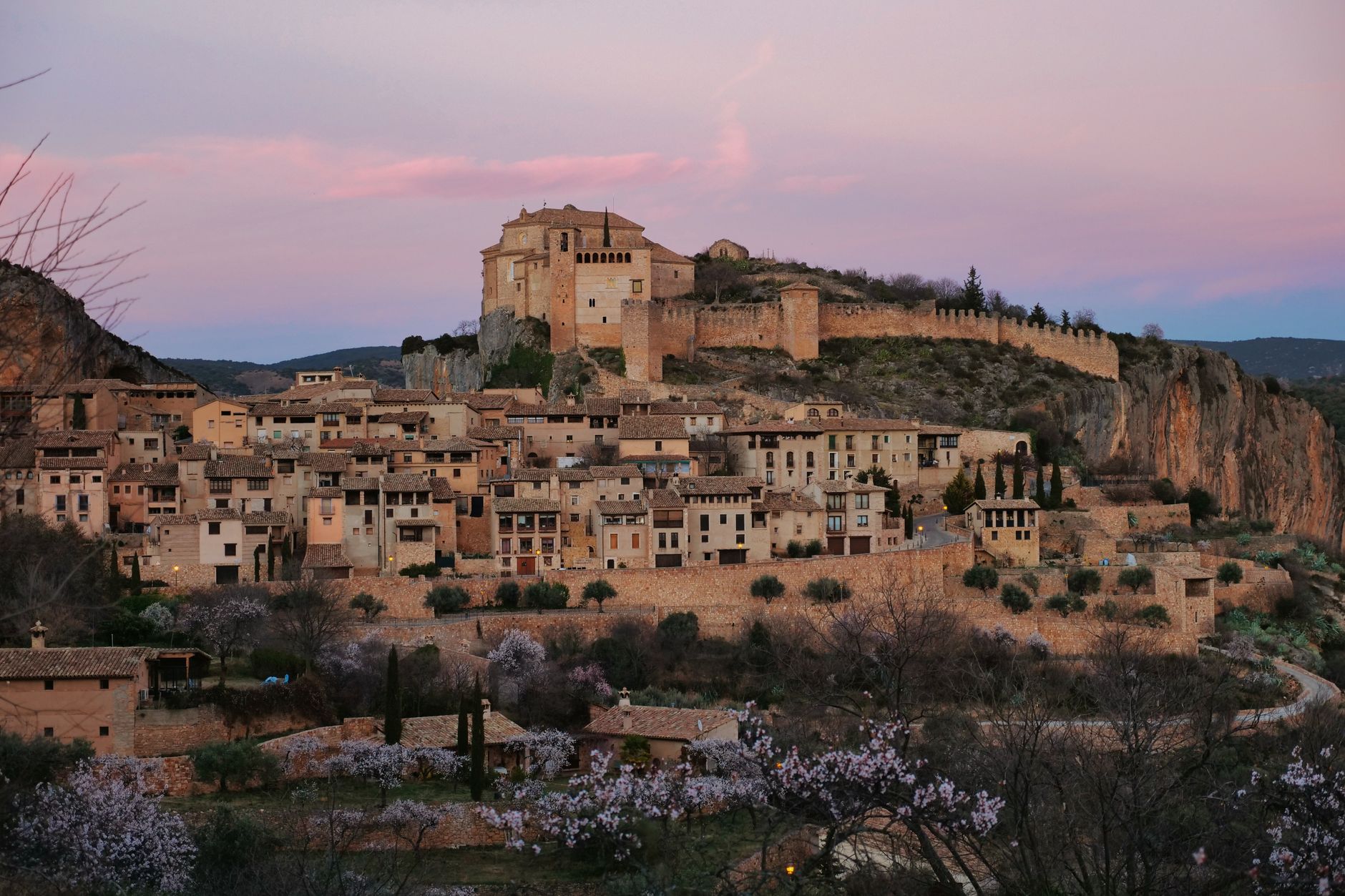

Alquézar sits on sheer limestone above the turquoise ribbon of the Río Vero, smelling faintly of woodsmoke, wild rosemary, and roasting lamb. You enter on foot through the gothic gateway, where cobblestones immediately tilt uphill toward the eleventh-century Colegiata. It is known primarily for two pursuits: running the river canyons in neoprene and drinking Moristel wine in stone squares while resting sore knees.
Last updated 22 Aug 2026
Build a Alquézar itinerary.
Choose up to 4 threads that pull you in. Your plan arrives organised around them.
We'll craft a 3-lens plan for Alquézar, one collapsible strand per lens.
Olive Cultivation
Taste peppery, cold-pressed olive oils made from ancient Verdeña and Alcañizana groves that cling to the terraced hillsides below the castle walls.
Olive Cultivation
Taste peppery, cold-pressed olive oils made from ancient Verdeña and Alcañizana groves that cling to the terraced hillsides below the castle walls.
Verdeña Olive Oil and Dobladillo
Panadería de Alquézar
Walk in around eight thirty for a fresh dobladillo, a folded almond pastry, and a loaf of pan de cinta. Grab olive oil pressed from local Verdeña groves. No reservations needed. Under five euros.
Editor TipThe Somontano foothills rely on native olive varieties like Alquezrana and Verdeña, adapted to thin limestone soil. Bakers still fold dough around spiced pumpkin or almonds using centuries of Aragonese pantry lore. Take your pastry to the stone bench outside the door for the morning view across the Rio Vero gorge before tour groups gather.
Verdial Oil and Mountain Game
Restaurante Cueva Reina
Walk down Calle Baja for an unhurried dinner. Taste the unfiltered Verdial del Vero extra virgin olive oil poured warm over wild boar stew, followed by local almond torteta.
Editor TipAncient Verdial and Alquezarana olive trees thrive on Vero river limestone terraces, yielding intensely grassy, low-yield oils that sustain high-altitude Aragonese cooking. Evening temperatures drop quickly off the canyon; grab an indoor stone-arch table if the breeze picks up.
Pumpkin Pastillos and Woodsmoke
Panadería L'Artica
Step inside for pastillo de calabaza or honeyed dobladillos fresh from the hearth. Cash is preferred; take your bag to the stone bench on Calle San Gregorio. Allow twenty minutes.
Editor TipSomontano mountain bakers have folded roasted squash, aniseed, and olive oil into thin pastry crusts since medieval times, fueling shepherds before long treks across the limestone canyon. Ask for whatever came off the peel five minutes ago. The pastry should still radiate warmth through the paper bag.
Cold-Pressed Olive Oil Heritage
Museo Etnológico Casa Fabián
Ring the bell at Calle Baja 16 to tour this seventeenth-century stone house and its massive beam press. Entry is three euros cash. Plan forty-five minutes to inspect the press and cellar.
Editor TipBefore modern centrifuges, Sierra de Guara farmers crushed native Alquezrana and Royeta olives using monumental lever presses to secure cooking fat and lamp oil through harsh mountain winters. Look closely at the hollowed stone basins under the press where virgin oil once separated naturally by gravity.
Native Olive Oil Tasting
La Tienda de Guara
Step into the stone shop on Calle Alta for pours of cold-pressed Royeta and Empeltre oils paired with local cured goat cheese. Plan thirty minutes; tastings cost around five euros.
Editor TipSomontano's limestone shelves shelter hardy, indigenous olive cultivars like Royeta de Asque, milled cold to yield intensely peppery oils that define high Aragonese kitchens. Ask for the unfiltered early harvest if they still have bottles behind the till; the grassy bite is remarkable.
Tasting Single-Estate Royeta Oils
Aceites Ferrer
Walk the cool mill floor, sample peppery Royeta and Verdeña oils from small tasting glasses, and purchase bottles straight from the family. Allow forty-five minutes.
Editor TipThe rocky foothills of the Sierra de Guara sustain hardy indigenous olive varieties that farmers have harvested for generations, yielding peppery oils rich with green almond and artichoke notes. Grab a tin of the unfiltered harvest; it packs easily into checked bags and makes store-bought oil seem thoroughly dull.
Artisan Cheese
Nearby Radiquero produces pungent, raw-milk goat cheeses like the ash-coated San Mateo and creamy Los Meleses, aged in cool cellars down the road.
Artisan Cheese
Nearby Radiquero produces pungent, raw-milk goat cheeses like the ash-coated San Mateo and creamy Los Meleses, aged in cool cellars down the road.
Radiquero Cheese and Fortress Walls
Colegiata de Santa María la Mayor
Buy your four-euro entry at the gatehouse. Spend an hour walking the Romanesque cloister and ramparts overlooking ancient olive terraces, then grab a wedge of raw-milk Radiquero cheese down the lane.
Editor TipBuilt in the eleventh century by King Sancho Ramirez over a Moorish fortress, this collegiate church anchored the mountain economy, where goat herders bartered aged curds for valley grain and olive press tithes. Audio guides cost extra, but the acoustic echo in the Romanesque cloister explains itself without wearing headphones.
Sampling Cellar-Matured Goat Cheeses
Quesería de Radiquero
Ring the bell at this village dairy to taste wheels of Los Meleses and red-wine-washed Sierra de Sevil. Morning drop-ins are welcomed warmly; allocate about an hour.
Editor TipMountain scrub and wild herbs give this high-pasture goat milk its distinctive tang, carrying on an Aragonese pastoral cheesemaking craft that sustained shepherds through bitter Pyrenean winters. Take a wedge of the ash-rubbed Río Vero cheese; it pairs reliably well with crusty bread on a quiet village bench.
Raw Goat Cheese Tasting
Quesos de Radiquero
Drive five minutes south to their small tasting counter. Sample the ash-dusted Rio Vero and wine-cured San Pelegrín wheels; no advance booking needed for basic counter tastings.
Editor TipThe limestone plateaus of the Guara park produce scrub herbs that scent the raw milk, creating dense, lactic cheeses refined here since the shepherd revival of the 1980s. Ask for the Los Meleses wheel wrapped in walnut leaf; it travels remarkably well if you keep it out of direct sun.
Mountain Cooking
Order ternasco de Aragón, milk-fed lamb roasted slow over vine cuttings until the skin shatters, served with garlicky migas and fried eggs.
Mountain Cooking
Order ternasco de Aragón, milk-fed lamb roasted slow over vine cuttings until the skin shatters, served with garlicky migas and fried eggs.
Tasting Radiquero Cheese and Ternasco
Restaurante Casa Pardina
Book a terrace table overlooking the Vero canyon. Order the roasted Ternasco de Aragón lamb and the cellar-aged Radiquero goat cheese board paired with a Somontano Moristel red.
Editor TipShepherds in the Sierra de Guara have cured raw goat milk into Sierra de Sevil rounds for generations, while milk-fed Ternasco remains Aragón's protected mountain staple. Ask for the local quince paste with the Los Meleses cured cheese; the kitchen makes it every autumn.
Wood-Roasted Milk-Fed Lamb
Restaurante Hostería de Guara
Reserve a table by the hearth. Order the wood-roasted Ternasco de Aragón with borage stems and a bottle of local Moristel red; dinner runs around forty euros per head.
Editor TipTernasco de Aragón carries protected status, raised on mountain pastures and roasted over almond wood to yield crisp skin and sweet, tender meat central to Alto Aragón cooking. Pair the lamb with wild borage sautéed in local olive oil; the humble thistle balances the rich fat perfectly.
Note from the Editor
“Get onto the cobblestones before the canyon buses arrive from Huesca. Morning light hits the limestone ramparts cleanly, and the bakeries pull their best flatbreads straight from the oven at eight.”
The Bed
Where to stay in Alquézar
Which part of town to book, and what each one costs you in walking, noise or quiet.
The Comparison
Alquézar, or somewhere near it
The places you are realistically choosing between, and the honest case for each.
The Local Record
Where to read more about Alquézar
The blogs, boards, guides and operators worth bookmarking.
What to do in Alquézar Aragón Spain
Alquézar is a tight knot of sandstone lanes dropping down into the limestone gorge of the Sierra de Guara. Days split naturally between active mornings along the river canyon and long, unhurried lunches in Plaza Mayor over wood-roasted lamb. It suits walkers, canyoneers, and anyone happy to trade car access for steep alleys, quiet evenings, and broad valley views.
24 hours in Alquézar Aragón Spain
Start by 8:30 AM on the Pasarelas del Río Vero footbridges before the canyon heats up, then walk up Calle Mayor for a plate of migas and roasted ternasco. Tour the cloisters of the Colegiata in the late afternoon, followed by Somontano wine and sheep cheese at dusk. Select 1 Day above to see it.
2 days in Alquézar Aragón Spain
Use your second day to hike out toward the prehistoric rock shelters of Quizans and Chimiachas, carrying picnic supplies from a village panadería. Spend the evening in the nearby hamlets of Radiquero or Asque for goat cheese tasting and grilled longaniza sausage. Choose 2 Days to expand the plan.
3 days in Alquézar Aragón Spain
A third day allows a gentle drive through the Somontano vineyards around Barbastro, followed by a guided technical canyoning trip through the Rio Vero. Finish with an unhurried dinner of wild boar stew and fried borage crespillos away from the main square.
Alquézar Aragón Spain itineraries by interest
Canyon Walks in Alquézar Aragón Spain
Follow the metal footbridges of the Pasarelas del Río Vero bolted directly into sheer limestone walls, descending three hundred steps into deep turquoise pools.
Local Wine in Alquézar Aragón Spain
Somontano DO pours distinctive native Moristel and Parraleta reds alongside crisp Gewürztraminer, best sampled in village cellars with local green olives.
Sacred Architecture in Alquézar Aragón Spain
Climb to the Colegiata de Santa María la Mayor, built over an eighth-century Moorish fortress, to inspect Romanesque cloister capitals carved from stone.
Cured Meats in Alquézar Aragón Spain
Sample artisan cecina, cured wild boar ham, and spiced pork longaniza de Graus, seasoned with paprika and dried slowly in the high mountain air.
Outdoor Adventure in Alquézar Aragón Spain
Canyoneers gear up in the square for technical descents down the Barranco de la Choca and Rio Vero gorges, navigating natural chutes and cold pools.
Prehistoric Heritage in Alquézar Aragón Spain
Walk to the Vero river shelters to view Levantine rock art and schematic cave paintings dating back thousands of years inside protected limestone overhangs.
Regional Baking in Alquézar Aragón Spain
Try regional crespillos, an unusual confection of tender borage leaves dipped in sweet batter and fried crisp, alongside anise-scented tortas de alma.
Artisan Cheese in Alquézar Aragón Spain
Nearby Radiquero produces pungent, raw-milk goat cheeses like the ash-coated San Mateo and creamy Los Meleses, aged in cool cellars down the road.
Olive Cultivation in Alquézar Aragón Spain
Taste peppery, cold-pressed olive oils made from ancient Verdeña and Alcañizana groves that cling to the terraced hillsides below the castle walls.
Mountain Cooking in Alquézar Aragón Spain
Order ternasco de Aragón, milk-fed lamb roasted slow over vine cuttings until the skin shatters, served with garlicky migas and fried eggs.
Village Exploration in Alquézar Aragón Spain
Navigate Calle Dragones and Plaza Mayor, where heavy wooden doors and stone porticoes shield small family taverns from the fierce mid-afternoon sun.
Birdwatching in Alquézar Aragón Spain
Train binoculars on the red gorge walls to spot griffon vultures, bearded lammergeiers, and wallcreepers nesting in the crags above the canyon floor.